Jump at 20
Released in the UK on 6 November 2006, Jump brought the Confessions on a Dance Floor campaign to a close with something less euphoric than Hung Up, less confrontational than Sorry, but perhaps more revealing than either. Twenty years later, its message about movement, risk and knowing when to leave still lands.
The Moment
By the autumn of 2006, Confessions on a Dance Floor had become much more than Madonna’s latest record. Hung Up, Sorry and Get Together had carried its continuous dance-floor momentum across the best part of a year, while the Confessions Tour had translated the record into one of the most visually assured live productions of her career.

Hung Up

Sorry

Get Together

Jump
Jump, the fourth and final track released as a single from the record, arrived at exactly the right point.
Written by Madonna, Stuart Price and Joe Henry, and produced by Madonna and Price, it takes the propulsive electronic language of Confessions somewhere more introspective. This is dance music built around a decision: stop waiting, trust yourself and move.
There is an appealing lack of melodrama about it. Madonna is not promising that the leap will work. The important thing is making it.
The Image
The video extended that idea literally.
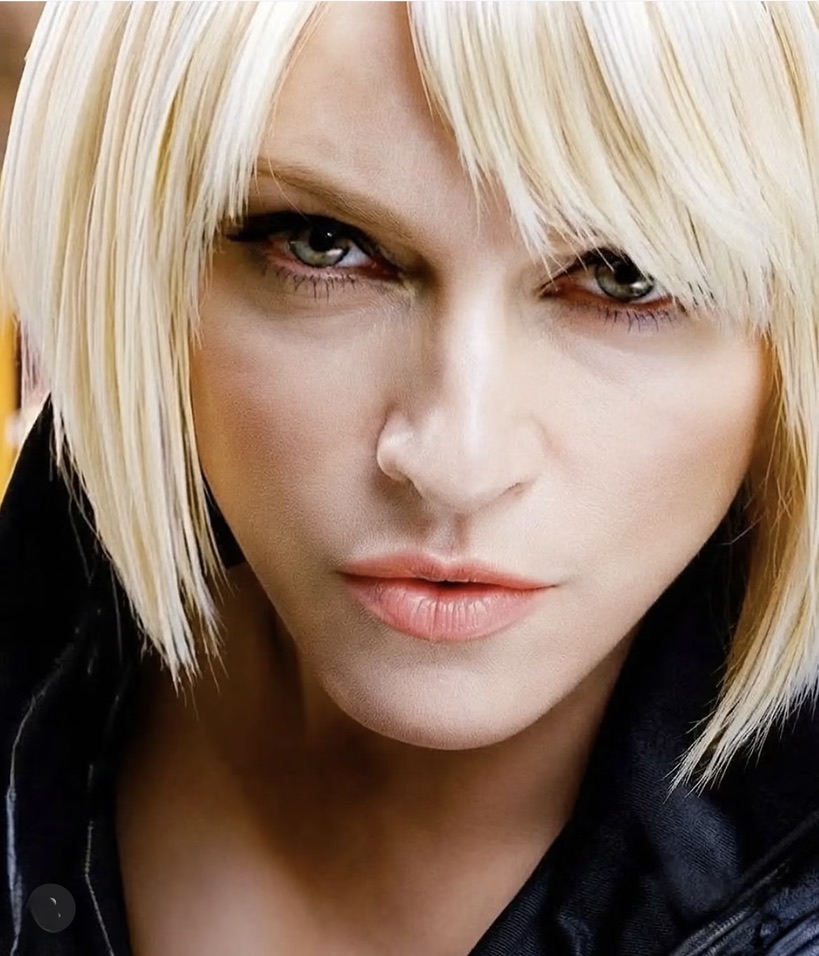
Filmed while the Confessions Tour was finishing in Japan, Jonas Åkerlund directed Madonna across locations in Tokyo and on a soundstage, surrounded by parkour performers moving across the city. Madonna appeared with the sharply cut platinum-blonde bob that briefly crossed over into the final Tokyo performances of the tour.
It remains one of the cleaner visual ideas from the Confessions period: movement without unnecessary narrative. Bodies run, climb and leap while Madonna remains the controlled centre of it all.
There is something distinctly mid-2000s about the parkour, of course, but it works because the visual is so closely connected to what the track is saying. Jump is about refusing to remain where you are simply because staying put feels safer.
What Happened Then
In Britain, Jump reached No. 9, giving Madonna another UK Top 10 track. It also reached No. 1 on the UK Dance Singles Chart and became another major dance hit from the Confessions campaign.


Its life had already extended beyond the record. Jump appeared prominently during the Confessions Tour and was also used in The Devil Wears Prada, released earlier in 2006 — a particularly neat fit for a film concerned with ambition, reinvention and deciding what success is actually worth.
The single also offered History as a previously unreleased B-side, while its remix package included interpretations by Jacques Lu Cont, Axwell and Junior Sanchez.
Twenty Years Later
What is striking about Jump two decades on is how little it depends upon the nostalgia surrounding Confessions on a Dance Floor.
The production unmistakably belongs to that record — sleek electronics, a relentless pulse and Stuart Price’s immaculate sense of forward motion — but underneath it sits one of Madonna’s recurring preoccupations: self-determination.

She has spent much of her career making records about movement. Leaving somewhere. Becoming somebody else. Refusing the identity someone has prepared for you. Starting again when remaining comfortable would be easier.
Jump reduces that philosophy to its simplest form.
At some point, you have to go.
Why It Matters
Jump may never have carried the cultural weight of Hung Up or the sheer pop immediacy of Sorry, but that is partly why it has aged so well.
It is one of the quieter triumphs of the Confessions on a Dance Floor period: a track whose optimism comes without sentimentality and whose message becomes more convincing with age.


The dance floor had always offered Madonna somewhere to escape to. With Jump, it became somewhere from which to leave.
Twenty years later, the invitation remains the same.
You just have to decide when to move.
Continue in the archive — Jump, the track · Confessions on a Dance Floor (Non-Stop Mix), the record · The Confessions Tour


Leave a Reply