Madonna’s compilation albums are more than convenient collections; they are carefully framed chapters in a career built on reinvention, control and cultural impact. From greatest hits packages to ballad collections, remix projects and career-spanning celebrations, these releases show how her catalogue can be reorganised, reinterpreted and reintroduced to new audiences. Each compilation offers a different way into Madonna’s work: the pop phenomenon, the dance-floor architect, the visual provocateur, the romantic storyteller and the restless remixer of her own history.
What makes Madonna’s compilations unique is that they rarely feel passive. They do not simply gather songs and place them neatly on a shelf. The Immaculate Collection refined her imperial 1980s rise into pop scripture, Something to Remember revealed the emotional weight of her ballads, GHV2 captured the sleek confidence of the late 1990s and early 2000s, while Celebration and Finally Enough Love reframed the catalogue through legacy, club culture and endurance. Together, they show an artist constantly editing, polishing and re-presenting her story, never quite allowing the archive to gather dust.

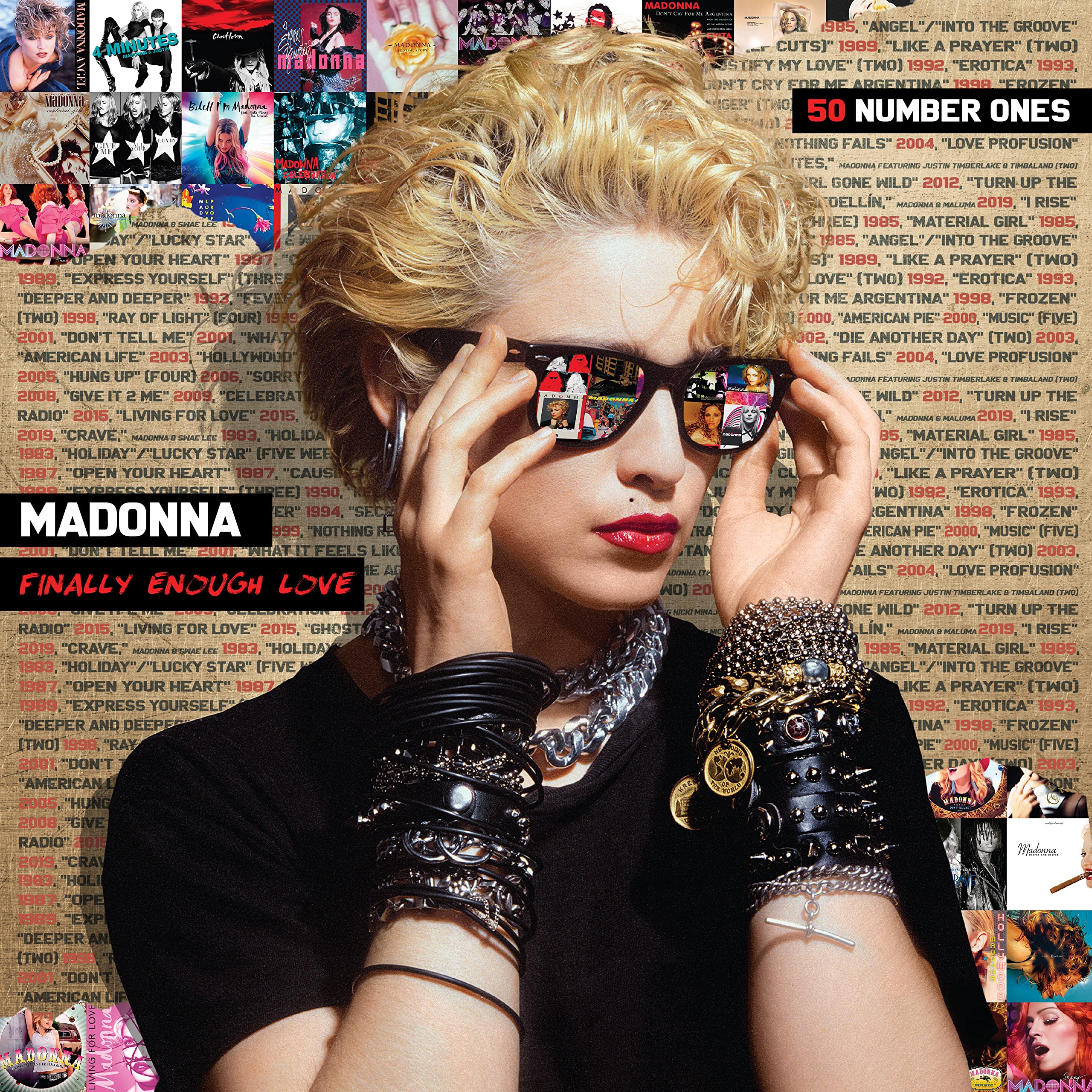
Finally Enough Love | 50 Number Ones
Finally Enough Love: 50 Number Ones reframes Madonna’s legacy through club culture. Rather than arranging her history around chart pop alone, it celebrates her record-breaking run of 50 number-one hits on Billboard’s Dance Club Songs chart. The release exists in both a shorter edition and the full 50-track version, with the physical formats released in August 2022.
This compilation matters because it restores the dance floor to the centre of Madonna’s story. From early club roots to later remixes, it shows how consistently her music has been reworked, extended and reactivated by DJs, producers and queer nightlife. Finally Enough Love is not just a hits package; it is a reminder that Madonna’s catalogue has always had a second life after dark, where songs mutate, bodies answer back, and pop becomes ritual.
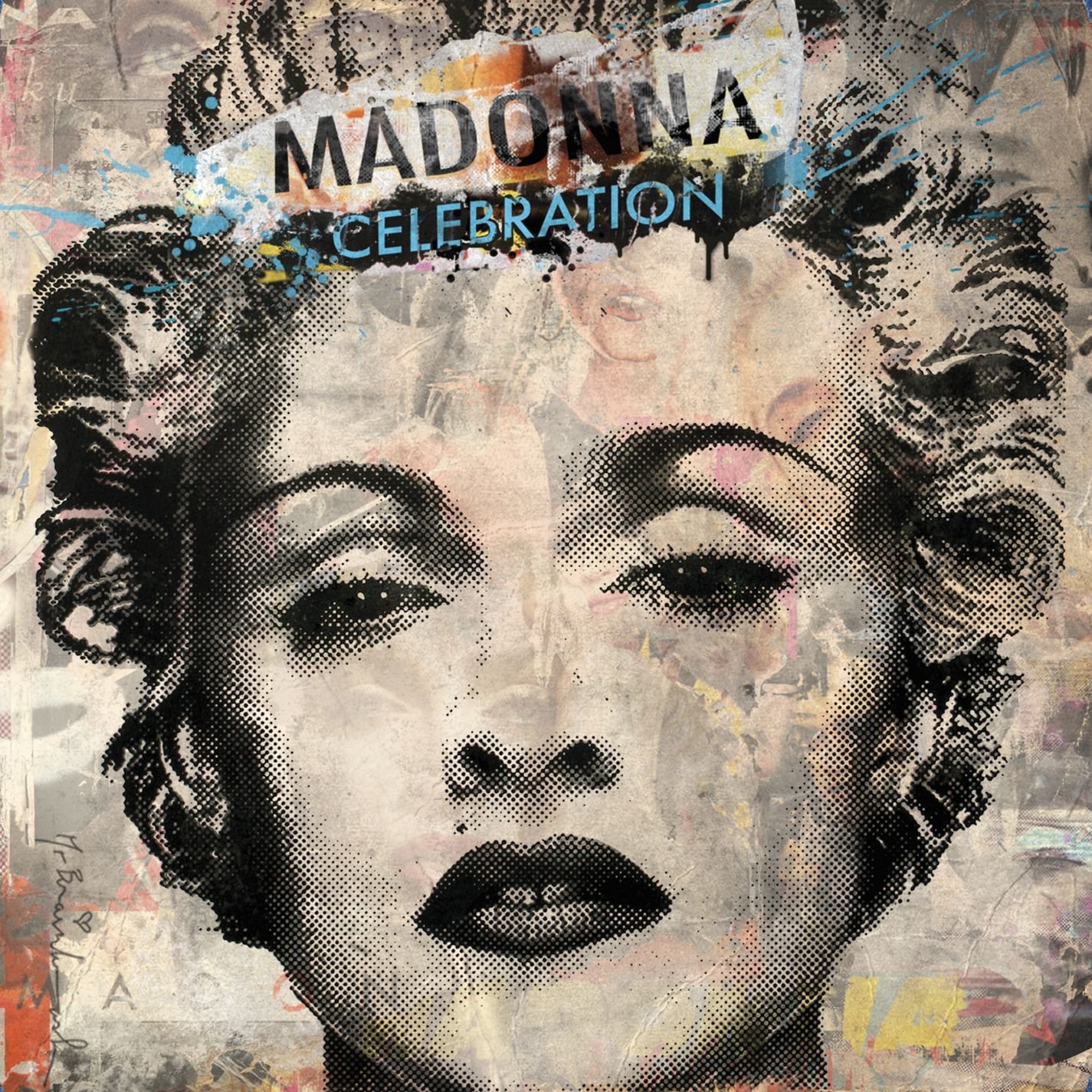
Celebration
Celebration is Madonna’s broadest traditional greatest hits collection, designed as a panoramic sweep across her Warner years. It moves from the early 1980s through to the end of the 2000s, placing era beside era, persona beside persona, hit beside hit. The result is less intimate than Something to Remember and less sharply defined than The Immaculate Collection, but deliberately larger in scale.
As a title, Celebration knows exactly what it is doing. This is Madonna as pop institution, with the catalogue presented as a living party rather than a museum exhibit. It brings together the dance hits, the provocations, the ballads and the reinventions in one glittering archive-room: not always subtle, but undeniably effective as a statement of endurance.


GHVII
GHV2 captures Madonna in the sleek, experimental afterglow of the 1990s and early 2000s. Covering the period after The Immaculate Collection, it moves through Erotica, Bedtime Stories, Ray of Light and Music, gathering songs from a decade in which Madonna became more electronic, more introspective and more sonically adventurous. It is less about introduction and more about transformation.
Unlike The Immaculate Collection, GHV2 does not try to tidy Madonna into one simple narrative. Its strength is its tension: sexuality, spirituality, club culture, motherhood, fame and reinvention all pressing against one another. It shows Madonna in motion, shifting from controversy to contemplation, from R&B textures to William Orbit’s electronic luminosity and the futuristic minimalism of Music.
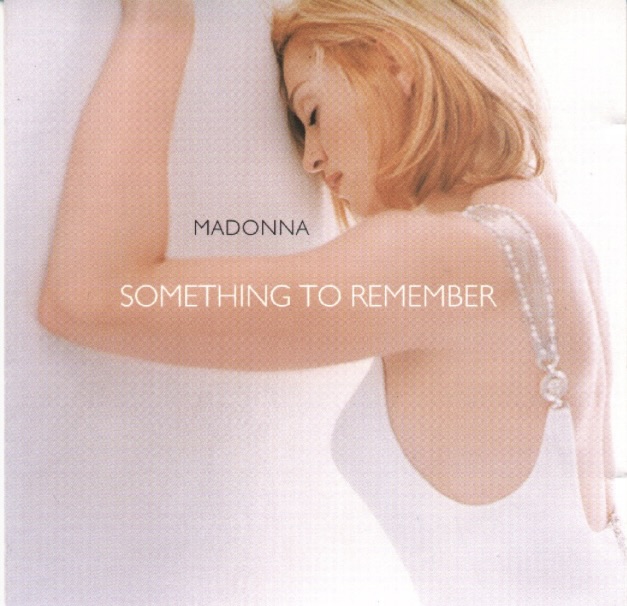
Something to Remember
Something to Remember reframes Madonna through intimacy rather than spectacle. Released after one of the most controversial and visually confrontational periods of her career, the album gathers her ballads and softer material, asking listeners to hear the emotional architecture beneath the image. It is Madonna stepping away from provocation’s glare and allowing melody, vulnerability and vocal character to take the foreground.
What makes the collection so effective is its change of temperature. Songs such as Live to Tell, Rain, Take a Bow and This Used to Be My Playground reveal a Madonna concerned with memory, loss, longing and reflection. The album does not deny the performer, the provocateur or the icon; it simply turns the lighting down and lets the emotional residue speak.


The Holiday Collection
The Holiday Collection works more like a companion piece than a grand statement. Built around the enduring appeal of Holiday, it gathers key early tracks that helped define Madonna’s first wave of dance-pop success. Smaller in scale than The Immaculate Collection, it still has its own place in the archive because it focuses attention on the bright, club-rooted energy of Madonna’s early years.
The collection captures the moment before Madonna’s reinventions became vast theatrical projects. Here, the emphasis is on rhythm, immediacy and charm: the sound of an artist moving from New York dance floors into international pop consciousness. It may not have the sweeping authority of her larger compilations, but it preserves an important early pulse in the Madonna story.
The Immaculate Collection
The Immaculate Collection is Madonna’s first great act of self-curation. Released at the close of her imperial 1980s run, it gathers the singles that made her a global pop force and presents them with a clarity, polish and confidence that feels almost architectural. Rather than simply collecting hits, the album refines an entire decade into one definitive statement: Madonna as provocateur, pop strategist, dance-floor sovereign and visual icon.
Its power lies in how complete it feels. From early club-pop breakthroughs to the cultural force of Like a Prayer and the cinematic glamour of Vogue, The Immaculate Collection turns Madonna’s rise into a tightly edited pop mythology. It is both gateway and monument: the album that introduces new listeners to the essential Madonna while reminding long-term fans how swiftly she reshaped the rules.

Together, Madonna’s compilation albums reveal an artist who understands that legacy is never fixed. Each collection reshapes the catalogue from a different angle: the definitive pop ascent of The Immaculate Collection, the early dance-floor brightness of The Holiday Collection, the emotional intimacy of Something to Remember, the restless transformation of GHV2, the panoramic sweep of Celebration and the club-culture triumph of Finally Enough Love. These albums are not simply summaries of what came before; they are acts of re-editing, reframing and renewal, proof that Madonna’s archive continues to move, glitter and argue with itself.