Album
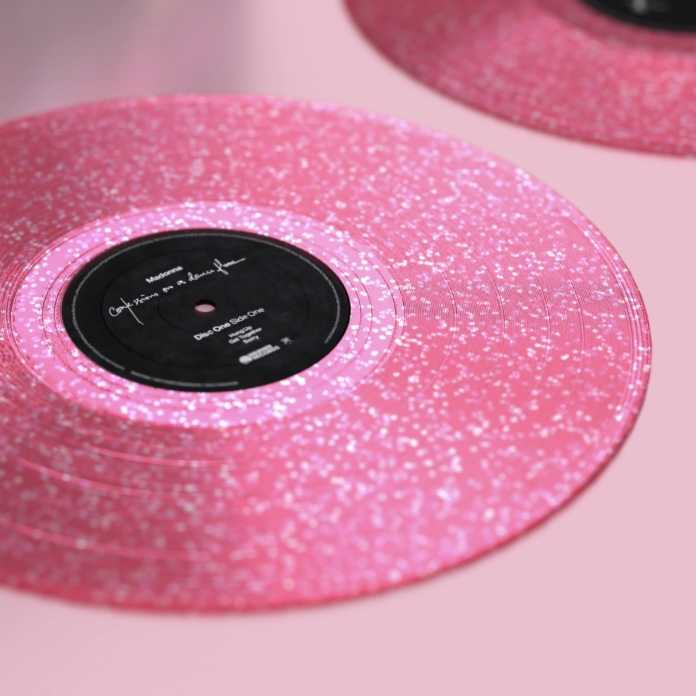
Released in 2005, Confessions on a Dance Floor marked one of Madonna’s most complete and exhilarating reinventions. Returning fully to the pulse of dance music, the album unfolds as a continuous club journey, blending disco, electro-pop, house and European synth influences into one seamless rush of sound. Produced largely with Stuart Price, it strips away excess and heads straight for the body: hypnotic, euphoric, precise and emotionally charged. This is Madonna at her most aerodynamic, transforming the dance floor into a place of escape, confession, memory and release.
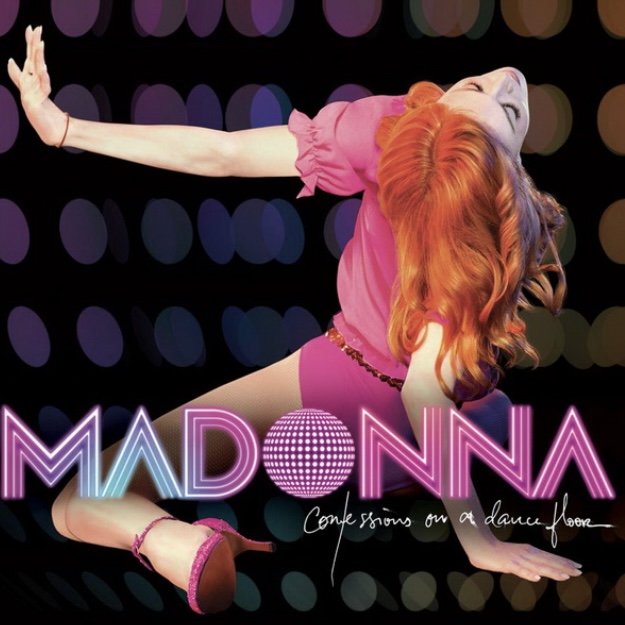
Confessions on a Dance Floor
11 Nov 2005
Madonna, Stuart Price (aka Jacques Lu Cont), Mirwais Ahmadzaï, Bloodshy & Avant
Interscope/ Live Nation
Track list
- Hung Up
- Get Together
- Sorry
- Future Lovers
- I Love New York
- Let It Will Be
- Forbidden Love
- Jump
- How High
- Isaac
- Push
- Like It or Not
More than a comeback, Confessions on a Dance Floor became a statement of control, clarity and renewed cultural force. It reconnected Madonna with the communal power of dance music while proving that reinvention did not require abandoning the past, only recharging it. The album remains one of her most unified works: glamorous but disciplined, nostalgic but futuristic, devotional but physical. Every beat leads somewhere. Every transition keeps moving. By the final pulse, Madonna has turned the club into a cathedral of sweat, light and self-recognition.
Singles
The singles from Confessions on a Dance Floor carried the album’s momentum beyond the club and into the wider pop landscape. Each release opened a different door into the project: the glittering immediacy of Hung Up, the sharp emotional charge of Sorry, the sleek melancholy of Get Together, and the reflective release of Jump.
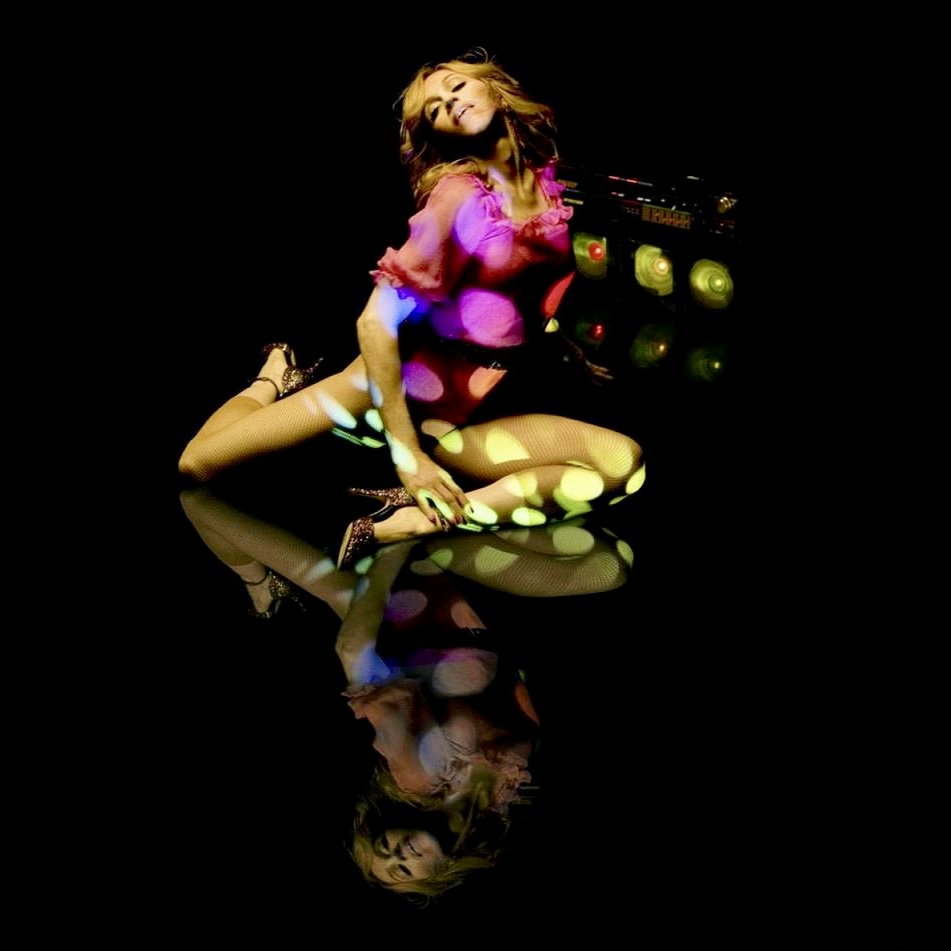
Together, they presented the album not as a collection of isolated tracks, but as a fully realised era: one built on movement, memory, desire and escape.


Across its singles, Confessions on a Dance Floor showed how dance music could be both instant and layered. These were songs made for radio, clubs, videos and stadiums, but they also carried Madonna’s familiar themes of survival, longing, freedom and self-definition. From the ABBA-sampling rush of Hung Up to the forward motion of Jump, the singles gave the album its public face while preserving its deeper emotional architecture. They did not simply promote the record; they extended its spell.
Beyond the official singles, Confessions on a Dance Floor also generated a small but fascinating group of bonus tracks that extended the album’s neon-lit world. Super Pop and Fighting Spirit sit just outside the main sequence, but they carry the same pulse: glossy, defiant, club-driven and sharply aware of Madonna’s own mythology. They are not conventional singles, but they feel like hidden doors into the era, offering extra flashes of attitude, survival and dance-floor self-belief.

Super Pop plays with the idea of Madonna as both pop star and pop object, turning fame, image and cultural power into something bright, synthetic and knowingly exaggerated. It has the glittery arrogance of the Confessions era at full beam: part club track, part manifesto, part wink from inside the machinery of pop itself. As a bonus track, it works almost like a coded extra chapter, less essential to the album’s emotional arc, but completely at home in its mirrored, high-voltage universe.
Fighting Spirit brings a tougher emotional charge to the Confessions period. Where much of the album flows as one continuous dance-floor journey, this track has a more direct sense of resilience and forward motion. It feels like Madonna using the language of club music not only for pleasure, but for recovery, stamina and self-renewal. As a companion piece, it sharpens the era’s central idea: dancing is not escape alone, it is survival with better lighting.
Visuals
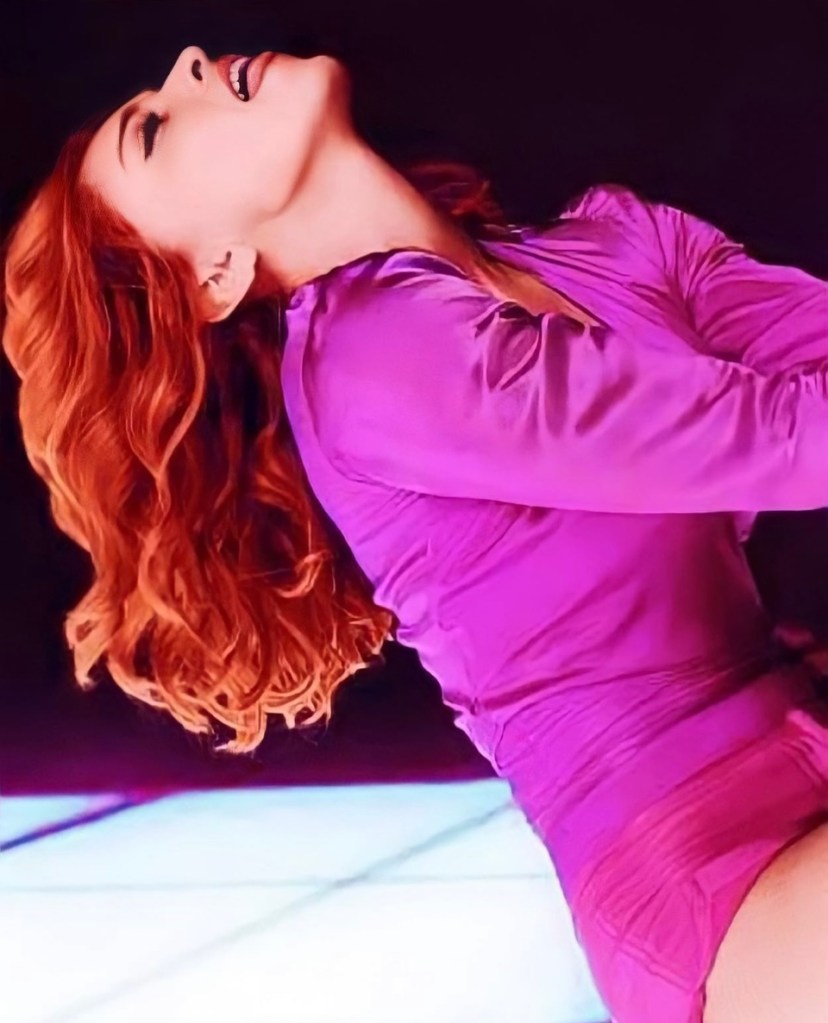
Confessions on a Dance Floor created one of Madonna’s most recognisable modern identities. The era drew on disco, roller-rink glamour, leotards, mirrored light, saturated colour and athletic choreography, but filtered everything through a sleek 21st-century lens.
Madonna’s image was bold, physical and commanding: part dance-floor priestess, part fitness icon, part cosmic disco survivor. The visuals matched the album’s sound perfectly, turning movement itself into the central language of the era.
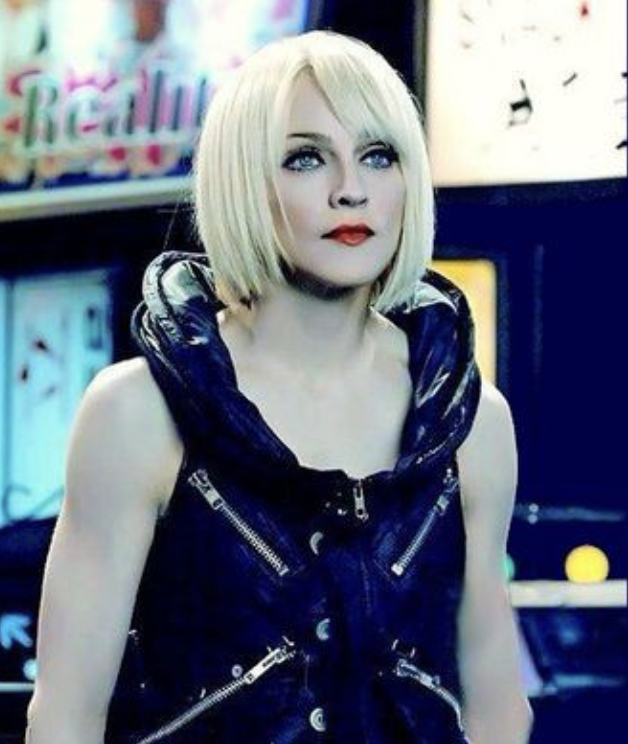
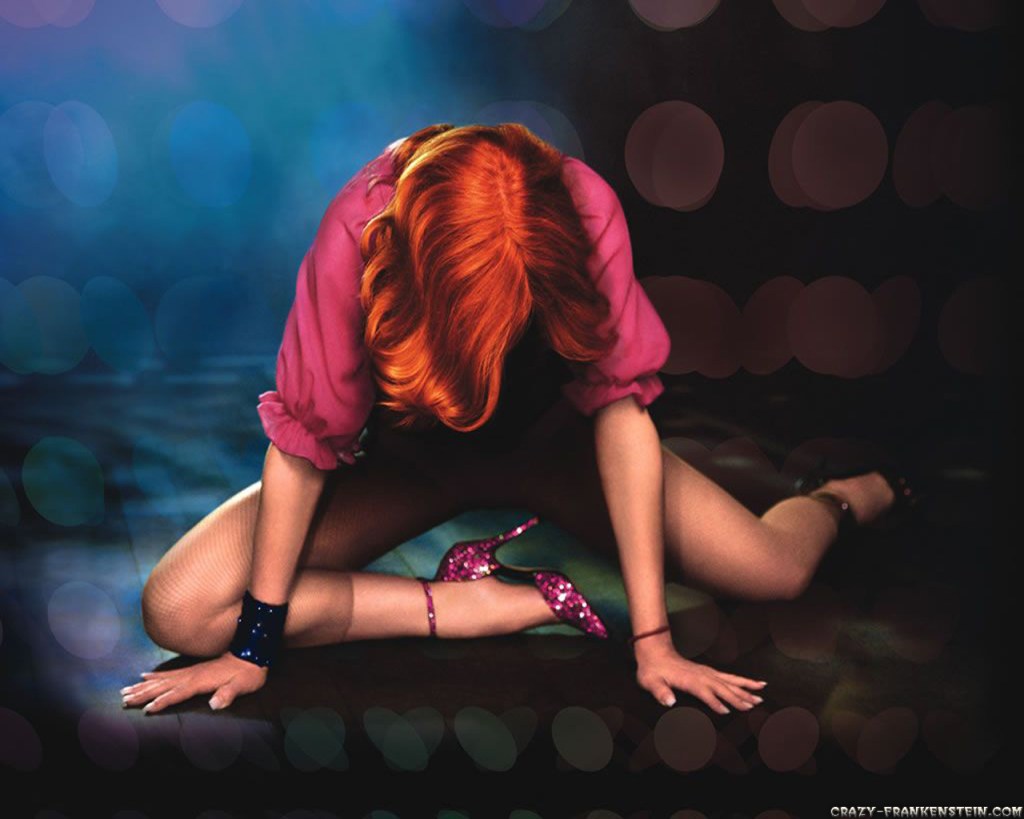
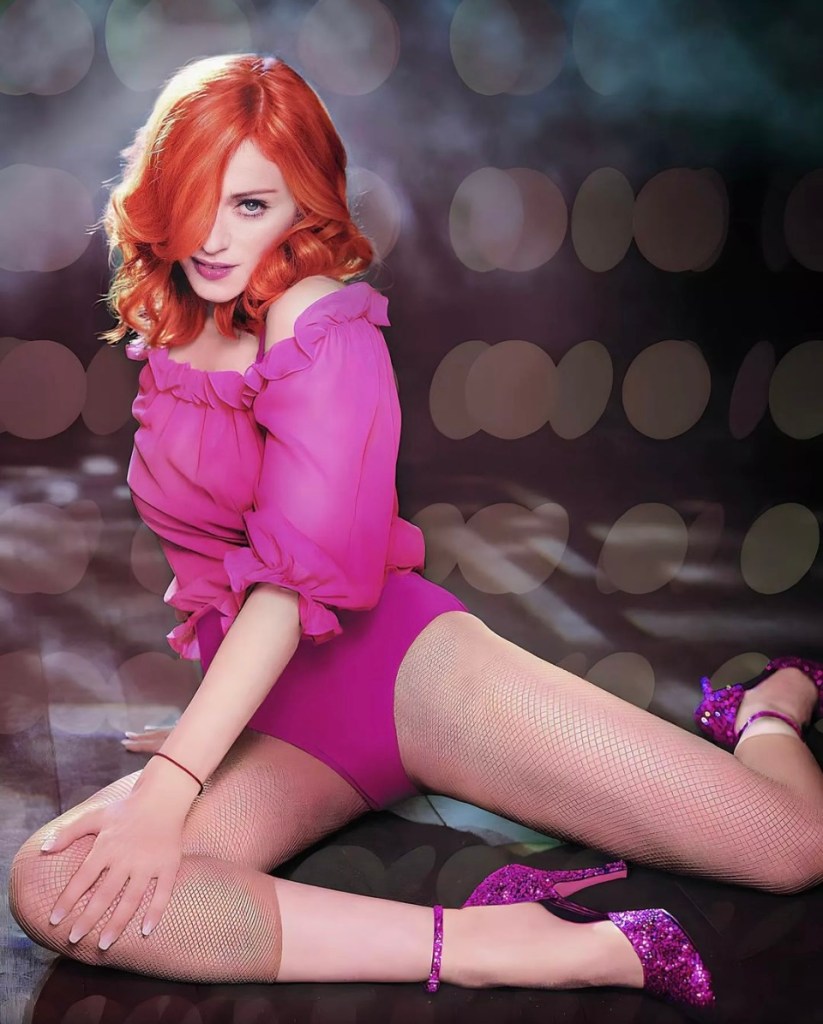
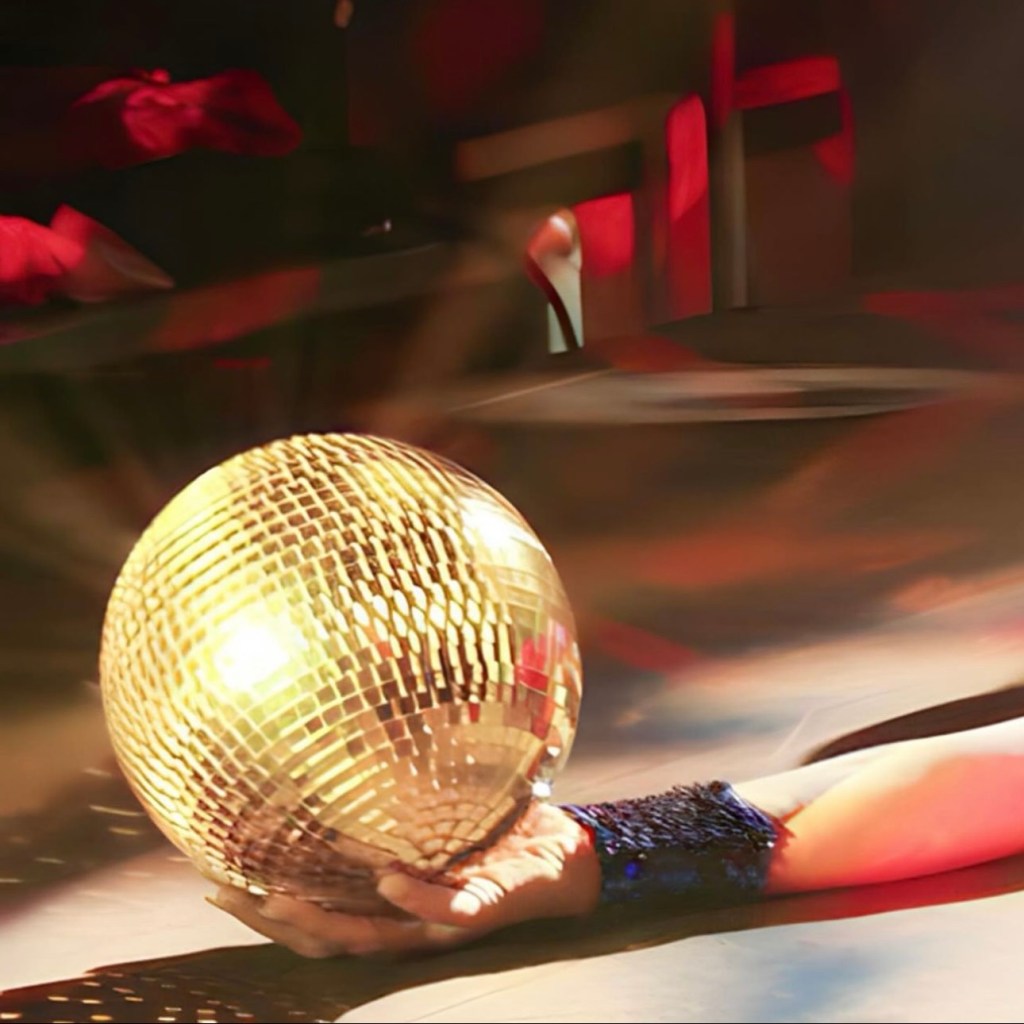
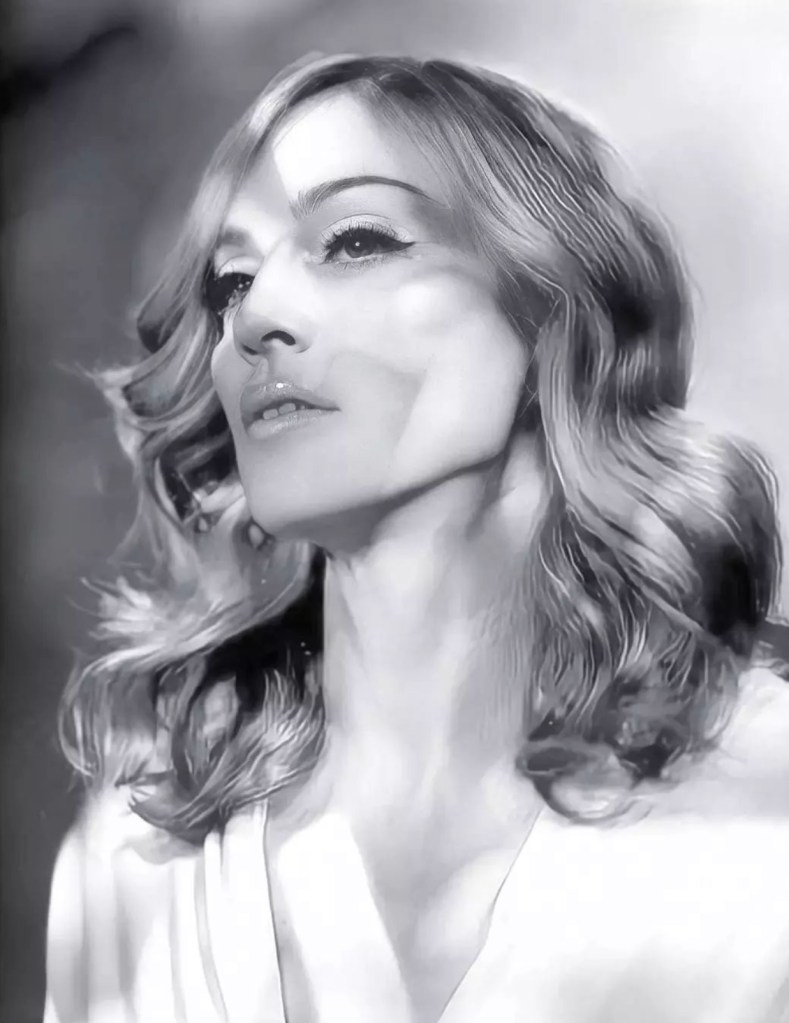
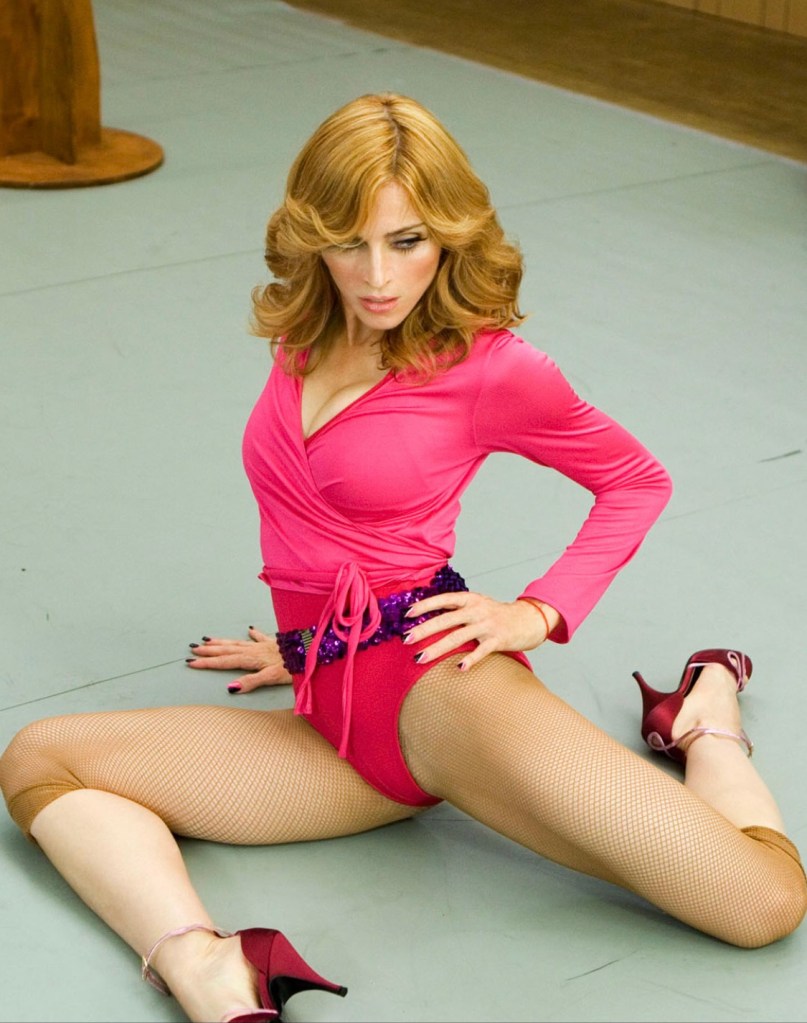
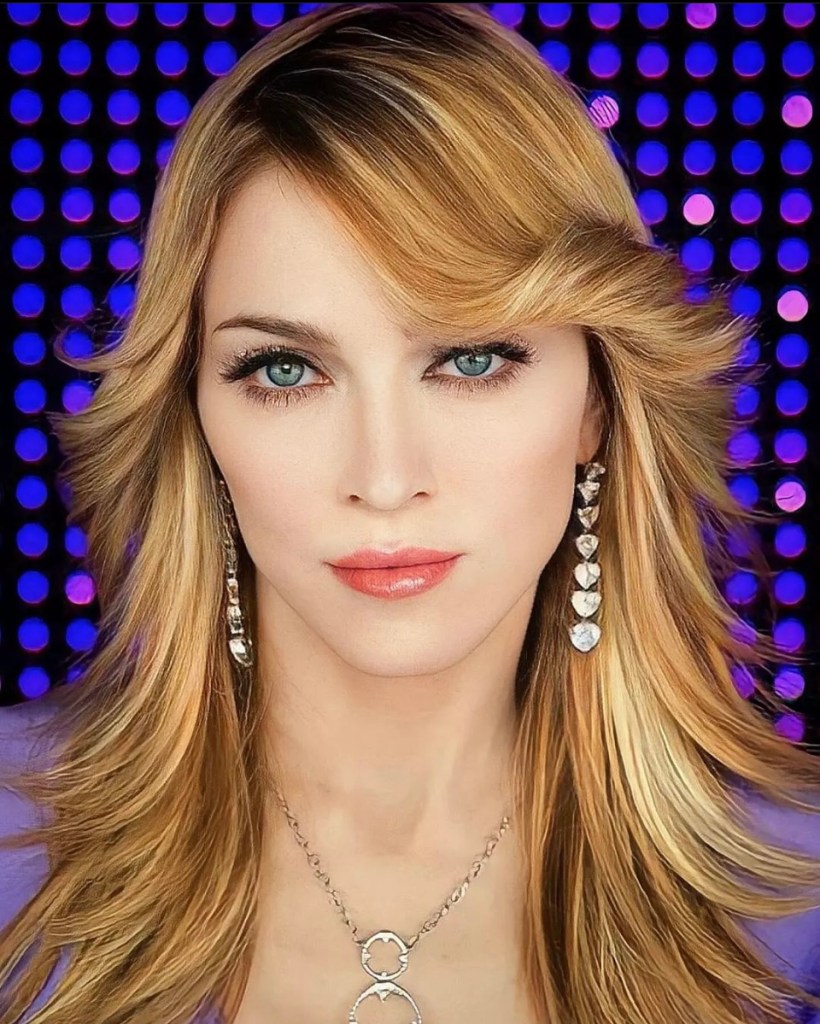
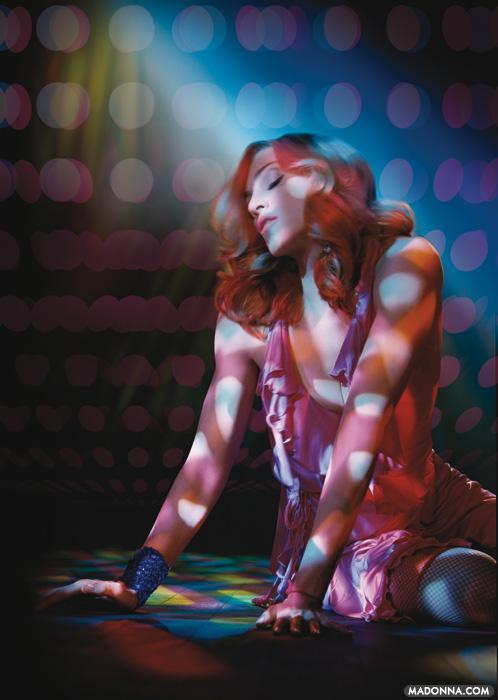
The visual world of Confessions on a Dance Floor remains powerful because it is so focused. Nothing feels accidental: the hair, the choreography, the typography, the lighting, the costumes and the stage language all belong to the same universe. It is an era of bodies in motion, chrome reflections, neon shadows and disciplined spectacle. Madonna understood that the album needed to be seen as much as heard, and its visuals helped define the project as one of her sharpest fusions of music, image and performance.
 Madonna