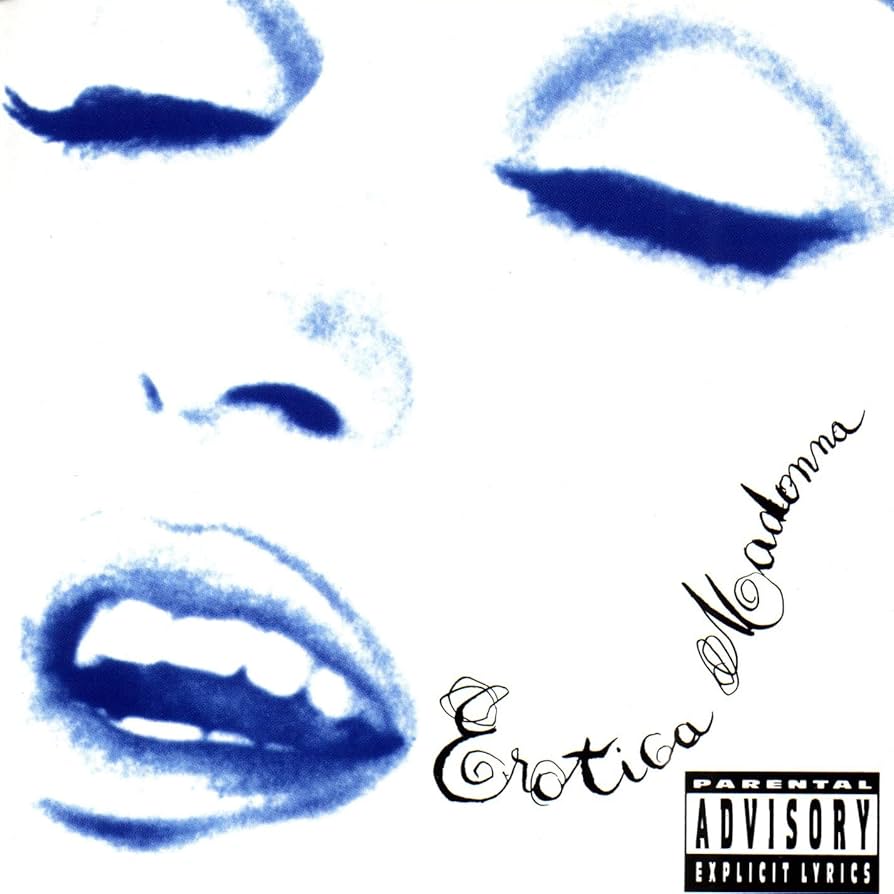
Album
Released in 1992, Erotica is one of Madonna’s boldest, darkest and most culturally charged albums. Created alongside the release of her Sex book, the record arrived in a storm of controversy, but beneath the provocation sits one of her most sophisticated bodies of work. Working with producers including Shep Pettibone and André Betts, Madonna fused house, deep groove, hip-hop textures, jazz, soul and spoken-word cool into a shadowy exploration of desire, power, grief, shame and control. Erotica is not simply about sex. It is about what sex reveals: vulnerability, performance, fear, fantasy, loneliness and the bruised politics of being seen.
Erotica
20 October 1992
Madonna, Shep Pettibone, André Betts
Maverick / Shire Records
Track list
- Erotica
- Fever
- Bye Bye Baby
- Deeper and Deeper
- Where Life Begins
- Bad Girl
- Waiting
- Thief of Hearts
- Words
- Rain
- Why’s it so Hard
- In this Life
- Secret Garden
Erotica remains one of Madonna’s most important albums because it refused to make desire polite. It challenged the listener to sit with discomfort, ambiguity and contradiction, placing pleasure beside pain, intimacy beside distance, and liberation beside judgement. Over time, the record has come to feel less like scandal and more like prophecy: a work about identity, visibility, consent, fantasy, queerness, surveillance and the public punishment of female sexual autonomy. Erotica is Madonna at her most fearless and forensic. It does not ask to be liked. It asks to be understood, and then turns the light directly on the person doing the looking.
Singles
The singles from Erotica carried the album’s themes into public view with striking range. Erotica introduced the era through the persona of Dita, a cool, commanding figure who turned seduction into theatre and control into language.
Deeper and Deeper brought the dance floor back into focus, blending house euphoria with emotional release and coded self-discovery. Bad Girl exposed the cost of glamour and self-destruction, while Fever reworked a standard through smoky club minimalism. Rain offered tenderness and cleansing after the album’s darker rooms, and Bye Bye Baby closed the singles run with clipped detachment and acid-tongued rejection.
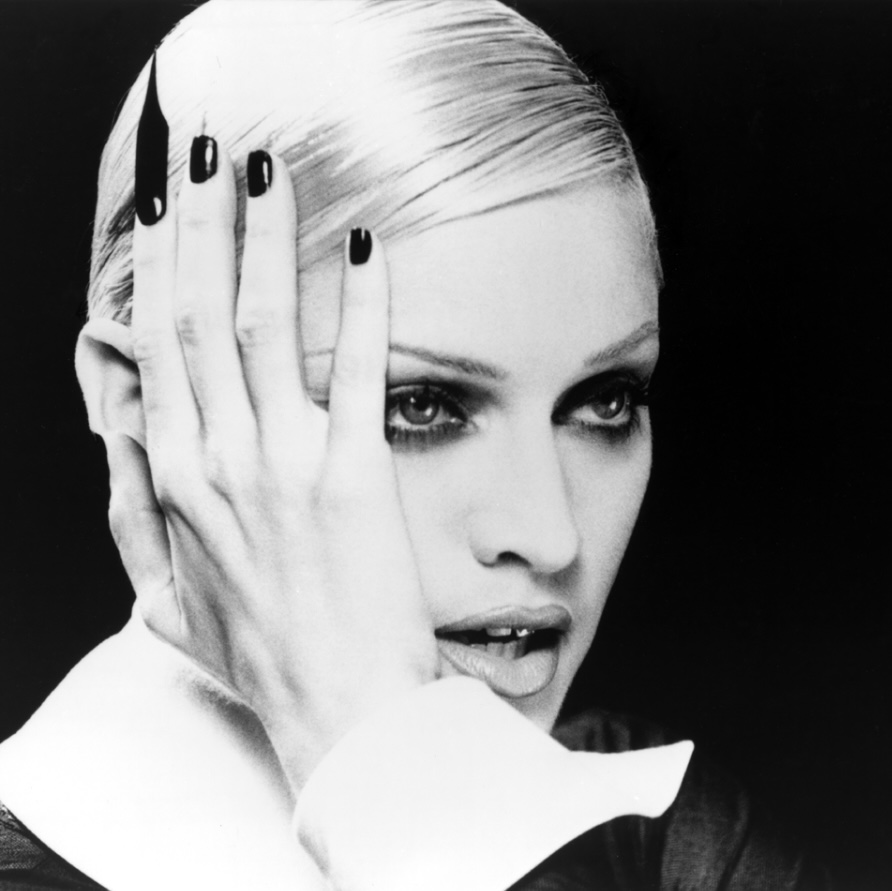
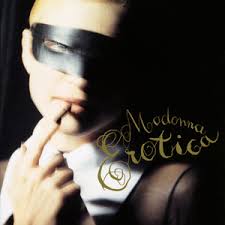
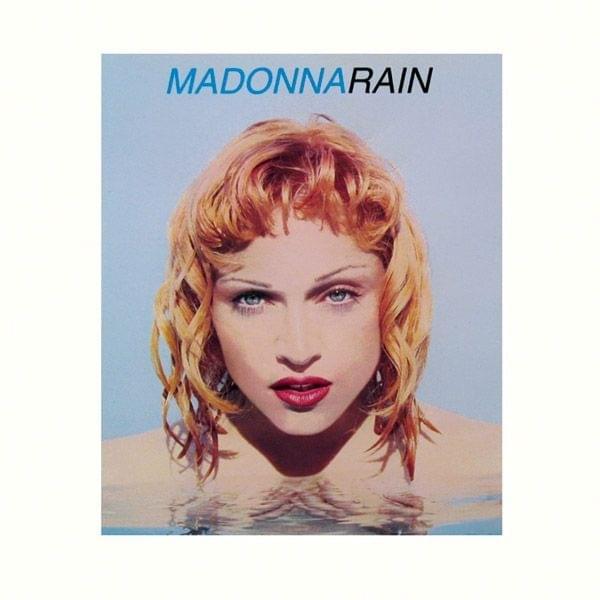
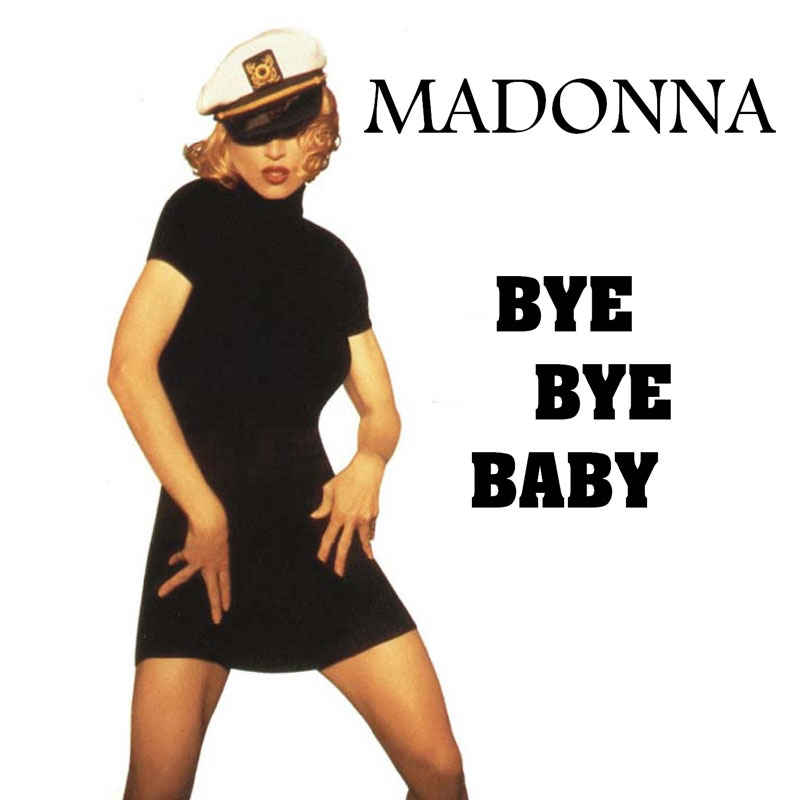
Across its singles, Erotica revealed the album’s full architecture: erotic power, dance-floor confession, emotional collapse, stylised cool, romantic yearning and final dismissal. The campaign was more complex than its reputation often allows. These were not merely shock tactics or provocative images attached to songs; they were different entrances into the same psychological maze. Erotica showed Madonna using the single format to test how much pop could hold: desire, grief, role-play, punishment, vulnerability and wit, all moving under a low ceiling of cigarette smoke and bass.
Visuals
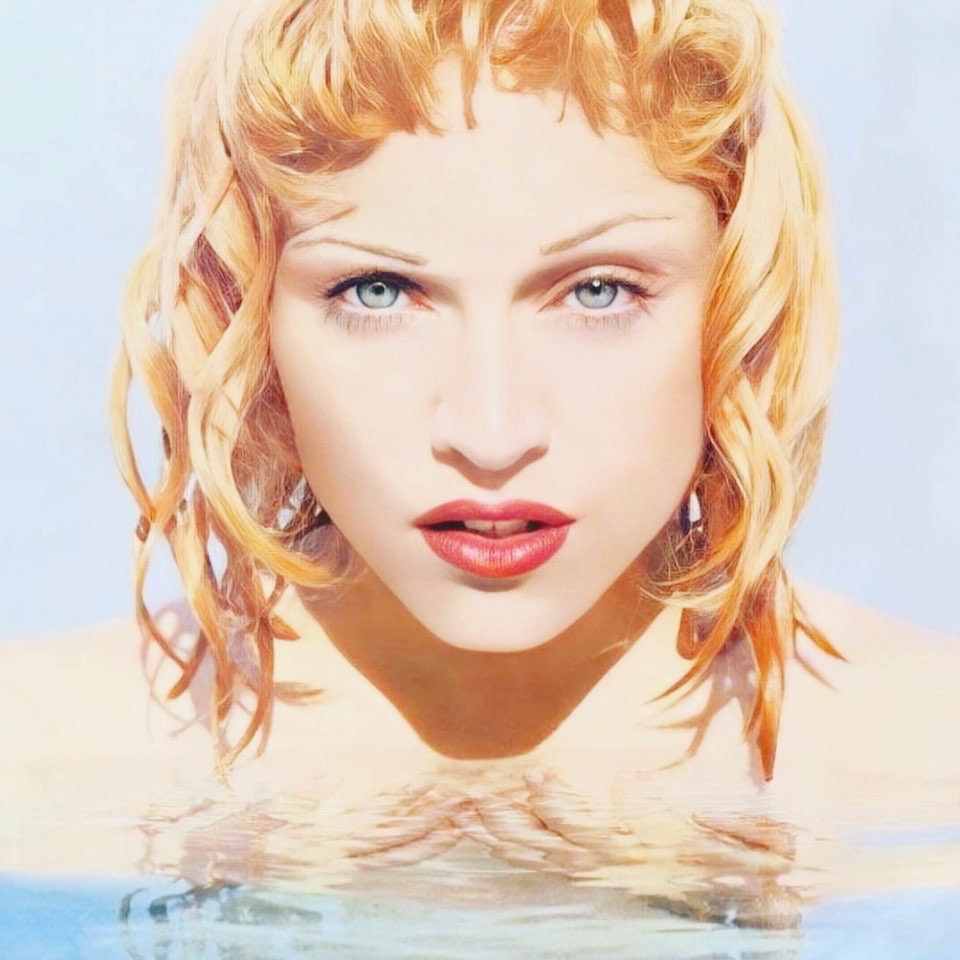
Visually, Erotica created one of Madonna’s most iconic and confrontational identities. The era drew on bondage imagery, old Hollywood decadence, queer nightlife, underground club culture, soft pornography, fashion editorial cool and the severe glamour of the Dita persona. Black leather, gold tooth, cropped hair, masks, chains, cigarette smoke and monochrome styling became part of a visual language built around exposure and control.
Madonna was not simply presenting herself as an object of desire. She was directing the gaze, editing the fantasy and deciding when the curtain dropped.
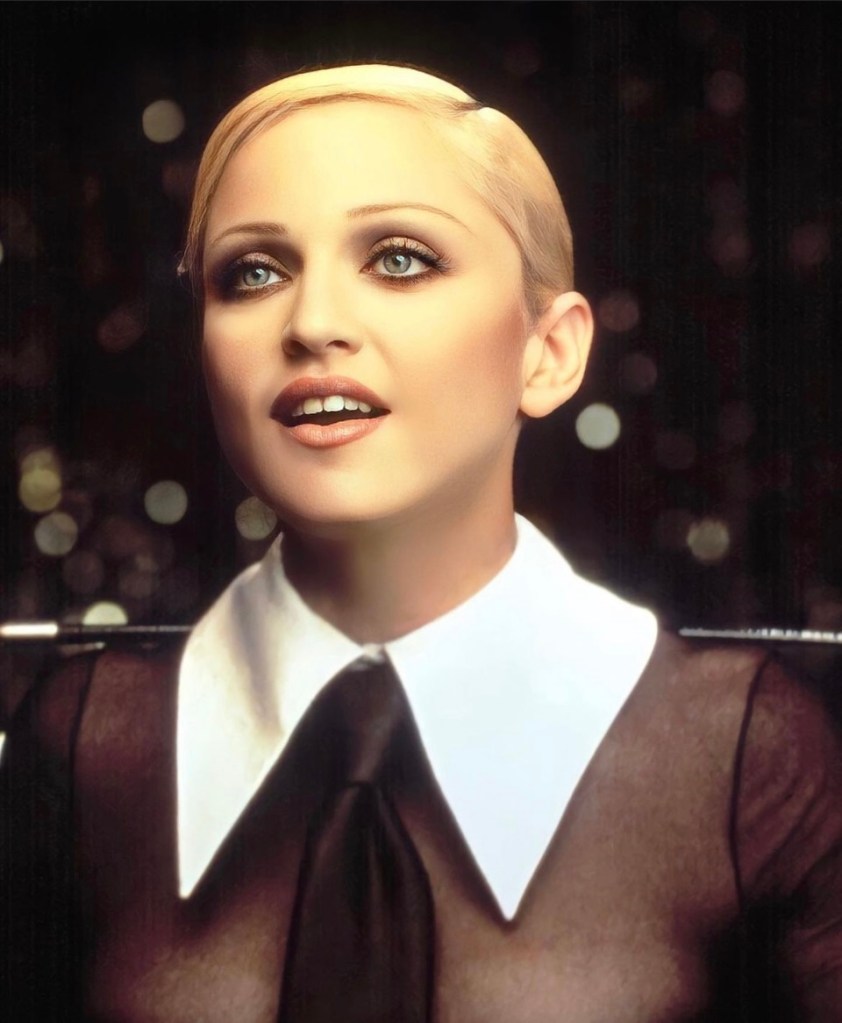
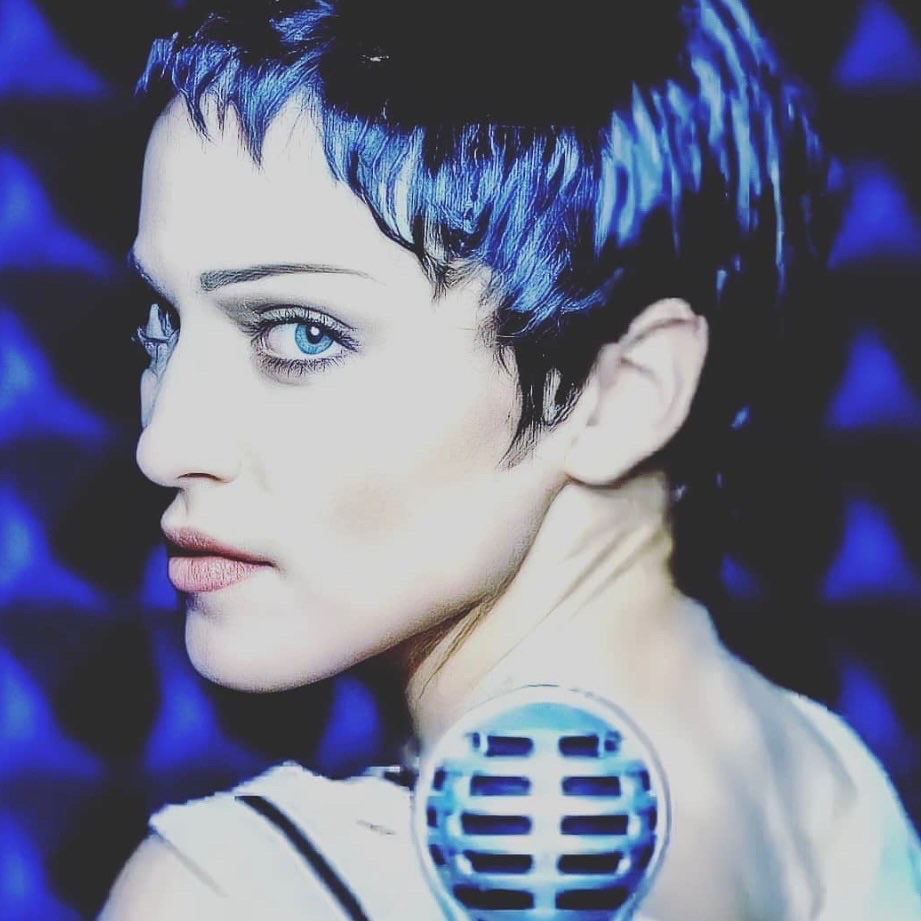
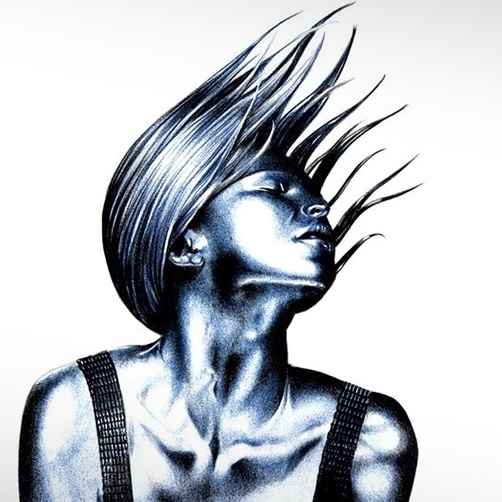
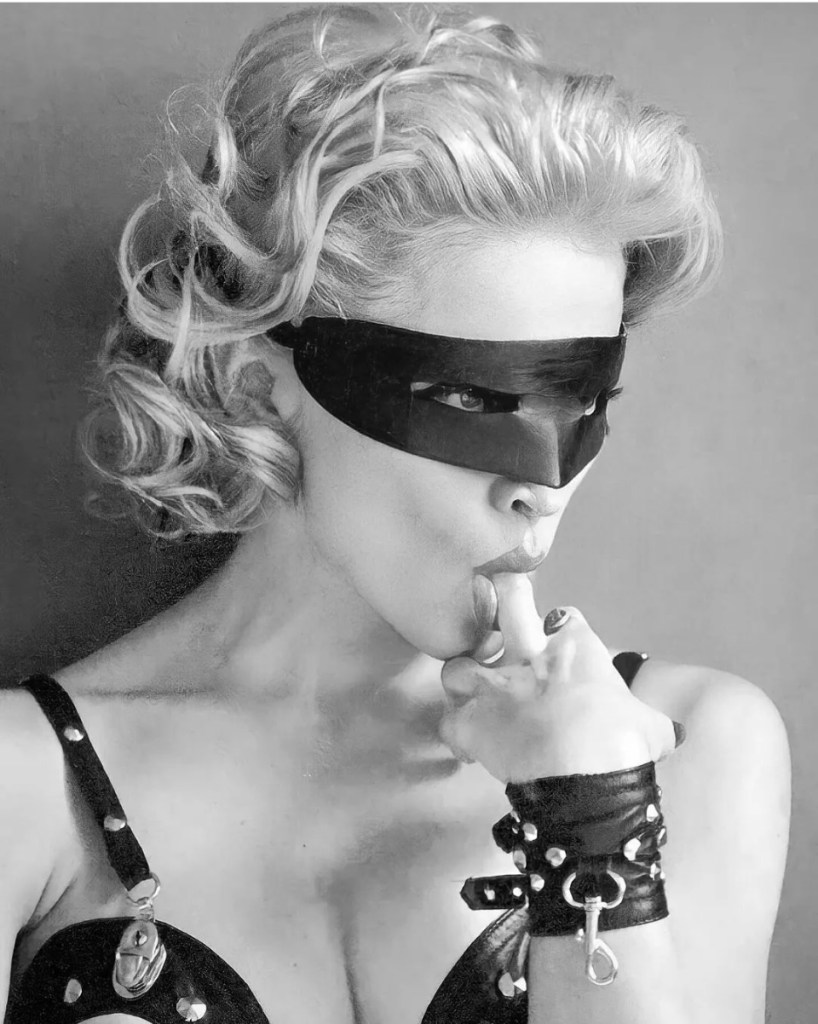
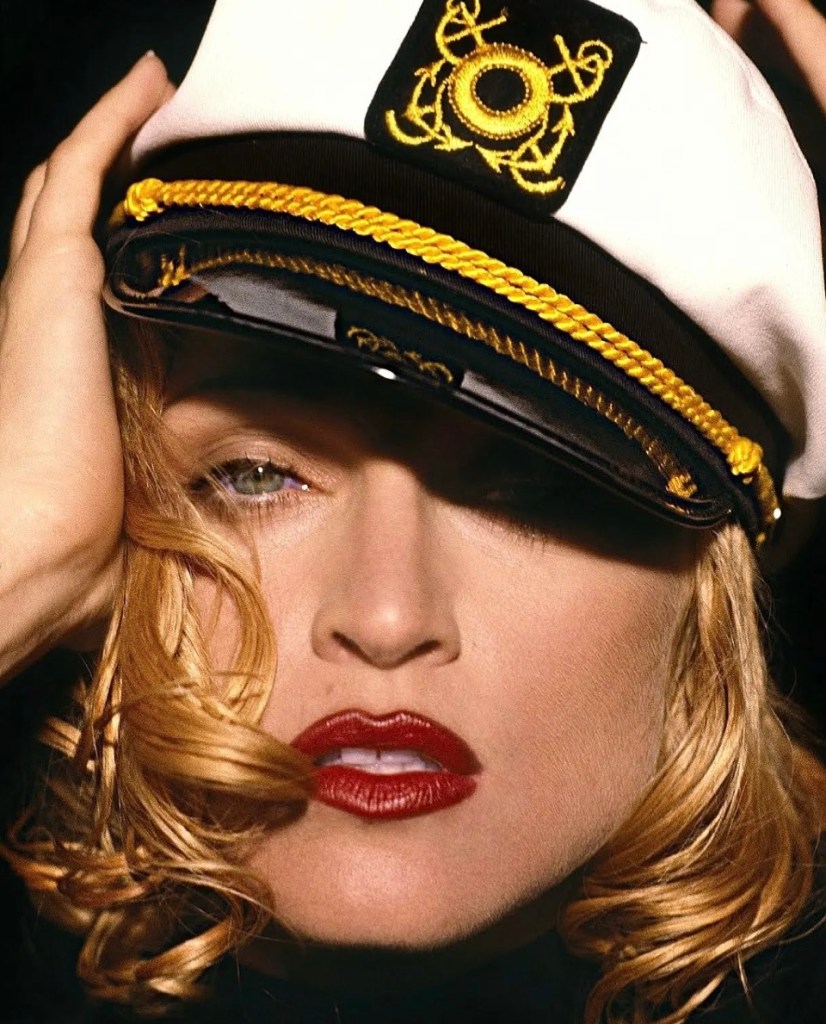
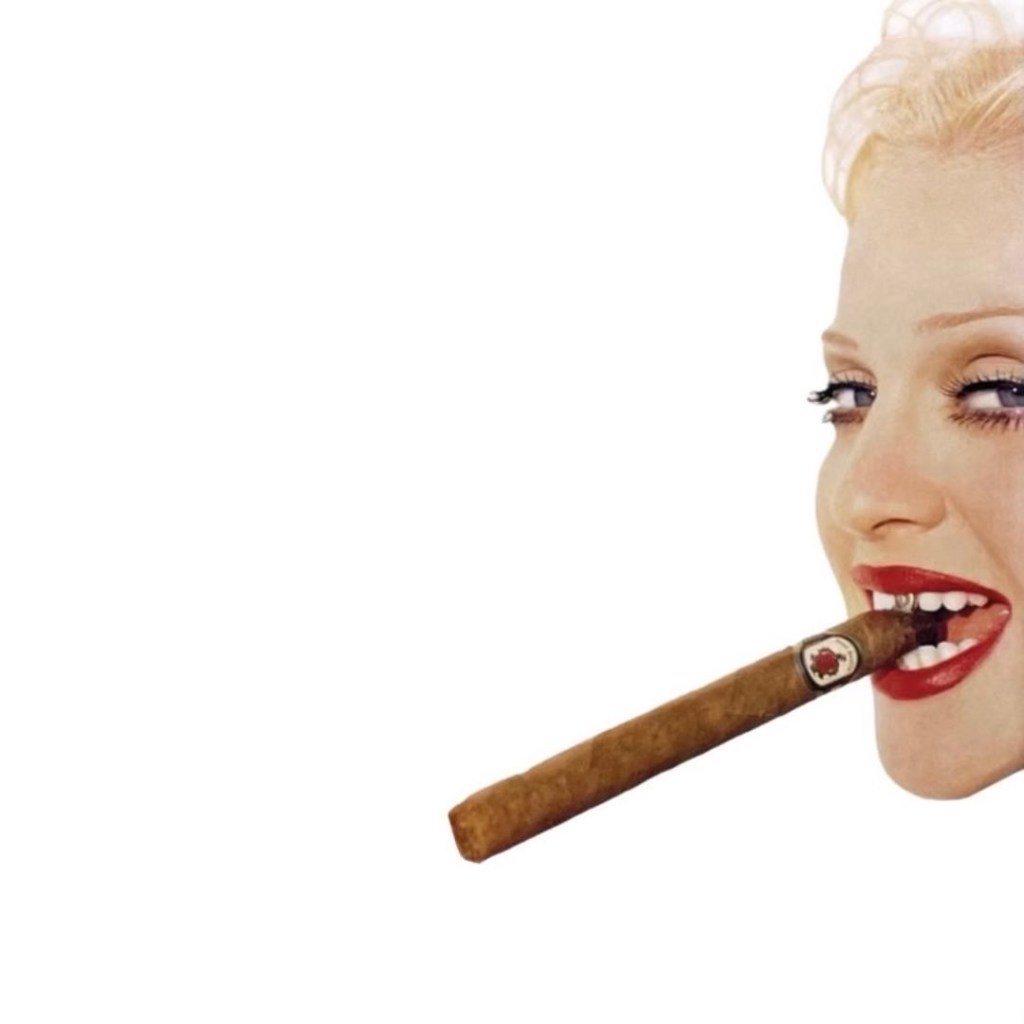
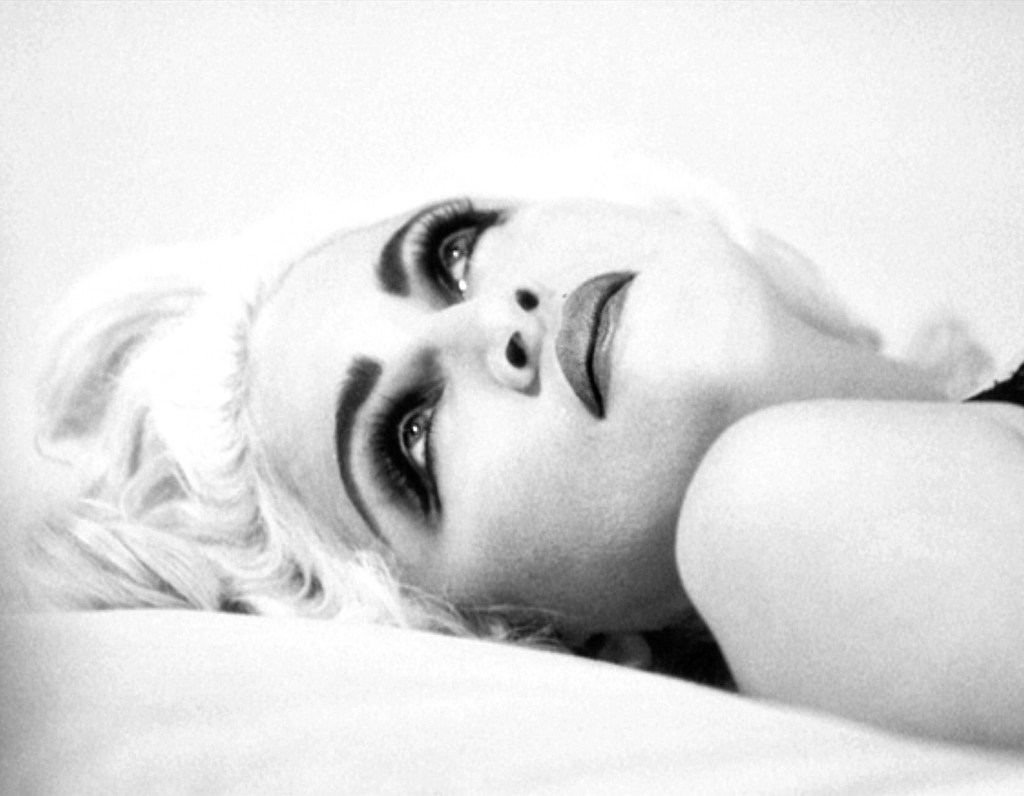
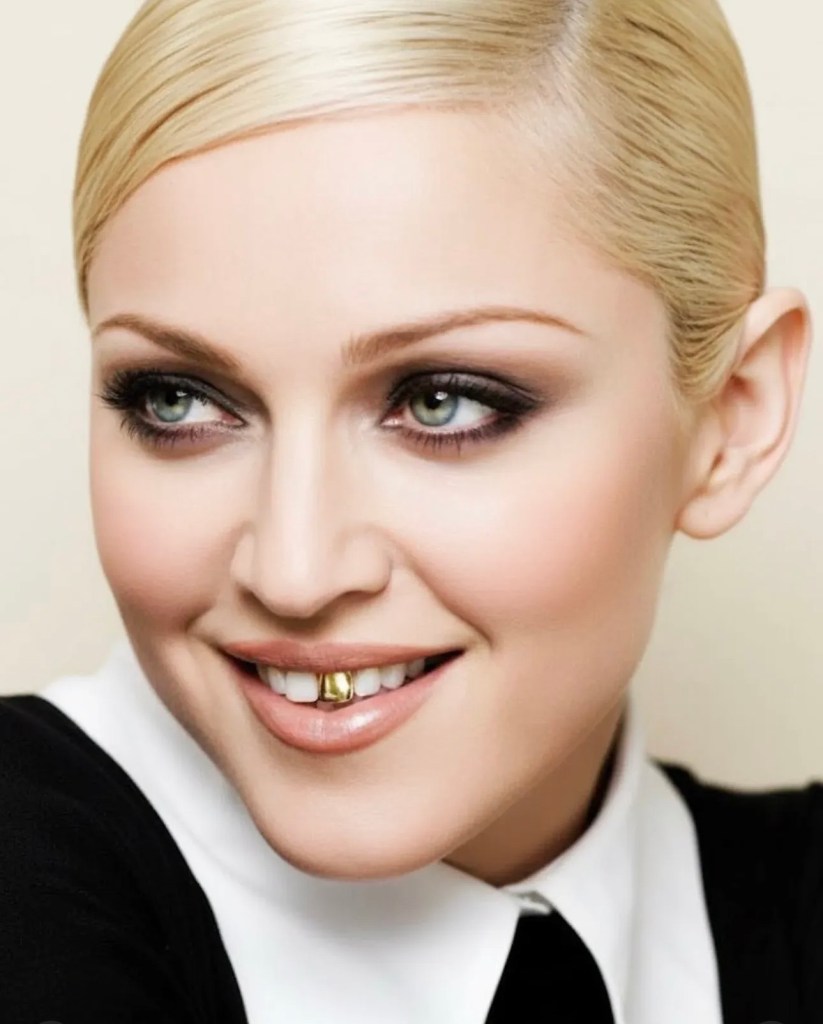
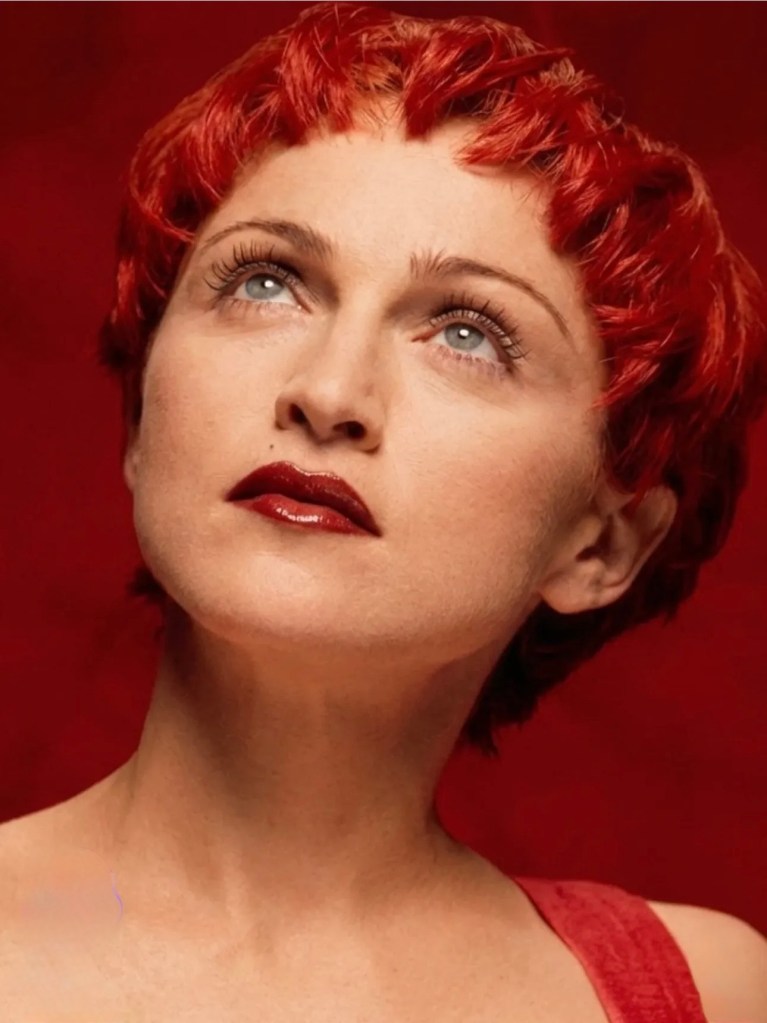
The visual world of Erotica remains extraordinary because it refuses separation between art, image, body and argument. The videos, photography, performances and Sex book all formed one provocative ecosystem, each part deepening the era’s questions about voyeurism, fantasy, shame and freedom. Yet beneath the leather and flashbulbs sits real emotional intelligence. Erotica looks cold until you notice how wounded it is. It looks decadent until you recognise its discipline. In this era, Madonna did not just reinvent herself. She built a mirror-lined room, invited the culture inside, and locked the door behind it.
Designed with WordPress
 Madonna