Album
Released in 1989, Like a Prayer marks the point where Madonna’s pop dominance became something deeper, riskier and more emotionally authored. Blending gospel, funk, rock, dance-pop and confessional balladry, the album moves through faith, desire, grief, family, marriage and self-definition with remarkable confidence. Working with Patrick Leonard, Stephen Bray and Prince, Madonna created a record that feels both grand and intimate: a pop cathedral built from memory, provocation and emotional truth.
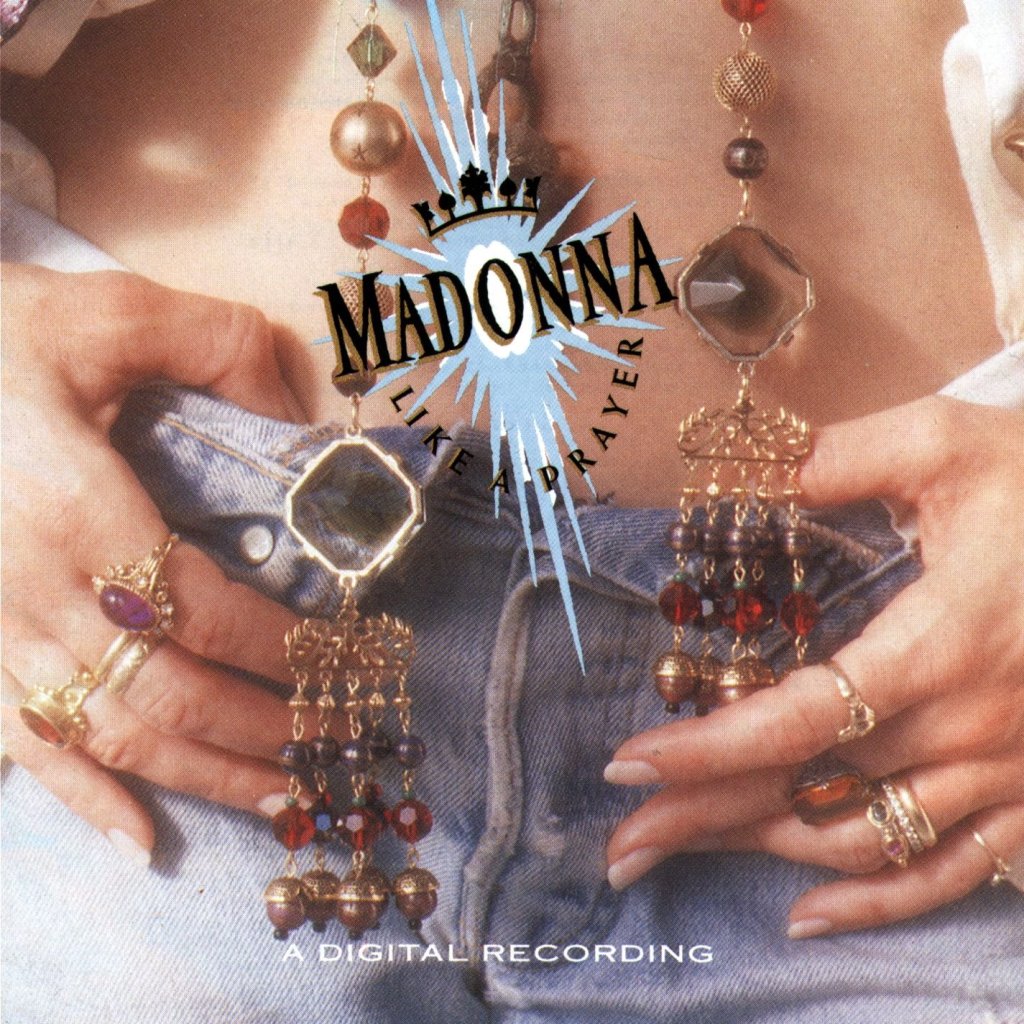
Like a Prayer
21 March 1998
Madonna, Patrick Leonard, Stephen Bray and Prince
Warner Bros. / Shire Records
Track list
- Like a Prayer
- Express Yourself
- Till Death Do Us Part
- Promise to Try
- Cherish
- Dear Jessie
- Oh Father
- Keep it Together
- Spanish Eyes
- Act of Contrition
Over time, Like a Prayer has only grown in stature because it captures Madonna at the exact point where commercial pop ambition became serious artistic authorship. The album is bold, melodic and immaculately constructed, but its power lies in how personal it feels beneath the grandeur. Madonna examines religion, family, desire, grief, marriage and identity with a directness that still cuts through the polish. Like a Prayer remains one of her most important works: elegant, provocative, wounded, defiant and alive with the sound of an artist stepping fully into her own authority.
Singles
The singles from Like a Prayer revealed the album’s extraordinary range: sacred, sexual, emotional, playful and confrontational. The title track arrived first, fusing gospel intensity with pop drama and religious imagery in one of Madonna’s most iconic and controversial statements.
Express Yourself followed as a bold anthem of self-worth and romantic independence, turning empowerment into high-gloss command. Cherish brought warmth, sweetness and classic pop charm, while Oh Father exposed one of the album’s deepest emotional wounds, exploring grief, memory and complicated family love. Dear Jessie offered a lighter, dreamlike detour into childhood imagery, and Keep It Together closed the singles campaign by returning to family, roots and resilience.
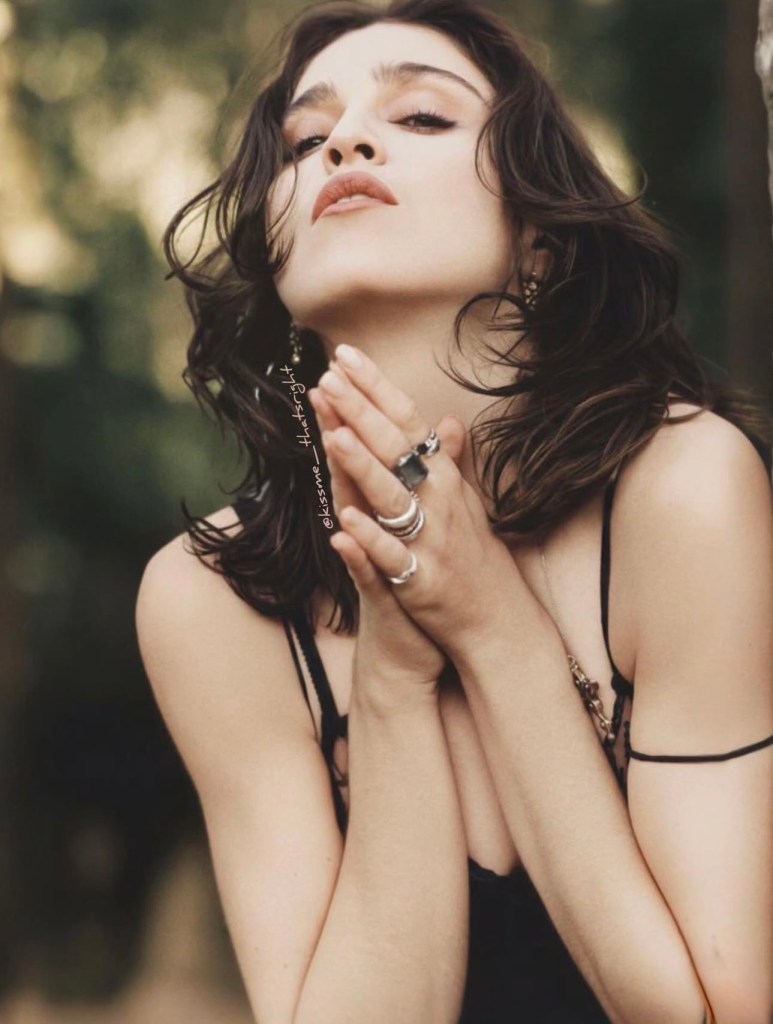
Together, the singles framed Like a Prayer as an album of faith, conflict, tenderness and self-definition.
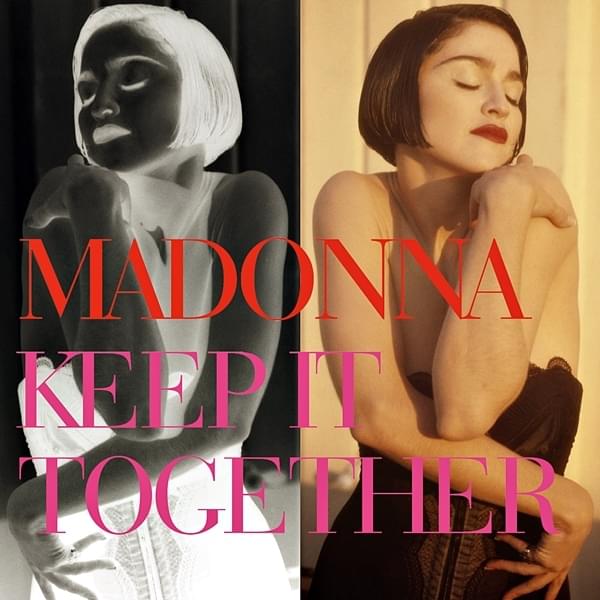
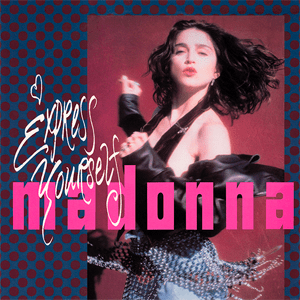
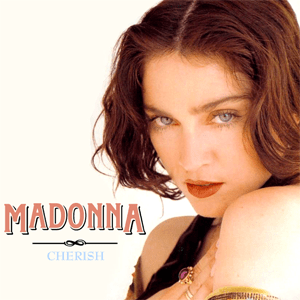
Across its singles, Like a Prayer showed Madonna expanding what a pop campaign could carry. These were not simply hits designed to sustain an era; they were chapters in a larger emotional and cultural argument. Like a Prayer and Express Yourself pushed her public image into bolder political, sexual and spiritual territory, while Oh Father revealed a more vulnerable and autobiographical Madonna. The campaign balanced provocation with craft, controversy with melody, and spectacle with genuine feeling. Its singles remain central to Madonna’s legacy because they made reinvention feel not only visual, but psychological.
Visuals
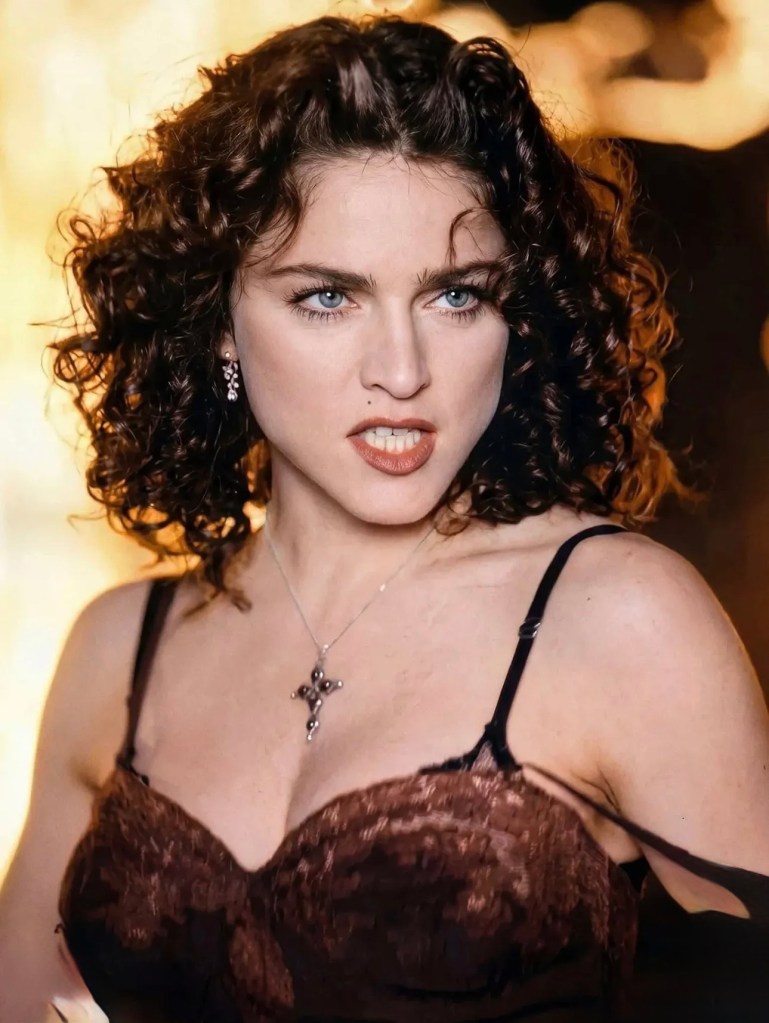
Visually, Like a Prayer created one of Madonna’s most layered and recognisable identities. The era drew on Catholic symbolism, religious iconography, dark hair, crucifixes, denim, lace, Mediterranean references, family portraiture and cinematic melodrama. Madonna’s image became more serious, sensual and emotionally charged, moving away from the neon street-pop brightness of her earlier work into something earthier, darker and more symbolic.
The visuals made the album’s questions impossible to miss: who benefits from glamour, who pays for spectacle, and what happens when the performance turns against itself? The visuals made the album’s themes impossible to ignore: faith and desire, sin and redemption, family and memory, innocence and experience. Madonna was no longer simply playing with image; she was using image as confession, theatre and provocation.
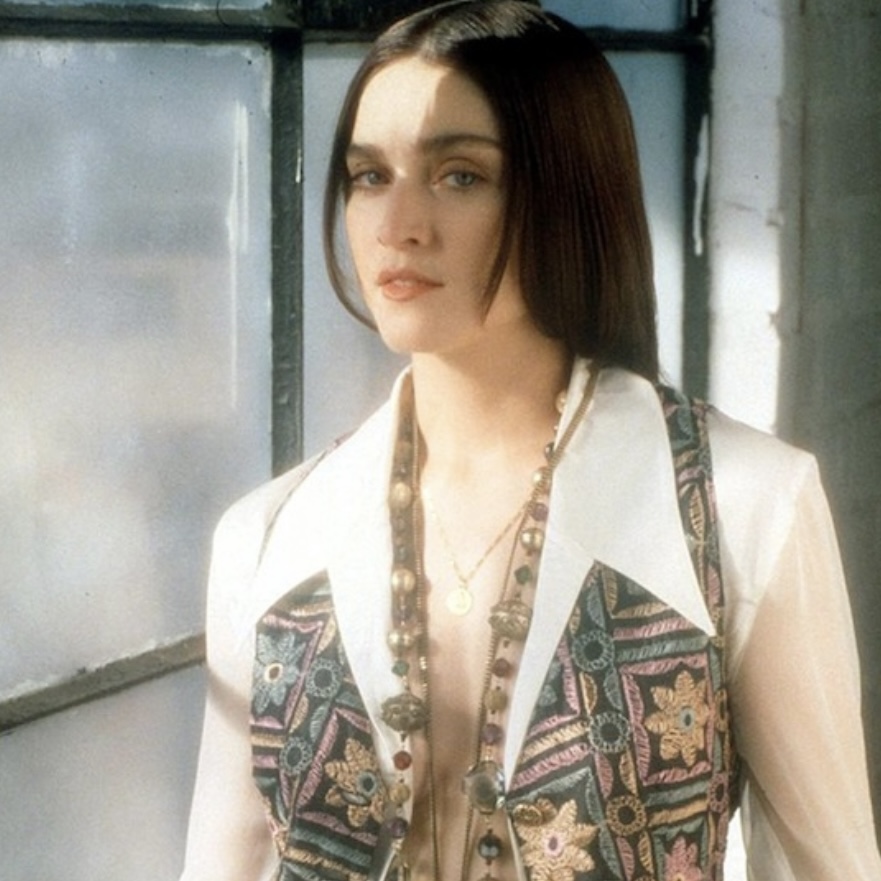
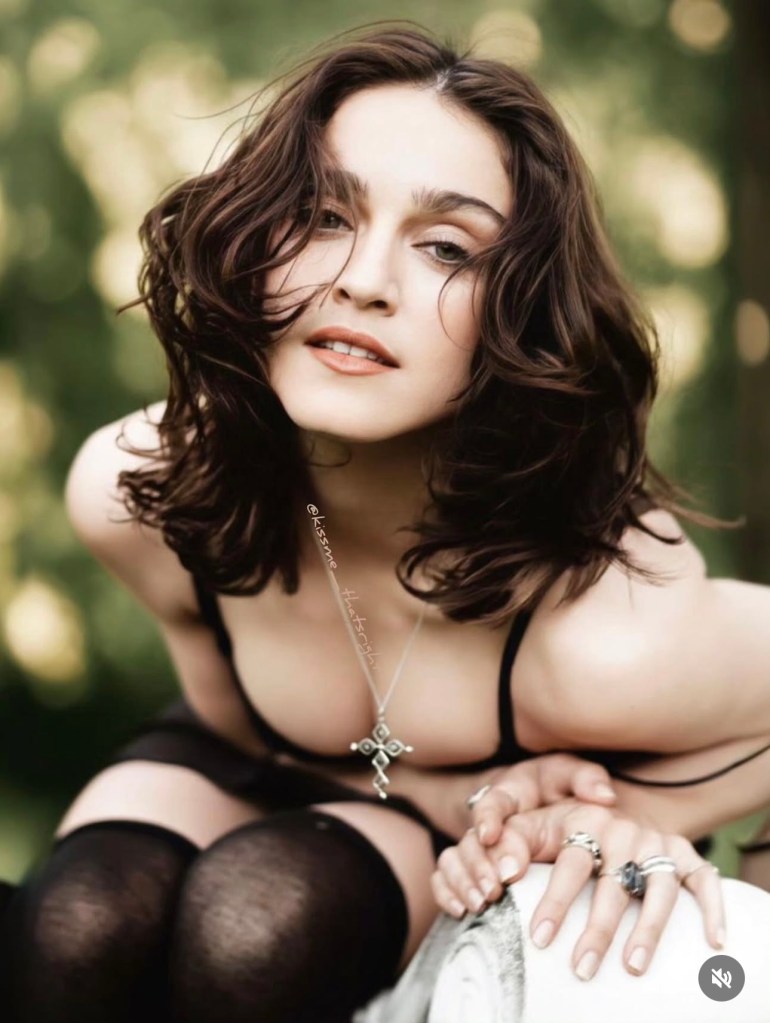
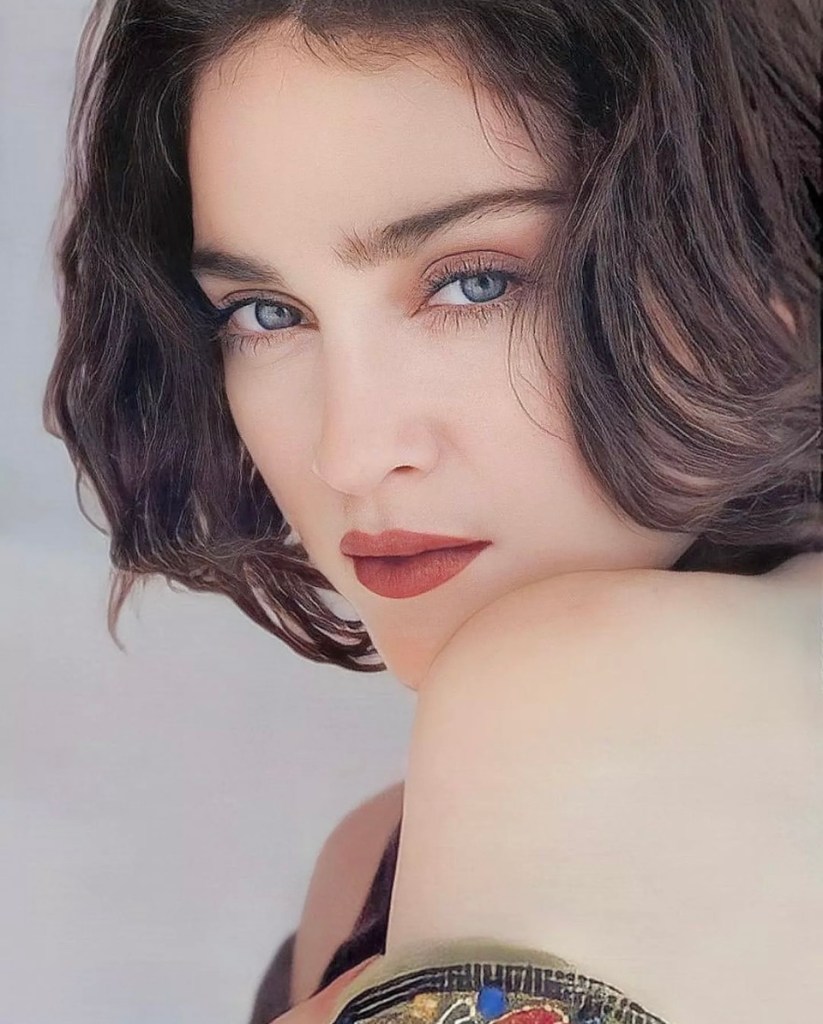
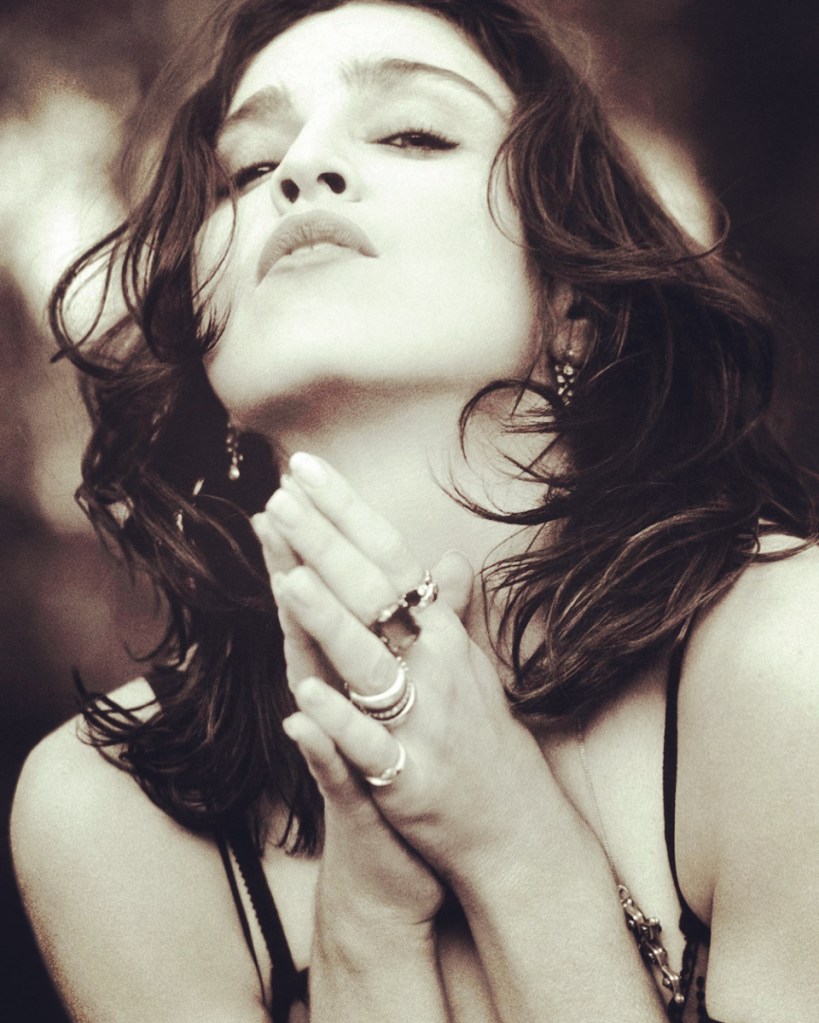
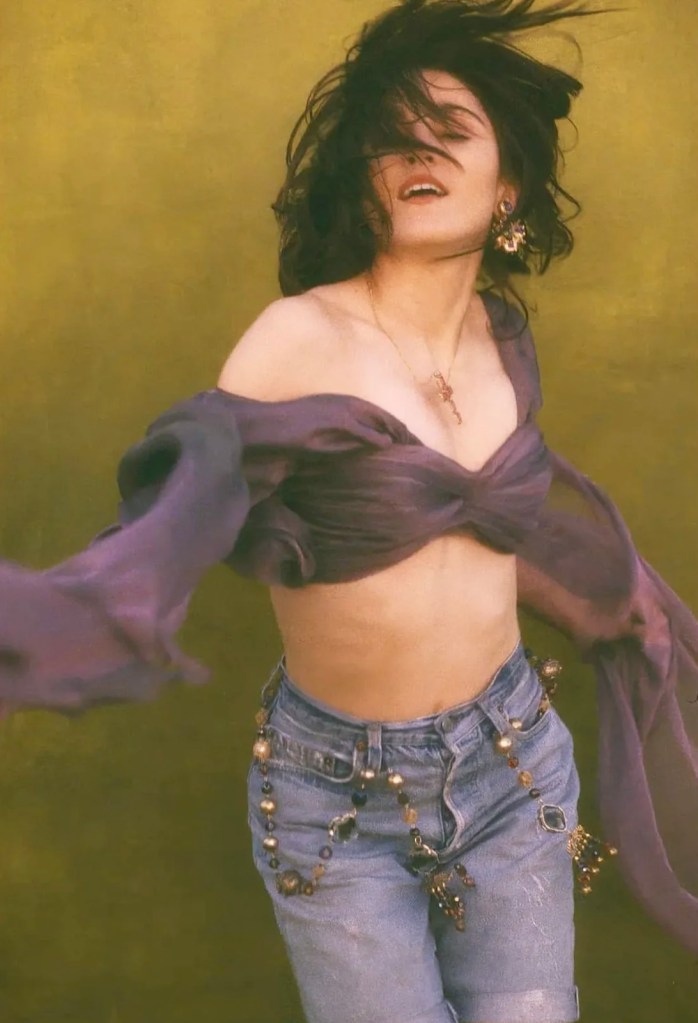
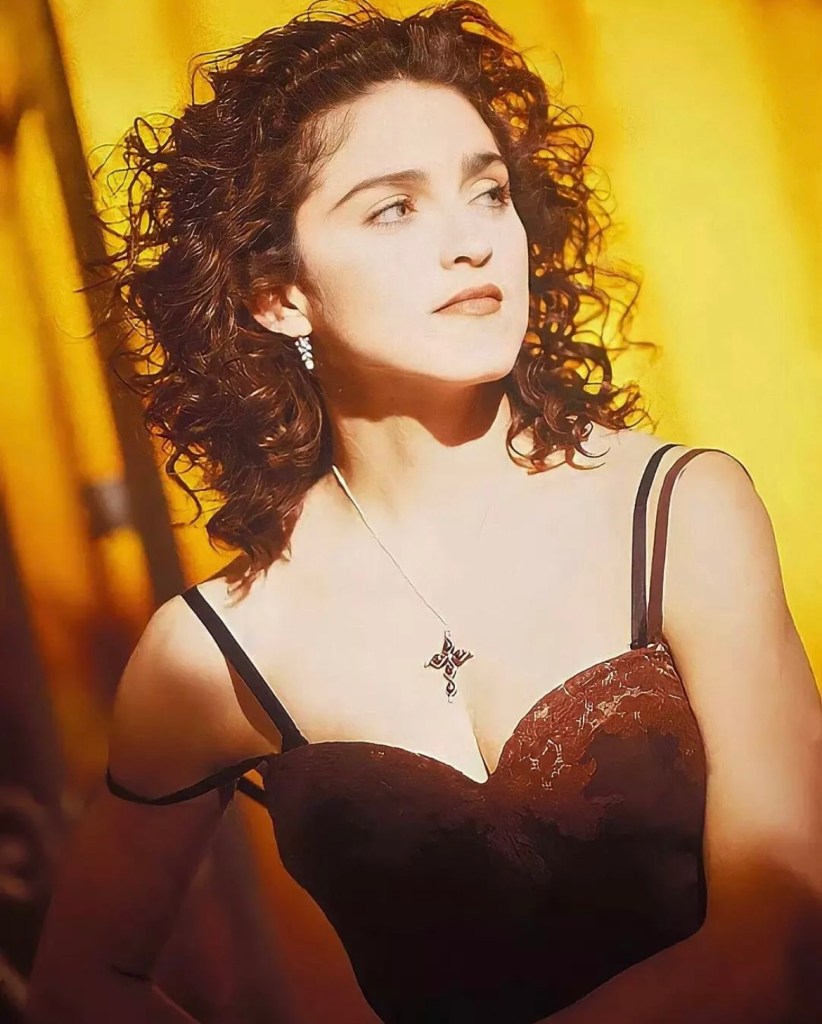
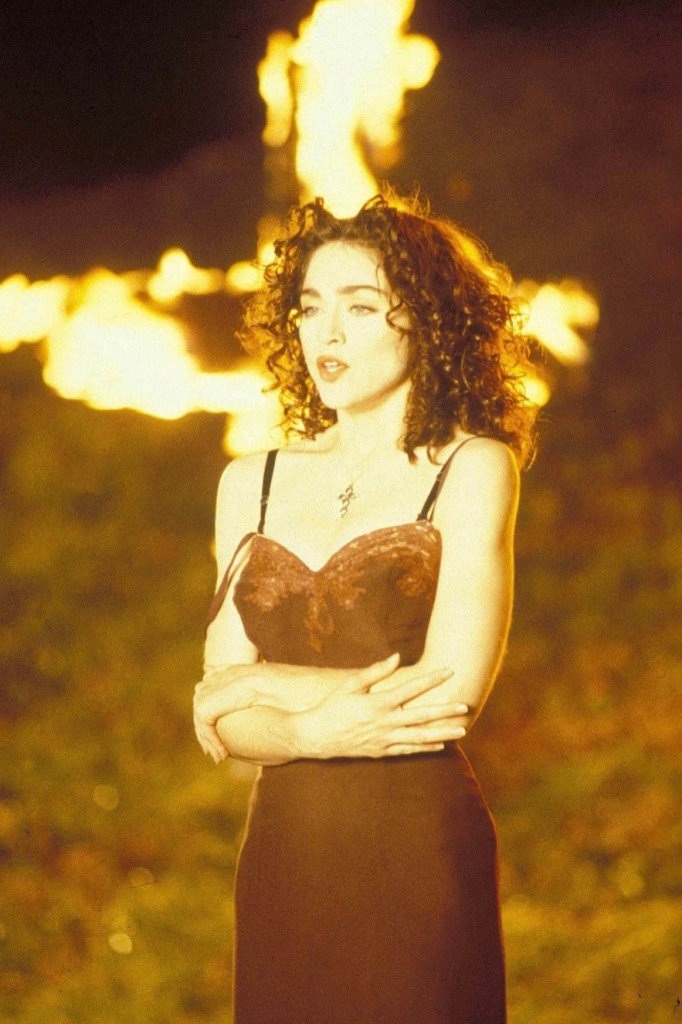
The visual world of Like a Prayer remains powerful because it understands that pop imagery can be both beautiful and dangerous. From the burning crosses and saintly visions of the title video to the industrial glamour of Express Yourselfand the stark emotional cinema of Oh Father, the era turned Madonna’s image into a site of conflict and transformation. Reinvention here was not costume alone; it was revelation. In Like a Prayer, the body, the church, the family home and the music video all become sacred stages, with Madonna standing at the centre: exposed, commanding and impossible to look away from.
Designed with WordPress
 Madonna