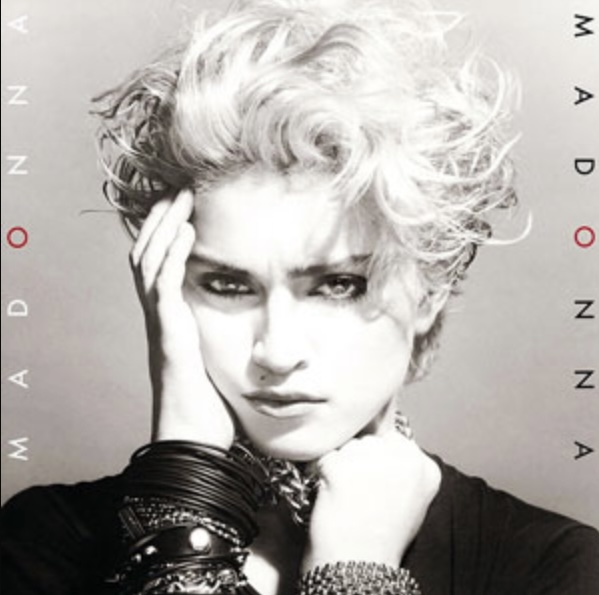
Album
Released in 1983, Madonna introduced an artist already unusually clear about her sound, image and direction. Rooted in New York club culture, post-disco, dance-pop, funk and early electro, the album captures the energy of a young performer turning underground nightlife into mainstream possibility. Working with Reggie Lucas, Jellybean Benitez and Mark Kamins, Madonna created a debut that was sharp, rhythmic and self-assured. Madonna is not tentative pop stardom; it is the opening move of an artist who already understood the dance floor as a place of identity, pleasure and power.
M A D O N N A
27 July 1983
Madonna, Reggie Lucas, John “Jellybean” Benitez
Sire Records
Track list
- Lucky Star
- Borderline
- Burning Up
- I Know It
- Holiday
- Think of Me
- Physical Attraction
- Everybody
Madonna remains vital because it contains the blueprint for so much of what would follow: rhythm as liberation, image as authorship, desire as control, and pop as something built from street-level culture rather than distant glamour. The album is lean, bright and direct, but its confidence is striking. Madonna arrives fully alert, using voice, beat and attitude to claim space. Before the mythology hardened, before the controversies multiplied, Madonna gave us the first clear signal: this was not just a singer entering pop. This was a force taking position.
Singles
The singles from Madonna shaped her first public identity through the language of clubs, radio and visual style.
Everybody arrived first as a dance-floor invitation, placing Madonna within New York’s club scene before many listeners even knew what she looked like.Burning Up followed with sharper attitude and rock-edged desire, while Holiday became the breakthrough: a euphoric pop release built around escape, rhythm and communal joy.
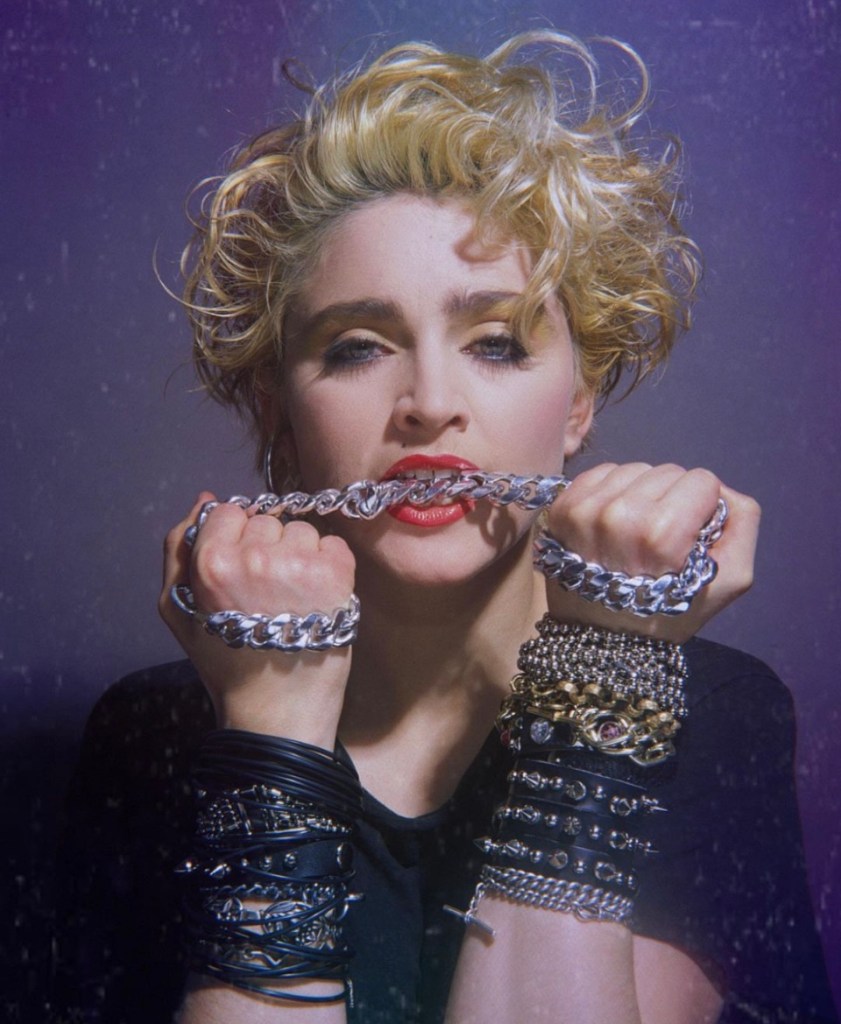
Lucky Star and Borderline then expanded her appeal, balancing flirtatious brightness with emotional vulnerability.
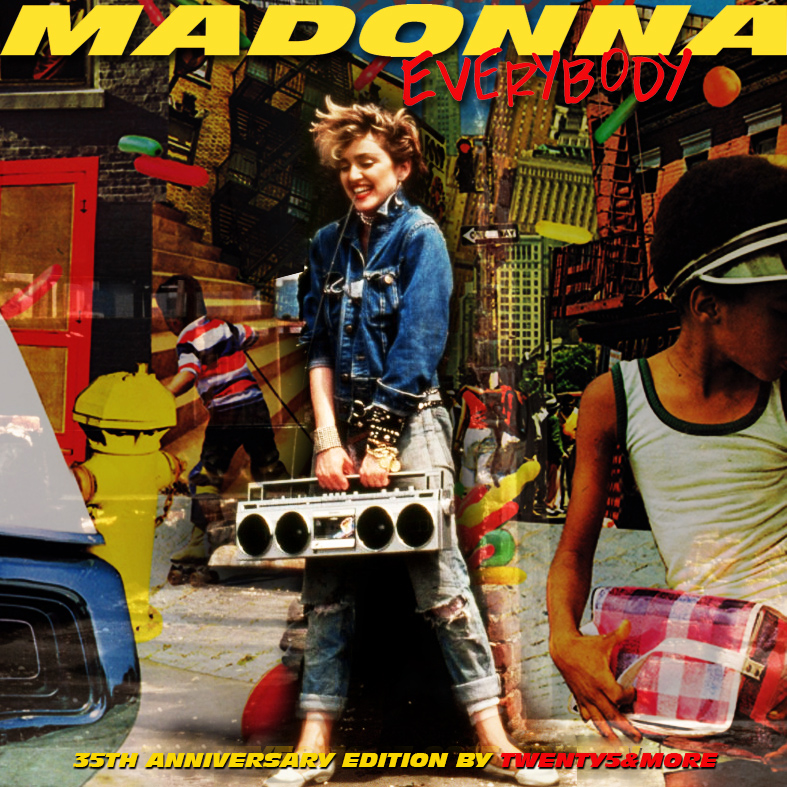
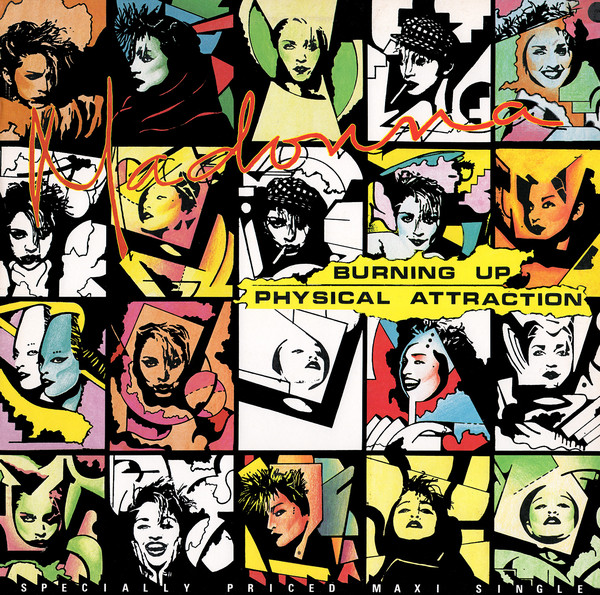
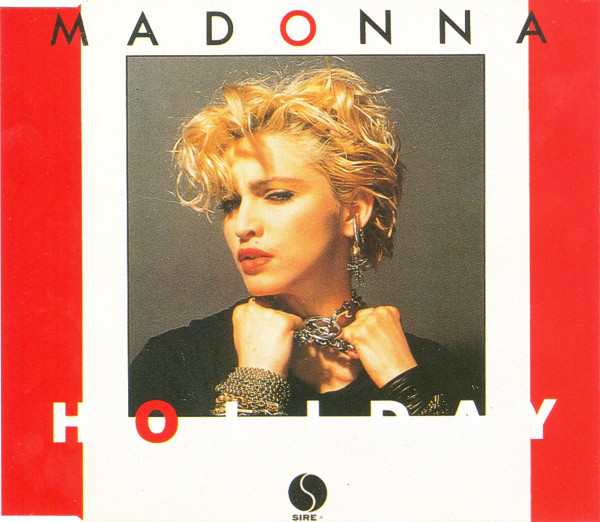
Across its singles, Madonna showed how quickly she could translate club credibility into pop permanence. Each release revealed a different part of the emerging Madonna: the dancer, the flirt, the romantic, the survivor, the urban optimist. These songs were not yet weighed down by global expectation, which gives them their electricity. They move with the confidence of someone testing the door and finding it already open. The singles from Madonna did more than introduce her; they started building the grammar of modern pop stardom.
Visuals
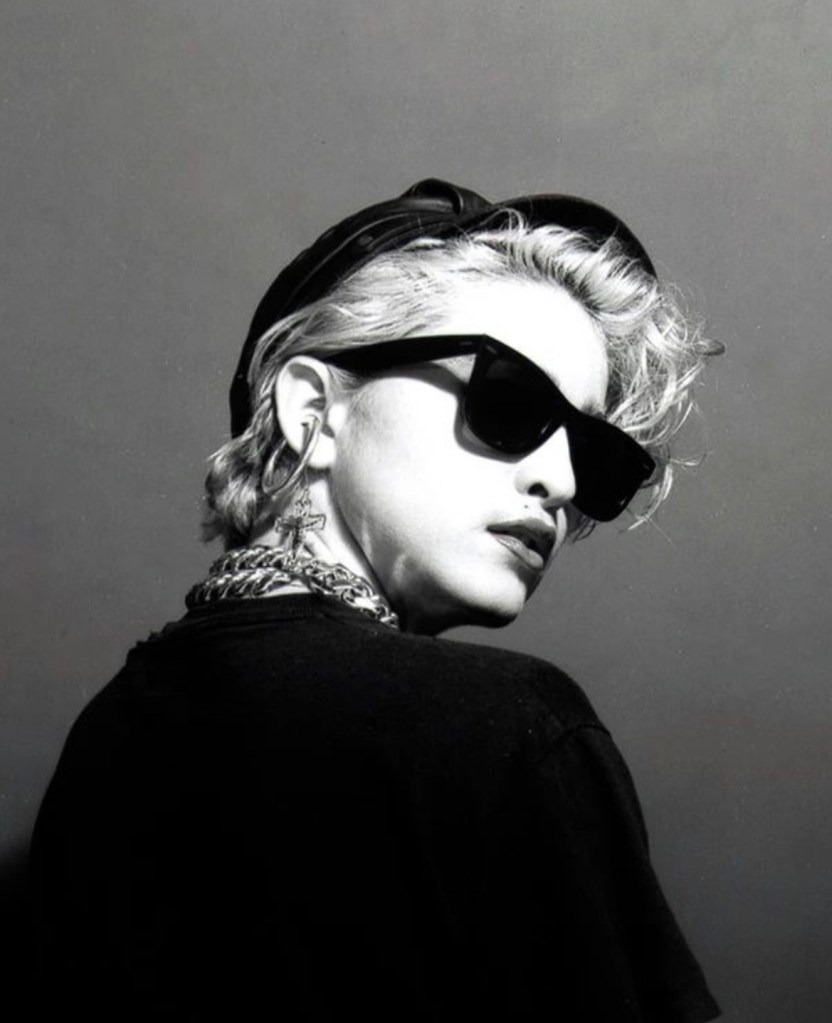
Visually, Madonna established the raw materials of her early iconography. The era drew on New York street style, club fashion, punk attitude, thrift-store layering, lace, bangles, crucifixes, exposed roots, cropped tops and restless physicality. Her image felt improvised but highly readable: urban, playful, hungry and unmistakably self-fashioned. Madonna looked less like a manufactured pop product than someone who had walked out of the city’s clubs and dragged the spotlight with her.
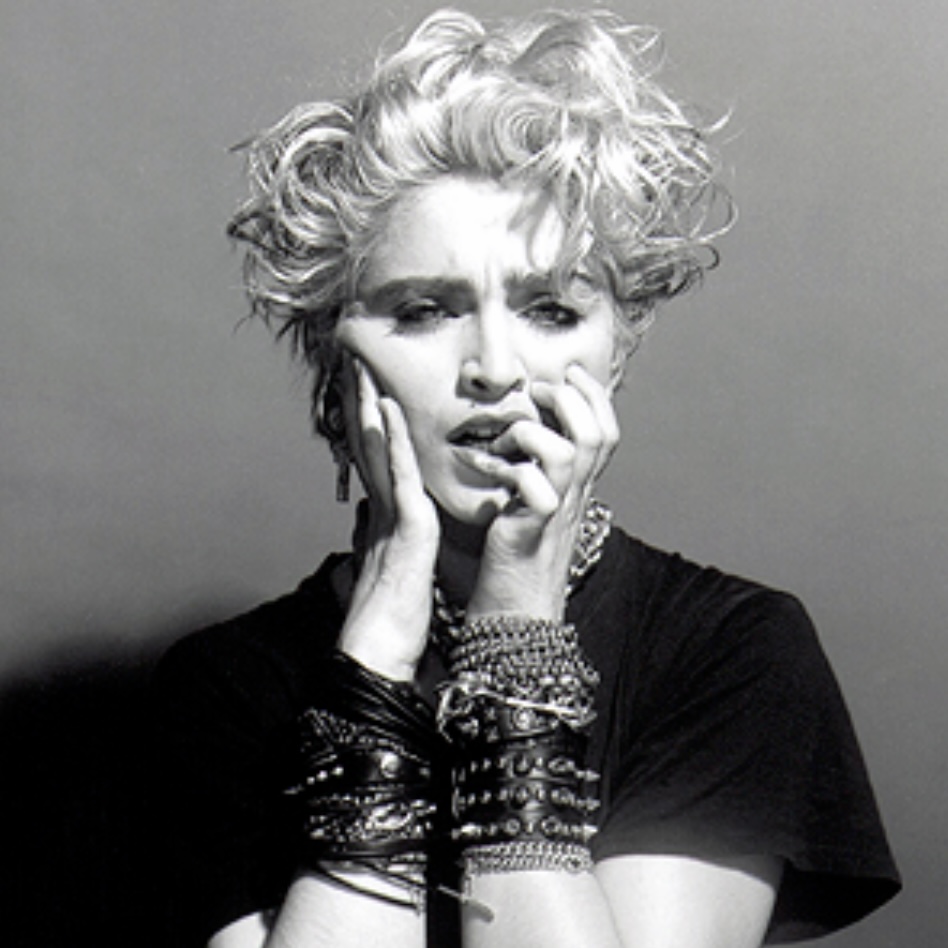
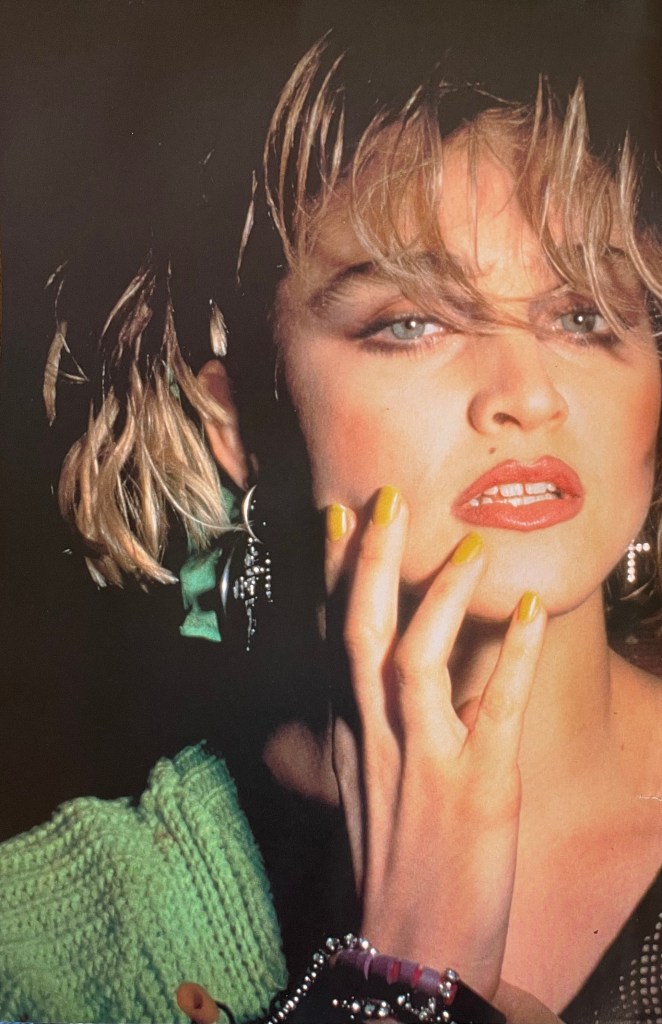
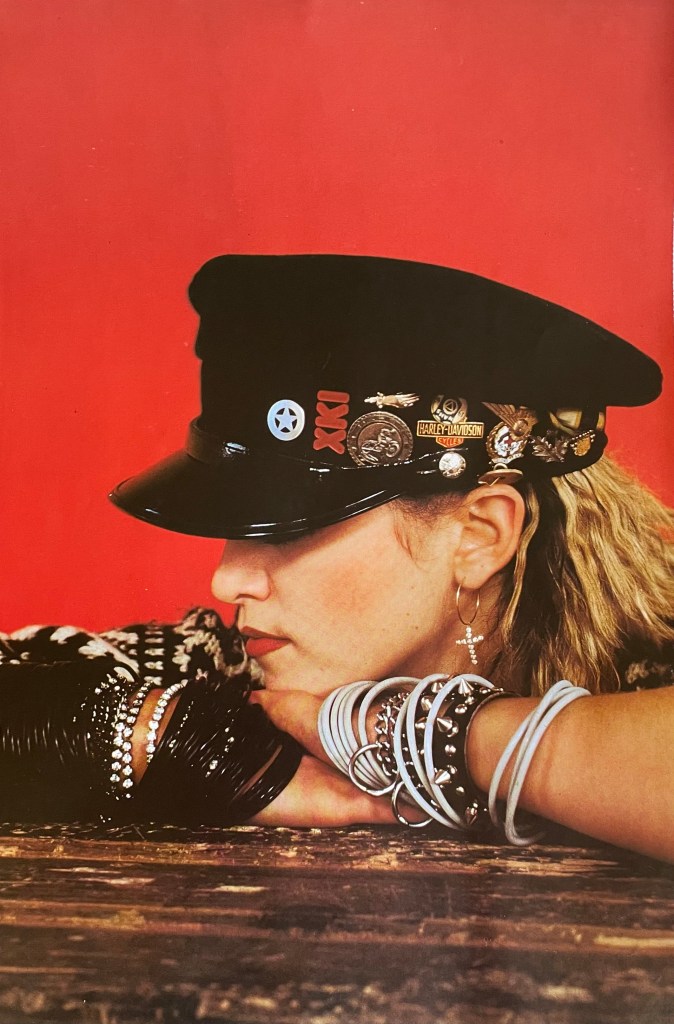
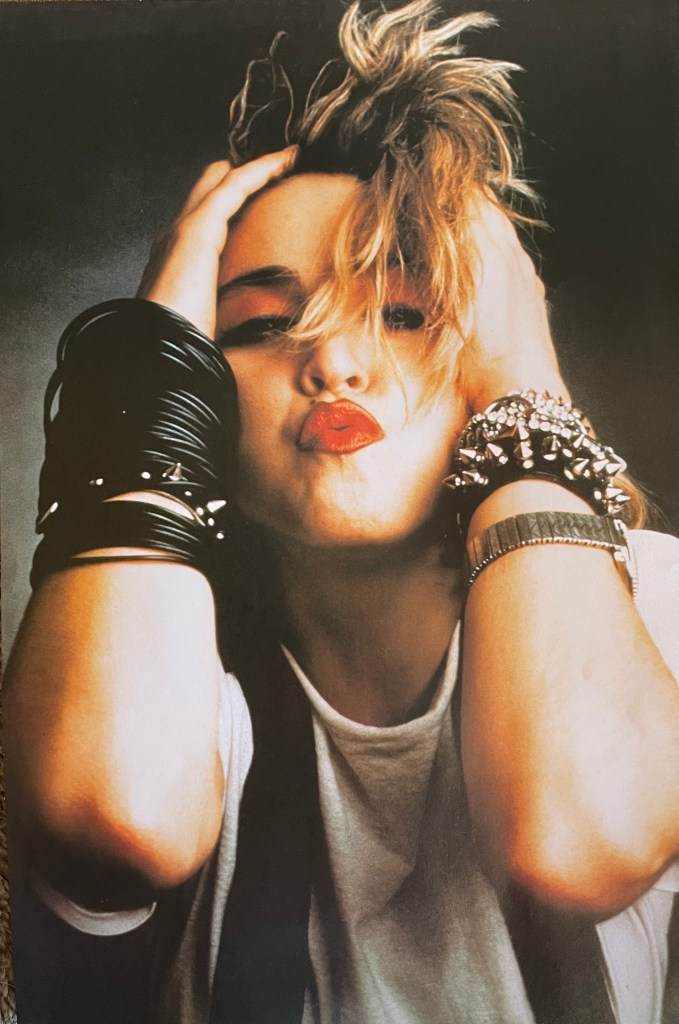
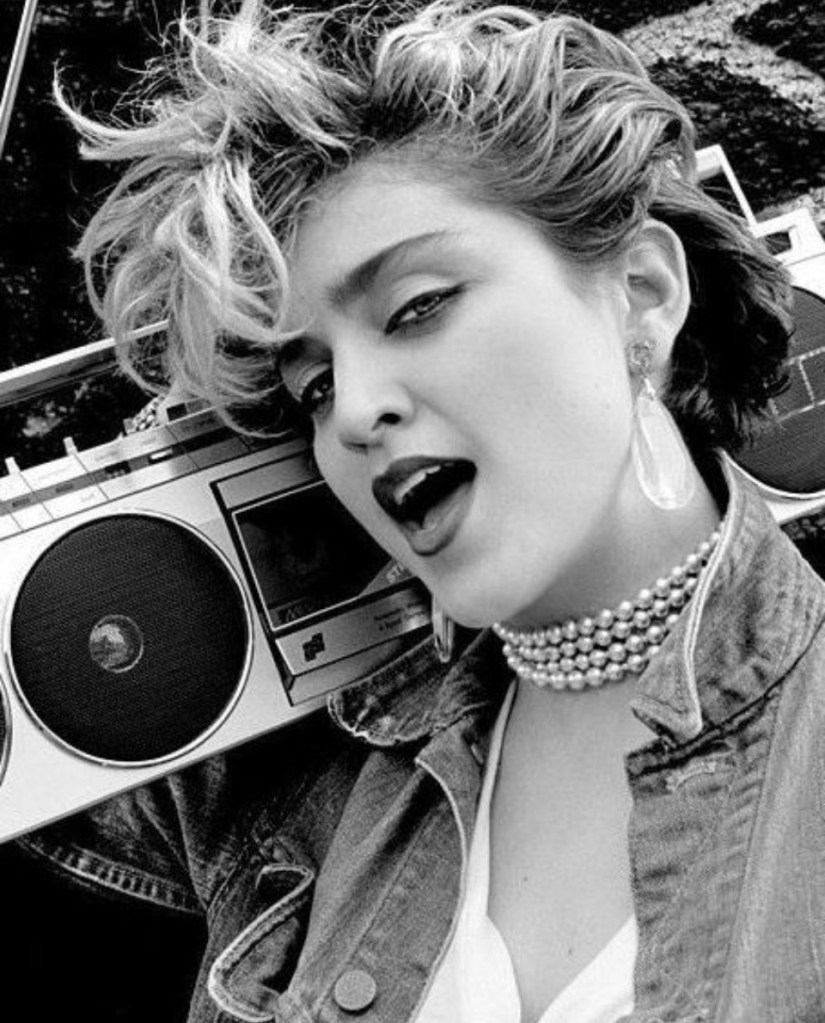
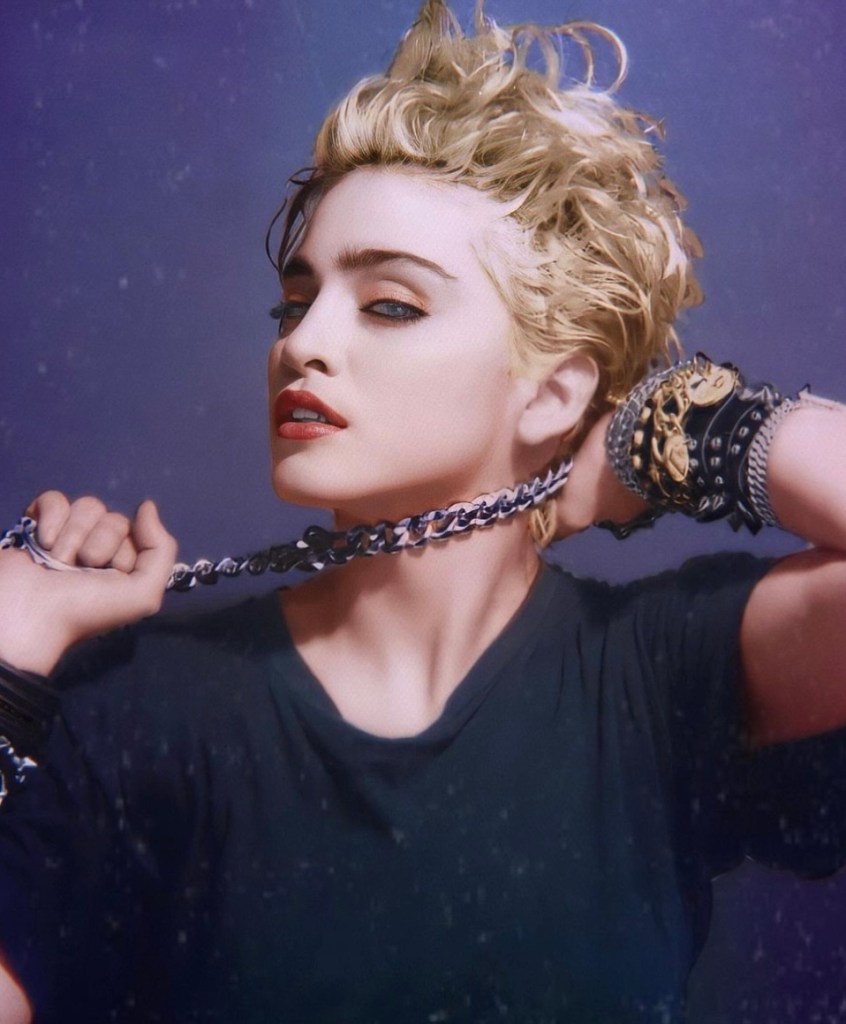
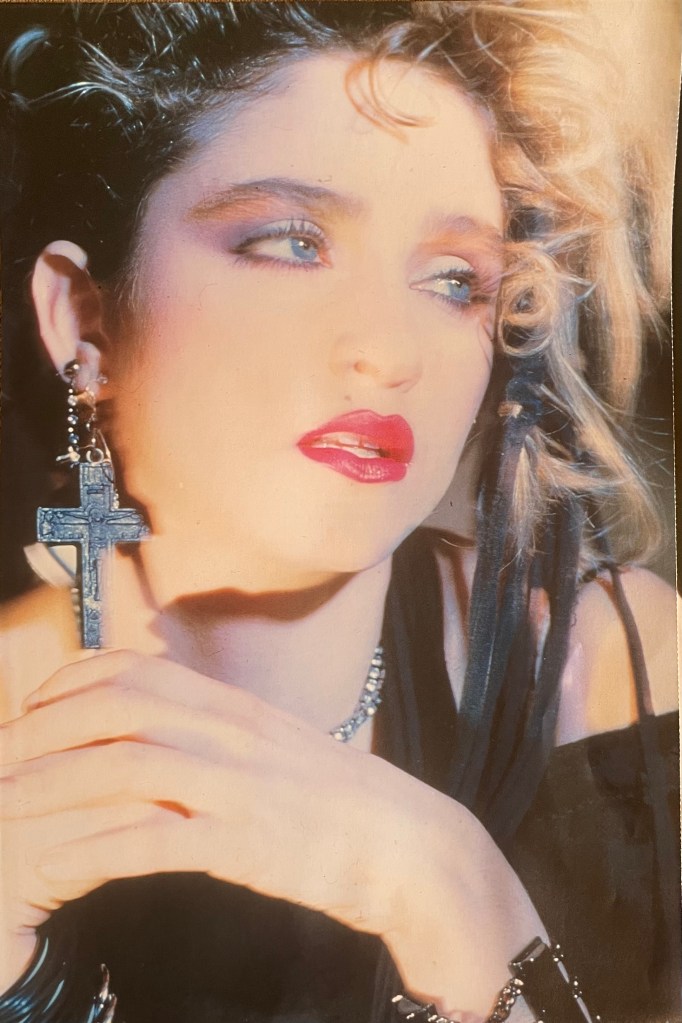
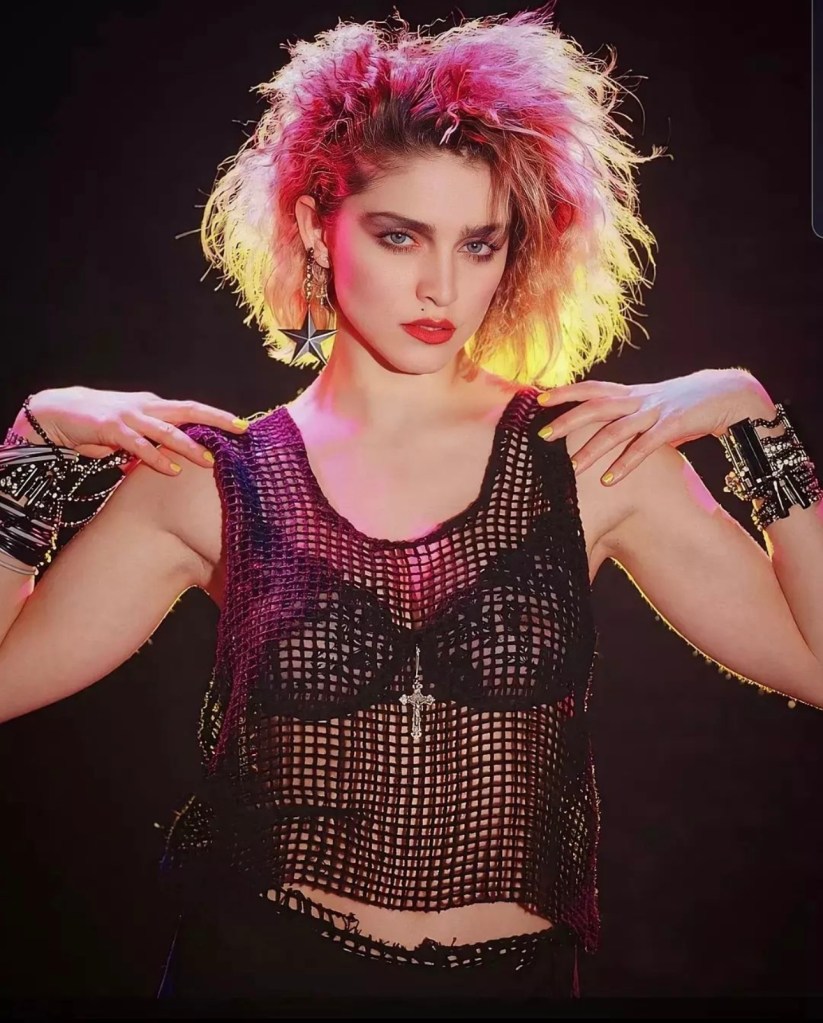

The visual world of Madonna endures because it captured an image still close to the street: less polished than later eras, but already precise in its contradictions. She appeared tough and playful, accessible and untouchable, casual and carefully constructed. From the early videos to the album photography and live television performances, Madonna’s visual identity announced a new kind of pop figure: one who styled herself as both participant and author. In Madonna, the look is not yet imperial. It is kinetic, local, sharp-eyed and ready to multiply.
Designed with WordPress
 Madonna