Album
Released in 2012, MDNA arrived as Madonna’s return to the dance-pop battlefield: glossy, aggressive, restless and deliberately wired. The album moves between euphoric club production, sharp-edged electro-pop, darker emotional confession and flashes of playful provocation. Working with producers including William Orbit, Martin Solveig and Benny Benassi, Madonna created a record that feels fractured by design: part post-divorce purge, part dance-floor armour, part superstar flex. MDNA is not a quiet album. It comes in with strobes blazing, teeth showing, and the volume set high.
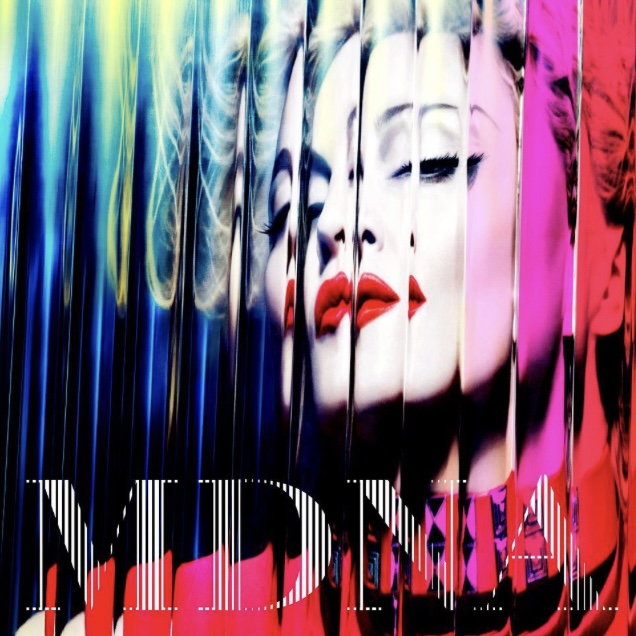
MDNA
23 March 2012
Madonna, Benny Benassi, Alle Benassi, Martin Solveig, William Orbit, Demolition Crew, Michael Malih
Interscope/ Live Nation
Track list
- Girl Gone Wild
- Gang Bang
- I’m Addicted
- Turn up the Radio
- Give Me All Your Luvin’ (feat. Nicki Minaj & M.I.A.)
- Some Girls
- Superstar (feat. Lourdes on backing vocals)
- I Don’t Give A (feat. Nicki Minaj)
- I’m a Sinner
- Love Spent
- Masterpiece
- Falling Free
MDNA remains one of Madonna’s most divisive but revealing records. Beneath its synthetic shine and club-heavy production sits an album preoccupied with damage, desire, control, anger and release. Its best moments work because they capture Madonna in collision with herself: playful and wounded, commanding and exposed, devotional and destructive. It may not seek the seamless unity of Confessions on a Dance Floor, but that is partly the point. MDNA is splintered, kinetic and combustible: an album about dancing through the wreckage rather than pretending the wreckage is not there.
Singles
The singles from MDNA presented different sides of the album’s high-voltage personality. Give Me All Your Luvin’introduced the era with cheerleader chants, pop spectacle and a Super Bowl-ready brightness, while Girl Gone Wildpushed the project more directly towards the club with a sleek, propulsive dance sound.
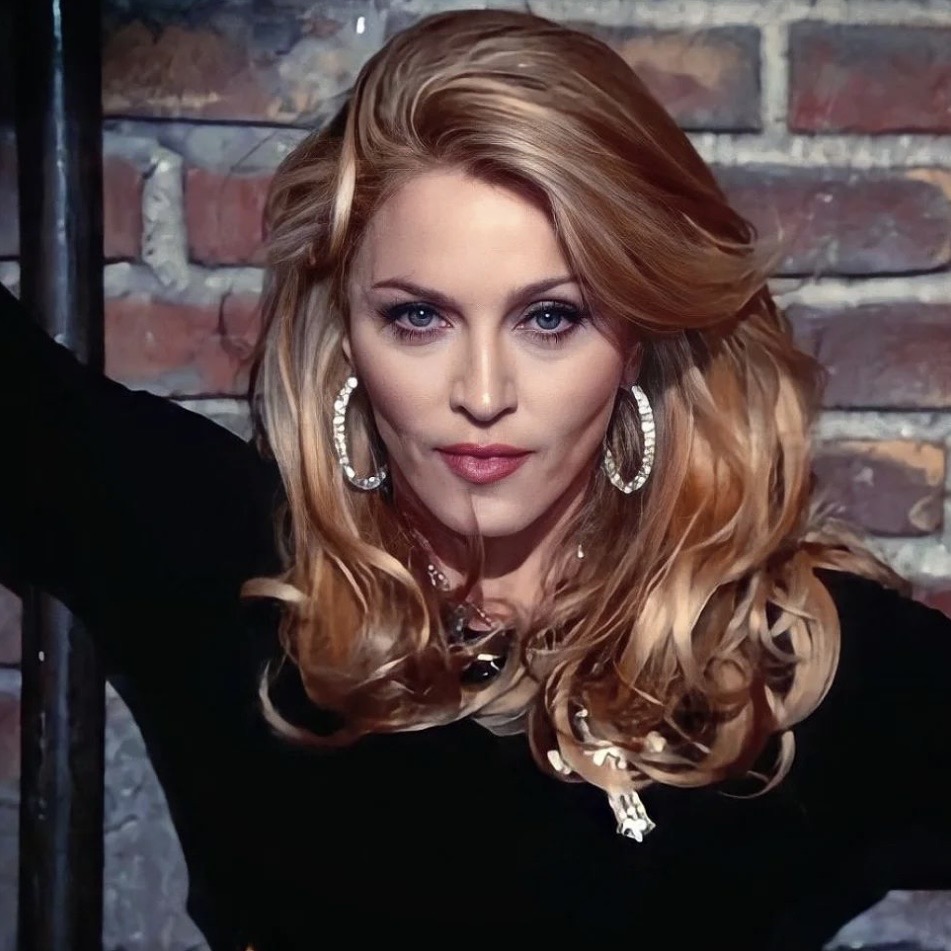
Turn Up the Radio offered a more open, escapist rush, framing music as the route out of frustration and into motion. Together, the singles positioned MDNA as an era of energy, attitude and deliberate pop excess.


As a singles campaign, MDNA showed Madonna leaning into spectacle while still circling familiar emotional territory: freedom, performance, provocation and survival. The singles did not reveal the album’s full darkness, but they gave the era its public face: bright, physical, brash and built for large-scale performance. In hindsight, they work as entry points rather than complete definitions. Behind the hooks and choreography, MDNA carried a sharper emotional charge, and the singles opened the door to a record far more unsettled than its surface first suggested.
Visuals
Visually, MDNA created a world of polished aggression, religious imagery, luxury surfaces and weaponised glamour.
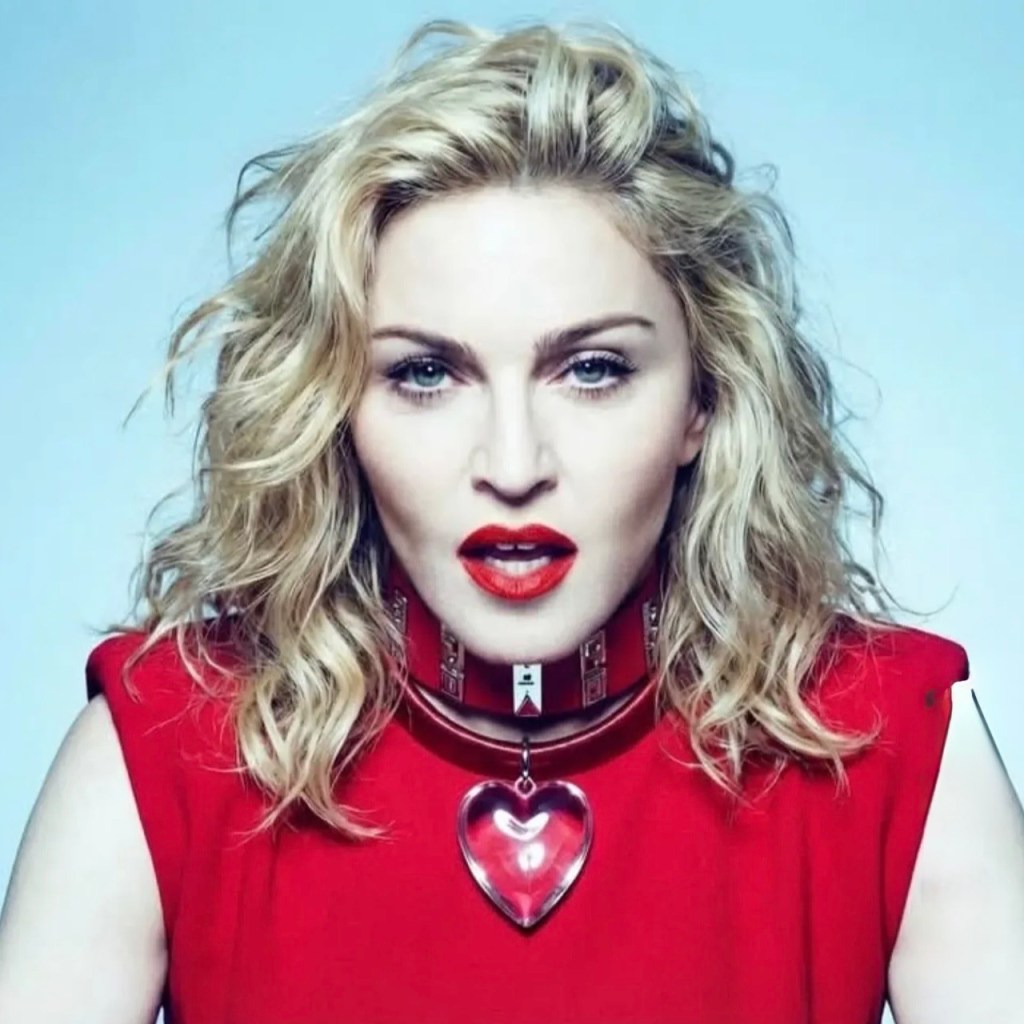
The era moved between cheerleader-pop spectacle, black-and-white club minimalism, fashion editorial severity and stadium-scale theatrics. Madonna’s image was controlled but volatile: leather, crucifixes, platinum hair, precision choreography and a sense of danger under the gloss.
The visual language matched the album’s mood perfectly, placing beauty and violence, devotion and defiance, discipline and chaos within the same frame.
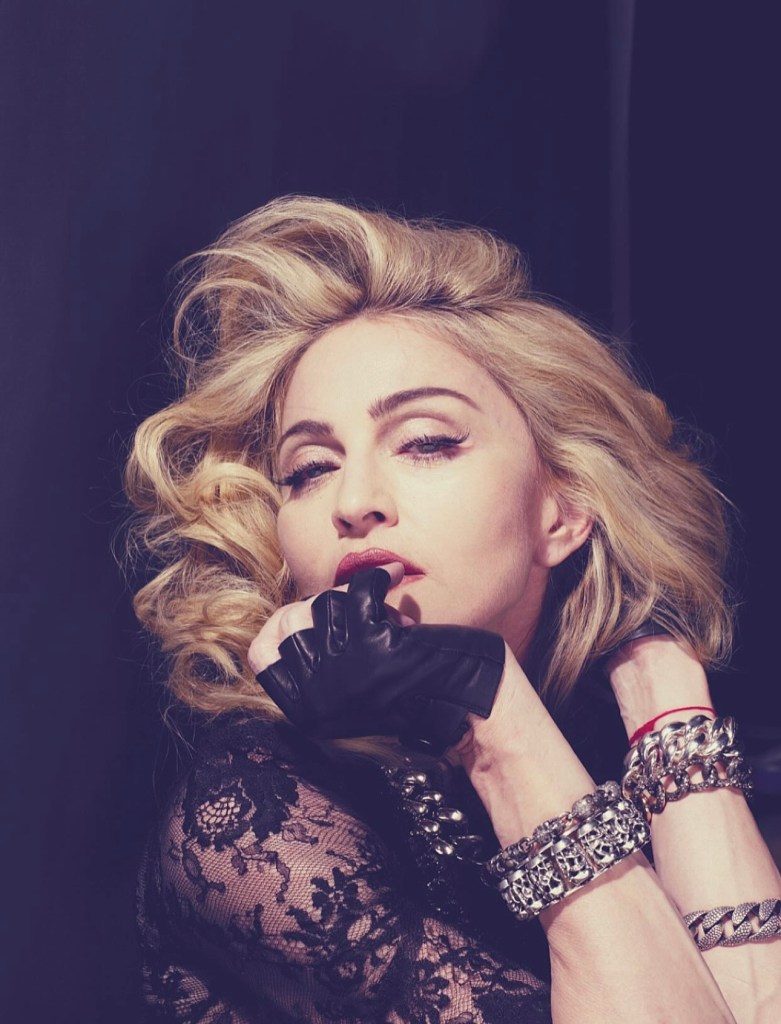
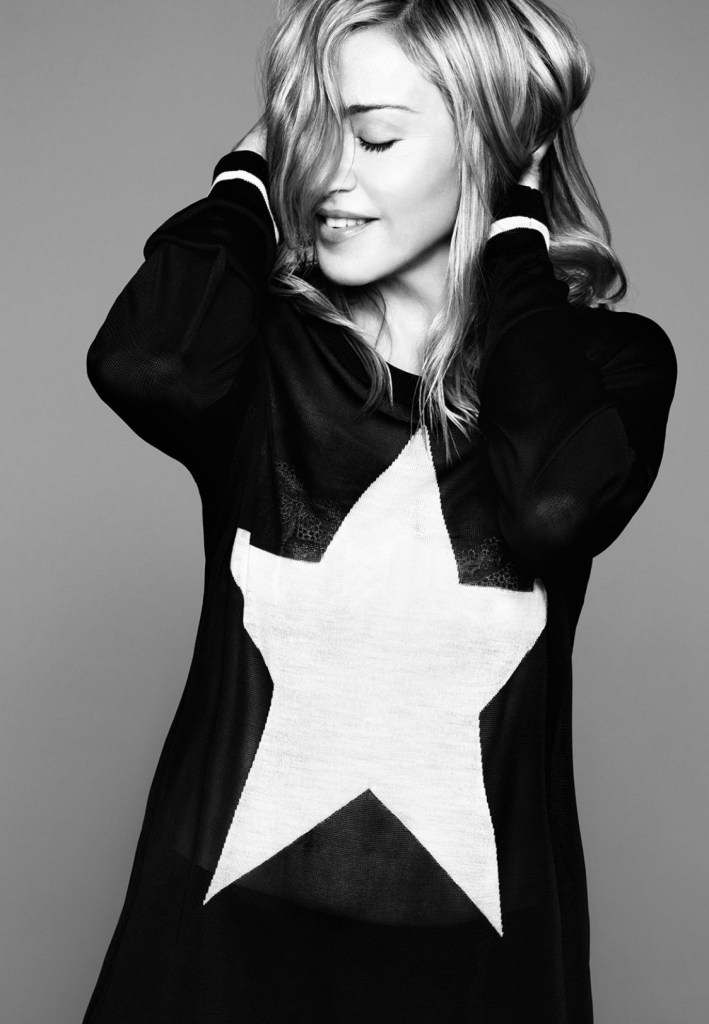
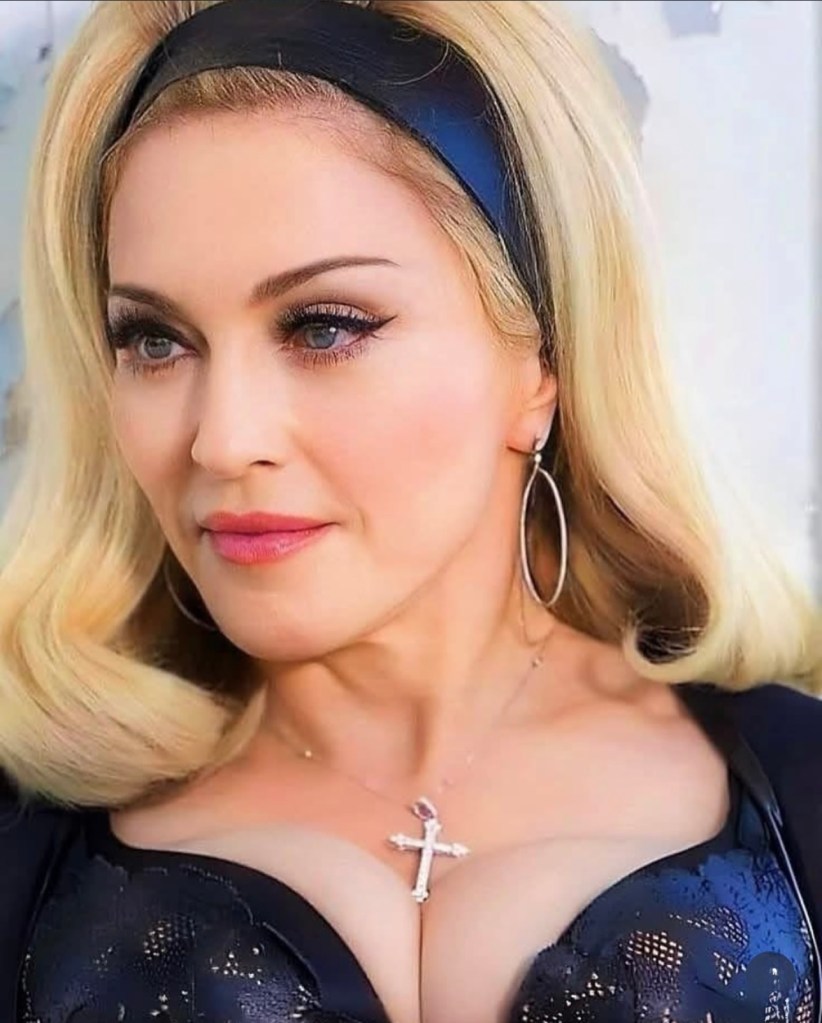
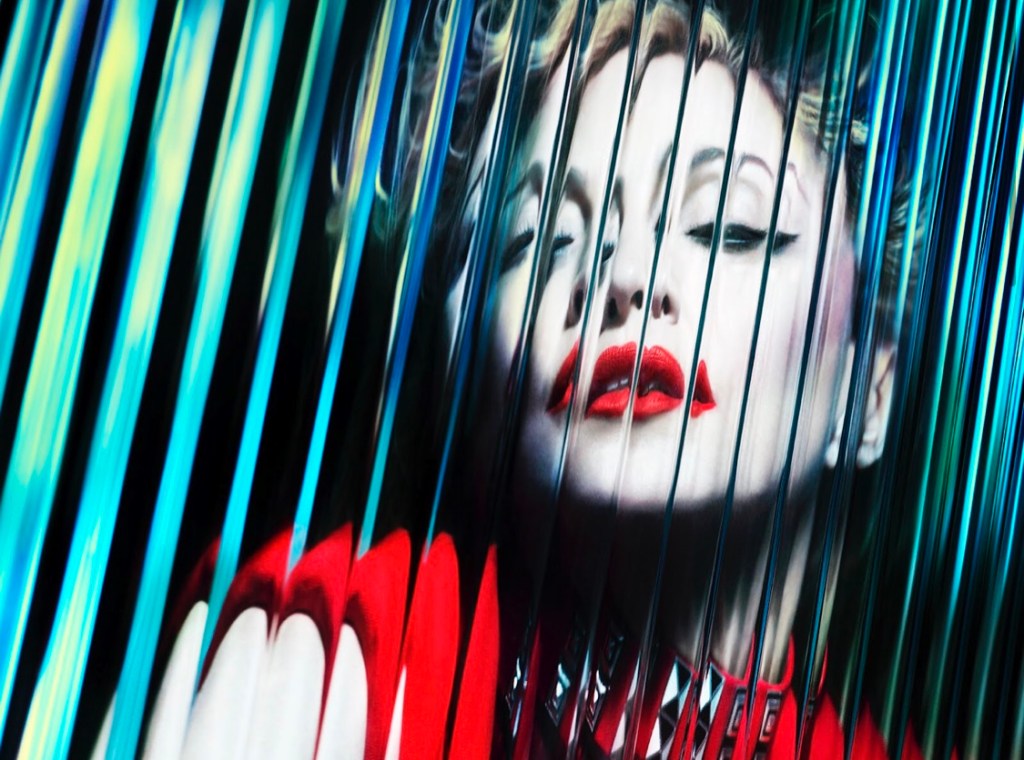
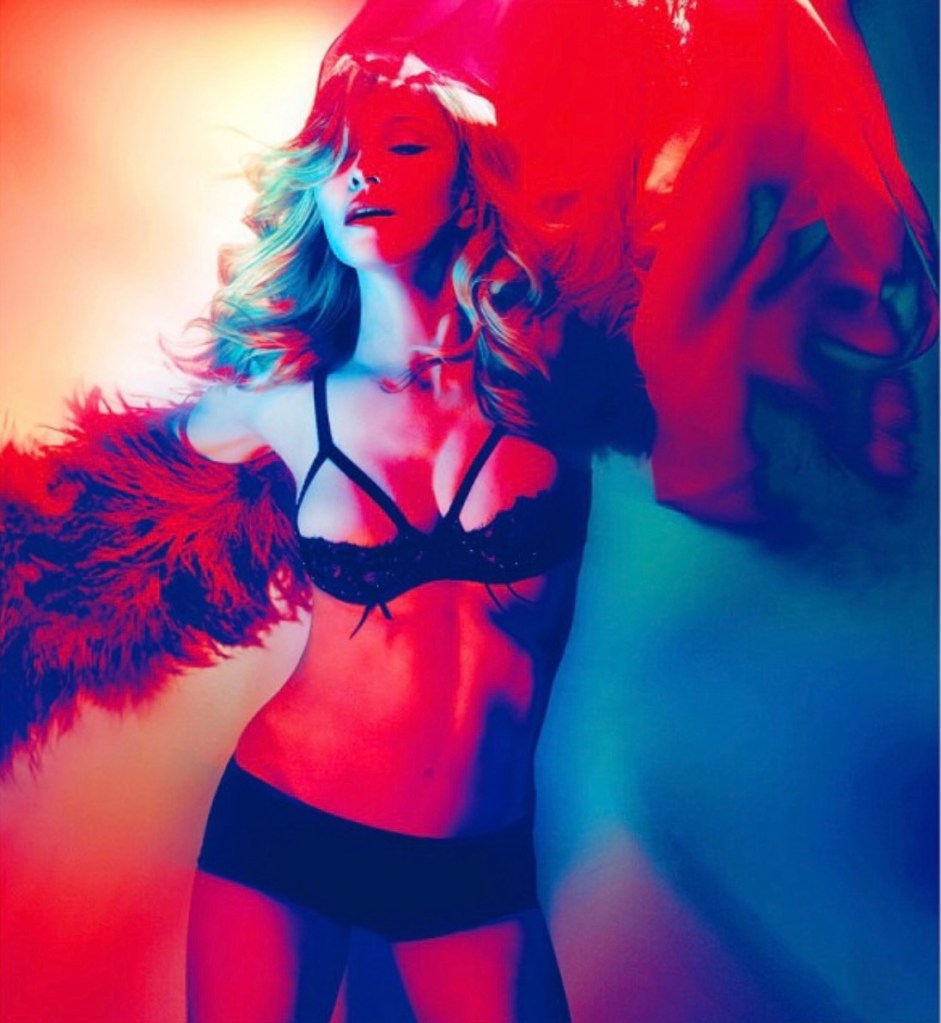
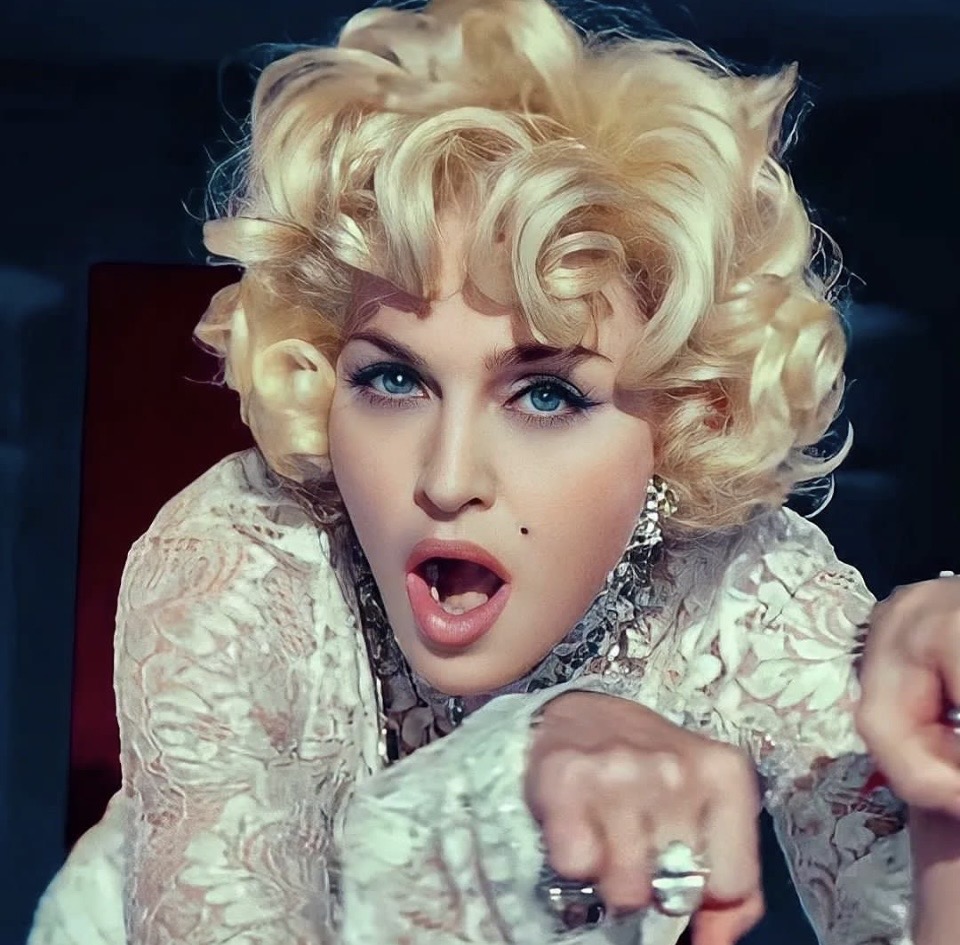
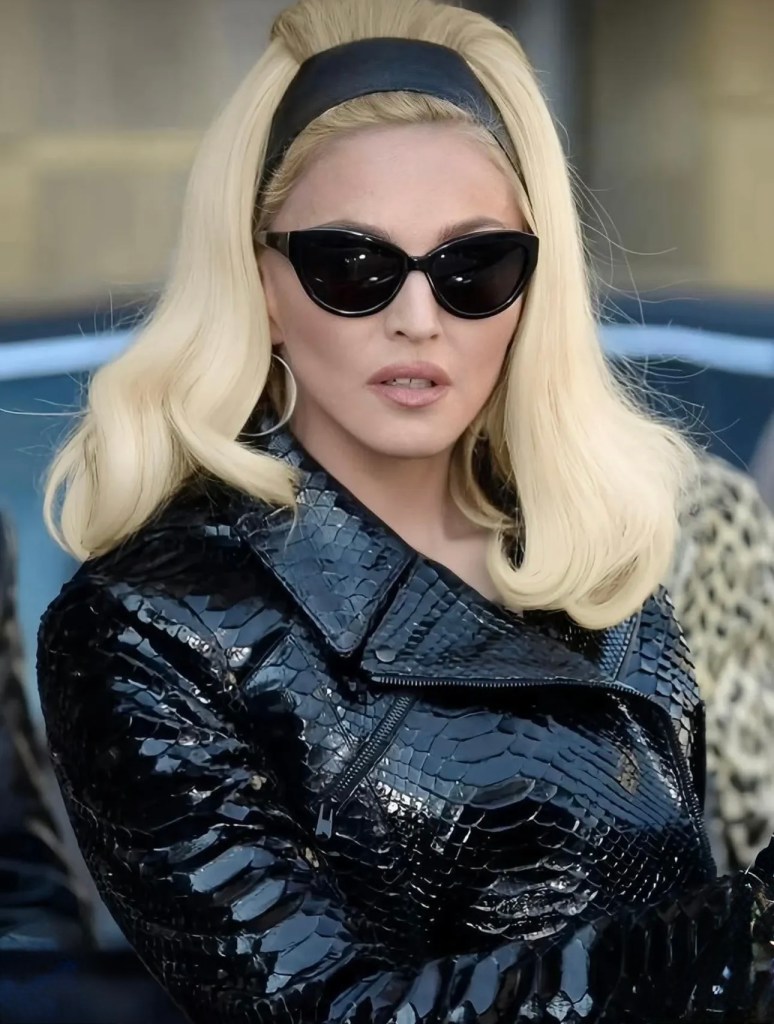
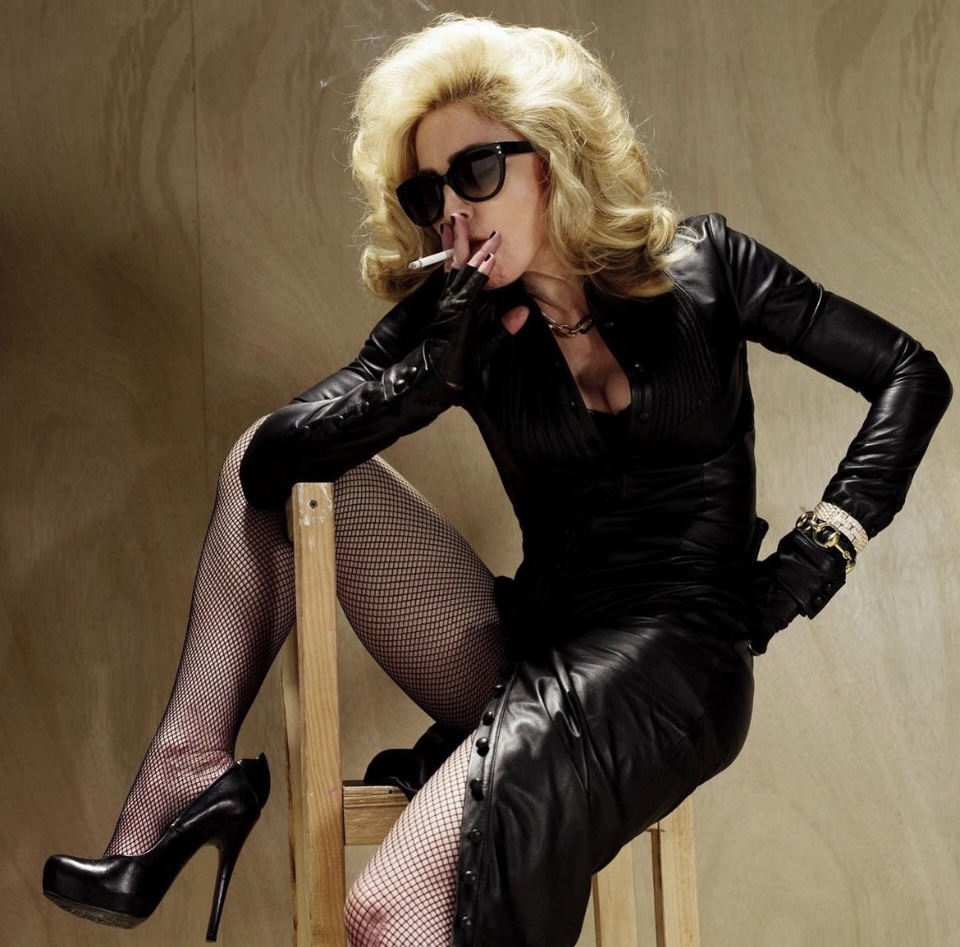
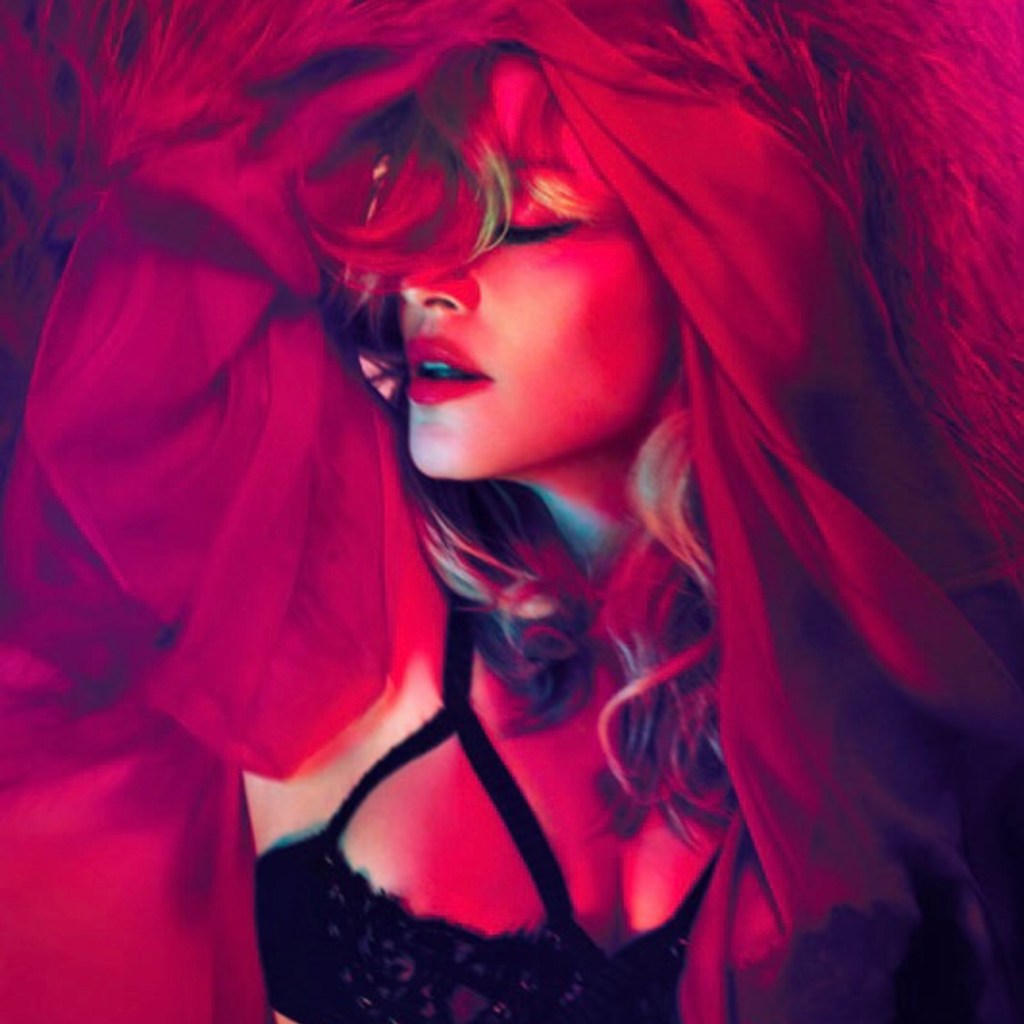
The visual world of MDNA is most powerful when understood as a series of collisions. It is pop and punishment, glamour and grief, confession and combat. From the videos to the tour, Madonna turned the era into a high-impact performance space where bodies became weapons, faith became theatre and the dance floor became a pressure chamber. The imagery may be less unified than some of her classic eras, but it has its own brutal logic: MDNA looks like an album trying to keep moving before the lights come up and the damage becomes visible.
 Madonna