Album
Released in 2000, Music captures Madonna at the turn of the millennium: playful, futuristic, rootsy and sharply aware of pop’s changing landscape. Reuniting with William Orbit while also working closely with Mirwais Ahmadzaï, she created an album that fused electronic experimentation with folk textures, club energy, acoustic warmth and digital distortion. It is an album of contrasts: cowboy hats and vocoders, guitars and glitches, dance floors and open roads. Musicfeels like Madonna stepping out of the spiritual atmosphere of Ray of Light and into something earthier, stranger and more mischievously synthetic.
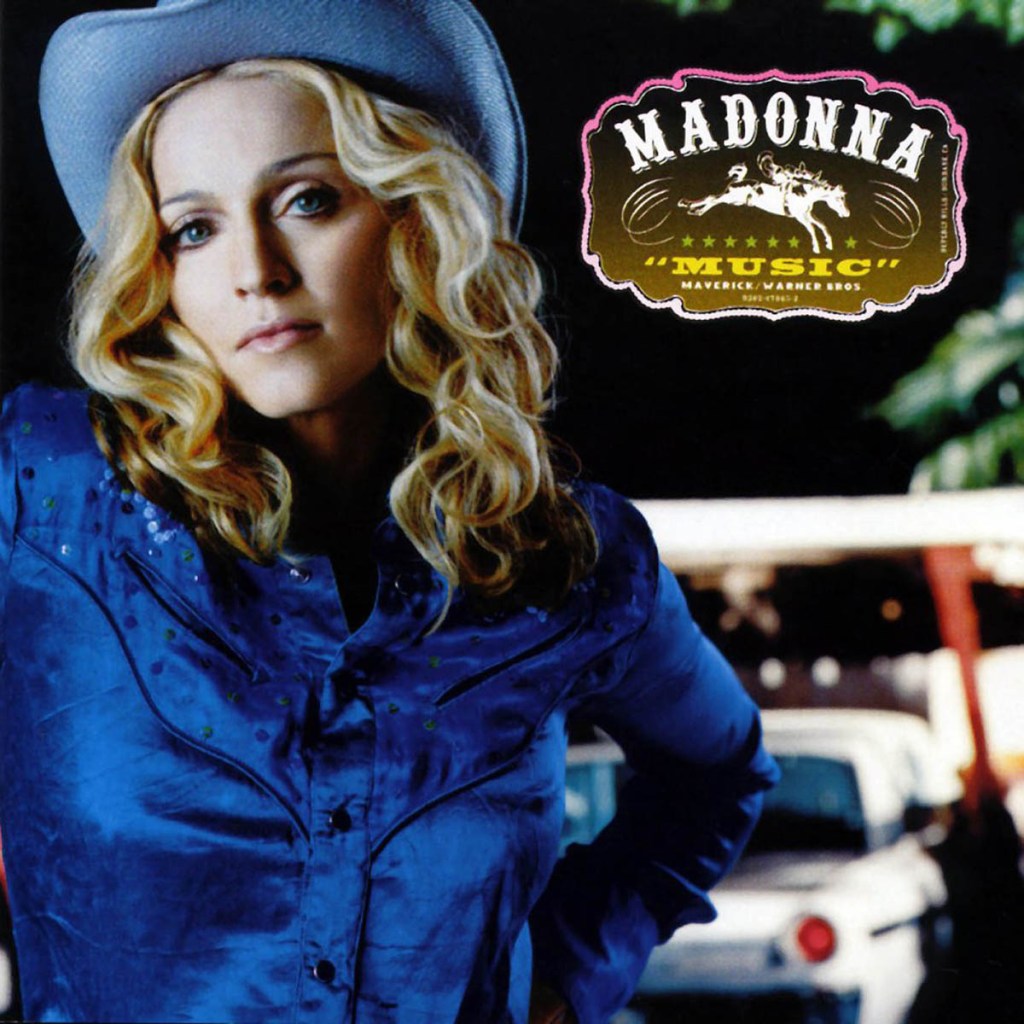
Music
18 September 2000
Madonna, Mirwais Ahmadzaï, William Orbit, Guy Sigsworth, Mark “Spike” Stent
Maverick / Warner Bros.
Track list
- Music
- Impressive Instant
- Runaway Lover
- I Deserve it
- Amazing
- Nobody’s Perfect
- Don’t Tell Me
- What it Feels like for a Girl
- Paradise (not for me)
- Gone
Music remains one of Madonna’s most inventive transitional albums, bridging the emotional clarity of the late 1990s with the colder, more fragmented digital world of the early 2000s. Its strength lies in its refusal to sit neatly in one genre or image. It is pop, country, electronica, folk and club music, all bent through Madonna’s instinct for reinvention. Beneath its playful surface, the album is full of longing, distance, motherhood, fame and escape. Music does not simply follow Ray of Light; it dirties its boots, plugs itself into the machine, and rides off somewhere more unpredictable.
Singles
The singles from Music gave the era its boldest public shape. The title track arrived first as a sleek, irresistible celebration of dance music’s unifying force, pairing minimalist electronic production with one of Madonna’s most direct pop commands. Don’t Tell Me shifted the album into stranger territory, cutting acoustic guitar fragments against stop-start rhythms and a cool, defiant vocal.
What It Feels Like for a Girl then revealed the project’s softer and more reflective side, turning empathy, gender and vulnerability into one of the album’s most quietly powerful statements.



Across its singles, Music showed Madonna balancing accessibility with experimentation. Music was immediate and communal, Don’t Tell Me was dry, clever and genre-warping, while What It Feels Like for a Girl brought emotional depth and social commentary into the campaign. Together, they presented an artist still willing to disturb the surface of pop even while making it commercially magnetic. The singles did not just promote the album; they mapped its range, from club-floor release to desert-road defiance and interior reflection.
Visuals
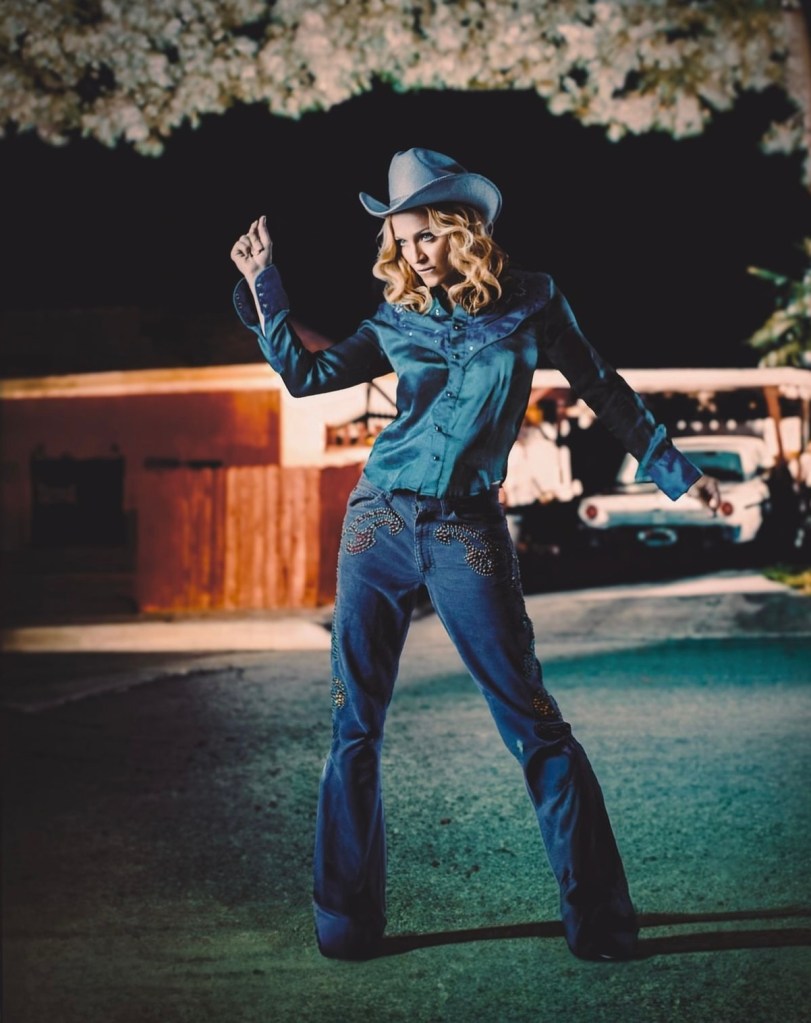
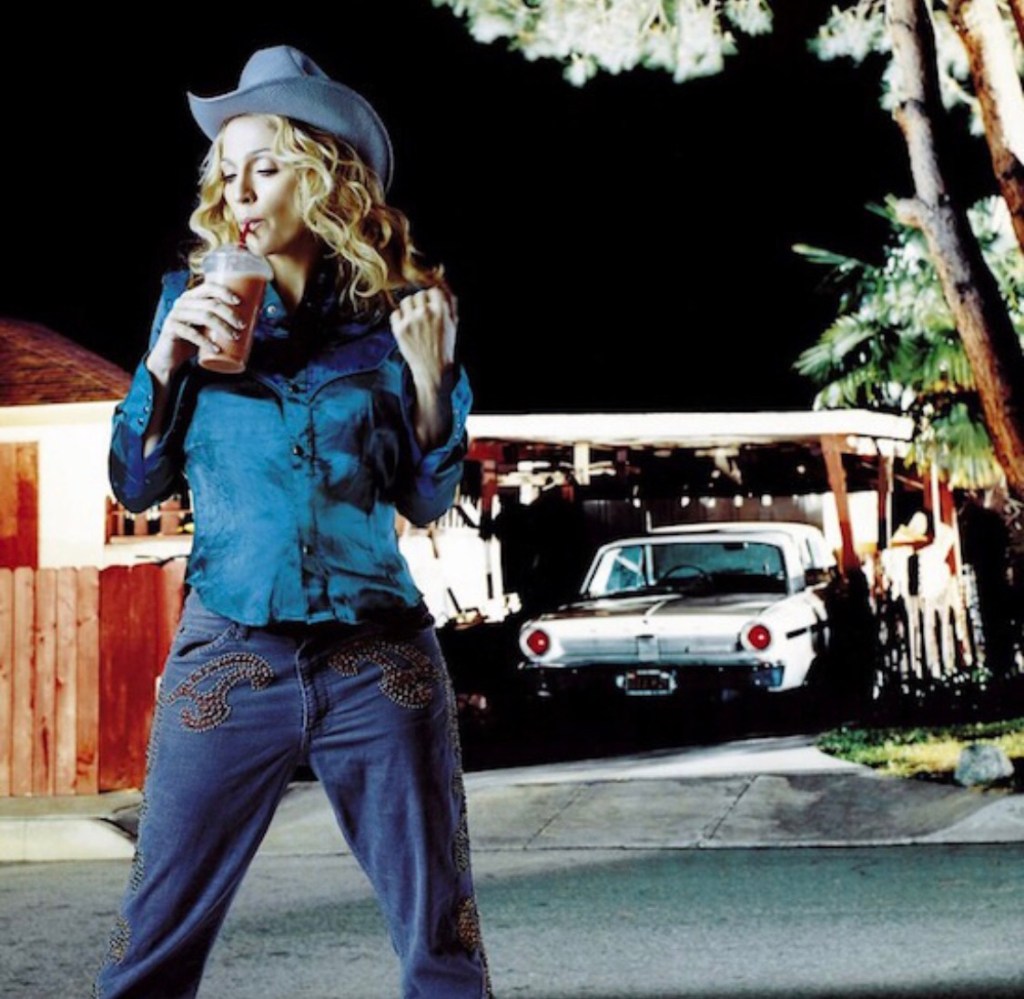
Visually, Music created one of Madonna’s most distinctive era identities, blending Western styling, limousine glamour, club culture and digital-age cool. The cowboy hat became the era’s signature object, but it was never simple costume. It turned Americana into pop theatre: rhinestones, denim, leather, line-dance gestures, mirrored clubs and celebrity excess all colliding in one bright, ironic frame.
Madonna’s image was playful but controlled, using humour, sexuality and distance to keep the viewer slightly off balance.
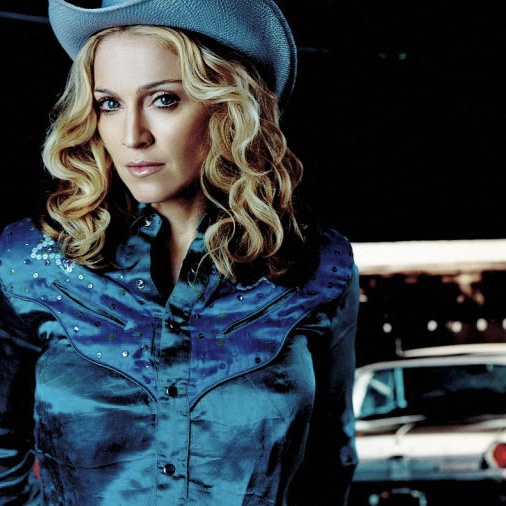
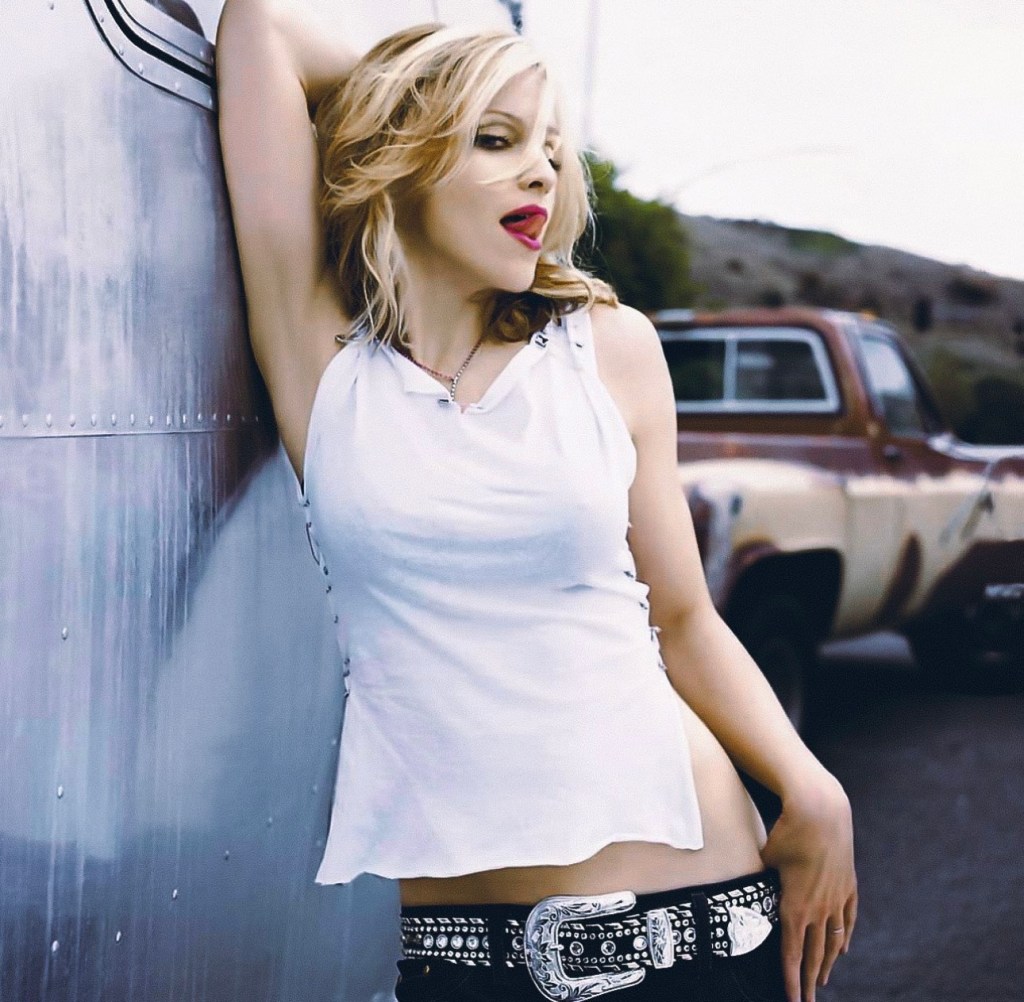
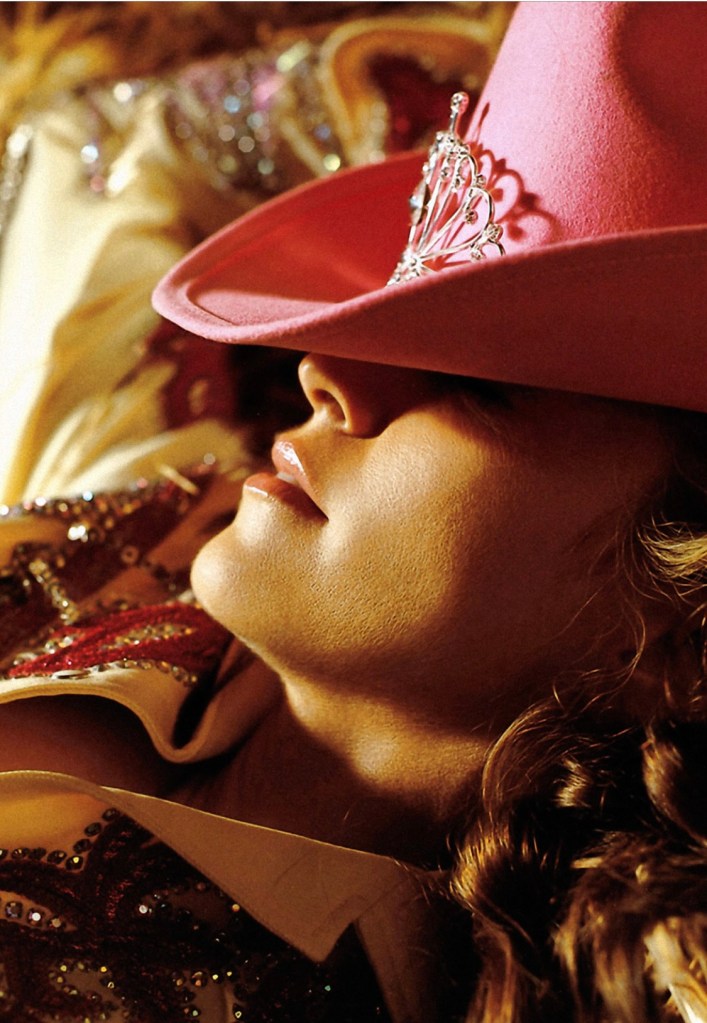
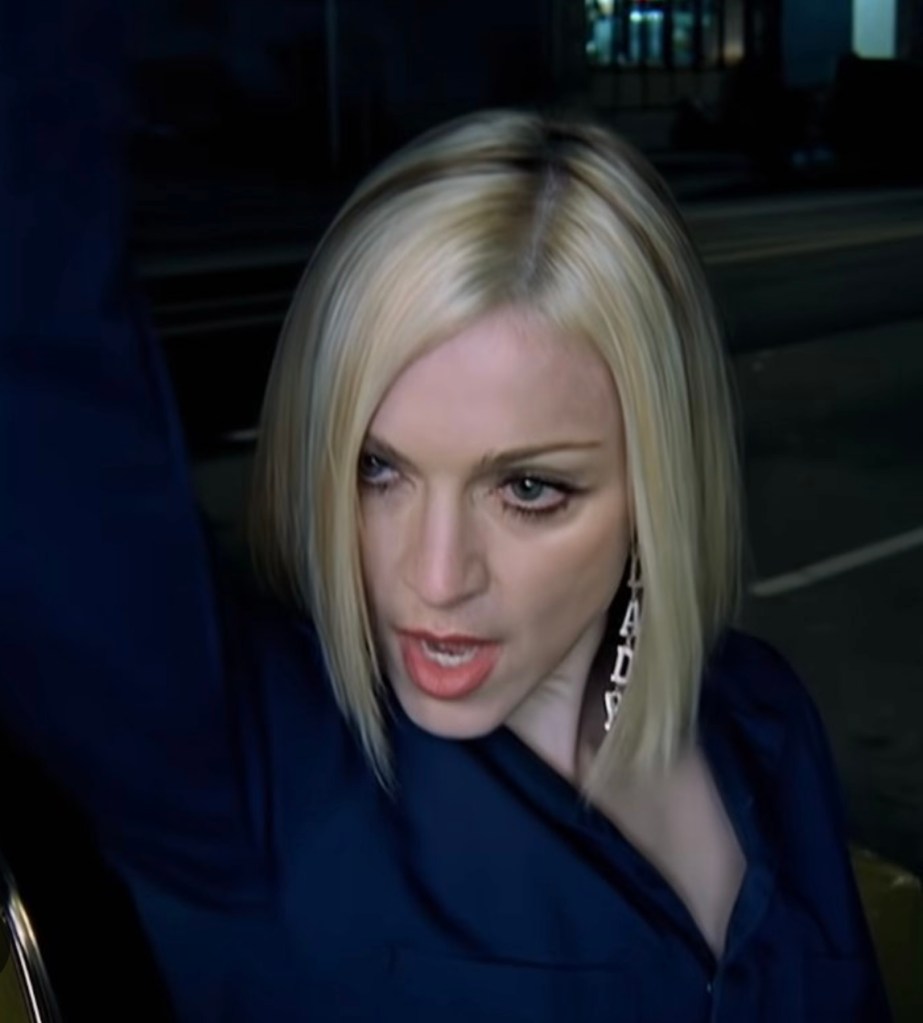
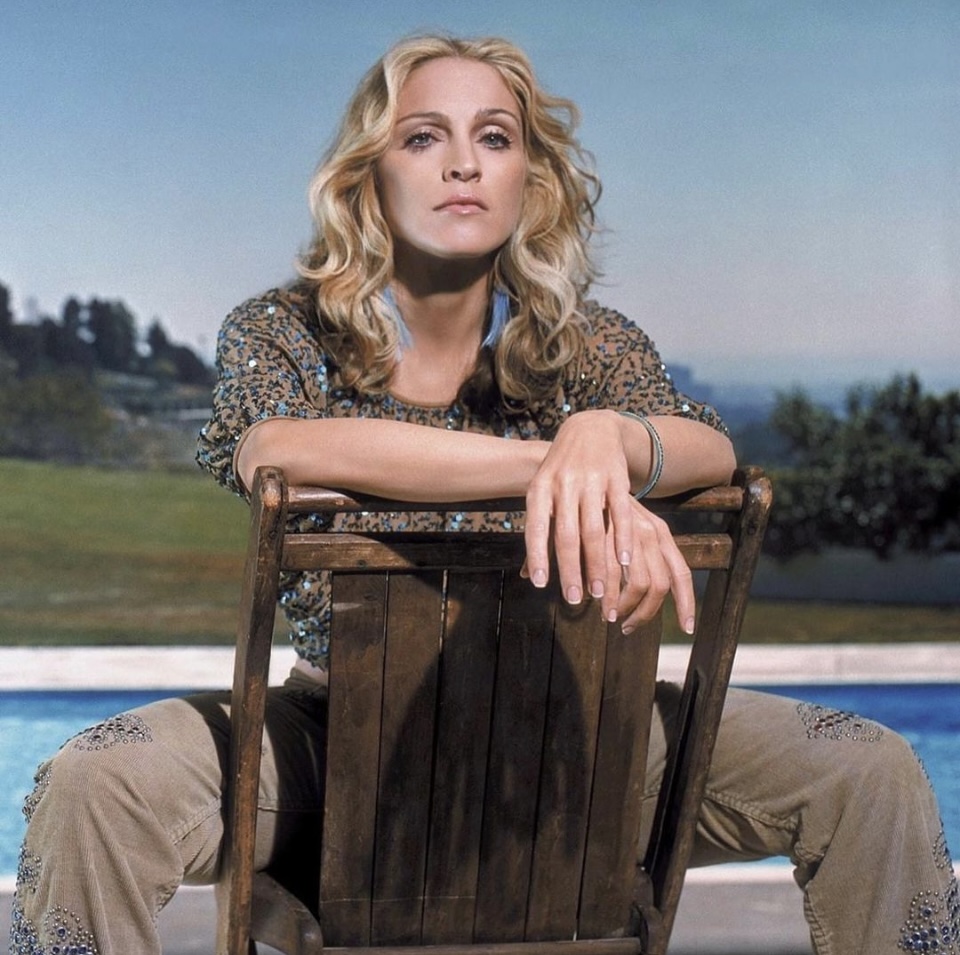
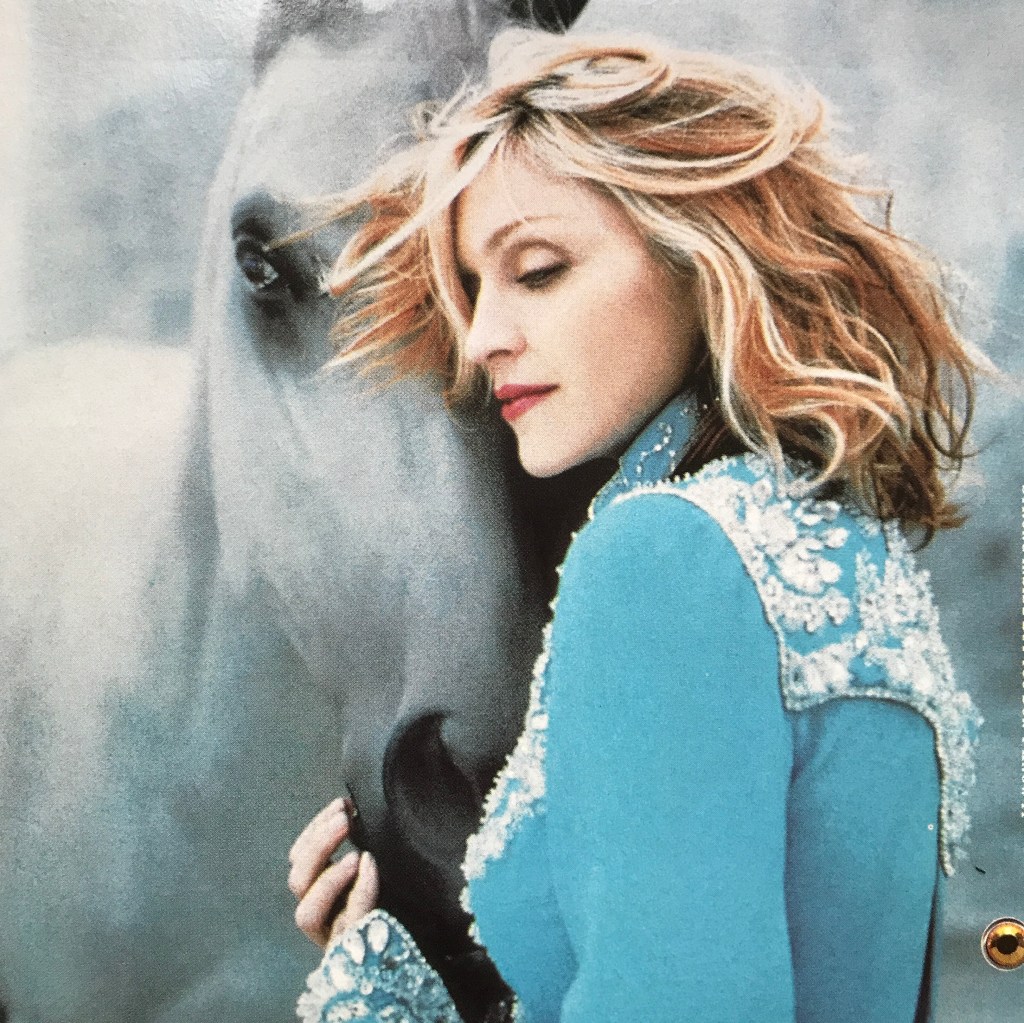
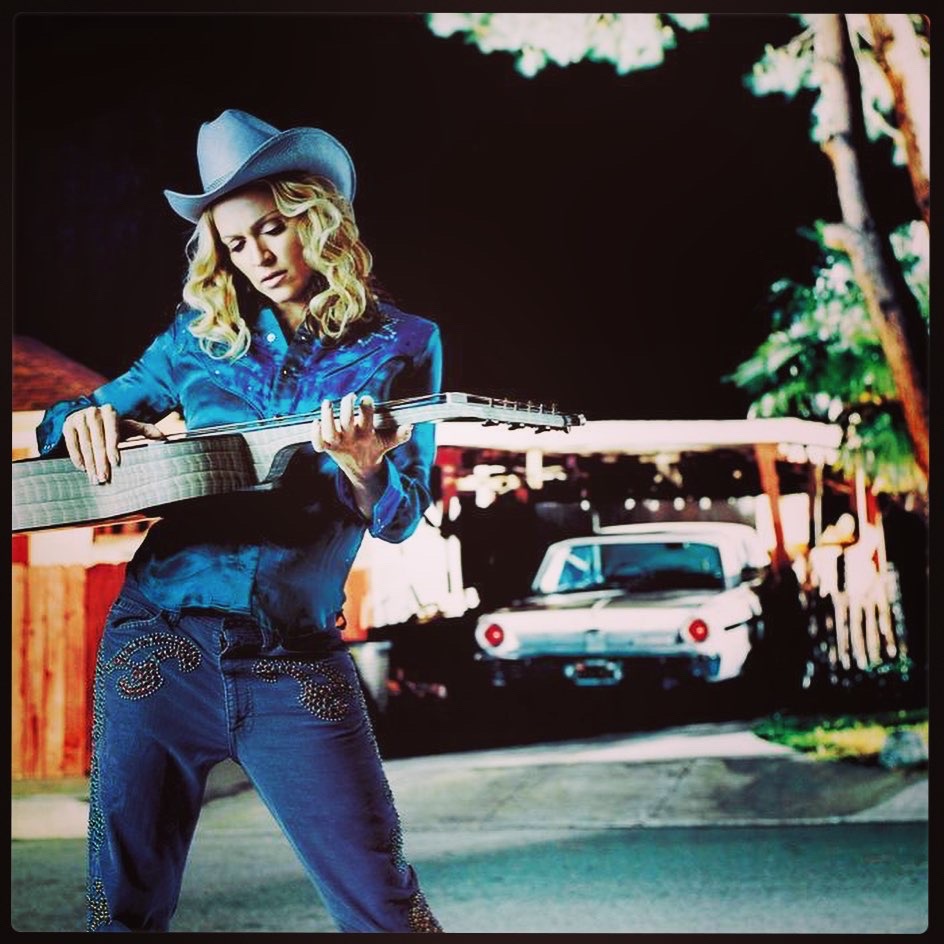
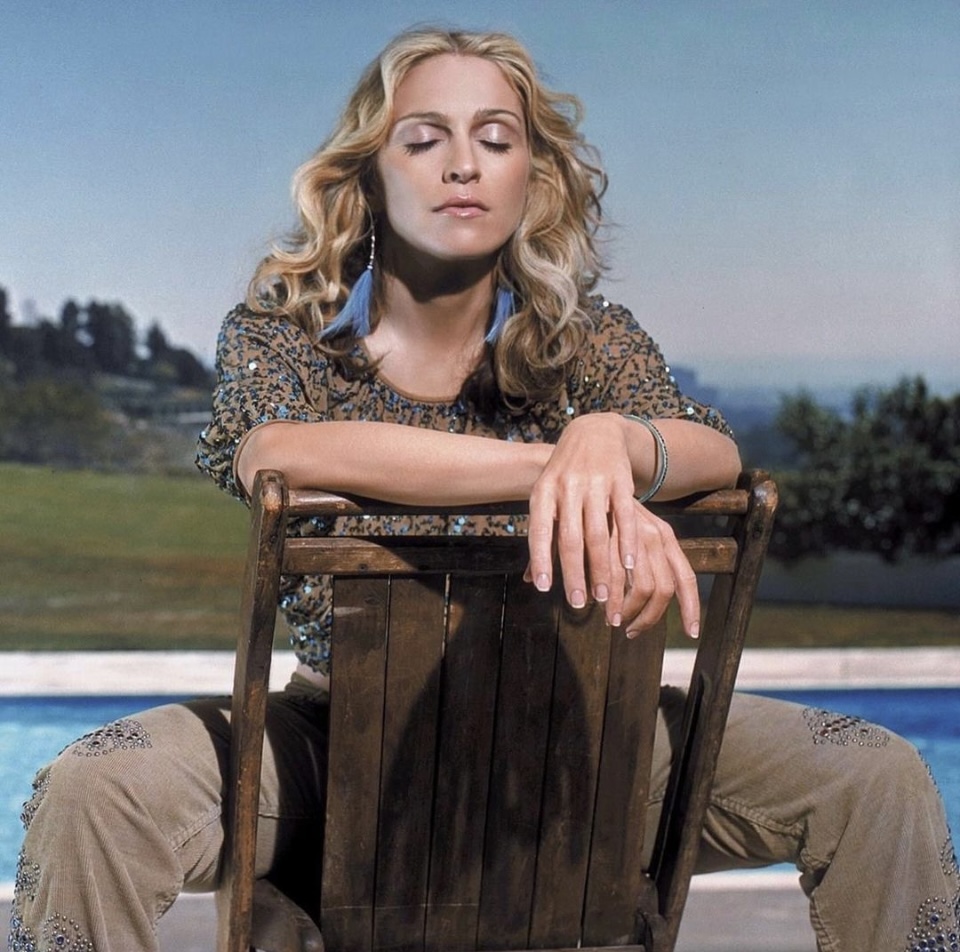
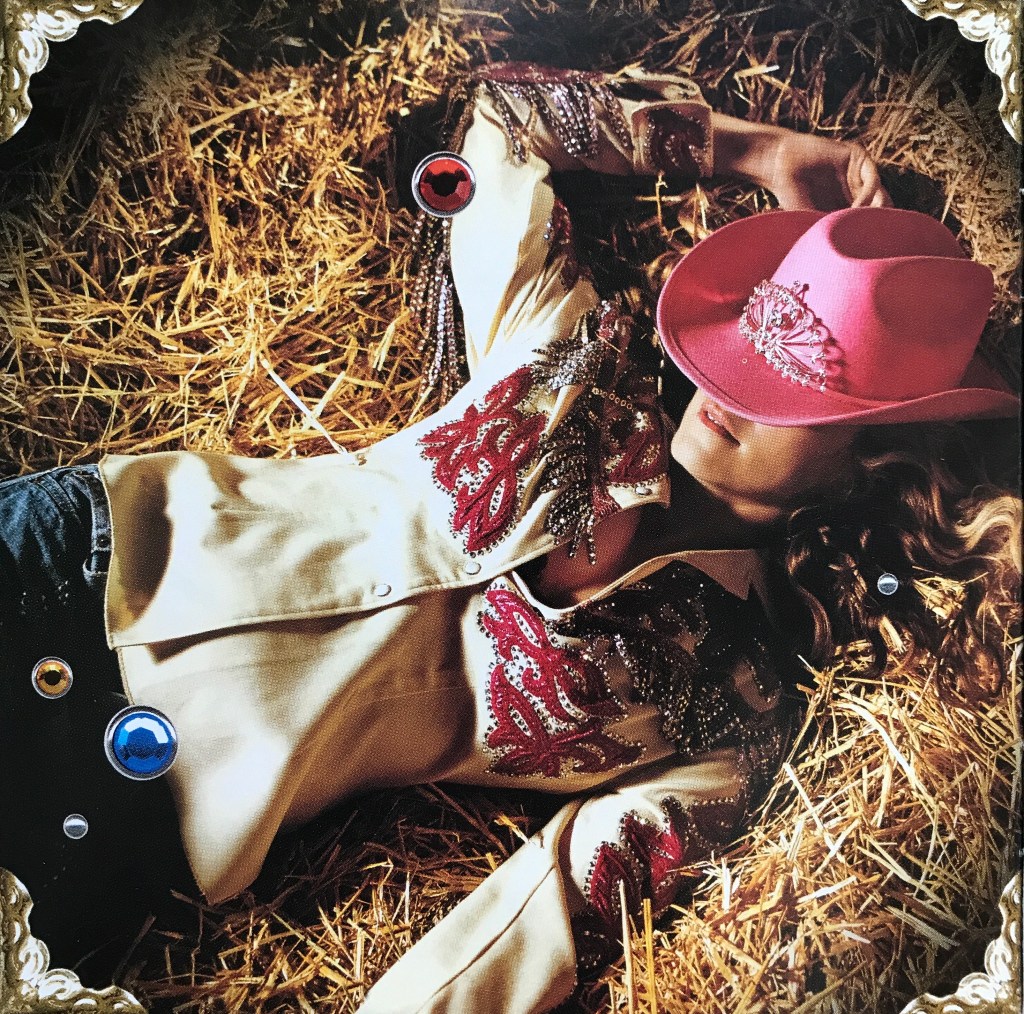
The visual world of Music works because it refuses purity. It takes country signifiers, European electronic aesthetics, urban nightlife and high-fashion detachment, then splices them together into something unmistakably Madonna. The videos, artwork and performances present an artist moving between worlds: rural and digital, intimate and artificial, comic and severe. In Music, the cowboy hat is not nostalgia. It is a signal flare. Madonna rides into the new millennium with a guitar in one hand, a vocoder in the other, and the dance floor still waiting.
 Madonna