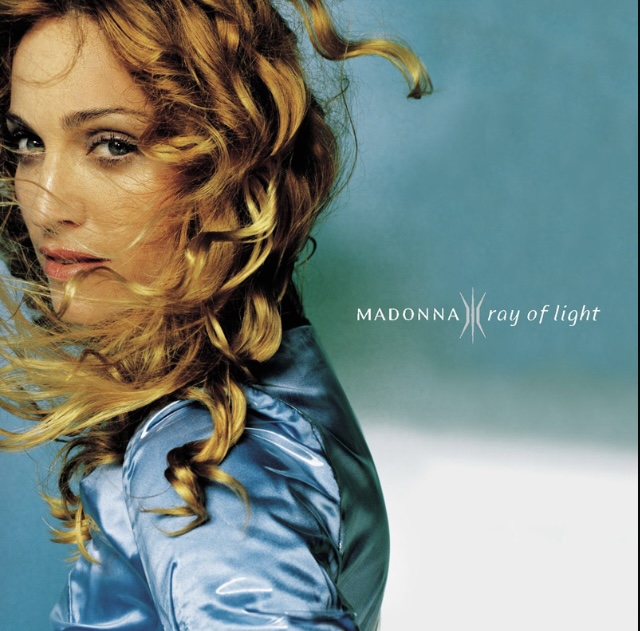
Album
Released in 1998, Ray of Light stands as one of Madonna’s most profound artistic renewals. Working with William Orbit, she created an album that fused electronic music, ambient textures, trip-hop, dance-pop and spiritual reflection into something luminous, searching and emotionally expansive. Shaped by motherhood, grief, fame, mysticism and a sharper awareness of time, the album revealed a more contemplative Madonna without softening her edge. Ray of Light feels both human and cosmic: a record about transformation, but also about finally standing still long enough to feel it.
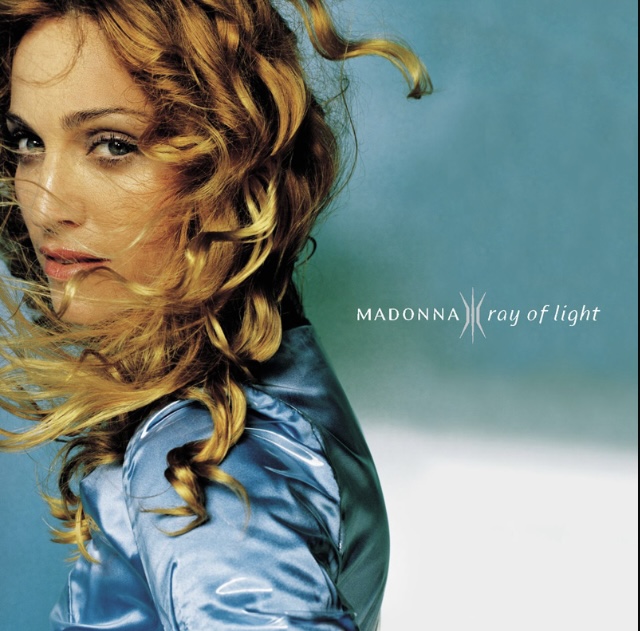
Ray of Light
3 March 1998
Madonna, William Orbit, Patrick Leonard, Marius de Vries
Maverick / Warner Bros.
Track list
- Drowned World/Substitute for Love
- Swim
- Ray of Light
- Candy Perfume Girl
- Skin
- Nothing Really Matters
- Sky Fits Heaven
- Shanti/Ashtangi
- Frozen
- The Power of Goodbye
- To Have and Not to Hold
- Little Star
- Mer Girl
Ray of Light remains one of Madonna’s most acclaimed and enduring albums because it allowed reinvention to become introspection rather than spectacle alone. Its sound is spacious, textured and forward-looking, yet its emotional core is intimate and deeply grounded. Madonna does not abandon the dance floor; she opens the ceiling above it. The album moves through loss, wonder, desire, memory and spiritual awakening with rare cohesion. By the end, Ray of Light feels less like a comeback than a clearing of the sky: a moment where Madonna redefined maturity as energy, curiosity and grace under electricity.
Singles
The singles from Ray of Light gave the album a remarkable range of public entry points.
Frozen introduced the era with a dark, cinematic sweep, presenting Madonna as remote, reflective and almost elemental. The title track, Ray of Light, followed with ecstatic velocity, turning spiritual release into one of her most thrilling dance-pop moments. Drowned World/Substitute for Love brought the focus inward, questioning fame and emotional dependency, while The Power of Good-Bye and Nothing Really Matters extended the album’s themes of release, attachment and transformation.

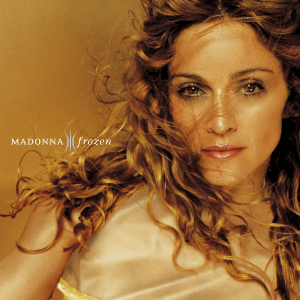

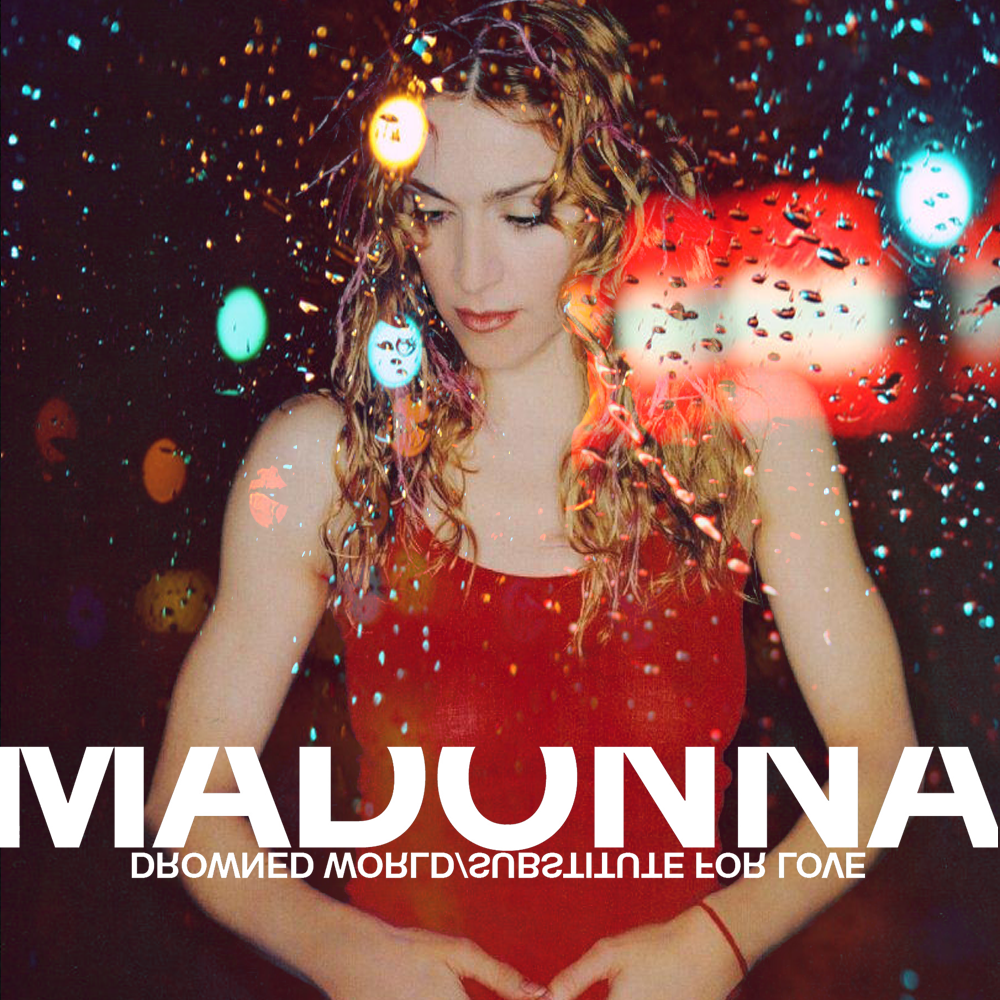
Across its singles, Ray of Light showed Madonna at a rare point of balance: commercially powerful, artistically adventurous and emotionally exposed. Each release illuminated a different part of the album’s architecture, from the frozen desert of longing to the rush of transcendence and the quiet ache of letting go. These singles did not simply represent the album; they deepened its mythology. Together, they made Ray of Light feel like an era of awakening, where pop could still be glamorous, but also philosophical, wounded and vast.
Visuals
Visually, Ray of Light created one of Madonna’s most elegant and atmospheric identities.

The era drew on mysticism, nature, desert landscapes, water, light, henna, flowing fabrics and a more pared-back sense of beauty. Madonna’s image became softer but not weaker, more spiritual but never vague. The visuals often placed her between earth and sky, body and spirit, technology and nature. After years of controlled provocation and theatrical identity-play, Ray of Lightpresented a Madonna who seemed newly elemental: wind, water, light and nerve.


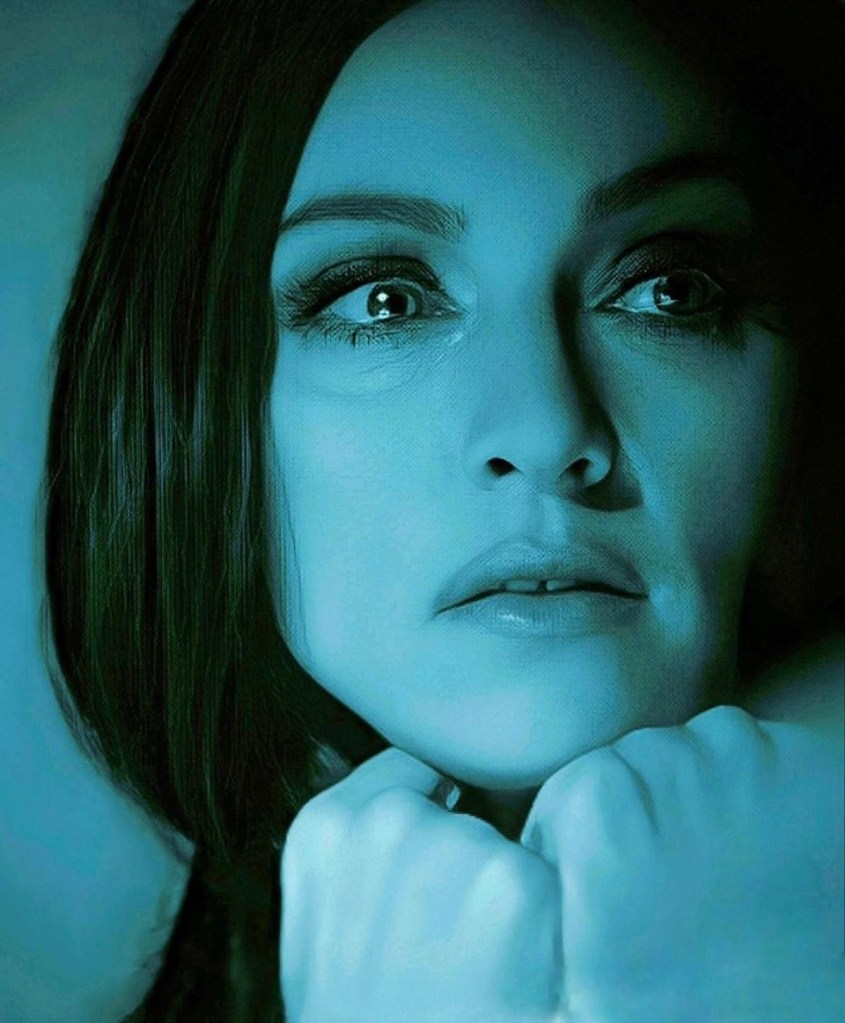
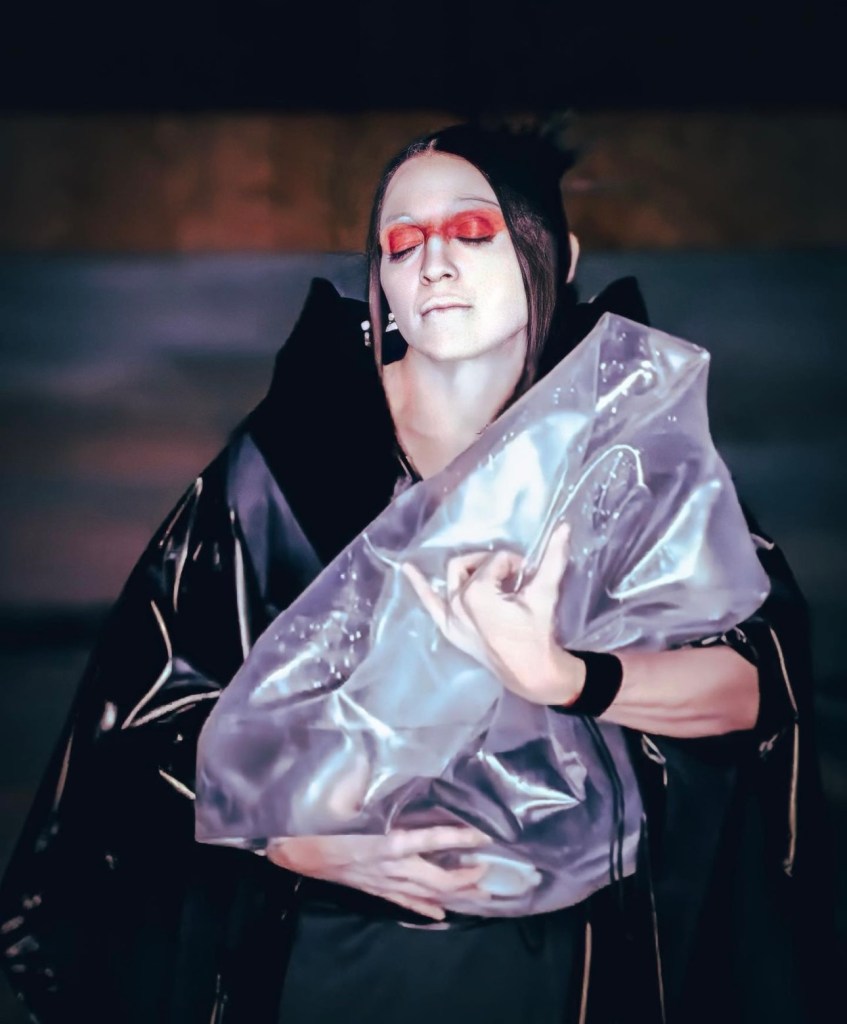

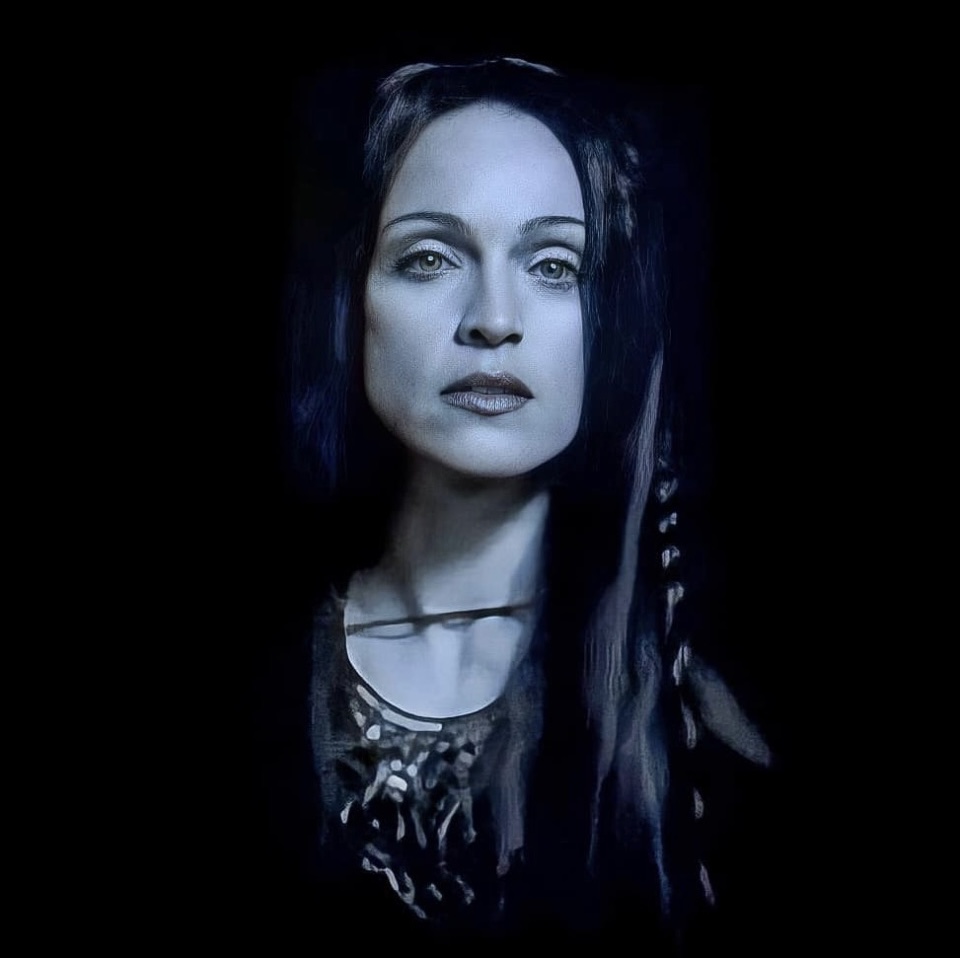
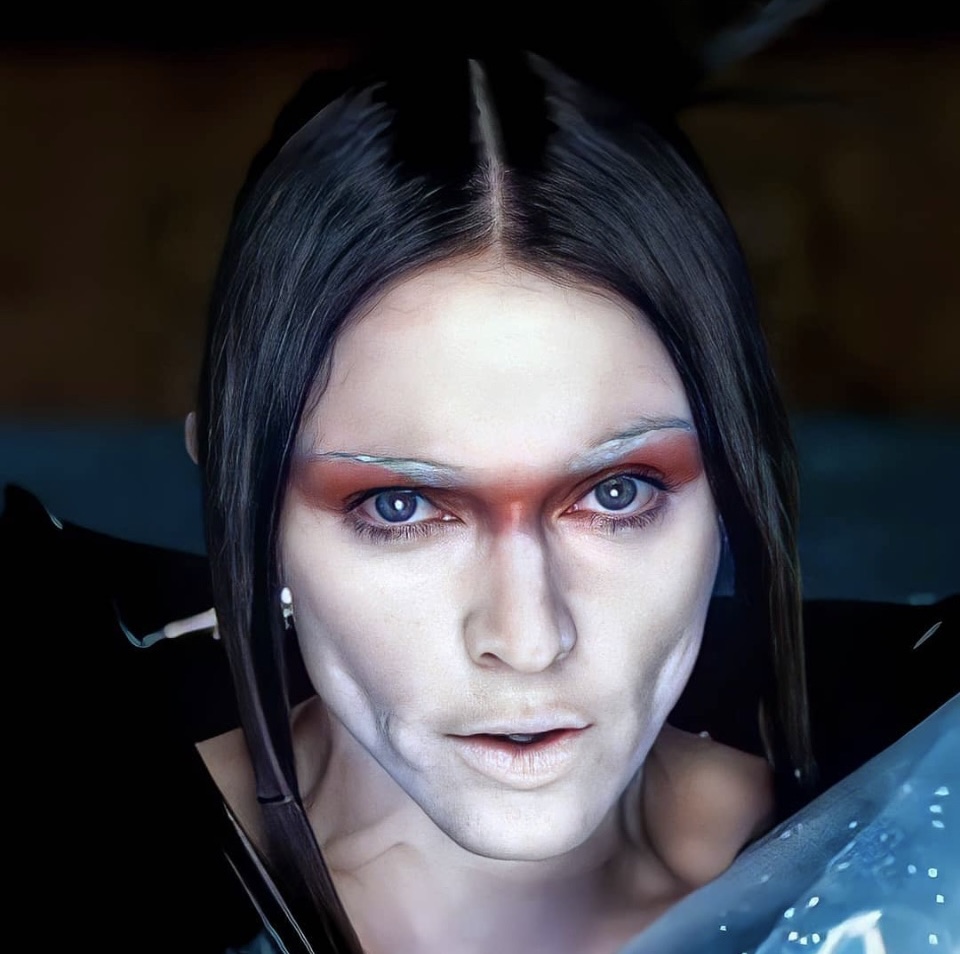


The visual world of Ray of Light remains powerful because it gave Madonna space to breathe. The videos, artwork and performances replaced hard spectacle with atmosphere, symbolism and emotional scale. From the black-winged stillness of Frozen to the accelerated city rush of Ray of Light, the era captured both contemplation and motion. Its imagery suggested not an artist withdrawing from pop, but one expanding its vocabulary. In Ray of Light, Madonna became less a figure posed against the world and more a force moving through it: illuminated, unsettled and transformed.
Designed with WordPress
 Madonna