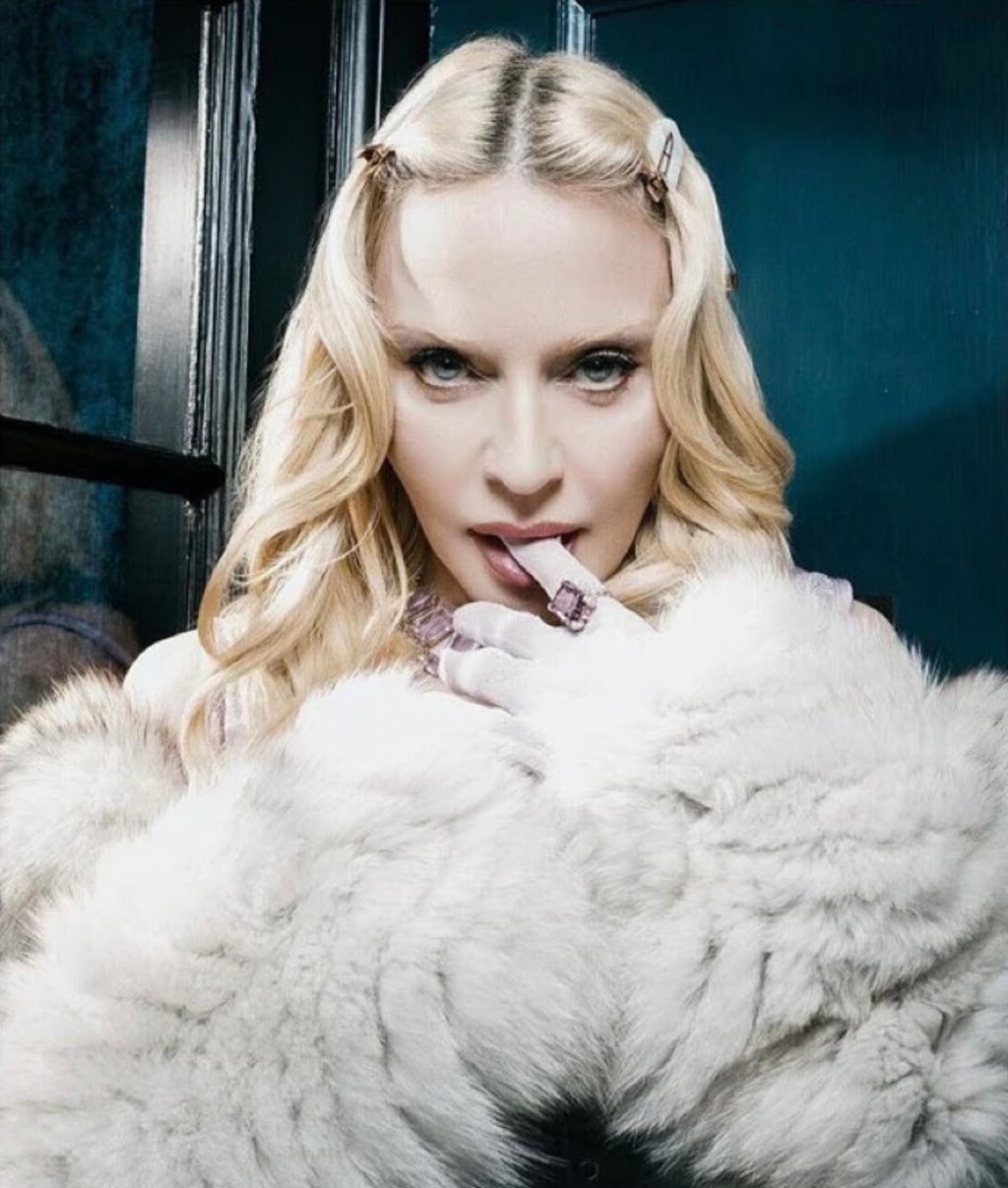
Madonna is returning to the Tribeca Festival this June with the world premiere of Confessions II, a new visual film created to accompany her forthcoming studio album.
Directed by David Toro and Solomon Chase, the New York-based creative duo known as TORSO, the film is built around the first six tracks from Madonna’s upcoming album, including “I Feel So Free” and “Bring Your Love” with Sabrina Carpenter.
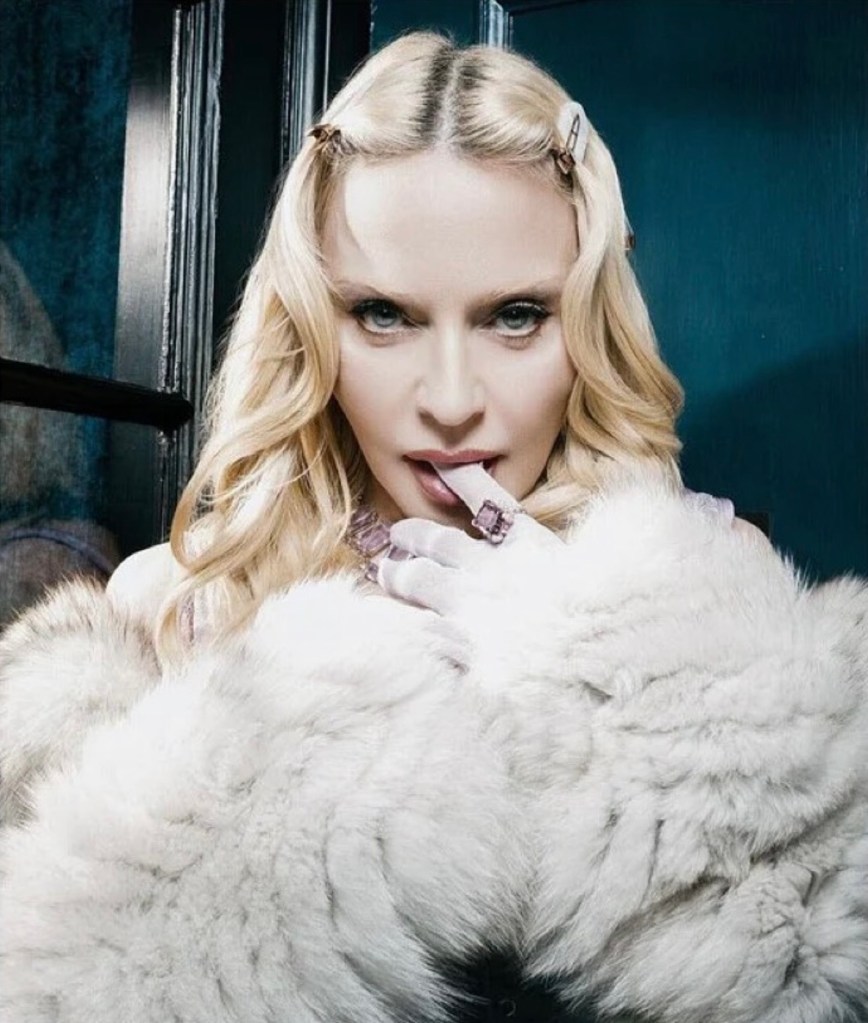
The premiere will take place on Friday 5 June 2026 at the Beacon Theatre in New York, followed by an exclusive conversation with Madonna, Toro and Chase, moderated by Jimmy Fallon.
The event forms part of the 2026 Tribeca Festival, where Madonna’s return carries a particular resonance. She previously appeared at Tribeca in 2008 with I Am Because We Are, the documentary she wrote, produced and narrated about children orphaned by AIDS in Malawi. Eighteen years later, she returns not with a documentary, but with something more nocturnal, physical and club-coded: a cinematic entry point into the world of Confessions II.
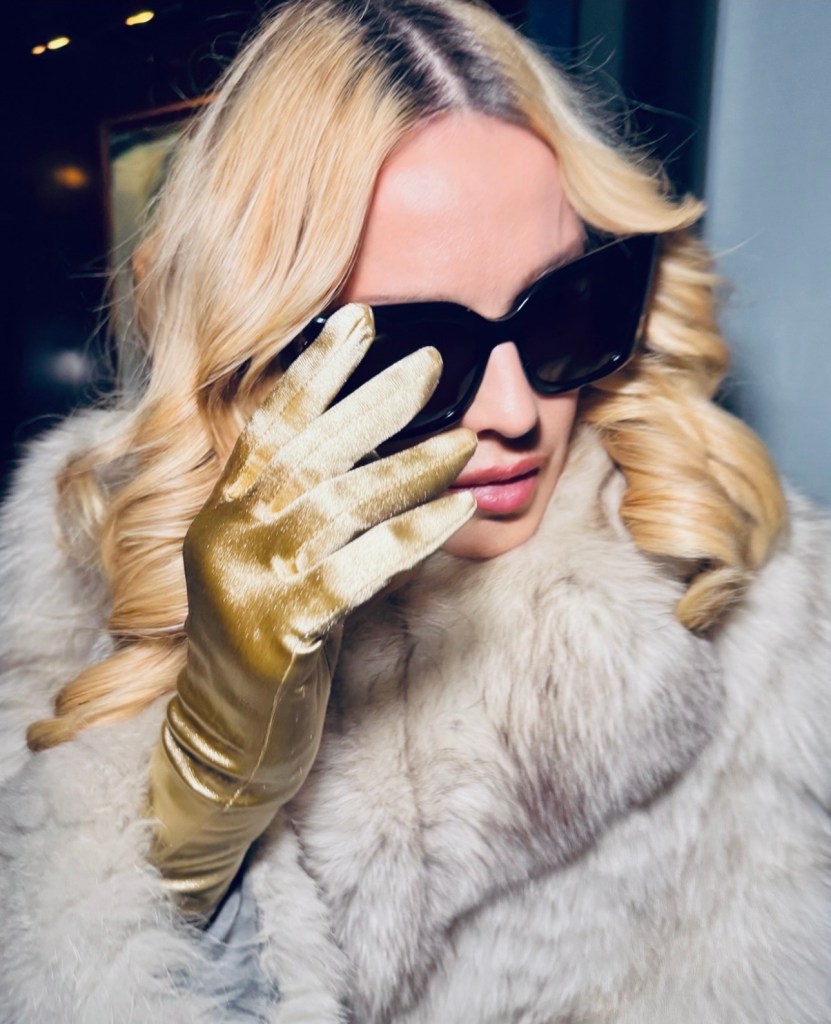
The album itself, due for release on 3 July 2026 via Warner Records, is the follow-up to Madonna’s celebrated 2005 dance record Confessions on a Dance Floor. That original album framed the dance floor as escape, confession, release and communal ritual. Two decades later, Confessions II appears to return to that same sacred space, but with a darker lens: more fever dream than mirrorball, more pursuit than pure abandon.
Tribeca describes the film as an ambitious visual work of more than ten minutes, unfolding as one continuous piece rather than a conventional sequence of separate videos. Each song becomes part of a wider cinematic movement, blurring the boundaries between tracks and chapters. The result is not simply a promotional clip, but a tightly choreographed visual statement: music given body, atmosphere and narrative pressure.
Confessions II lives in the tension between control and surrender, between being seen and disappearing into the crowd.
The film follows the emotional architecture of a “fucked-up night out”, moving through spaces where music, desire, performance and surveillance collide: the bedroom, the club bathroom, the car, the arena and even nature itself. Madonna is pursued, observed and ultimately worshipped by a camera-wielding group of femmes, turning the gaze itself into part of the ritual.
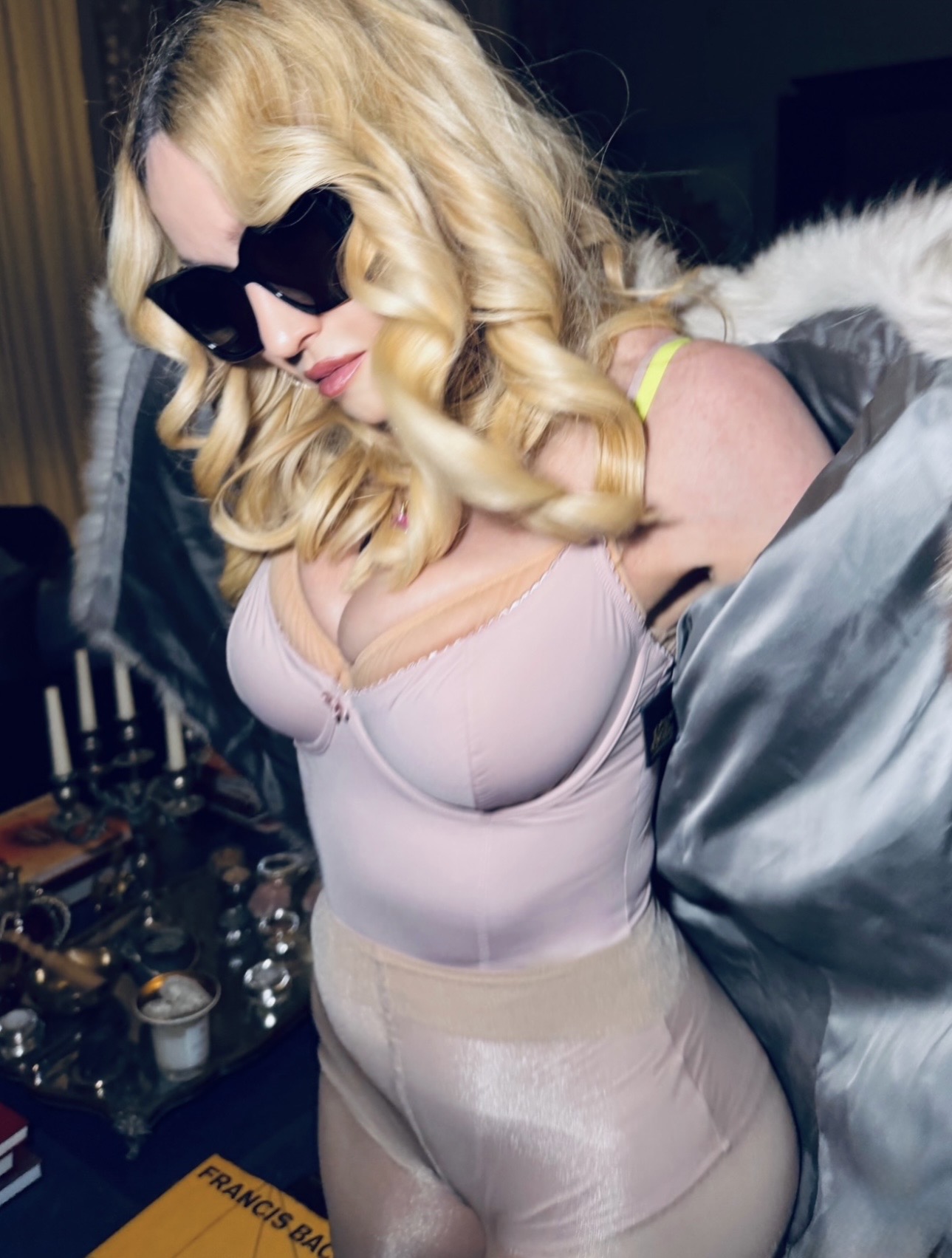
What makes this especially potent is how directly it connects with Madonna’s long-standing visual language. Her career has always understood that pop music does not live by sound alone. It needs image, movement, costume, bodies, danger, humour, provocation and myth. From Truth or Dare to Ray of Light, from Erotica to Madame X, Madonna has repeatedly treated the screen as an extension of the song. With Confessions II, she appears to be doing it again, but through the language of contemporary nightlife: surveillance, fandom, intimacy, spectacle and surrender.
Tribeca Festival co-founder Jane Rosenthal described Madonna’s reinvention as “its own art form”, calling Confessions II immersive, provocative and completely of the moment while still drawing on the kind of nightlife mythology only Madonna could create.
TORSO’s involvement feels significant. David Toro and Solomon Chase work across photography, fashion film, runway direction, music video and commercial campaigns, with a visual language rooted in performance, digital culture and movement. Their world is glossy but unstable, sculptural but alive: exactly the sort of space where Madonna can turn a song cycle into a fever-lit procession.
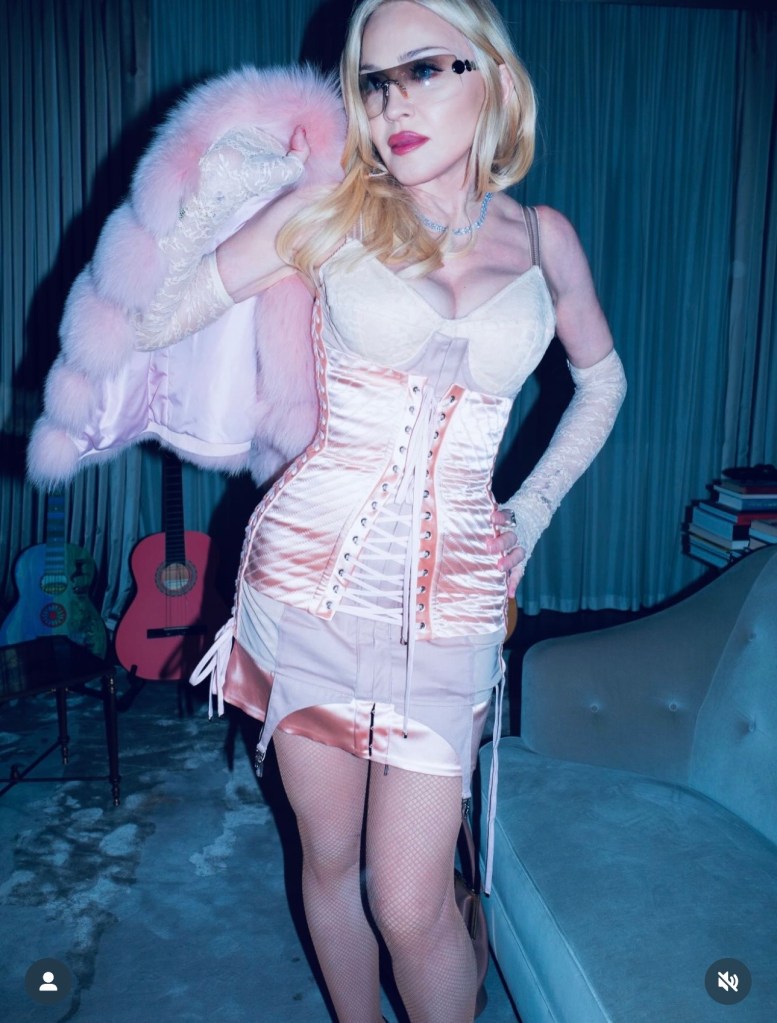
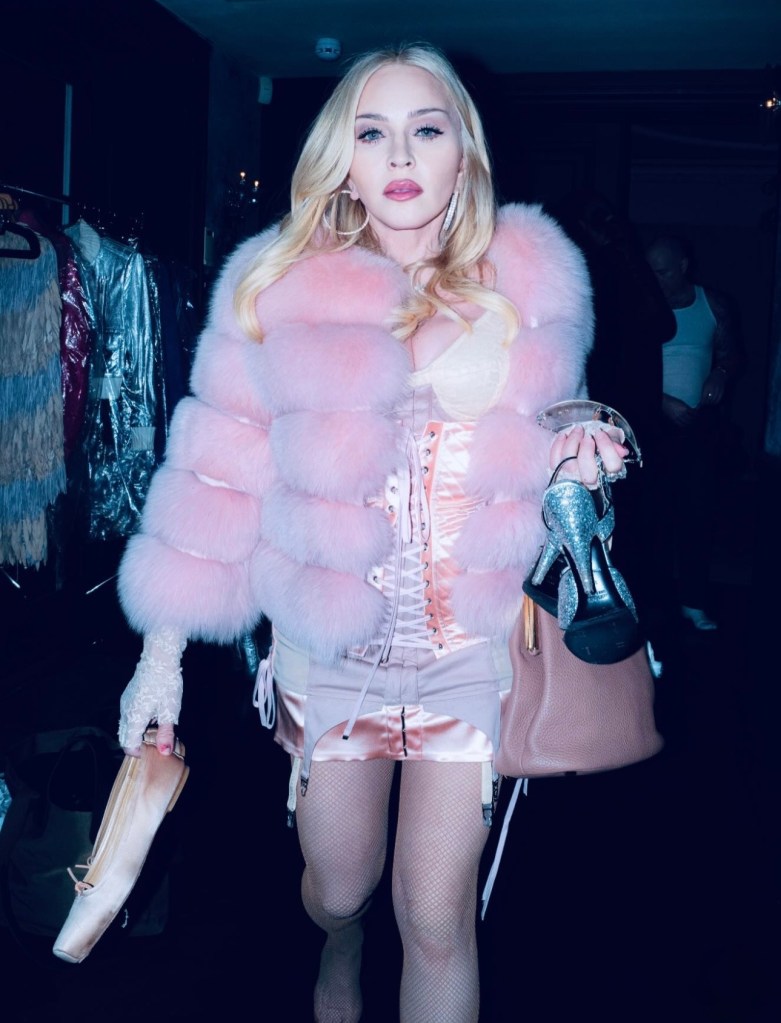
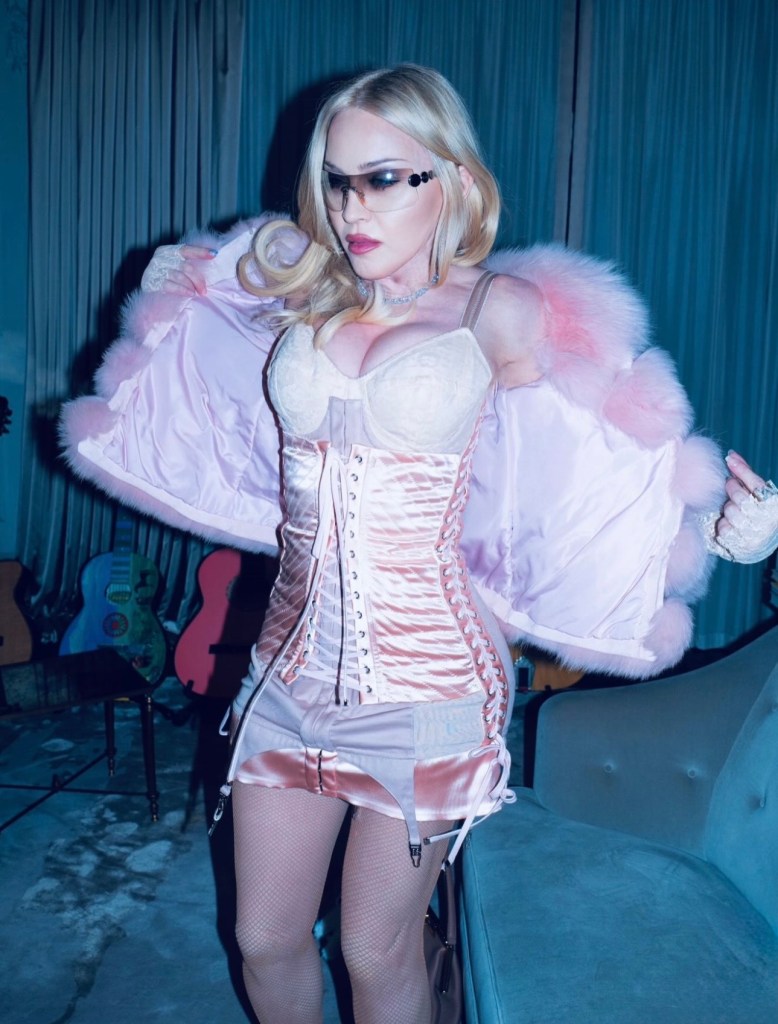
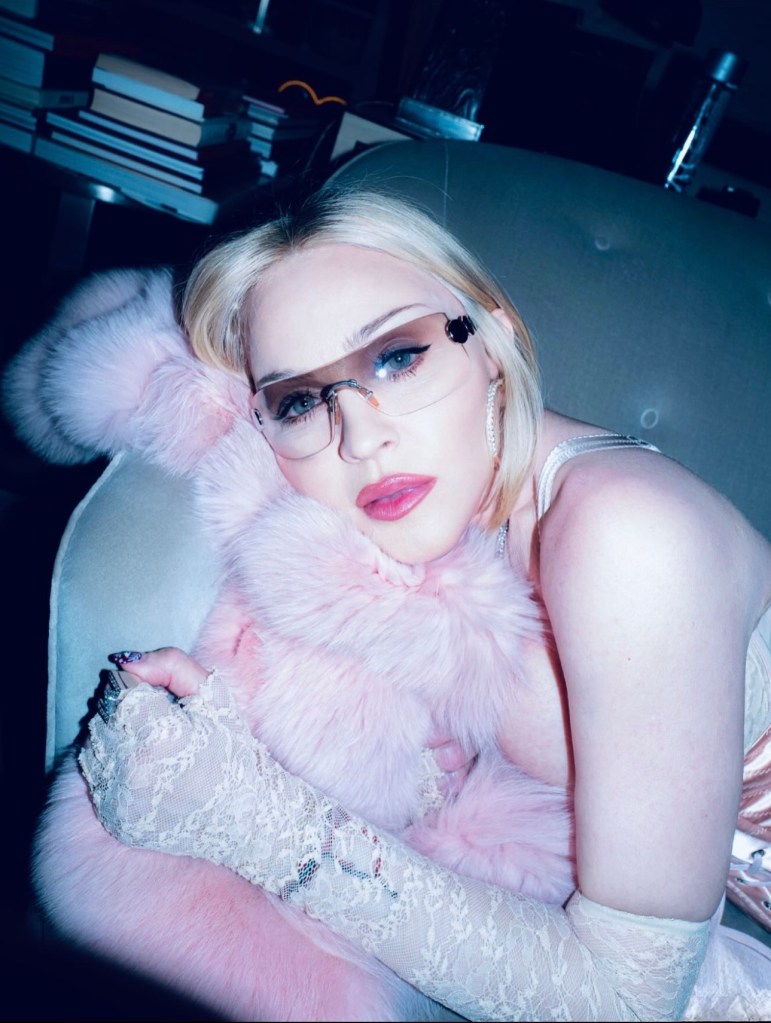
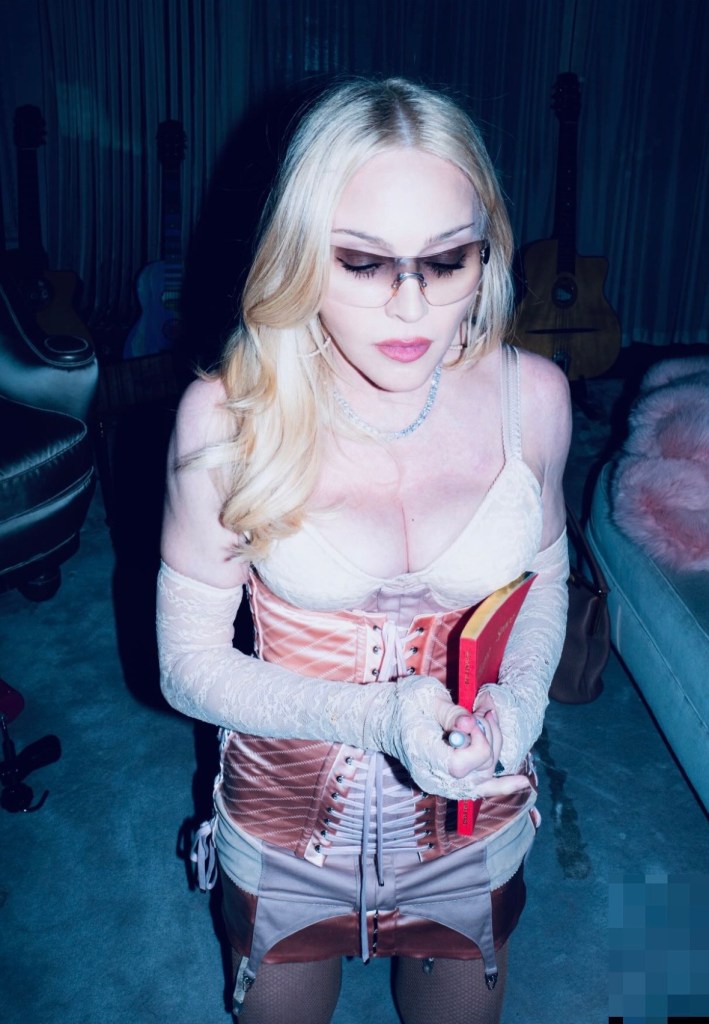
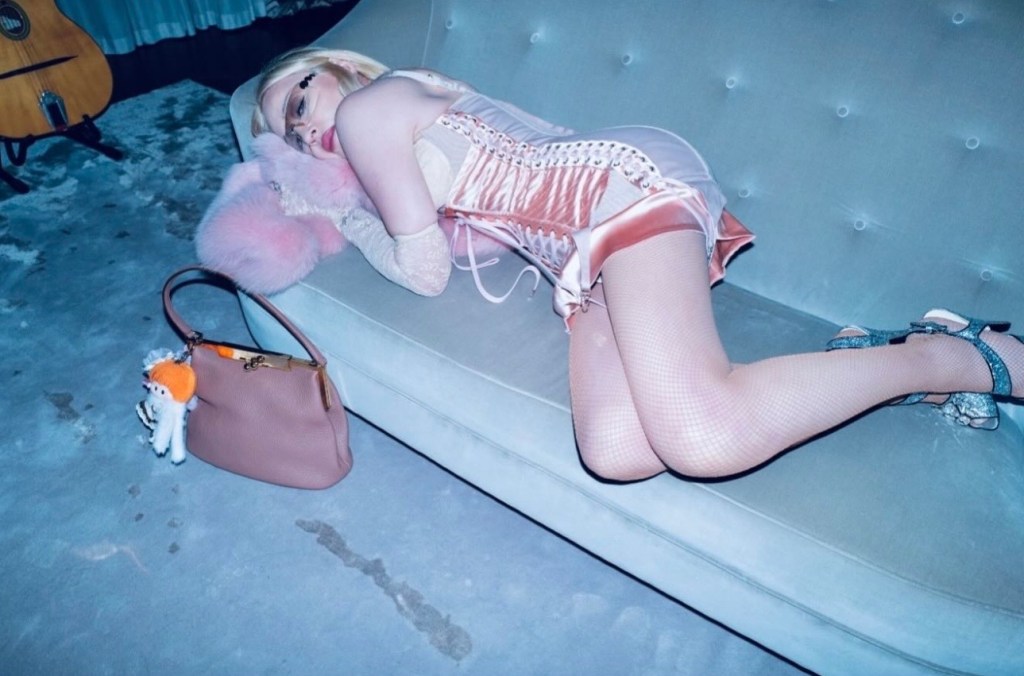
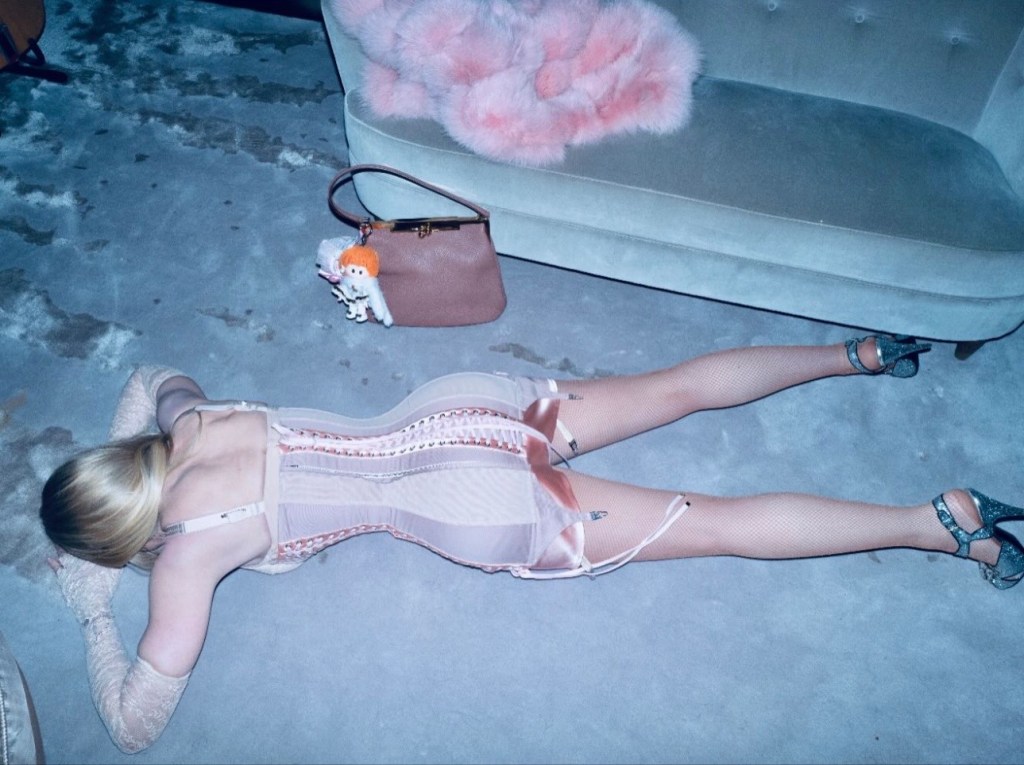
For fans, this premiere feels like more than a festival appearance. It is the first extended glimpse into the architecture of Confessions II: not just how the record sounds, but how it moves, watches, sweats and remembers. Before the album arrives in July, Tribeca gives the new era its first physical space.
And naturally, everything leads back to the hallowed ground.
The dance floor.
 Madonna
Leave a comment