When Fashion Became Confession
Madonna’s 2026 Met Gala appearance was more than a red-carpet moment. It was a statement about art, the body, image, ritual and the enduring power of transformation.
The Met Gala has never simply been about who wore what. At its most powerful, it is a cultural stage: part museum fundraiser, part fashion theatre, part annual reckoning with how bodies, images and ideas move through the world.
In 2026, that stage felt particularly suited to Madonna.
Held on 4 May 2026, the Met Gala marked the opening of Costume Art, the Metropolitan Museum of Art’s major spring exhibition from the Costume Institute. The exhibition explores the dressed body across The Met’s collection, pairing garments with artworks to examine the relationship between clothing, body, identity and art. Its dress code, widely reported as “Fashion Is Art”, was less an instruction than an invitation. For Madonna, it was practically home territory.
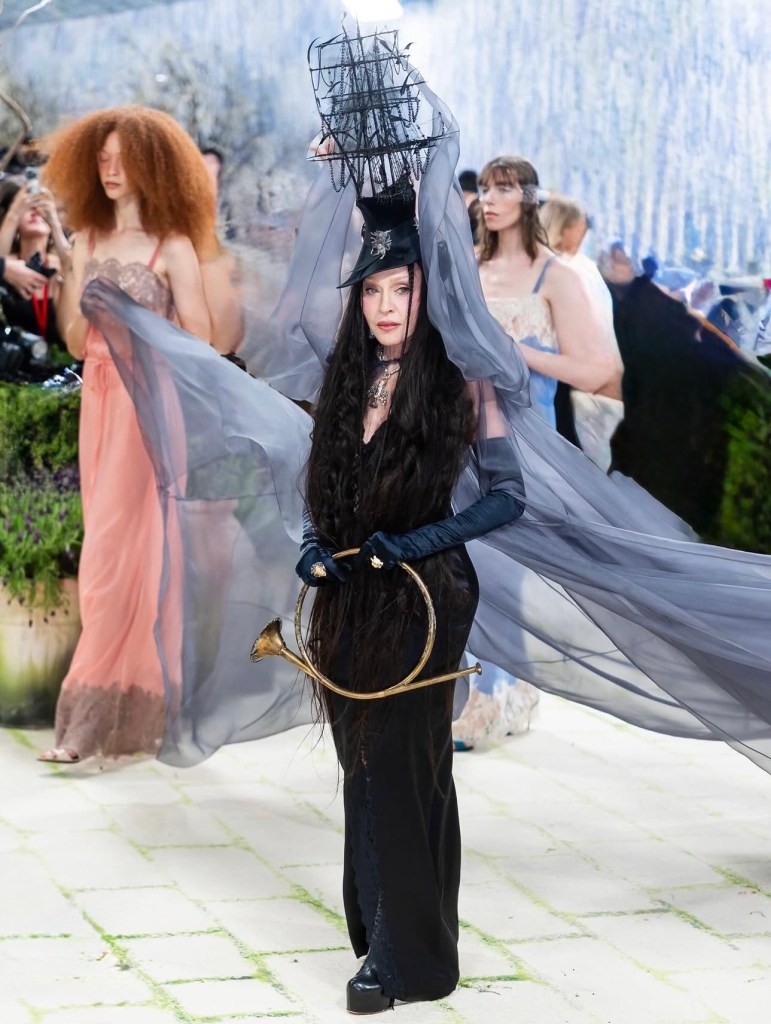
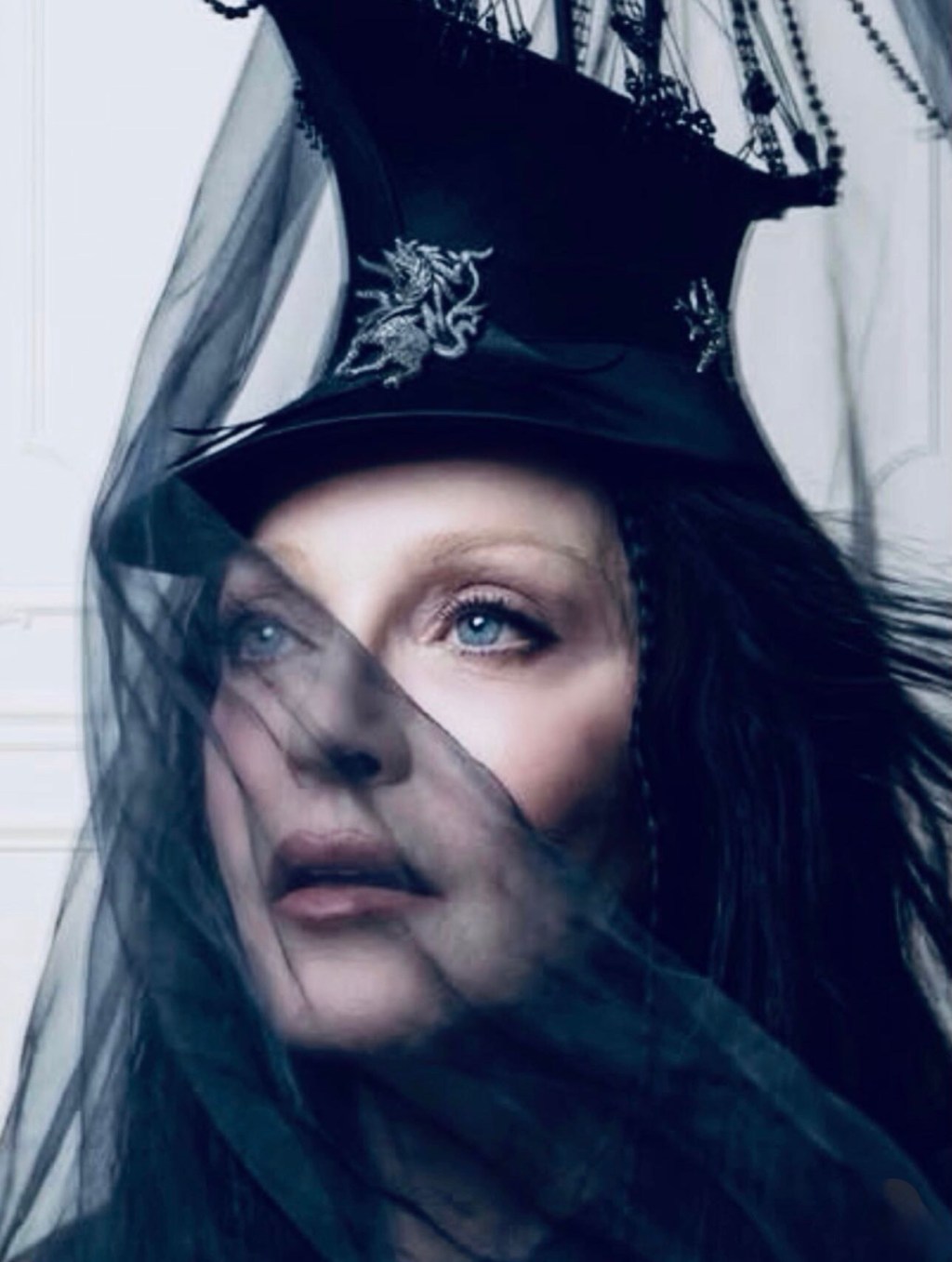
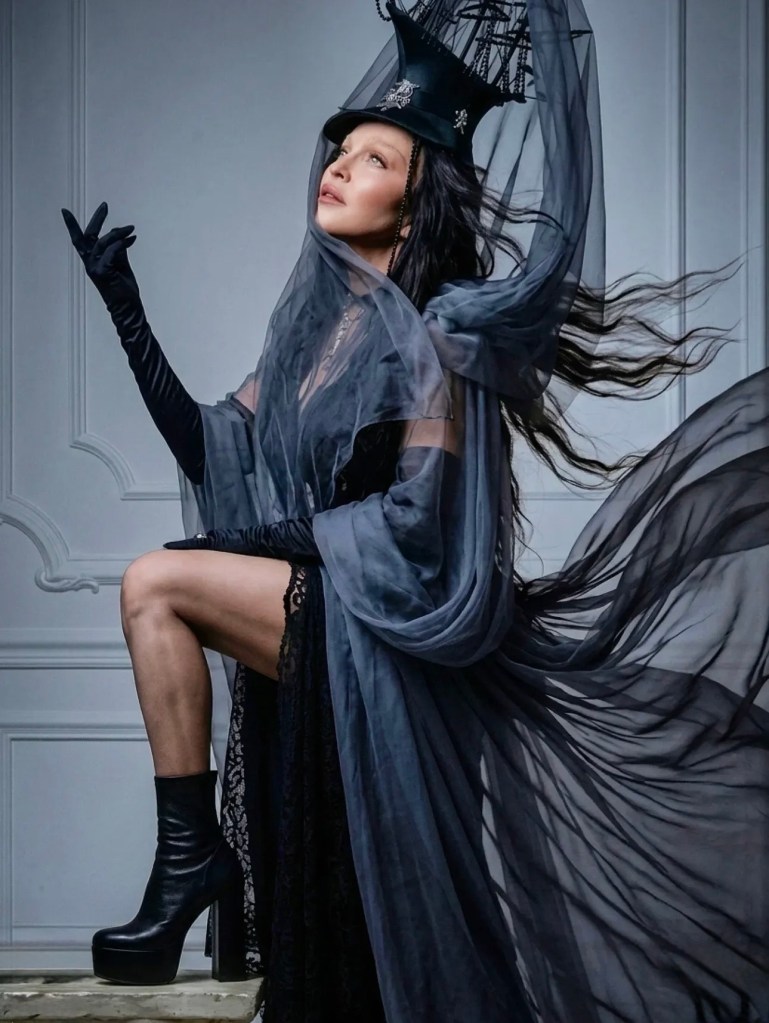
Madonna appeared in a dramatic black Saint Laurent look by Anthony Vaccarello, bringing gothic grandeur, surrealist references and high theatricality to the carpet. Reports connected the look to Leonora Carrington’s painting The Temptation of St. Anthony. Fragment II, making the outfit not just a fashion choice, but a deliberate art reference.
That matters because Madonna has never treated fashion as decoration. Across her career, clothing has been language. Catholic lace, crucifixes, corsetry, menswear, bridal veils, military tailoring, disco armour, equestrian severity, cowgirl denim, geisha styling, boxing robes, Madame X veils: each era has used image as argument. Madonna does not simply wear a look. She weaponises it, blesses it, disturbs it, then leaves it burning gently in the cultural memory.
The 2026 Met Gala theme gave her exactly the right frame. Costume Art asks us to consider fashion through the body, and Madonna’s entire career has been built on that territory. Her body has been a site of performance, control, sexuality, devotion, ageing, resistance and reinvention. She has always understood that pop is not only heard. It is seen, staged, photographed, copied, condemned and remembered.
Her appearance also arrived at a charged moment in the wider Madonna story. With Confessions II being publicly discussed ahead of its July 2026 release, the Met Gala became more than a glamorous appearance.
It operated as a visual overture. The dance floor, the body, the ritual space, the art reference, the black-clad drama: all of it felt aligned with a new chapter rooted in movement, transformation and spiritual theatre. British Vogue’s coverage of her Met appearance also placed it in the context of the forthcoming album.
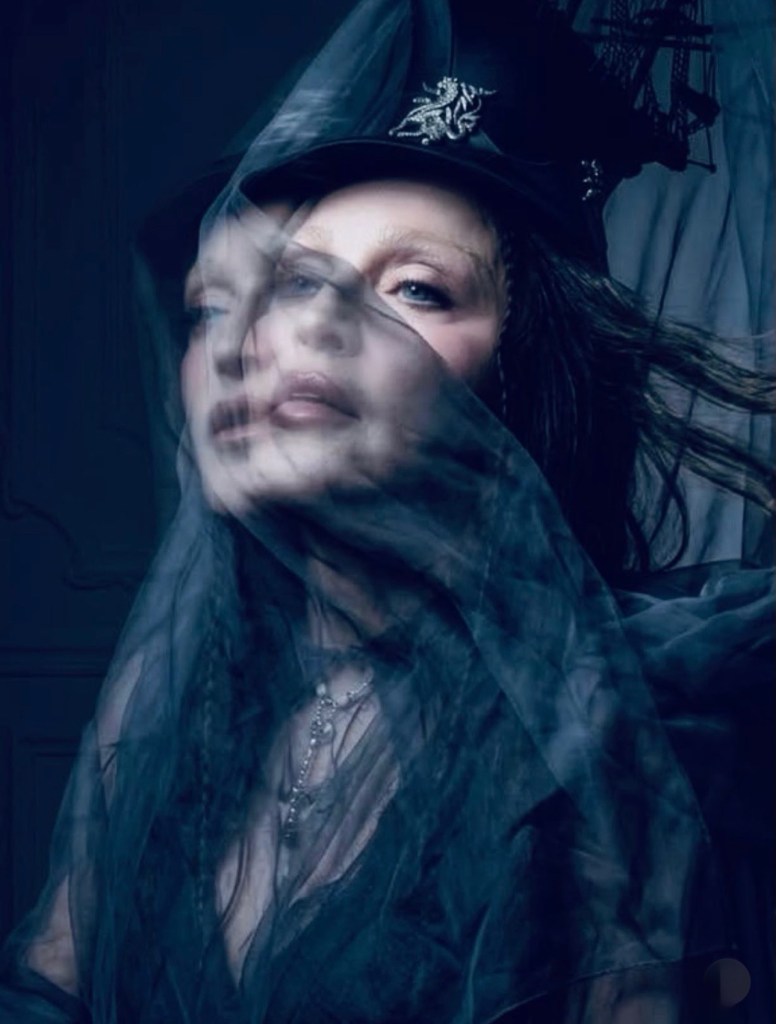
There is something sharply appropriate about Madonna appearing at a gala built around fashion as art. Few artists have done more to collapse the boundaries between music, image, costume, body and performance. From Like a Virgin to Vogue, from Erotica to Ray of Light, from Confessions on a Dance Floor to Madame X, she has turned style into structure. The look is never merely the wrapping. It is part of the work.
So why did Madonna appear at the Met Gala in May 2026?
Because the theme belonged to her vocabulary. Because the body as art has always been one of her great subjects. Because costume, for Madonna, is confession. And because the Met Gala remains one of the few stages large enough for a pop artist who has spent four decades turning reinvention into ritual.
In 2026, Madonna did not just attend the Met Gala. She entered it as an archive, an artwork and a warning flare for what comes next.
 Madonna
Leave a comment