
When the Dance floor Entered the Grid
Madonna’s Confessions II rollout does not simply return to the dance floor. Through Grindr, it places the album inside a queer digital space where desire, identity, music and community already circulate.

Confessions II
A darker current beneath the surface — rhythm stripped back, voice drawn closer, the dance floor reduced to its most intimate form. Not spectacle, but contact.
Madonna has never treated an album release as merely a date on the calendar. At her best, she builds a world around the music: a visual language, a mood, a set of references, a ritual space. With Confessions II, that world has extended somewhere both intimate and unmistakably contemporary: Grindr.
On 24 April 2026, Grindr announced that it had partnered with Madonna for the global launch of Confessions II, ahead of the album’s release on 3 July 2026. The campaign was described as an in-app takeover, featuring exclusive content, dynamic location-aware moments, behind-the-scenes access and limited drops, including a special Confessions II picture disc selected for Grindr users.
That is what makes this release feel so sharply “Grindr-coded”. It is not simply that Madonna has marketed the album to LGBTQ+ audiences. She has placed the campaign inside one of the most recognisable queer digital spaces in the world: the grid, the app, the pocket-sized gayborhood where identity, flirtation, performance, longing and community flicker constantly on screen.
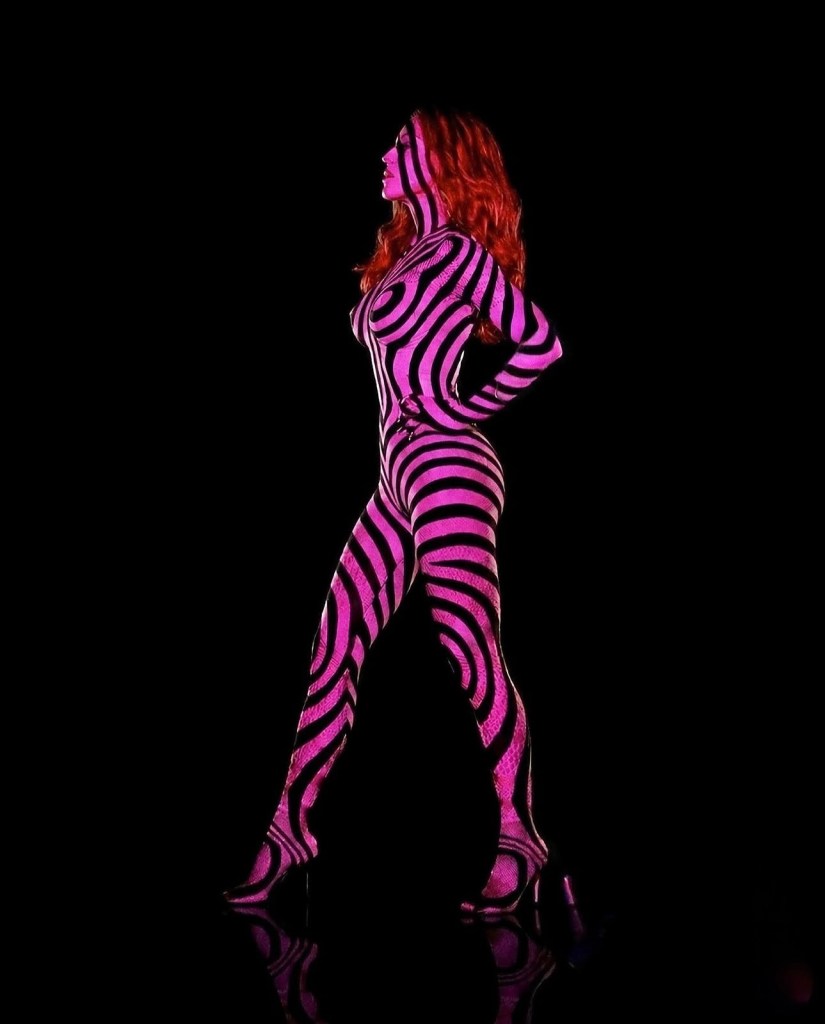
The original Confessions on a Dance Floor belonged to the club. It was continuous, physical, nocturnal and devotional. It understood the dancefloor as a place where bodies gather, dissolve, become anonymous and then become fully themselves. Confessions II appears to understand that the modern dancefloor is no longer confined to a room. It also exists on the phone screen, in the app, in the private-public theatre of the profile, the message, the tap, the nearby body.
Grindr’s own campaign language leans fully into that world. Its announcement says Confessions II is not just launching on Grindr, but “happening inside it”, with users encouraged to open the app, check the grid and enter the experience. The campaign includes a limited-edition vinyl picture disc, exclusive in-app content and behind-the-scenes access.
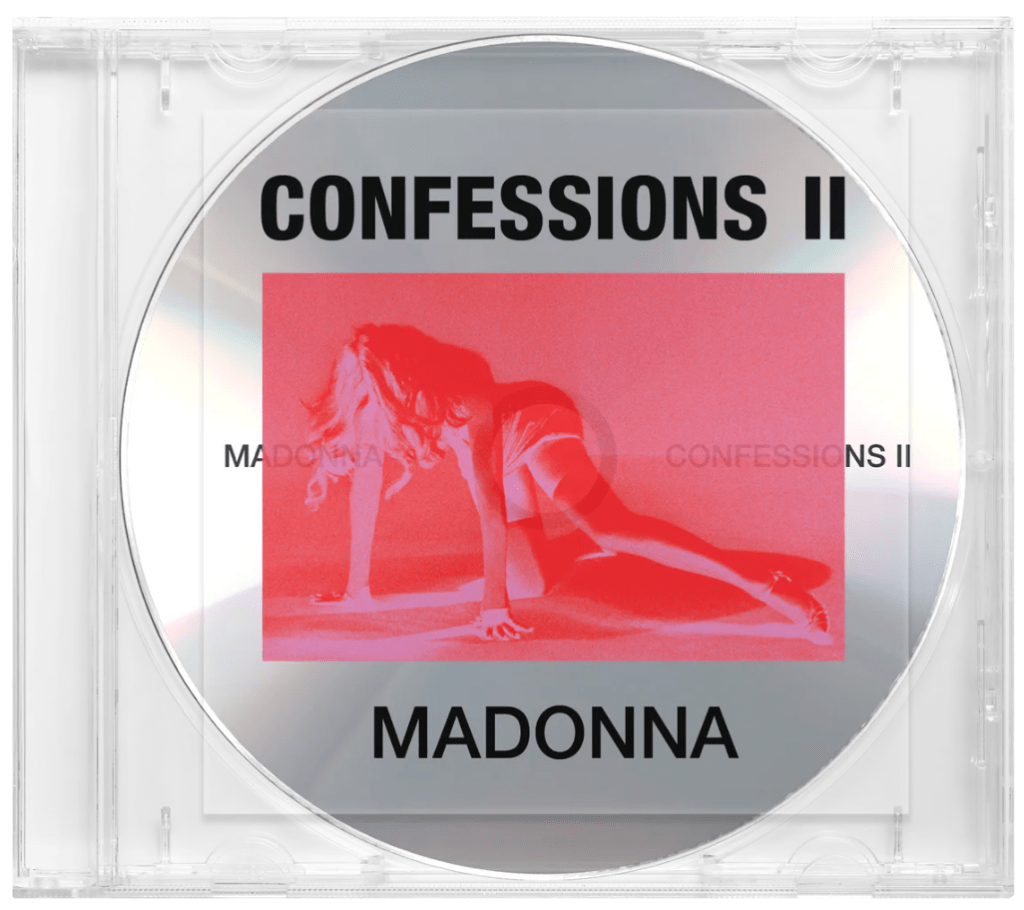
The Warner Music UK store also lists the Confessions II – Grindr Exxxclusive Picture Disc, priced at £19.99, with a release date in the week of 3 July 2026. The product description presents it as a Grindr-specific edition featuring the non-stop mix 12-song album, alternative silhouette artwork and a clear sleeve.
The wording is not shy. Nor should it be. This is Madonna speaking fluently in the codes of queer digital culture: playful, sexual, knowing, communal, slightly dangerous at the edges. The title styling, the “Exxxclusive” branding, the app placement, the limited-edition object, the suggestion that something is being unlocked for those who know where to look: all of it turns the album campaign into a kind of digital cruising ritual.
This matters because Madonna’s relationship with queer culture has never been incidental. From the ballroom references of Vogue to the club-rooted pulse of Confessions on a Dance Floor, from AIDS activism to decades of LGBTQ+ visibility, she has repeatedly drawn from, amplified and performed within queer spaces. That history is complicated, rich and sometimes debated, but it is central to the Madonna story. She has long understood that dance music is not superficial. It is social architecture. It gives people somewhere to go when the wider world has refused them room.
The Grindr partnership recognises that queer space has changed. The club still matters. The bar still matters. Pride still matters. But the grid matters too. It is where people gather without gathering, where the self is edited and exposed, where fantasy and geography collide. By placing Confessions II there, Madonna is not simply chasing a demographic. She is acknowledging where part of the dancefloor now lives.
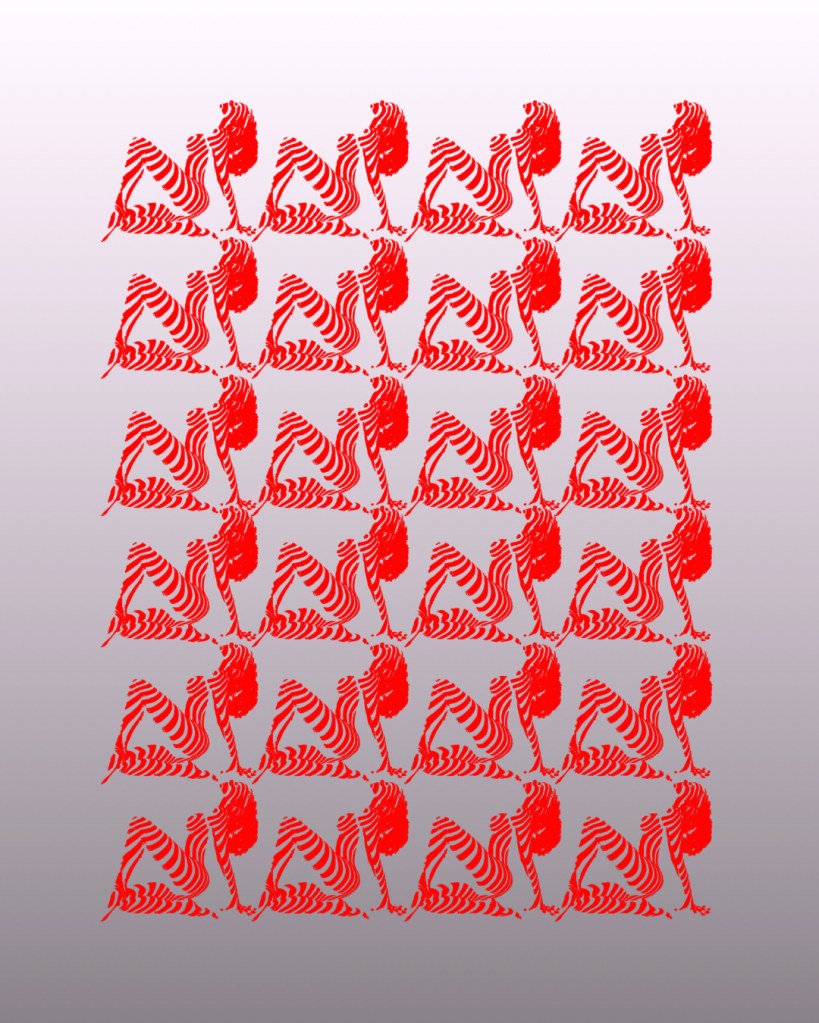
There is also something very Madonna about turning a music launch into an act of placement. The question is not only: what does the album sound like? It is also: where does it appear? Who receives it first? What kind of body, room, screen or ritual does it ask for?
With Confessions II, the answer seems clear. The album is being framed as a return to movement, release and communal pleasure, but filtered through the present tense. The mirrorball is still there, but now it reflects a screen. The club door is still open, but the entrance may be an app. The dancefloor is still sacred, but the invitation arrives through the grid.
Madonna has always known how to make pop feel like a threshold. This time, the threshold is digital, queer, intimate and global.
Confessions II does not just ask us to dance. It asks us to log on, come closer, and recognise that the dancefloor has followed us home.
 Madonna
Leave a comment