Albums


The Echo Movement where the catalogue returns, remixes and keeps moving.
Echo is the movement where Madonna’s past does not sit still. The catalogue returns through remix, collaboration, performance, reissue, quotation and reinvention, but never as simple nostalgia. These works look back while still moving forward, treating history as something active rather than sealed.
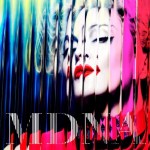
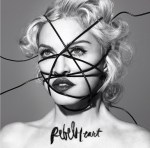
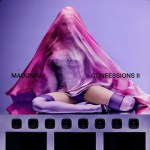
Across this movement, Madonna revisits the body, the club, the archive and the stage. Hard Candy, MDNA, Rebel Heart and Madame X continue the push into collaboration, resistance and fractured identity, while Finally Enough Love, The Celebration Tour and later archive projects place the catalogue itself at the centre of the work.
Echo is not an ending. It is recurrence: songs returning in new forms, images gaining new charge, and a career speaking back to itself across time.
Remixed and Revisited




Singles
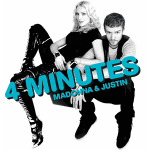
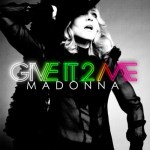


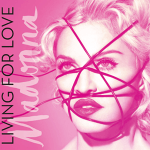
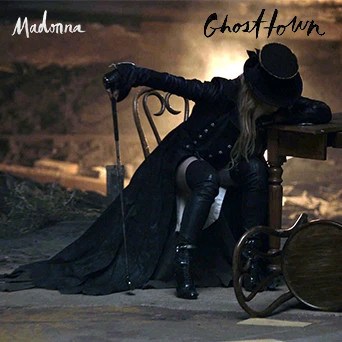





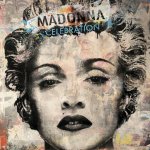
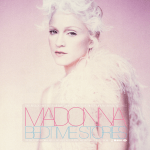
The singles of Echo return Madonna’s language to circulation. Some extend the later albums through collaboration, club sound and resistance; others reactivate earlier songs through remix, quotation and digital culture.
Here, the single becomes an echo chamber: past and present calling to each other across the dance floor.
Echo is built from return signals: old images reappearing with new charge, familiar songs placed in unfamiliar frames, and the archive becoming visible as part of the performance. Its visual language moves through collaboration, fracture, theatre, remix culture and self-reference, treating Madonna’s past as material still capable of changing shape.
Echo is where Madonna’s history starts speaking back. Songs return, images mutate, collaborations extend the frame, and the archive becomes part of the present tense. This movement is not a full stop; it is a loop, a remix, a signal still travelling.
Echo is the movement where Madonna’s history becomes active material. Songs return in new forms, images gather fresh charge, and the catalogue becomes a living language of remix, collaboration, performance and renewal.
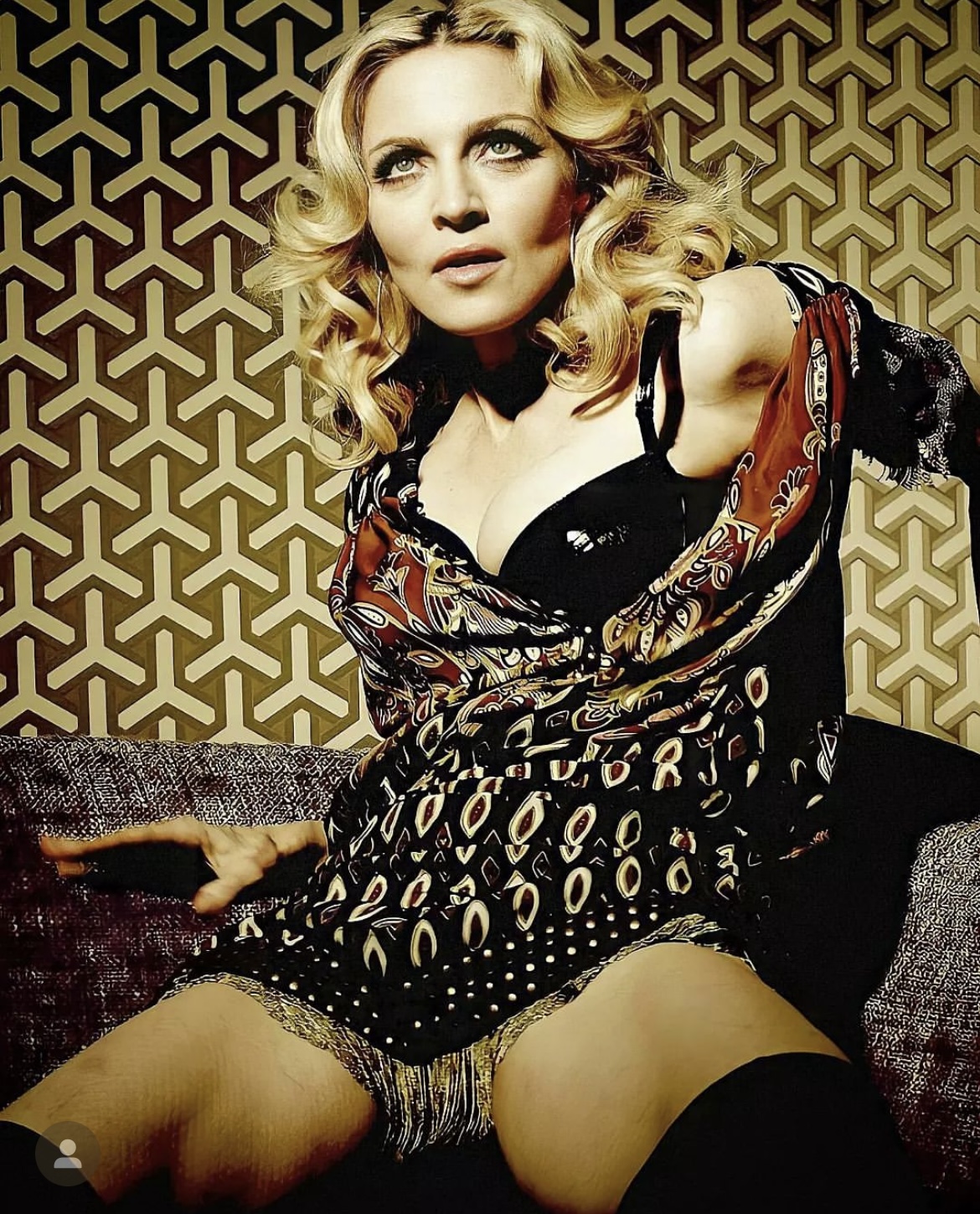
Echo becomes most visible on stage, where Madonna’s later tours turn the catalogue into something active rather than preserved.
Celebration, Sticky & Sweet, MDNA, Rebel Heart and Madame X each approach legacy differently: as communal release, athletic spectacle, political theatre, personal confession and intimate reinvention. These performances do not simply revisit what came before. They remix it, challenge it and send it back out with new force.
Across this movement, the live work becomes a conversation between Madonna and her own history. Songs return in altered forms, images are sharpened, themes are reopened, and the familiar is rarely allowed to remain still. Celebration gathers the audience around the shared memory of the work. Sticky & Sweet pushes pop endurance into bright, physical scale. MDNA turns collision, violence, devotion and club culture into a hard-edged arena language. Rebel Heart softens and fractures the spectacle into autobiography, while Madame X brings the performance closer, stranger and more theatrical.
Echo is not nostalgia. It is resonance. These tours show Madonna treating the past as material: something to cut, loop, reframe and perform again. The stage becomes the place where memory keeps moving, where the catalogue refuses to settle, and where Madonna’s influence comes back not as a museum piece, but as sound still travelling.
Celebration Tour
The centrepiece of Echo. Archive as live autobiography.

Madame X Tour
Small-scale theatre, character work, political staging, controlled intimacy.
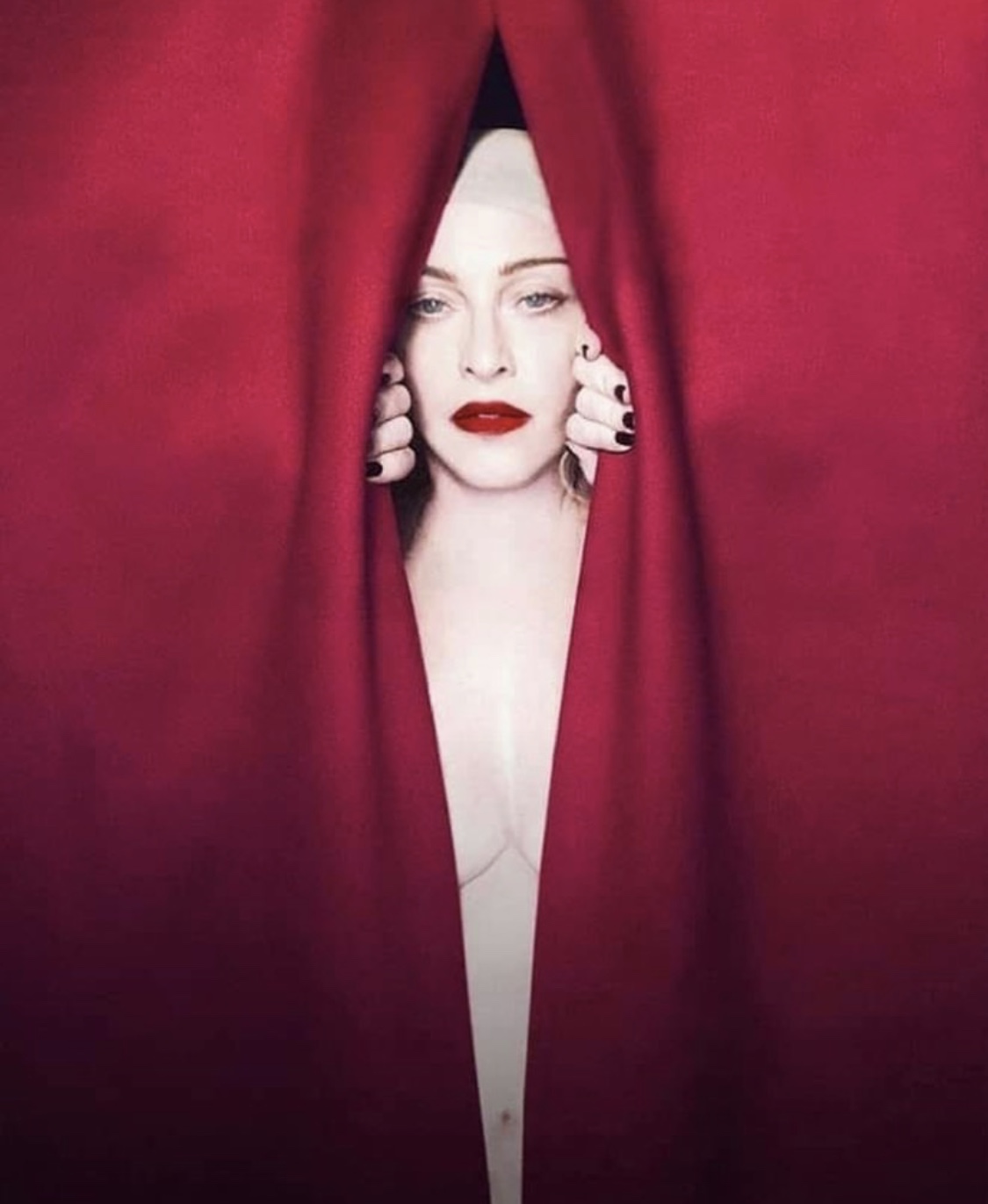
Rebel Heart Tour
Self-reference, catalogue play, intimacy, theatre and late-career warmth.
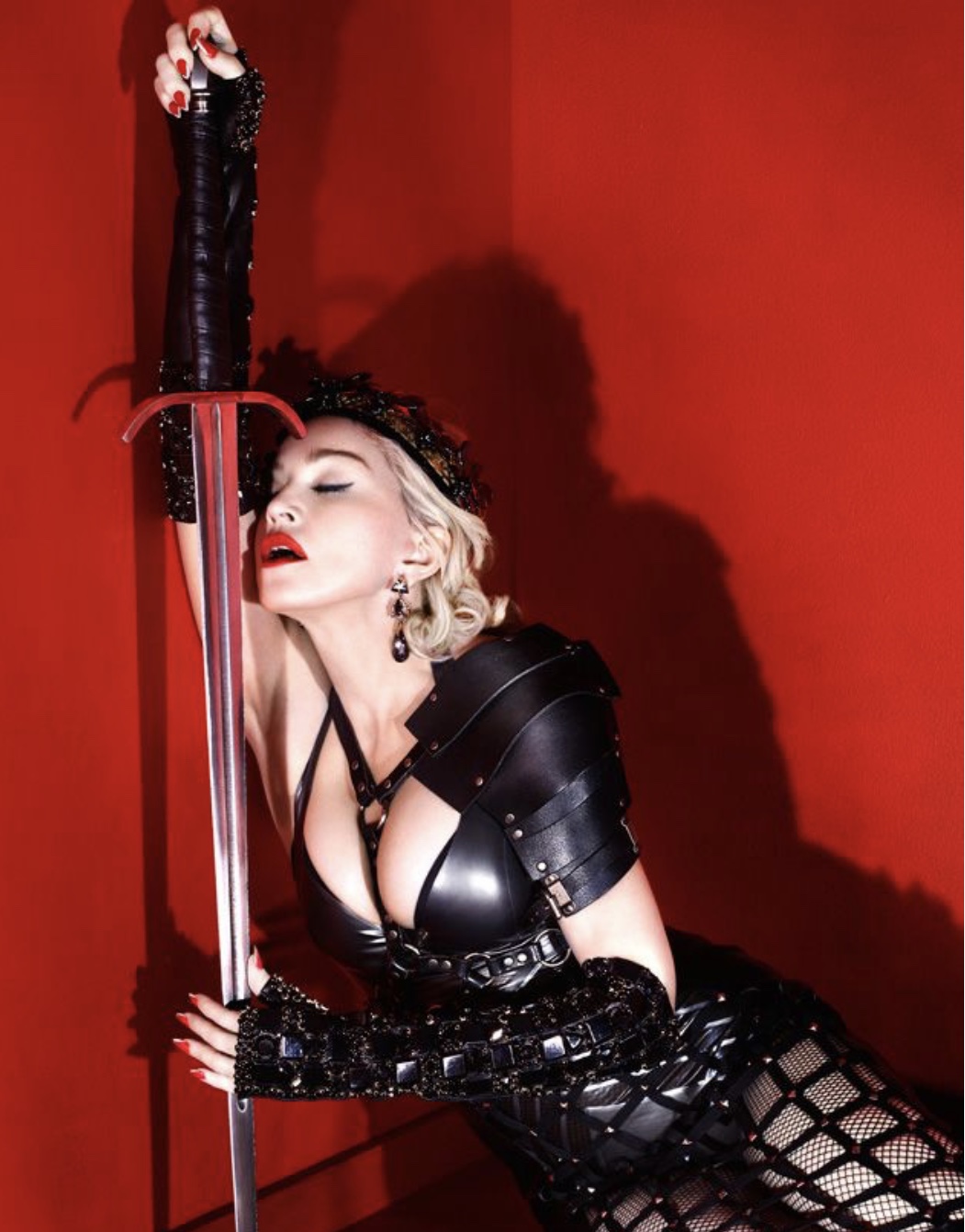
MDNA Tour
Violent theatre, spectacle, politics, ritual, aggression and control.

Sticky & Sweet Tour
Physical, athletic, pop-industrial, Hard Candy world expanded.
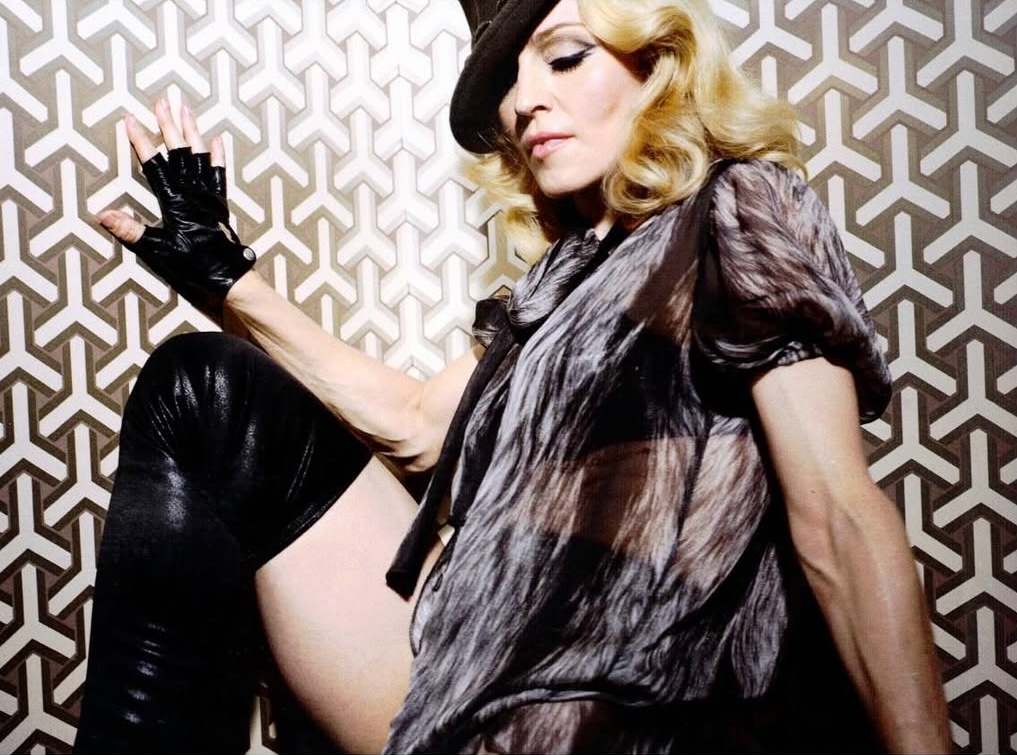
 MLVC
MLVC 