Madonna’s 2000s singles trace a decade of sharp stylistic shifts: electronic experimentation, acoustic minimalism, political unease, disco revival and high-gloss pop. From the futuristic club charge of Music to the restless critique of American Life, the mirrorball precision of Confessions on a Dance Floor and the muscular pop machinery of Hard Candy, each single works as more than promotion. It becomes a signal flare, announcing a new sound, a new visual code and a fresh argument with the pop landscape around her.
Celebration | 2009
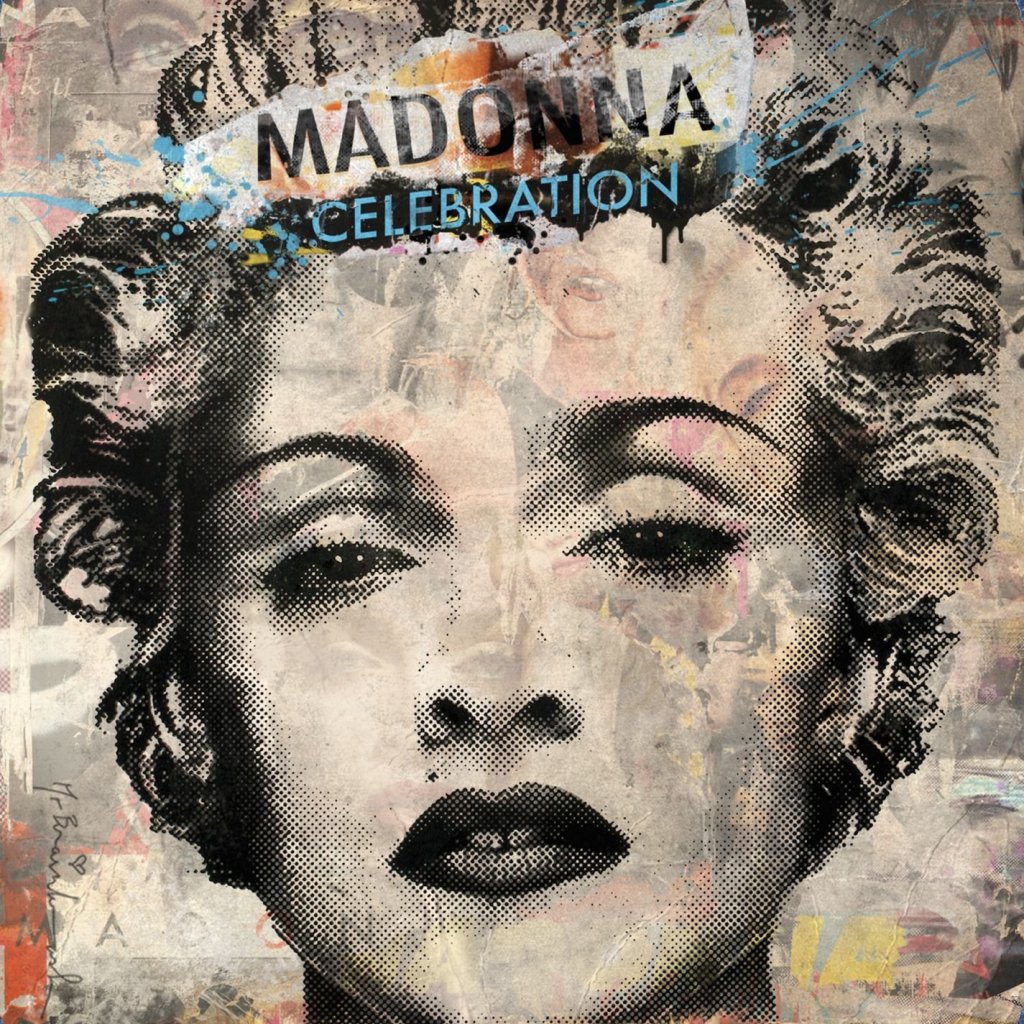
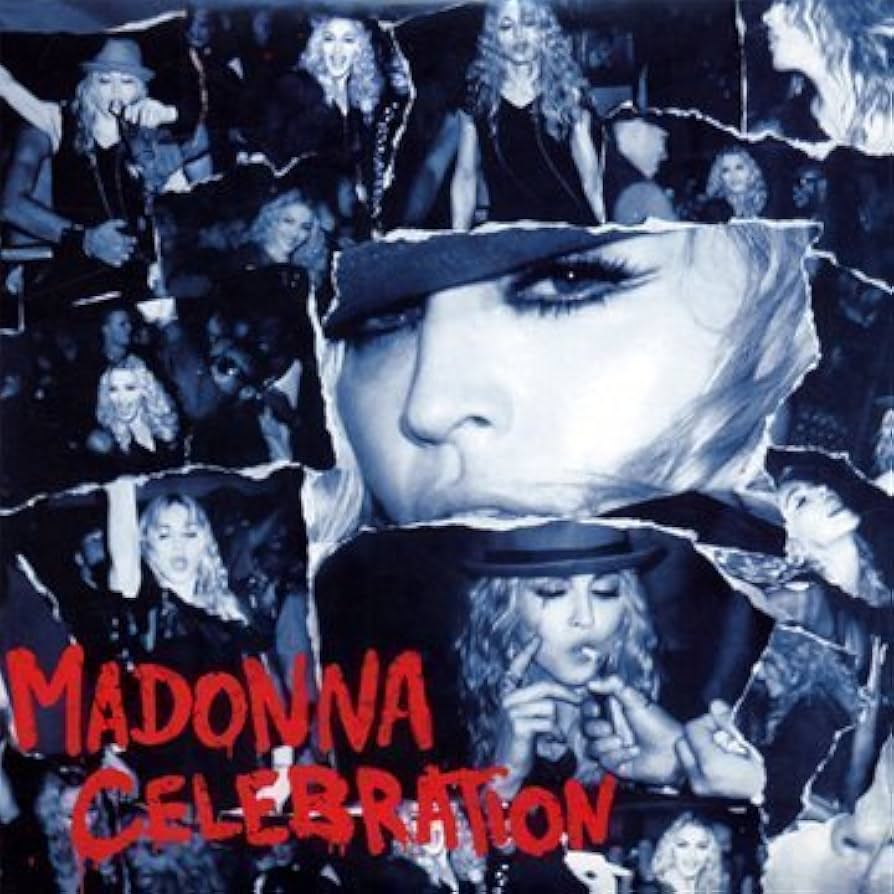
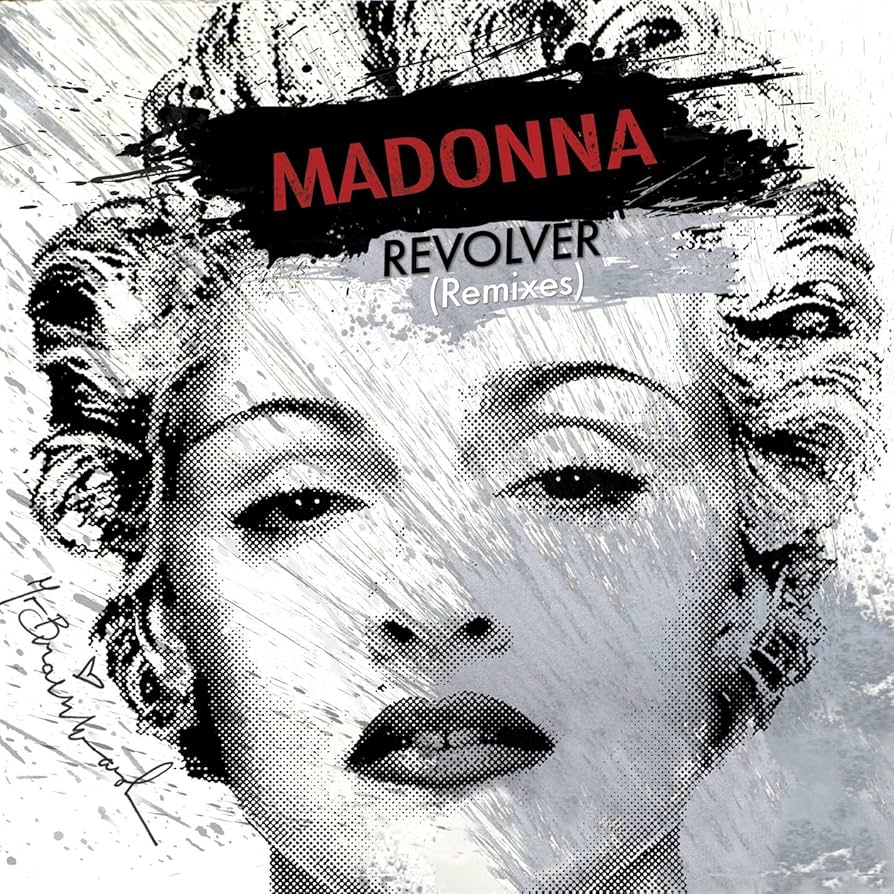
As a singles campaign, Celebration functions less as a full new era and more as a final Warner-era punctuation mark. The title track distilled Madonna’s long relationship with dance music into one euphoric command, while Revolver brought a harder, more contemporary edge to the collection.
Together, they allowed Celebration to feel both retrospective and current: a look back over decades of hits, but with enough new charge to remind listeners that Madonna was not being filed away neatly. The archive was still moving.
Hard Candy
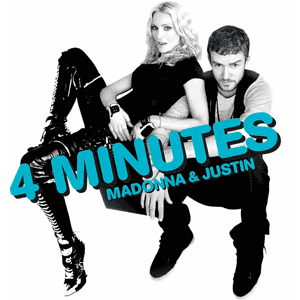
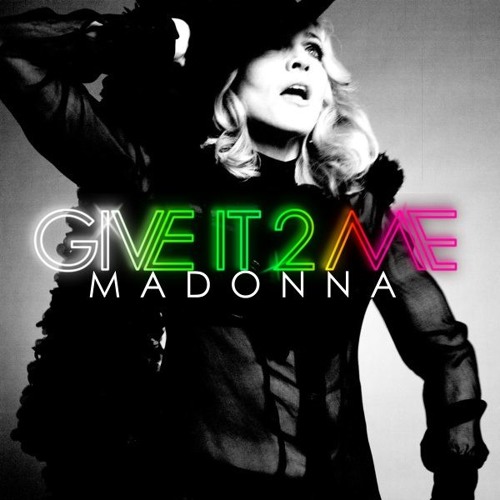
As a singles campaign, Hard Candy captured Madonna in competitive mode, working within the dominant sounds of the moment while bending them around her own sense of command. 4 Minutes gave the era its blockbuster opening, Give It 2 Me pushed the dance-floor momentum harder, and Miles Away added a more reflective note of distance and emotional strain.
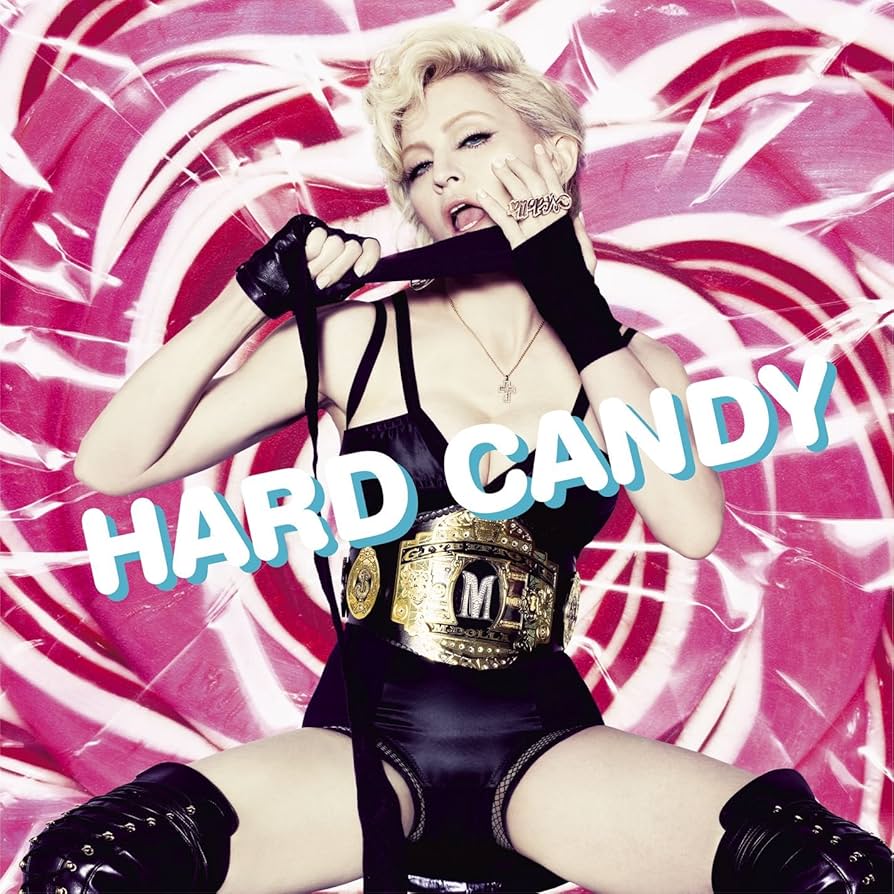
Together, the singles present Hard Candy as bright, muscular pop with a tactical edge: Madonna testing the machinery of contemporary pop from the inside, then leaving fingerprints on every button.
Confessions on a Dance Floor
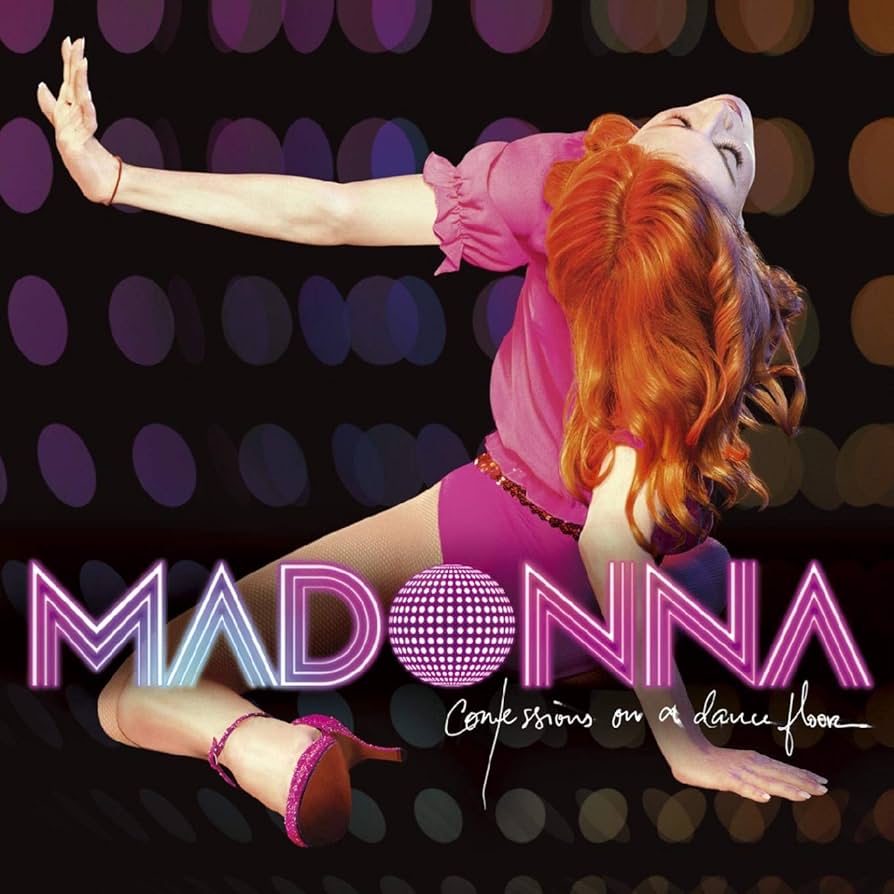
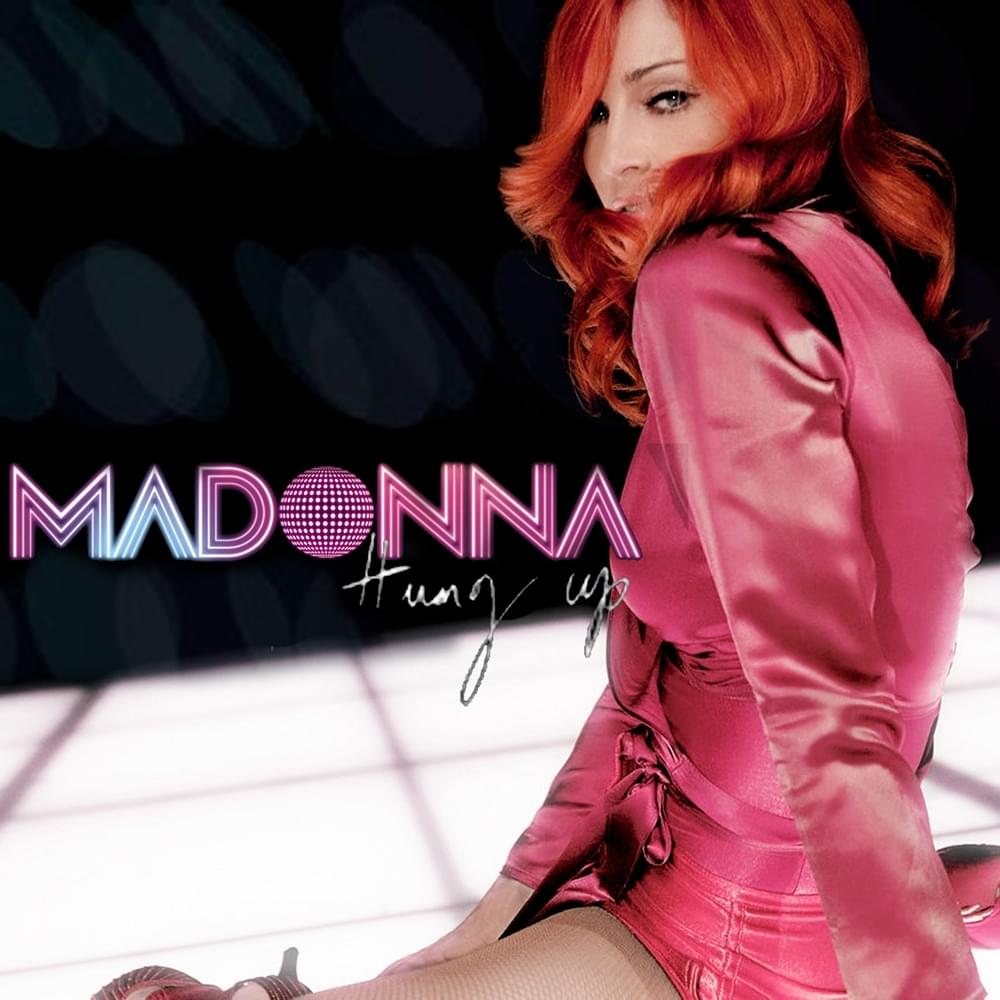
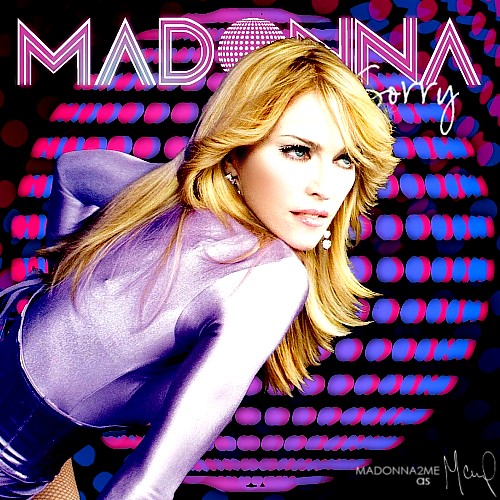
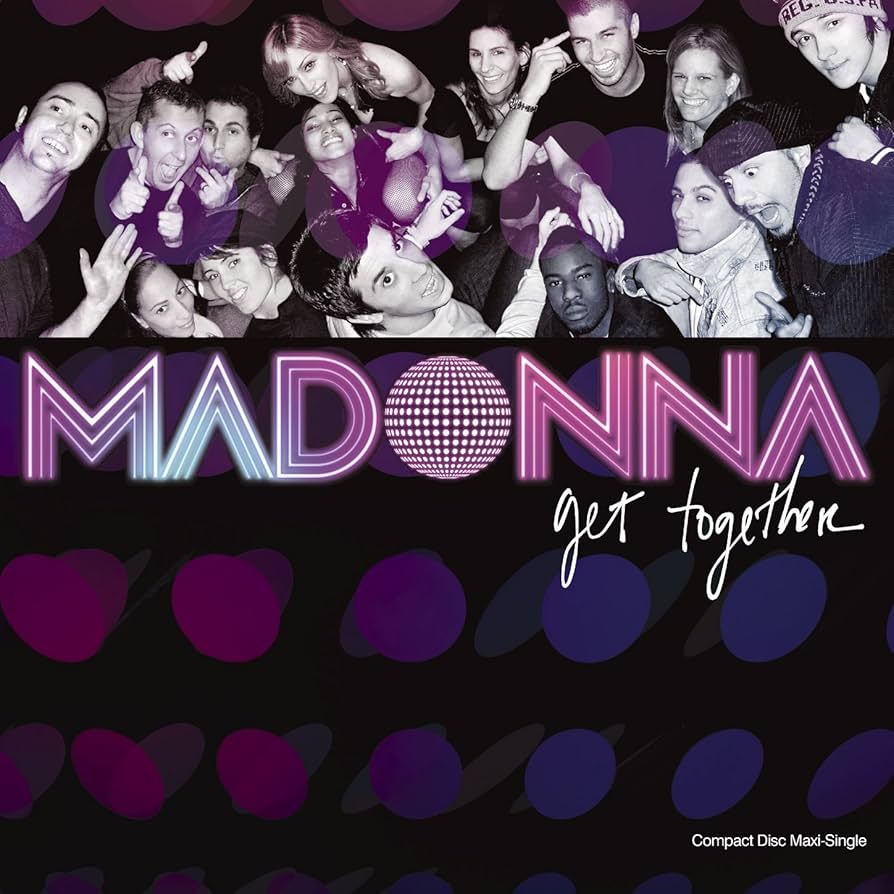
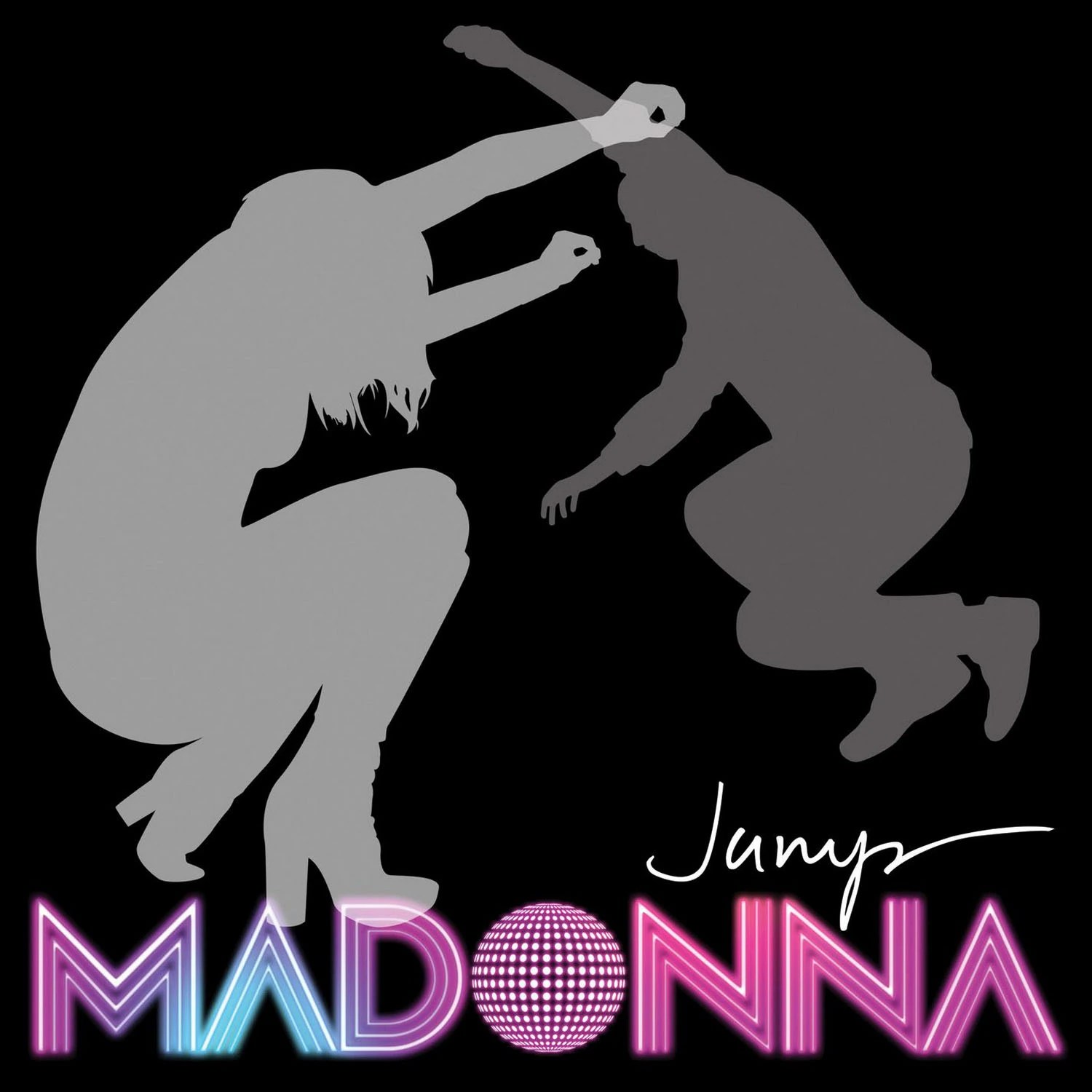
As a singles campaign, Confessions on a Dance Floor reaffirmed Madonna’s deep understanding of dance music as both pleasure and transformation. Hung Up gave the era its monumental opening, Sorry sharpened the mood into defiance, Get Together expanded the album’s communal glow, and Jump turned movement into survival.
Together, the singles made the dance floor feel architectural: a place of rhythm, memory, reinvention and forward motion. This was Madonna looking back at disco, club culture and her own history, then stepping through the lights with the engine still burning.
American Life
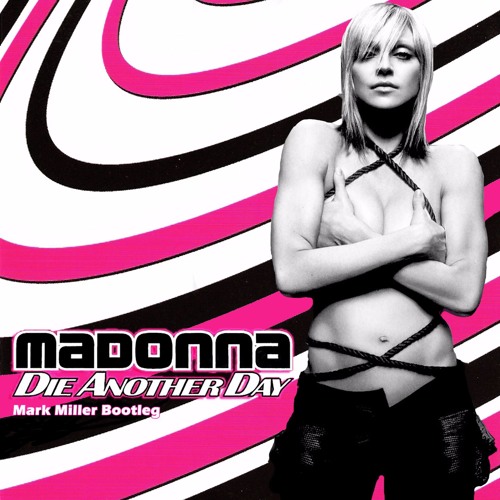
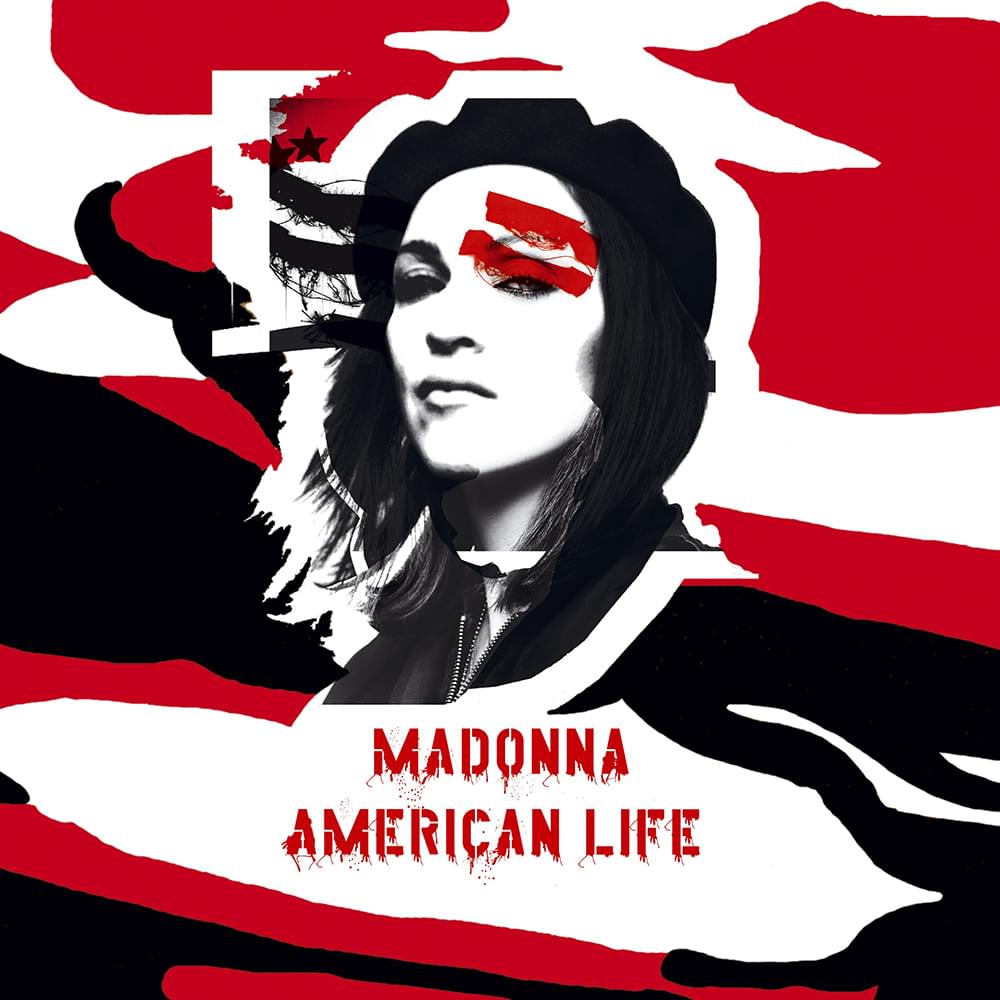
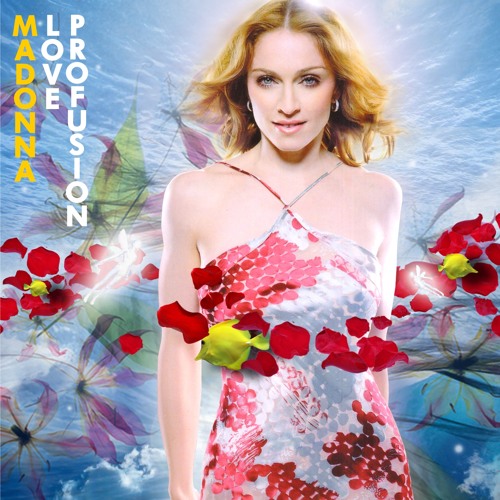
As a singles campaign, American Life remains one of Madonna’s most confrontational and underrated chapters. Its releases resisted the easy glamour expected of her, replacing pop polish with unease, satire and self-interrogation.
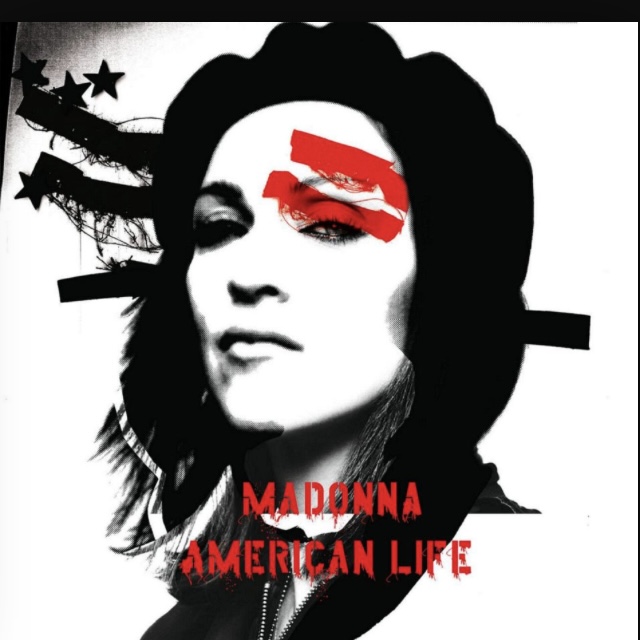
Die Another Day brought danger and fragmentation, American Life turned protest into persona, Hollywood dissected the dream factory, while Nothing Fails and Love Profusion offered more tender flashes of faith and connection. Together, the singles form a jagged but fascinating portrait of Madonna in opposition: to celebrity, to illusion, and at times to her own reflection.
Music
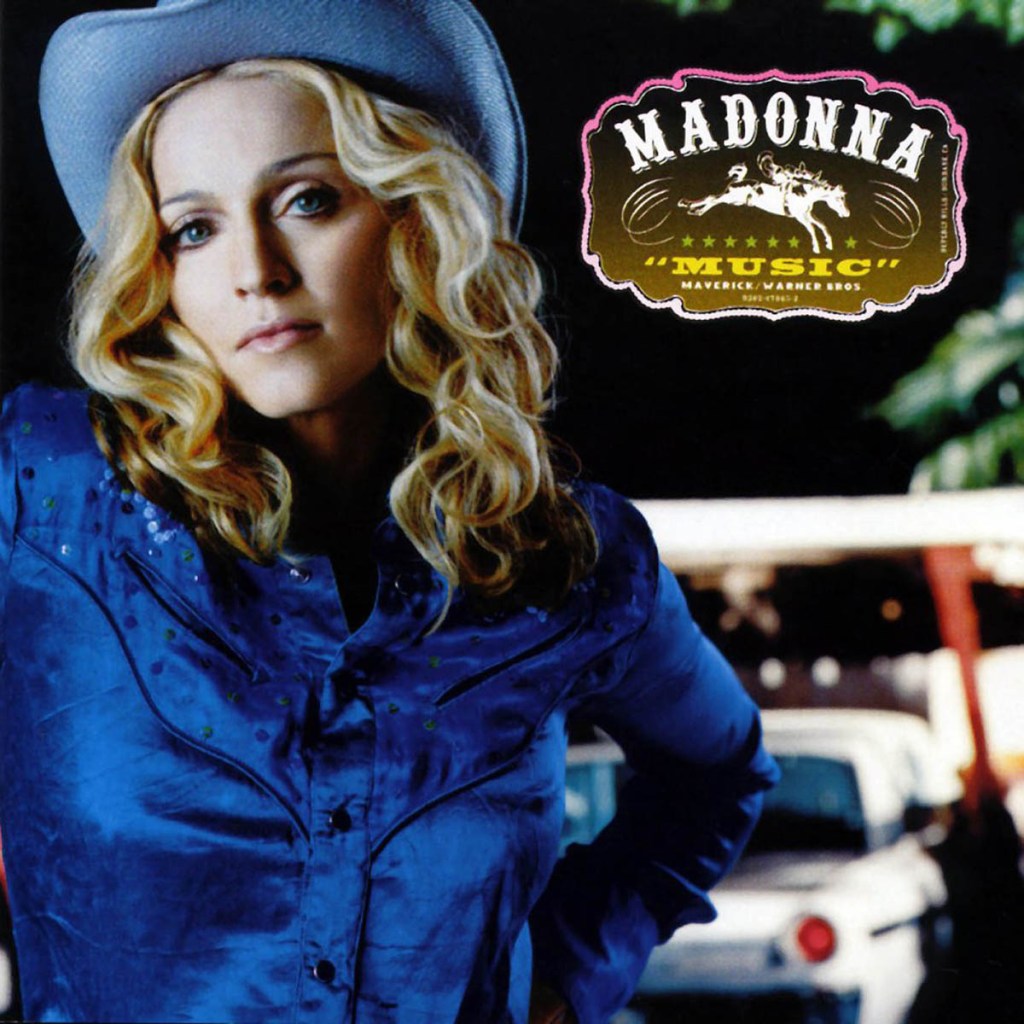
Music remains one of Madonna’s most distinctive albums because it refuses to sit neatly in one style. It is glossy but rough-edged, electronic but earthy, playful but often more reflective than its title suggests. The album captures an artist still willing to disturb her own formula, bending pop into unusual shapes without losing its immediacy.
From club command to intimate unease, Music shows Madonna entering the 2000s not by smoothing herself into the future, but by arriving with static, swagger and a cowboy hat tilted at precisely the right angle.
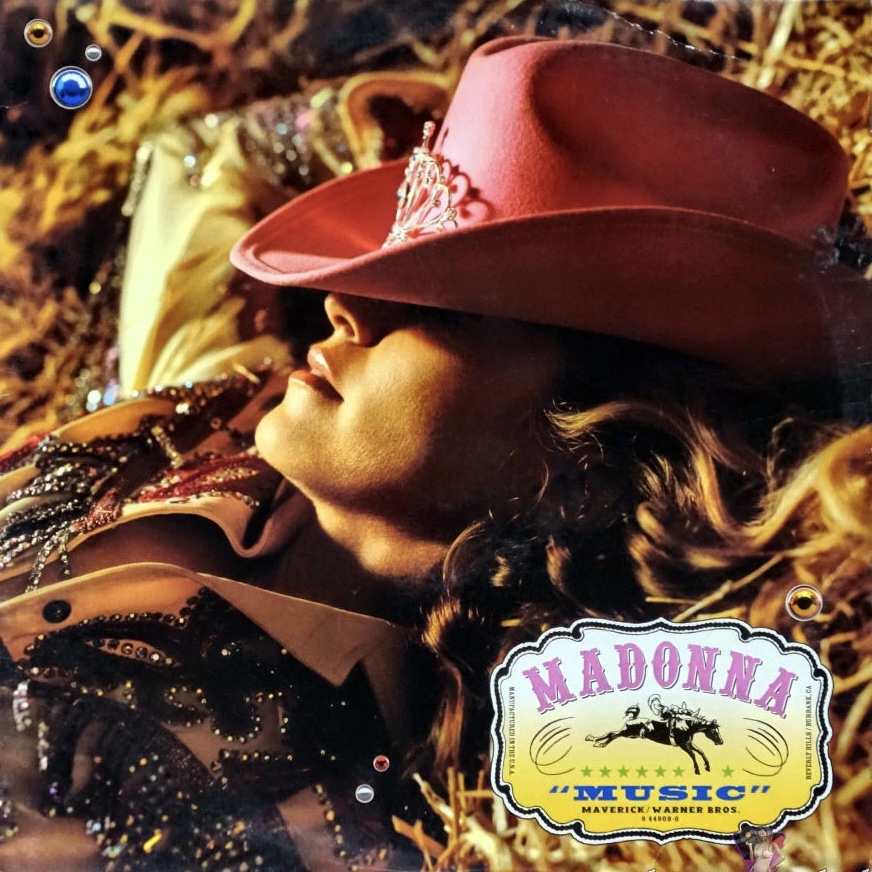
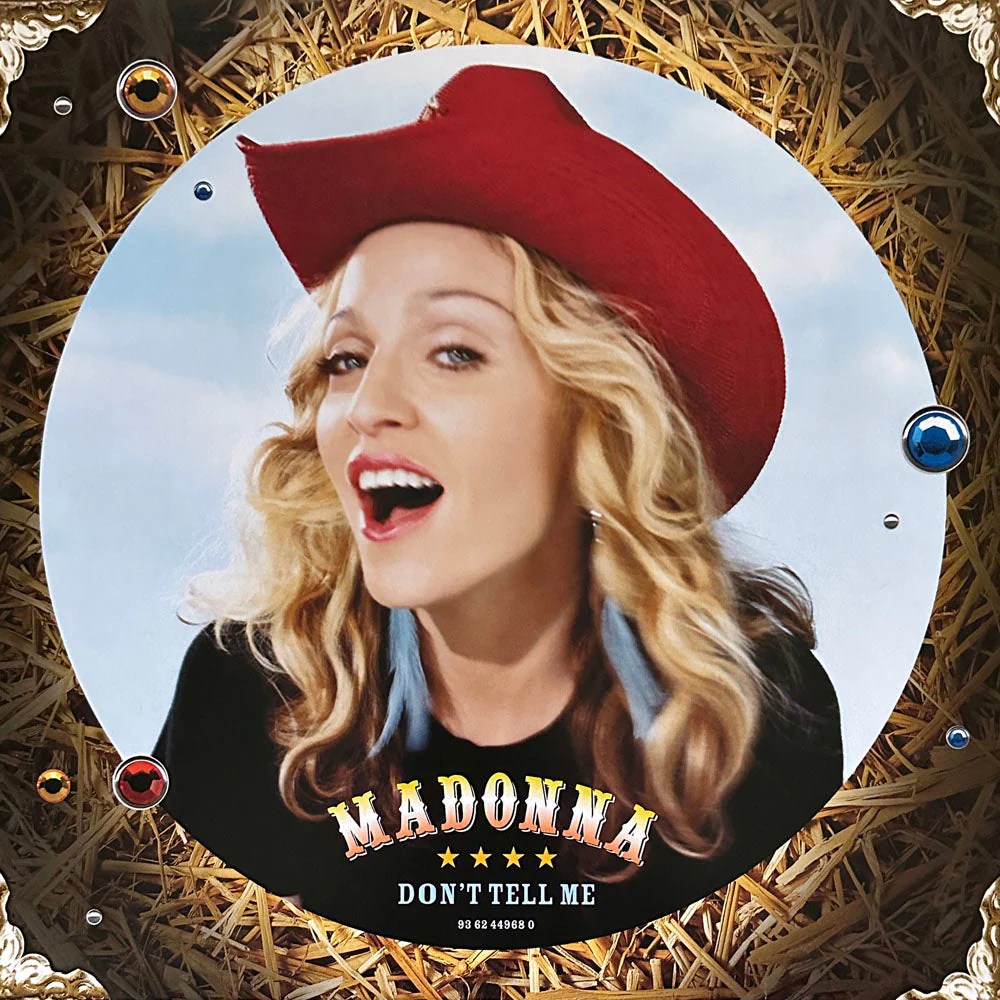
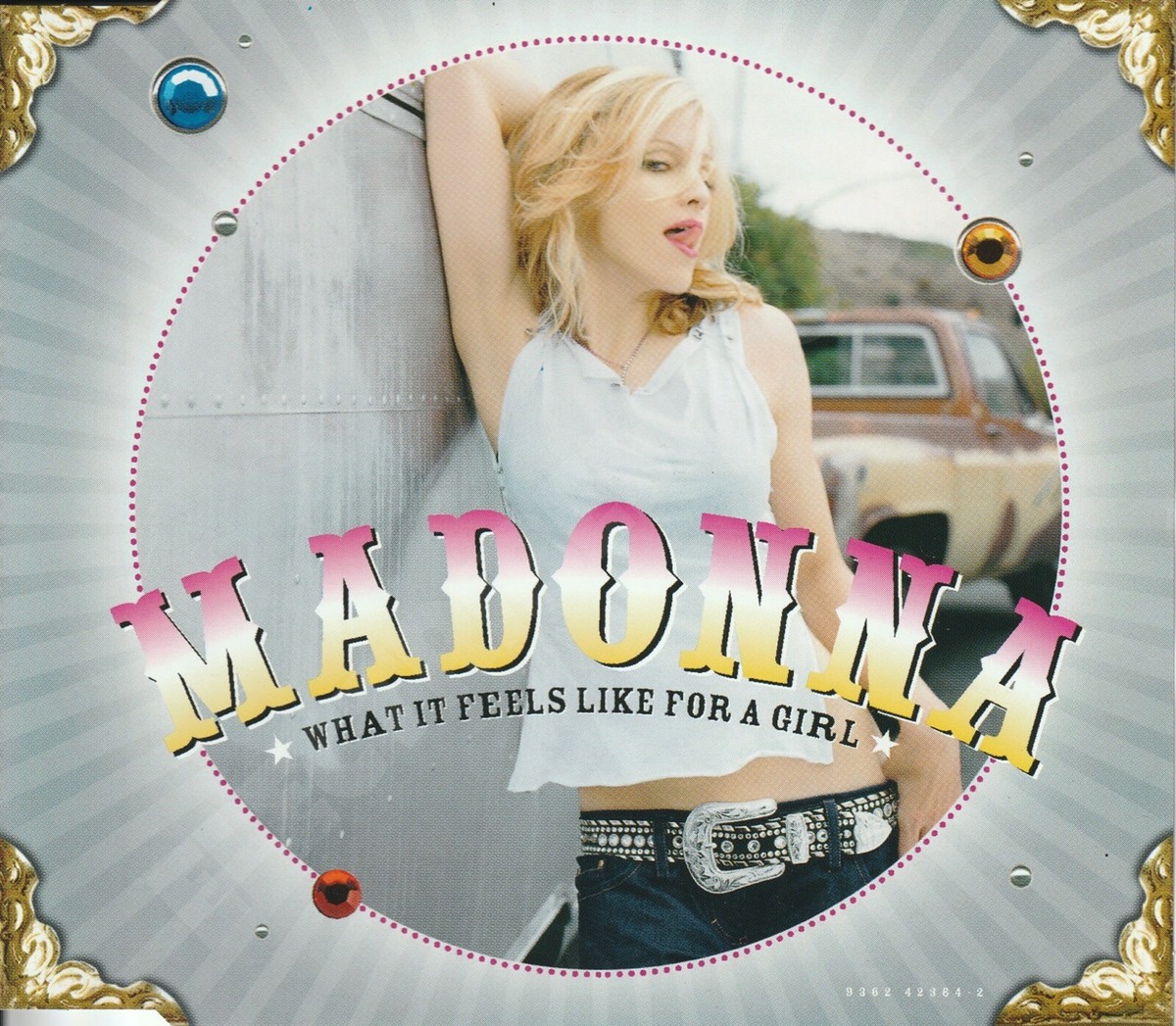
Taken together, Madonna’s 2000s singles form one of her most stylistically elastic decades. This is the period of Music, Don’t Tell Me, American Life, Hung Up, Sorry, 4 Minutes and Celebration: tracks that move from digital grit to disco euphoria, from protest to pleasure, from reinvention to retrospective. The decade ends with Celebration, a fitting punctuation mark for her Warner Bros. years, but the singles themselves never feel settled or nostalgic. They show Madonna still testing the machinery, still changing costume mid-scene, still treating pop as a place where rhythm, image and provocation can be rebuilt from the floor up.
 MLVC
MLVC 