Albums
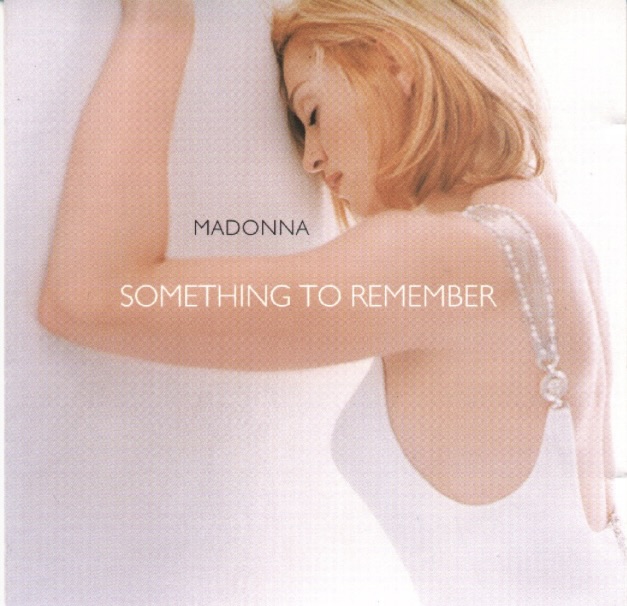

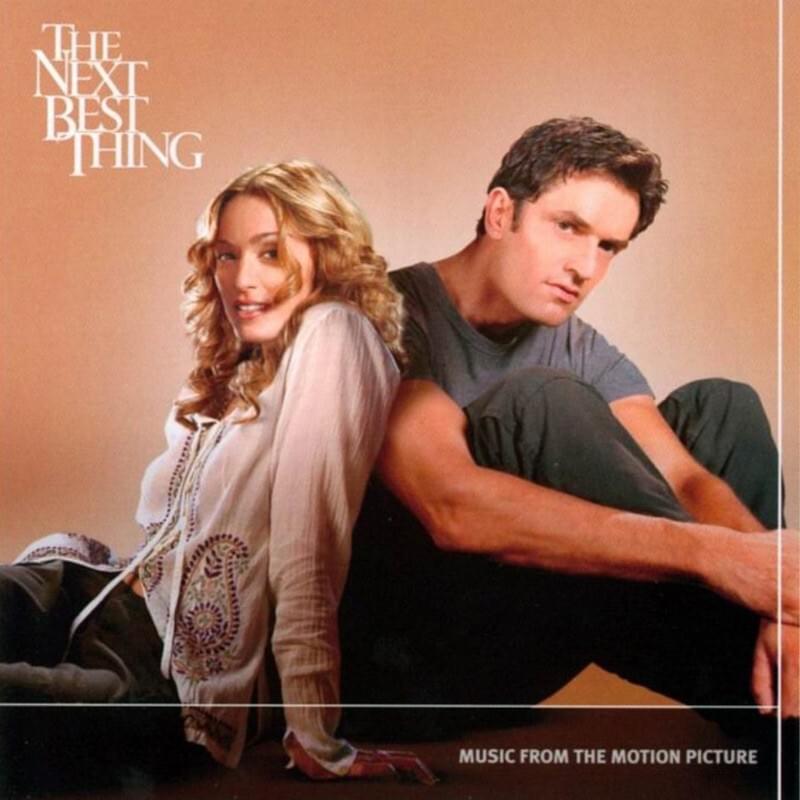


The Shift Movement is where Madonna changes form through voice, cinema, spirituality and reinvention.
Shift is the movement where Madonna changes the frame. After the confrontation of Defy, the work turns towards voice, cinema, spirituality, motherhood, electronica and emotional transformation. The image remains precise, but the surface opens: softer in places, stranger in others, and more atmospheric. This is Madonna moving away from impact alone and into texture, using sound and image to create space, reflection and transformation.
Across this movement, Madonna moves through ballad, character, confession, dance, folk, club culture and electronic sound. Something to Remember and Evita foreground the voice and the performer, placing interpretation, control and emotional discipline at the centre.
Ray of Light transforms her into something more reflective and luminous, where spirituality and electronic production reshape the idea of a Madonna album. Music, American Life and Confessions on a Dance Floor continue the movement through reinvention, disruption and return to the body, each one shifting the relationship between intimacy, performance and pop spectacle.
What connects these works is not a single sound, but a method of alteration. Madonna becomes cinematic, devotional, maternal, electronic, political, playful and physical, often before the audience has decided what it wants from her next. The body is still present, but it is no longer only confrontational. It becomes a vessel for memory, rhythm, character and release. The voice also takes on new weight, moving between restraint, confession, theatre and processed atmosphere.
Singles




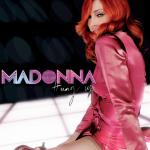
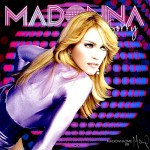
The visual language of Shift moves through light, distance and transformation. Spiritual imagery, cinematic discipline, electronic atmosphere, desert roads and disco precision all become ways of showing Madonna in motion.
These songs carry reinvention not as costume, but as structure: each release changes the temperature of the work.
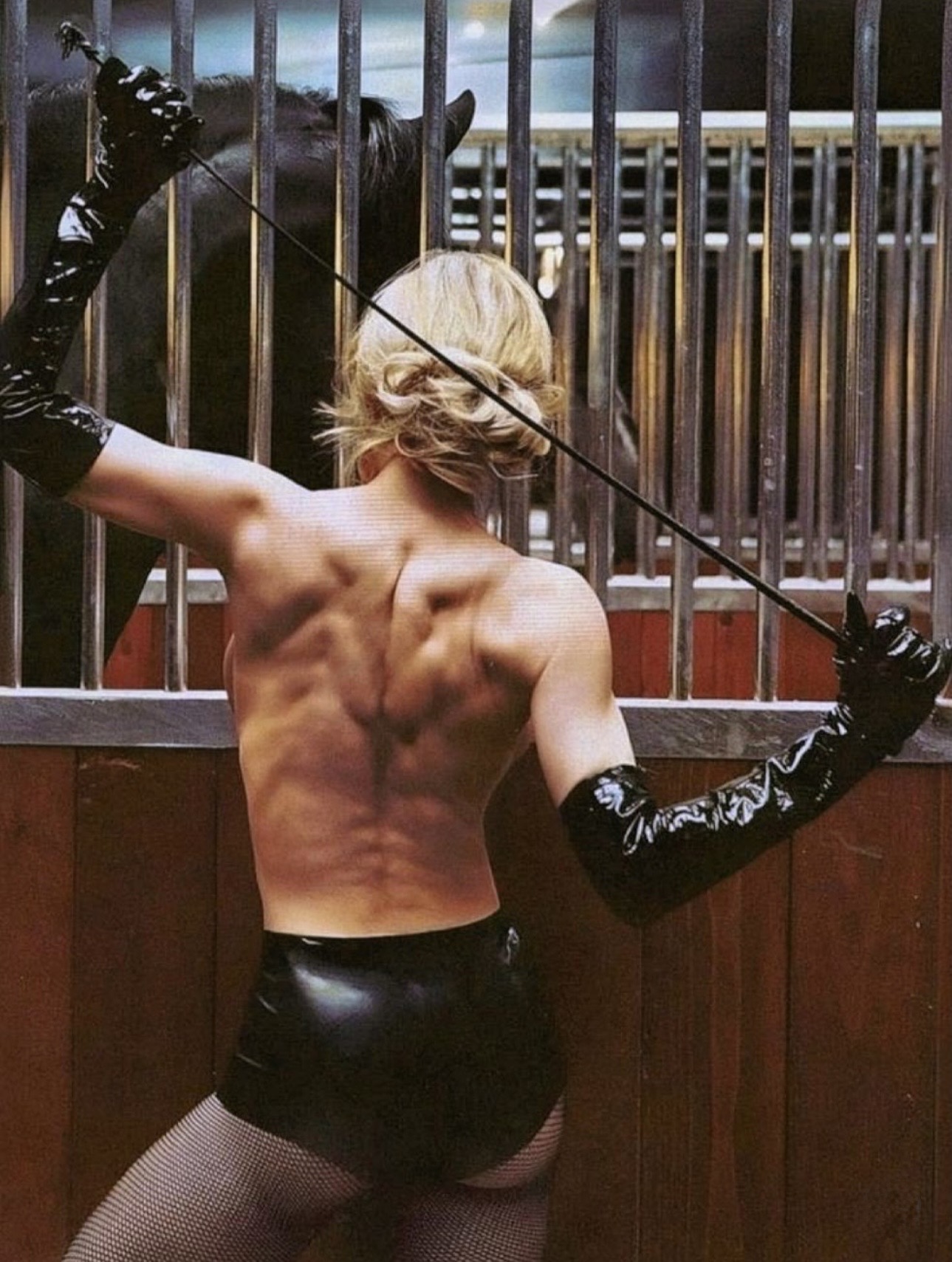
Defy is built from images that refuse to behave politely. Crosses, confessionals, suits, beds, masks, whips, spotlights, shadows and stages all become part of the argument. Madonna uses the visual field not as decoration, but as pressure: on religion, gender, desire, morality and the viewer’s own assumptions.
Defy does not ask for permission, and it does not offer apology as tribute. This movement shows Madonna turning pressure into form: scandal into strategy, desire into language, performance into control. What begins as confrontation becomes authorship, and what culture tries to contain becomes part of the work itself.
Shift is the movement where Madonna changes form before the culture can fix her in place. Voice becomes authority, spirituality becomes atmosphere, and electronic sound becomes a new language for transformation, distance and release.
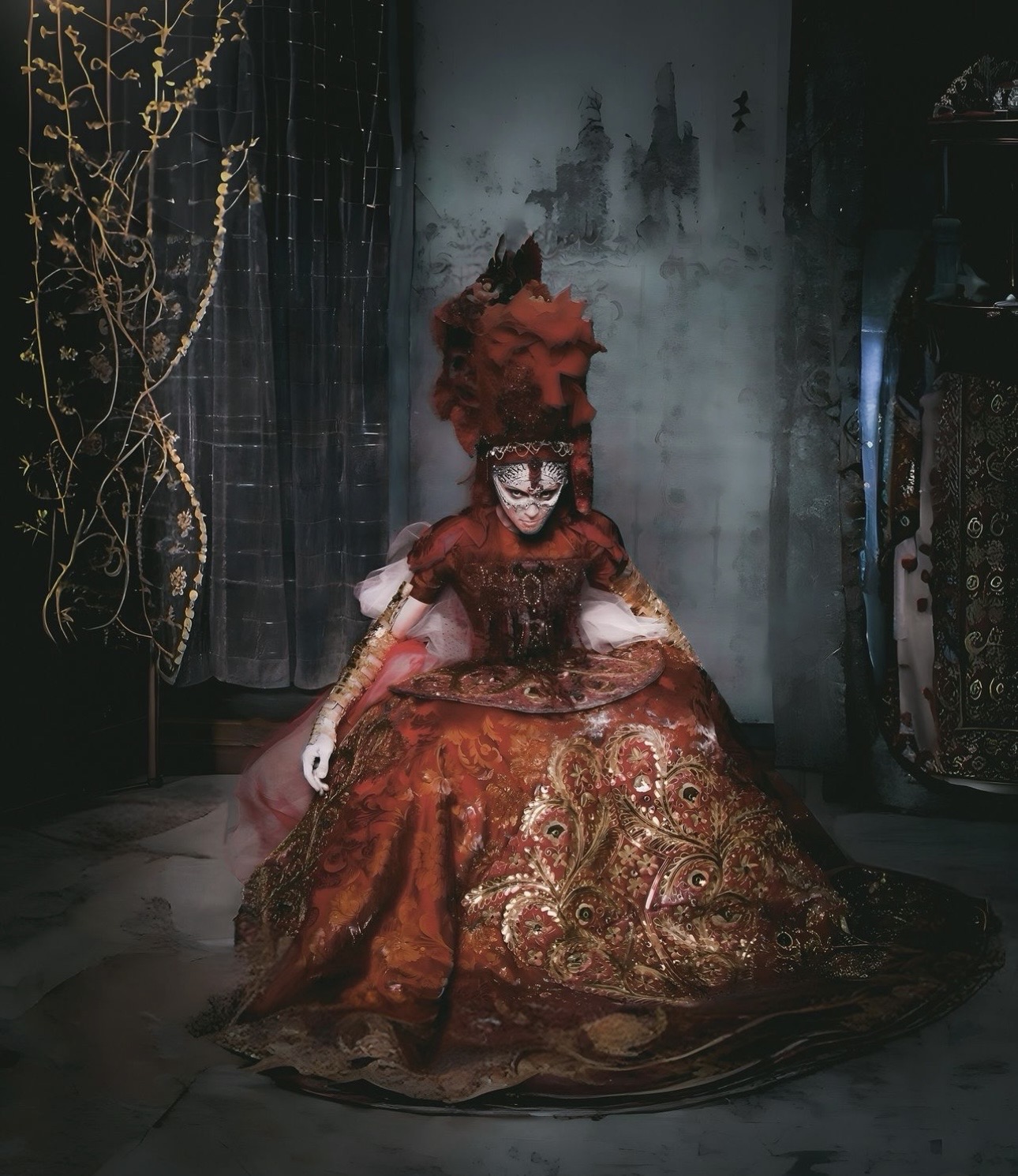
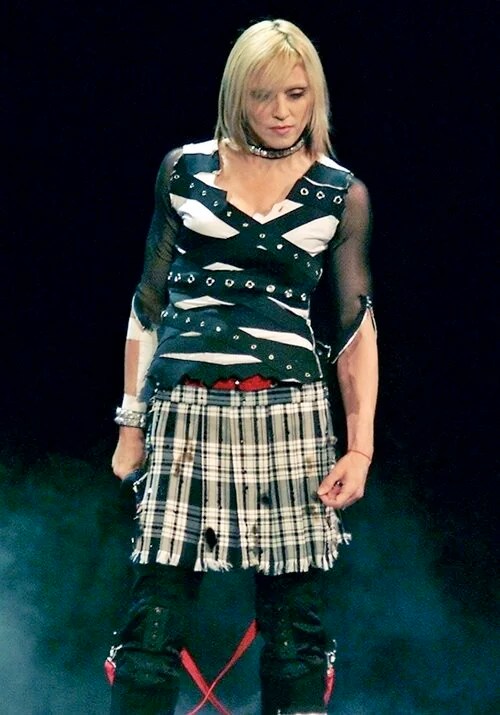
Shift is carried most clearly through the Drowned World Tour, Re-Invention World Tour and Confessions Tour, where Madonna turns the stage into a place of transformation. Electronics, spirituality, choreography, costume and catalogue revision all become part of the same language: not just performance, but mutation in public. Here, the concert is less a greatest-hits machine and more a moving architecture of reinvention.
Re-Invention Tour
Important because it explicitly frames Madonna as someone reassembling her catalogue and image.
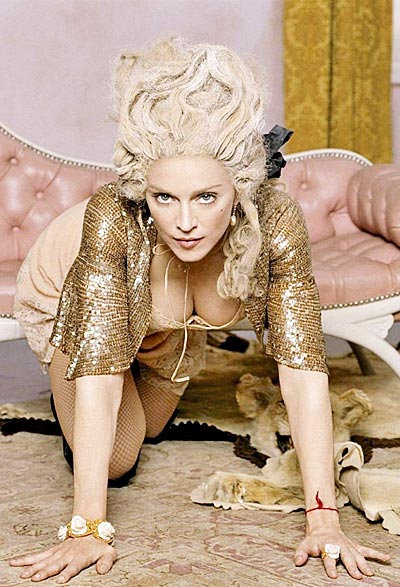
Confessions Tour
Essential. The Shift movement reaches full physical and visual momentum here.
Drowned World Tour
 MLVC
MLVC 