These singles do not yet carry the full weight of later controversy or reinvention, but they contain the essential blueprint: dance music as identity, pop as performance, and Madonna already at the centre, turning momentum into command.
Like A Prayer | 1989
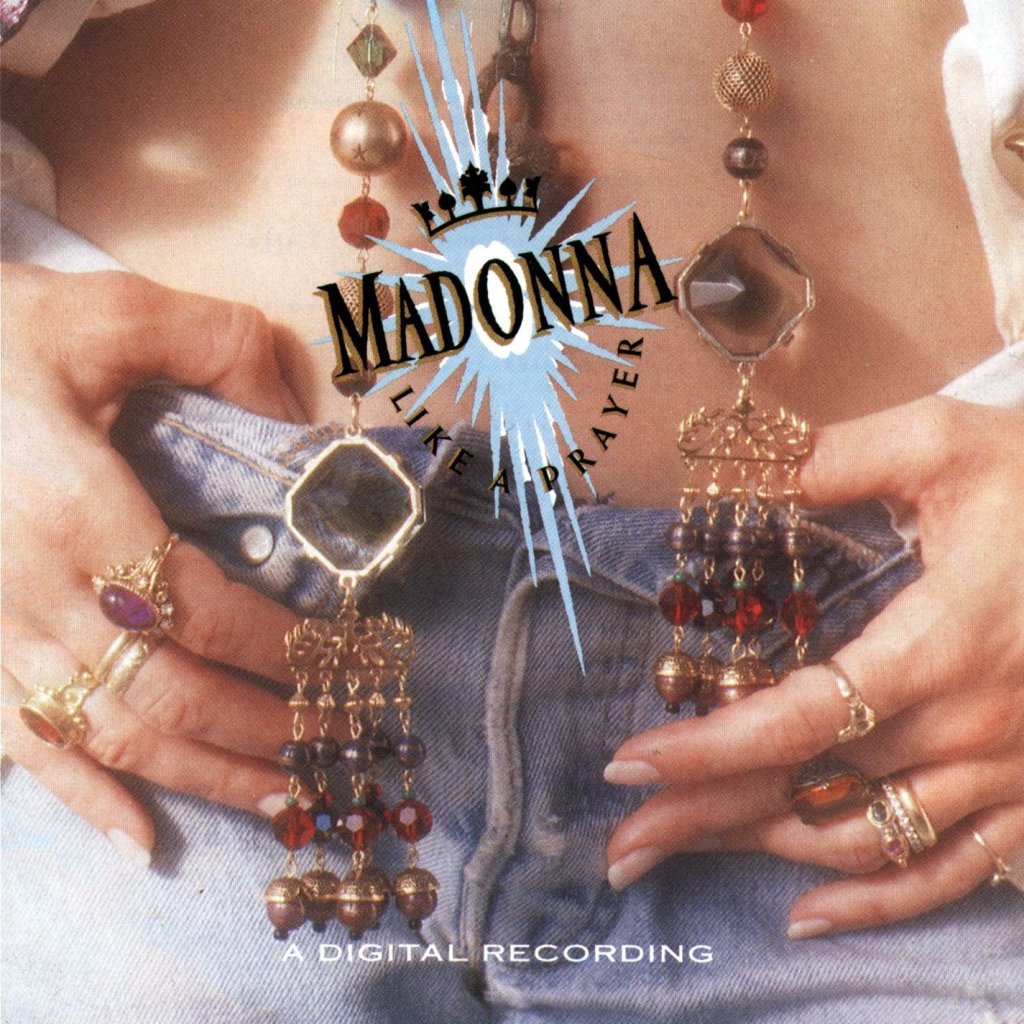
The singles from Like a Prayer show Madonna at her most commanding: spiritual, sensual, wounded, playful and politically awake, often within the space of one release campaign. From the gospel-charged provocation of Like a Prayer to the emotional precision of Express Yourself, Cherish, Oh Father, Dear Jessie and Keep It Together, the album’s singles reveal the breadth of the project rather than simply promoting it.
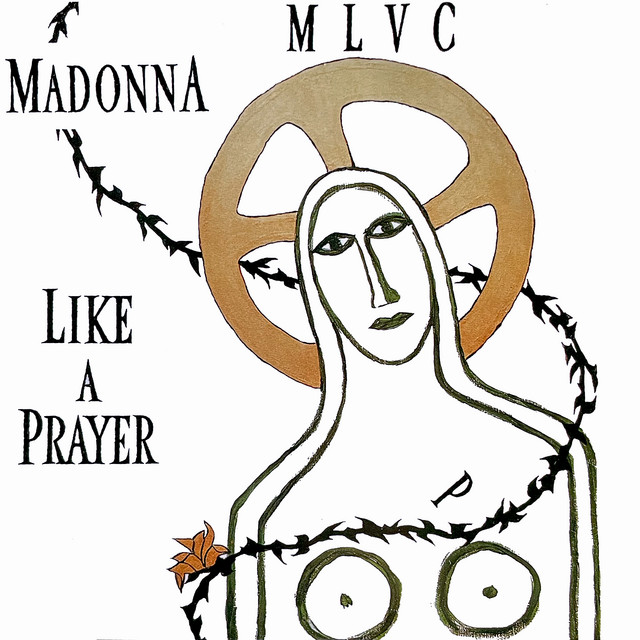
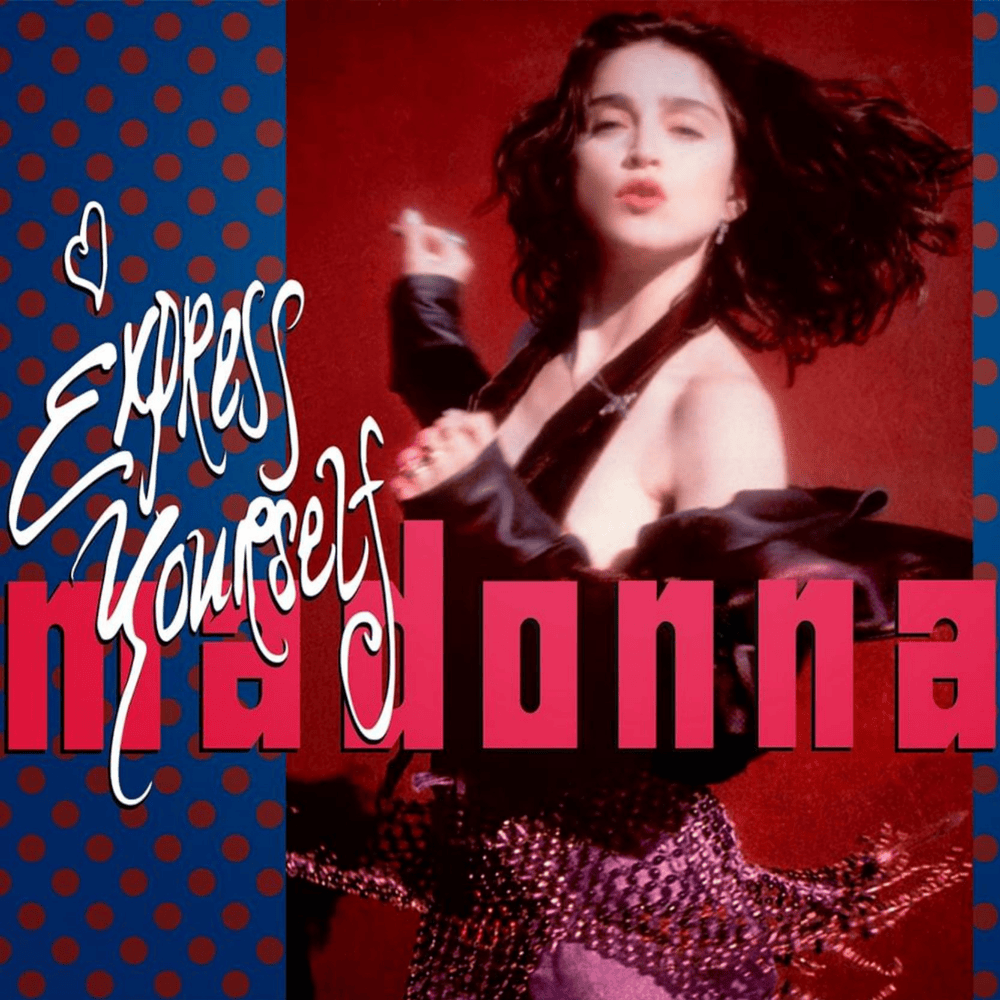
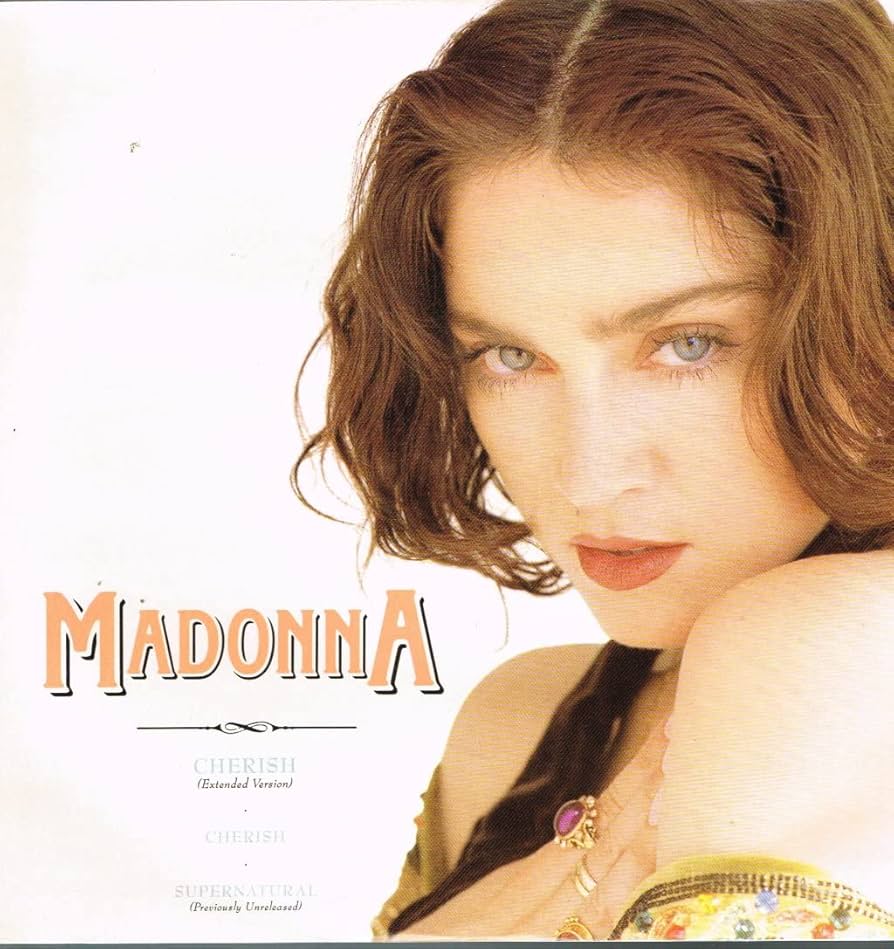
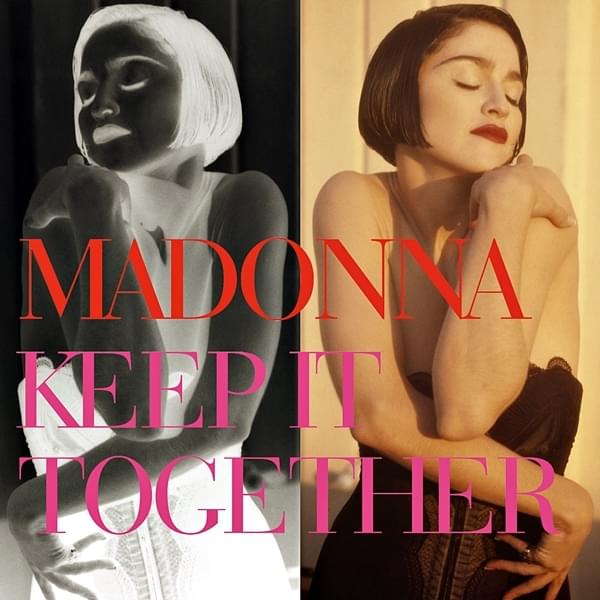
Each track opens a different door: faith becomes desire, romance becomes self-definition, childhood becomes memory, family becomes fracture, and pop becomes a vehicle for serious authorship. Together, they turn Like a Prayer into more than a successful album campaign; they frame Madonna’s late-1980s transformation from pop phenomenon into full cultural architect.
You Can Dance | 1987
With Spotlight, Madonna turns the remix album into something more than a catalogue extension. Written in the bright, motivational language of 1980s dance-pop, the track places confidence, movement and self-belief at the centre of the floor.
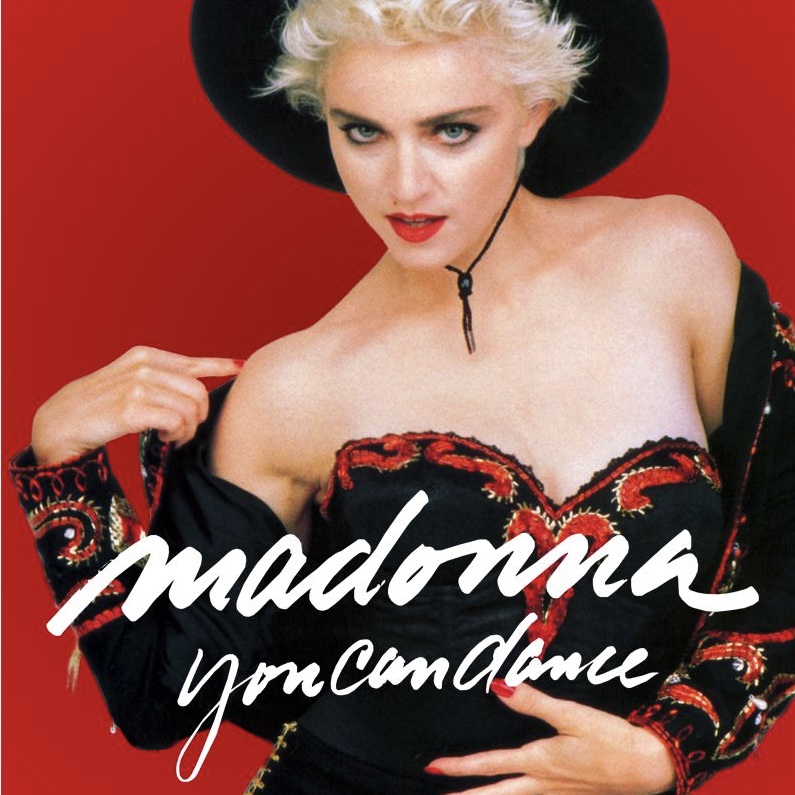
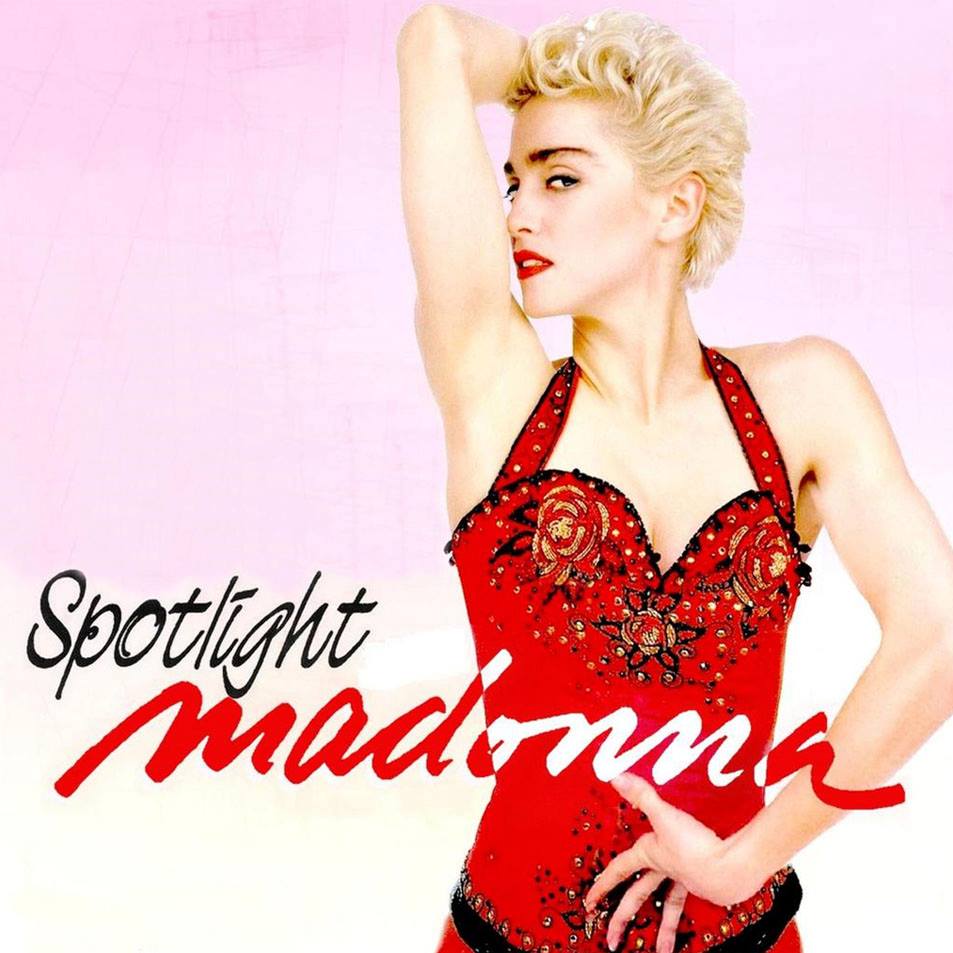
Its message is direct: step forward, claim the light, and make performance an act of personal power. As the only new song on You Can Dance, Spotlight works as both invitation and statement, connecting Madonna’s club roots with the larger pop mythology she was already building.
True Blue | 1986
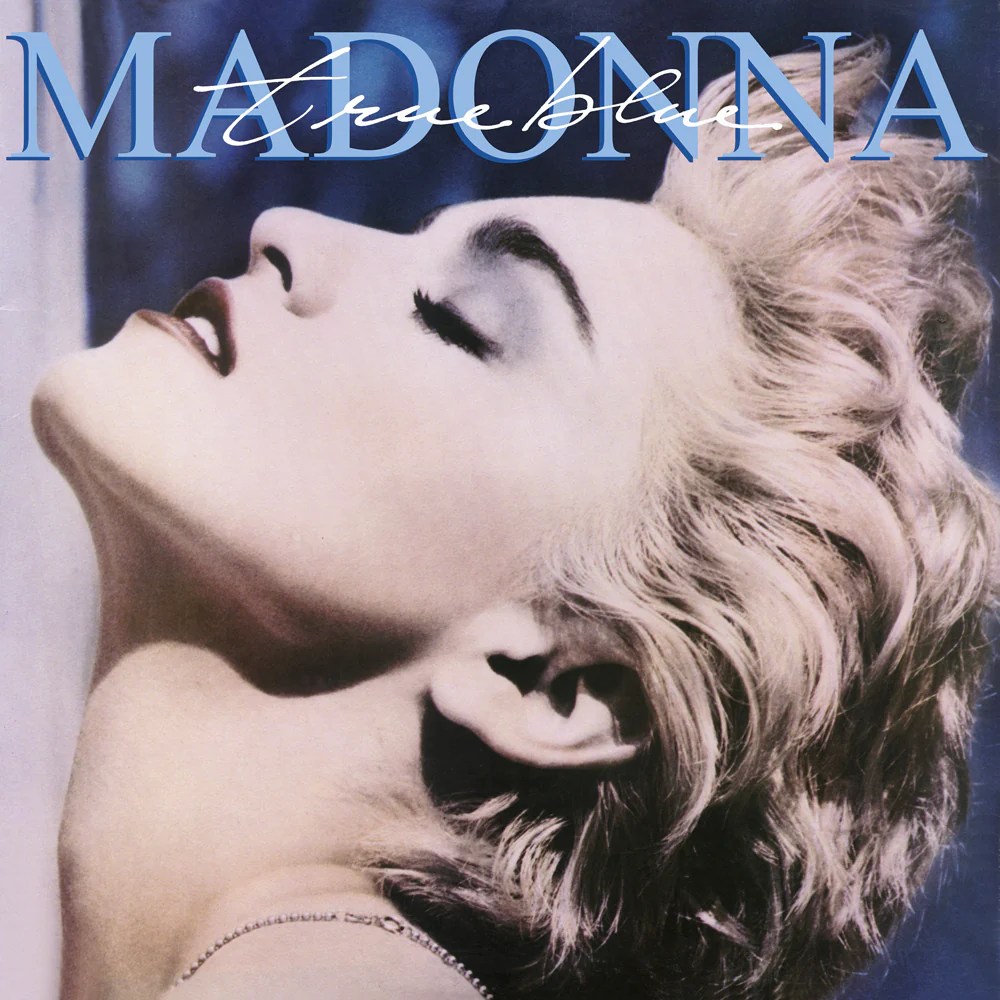
The singles from True Blue capture Madonna at the height of her imperial 1980s pop ascent, balancing polished commercial instinct with increasingly confident authorship. From the cinematic melancholy of Live to Tell to the euphoric rush of Open Your Heart, the Latin-pop shimmer of La Isla Bonita, the retro romance of True Blue and the sharp social observation of Papa Don’t Preach, each single expands the album’s emotional and musical range.
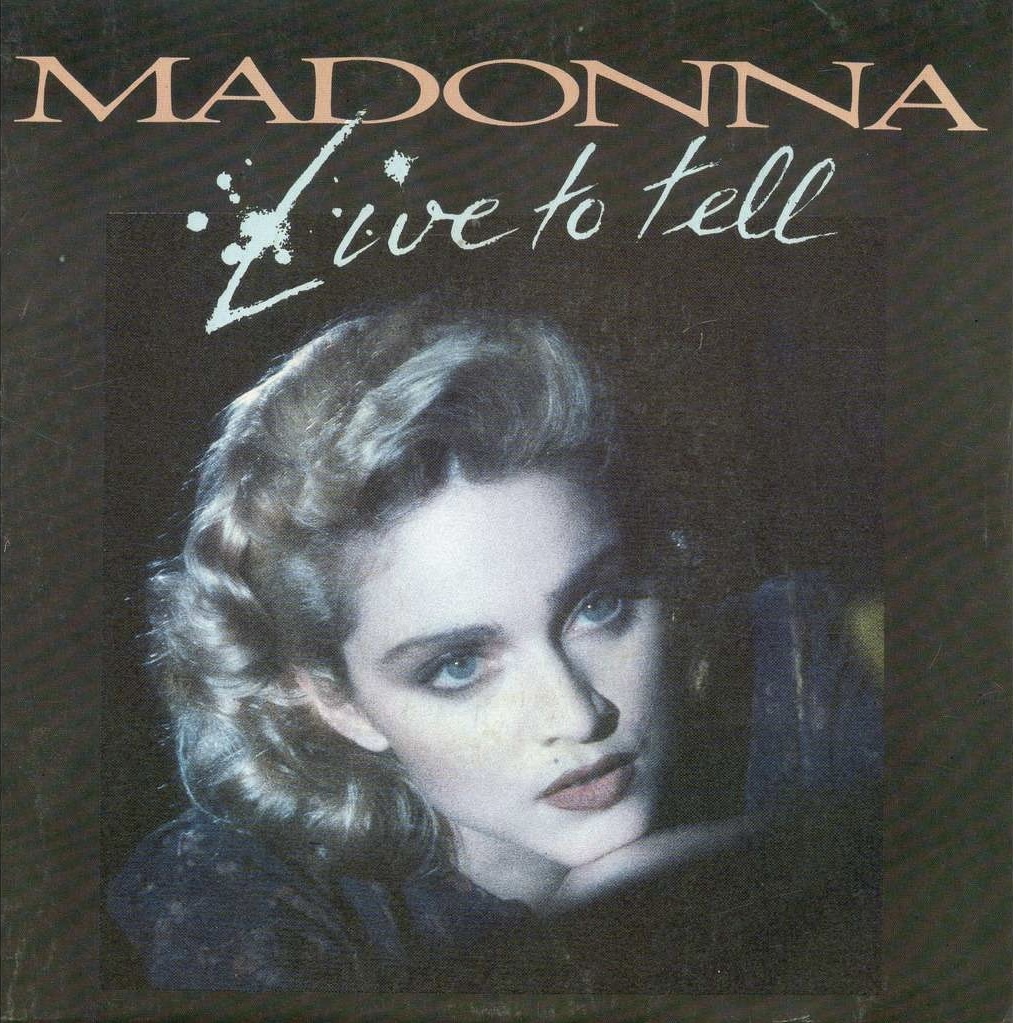
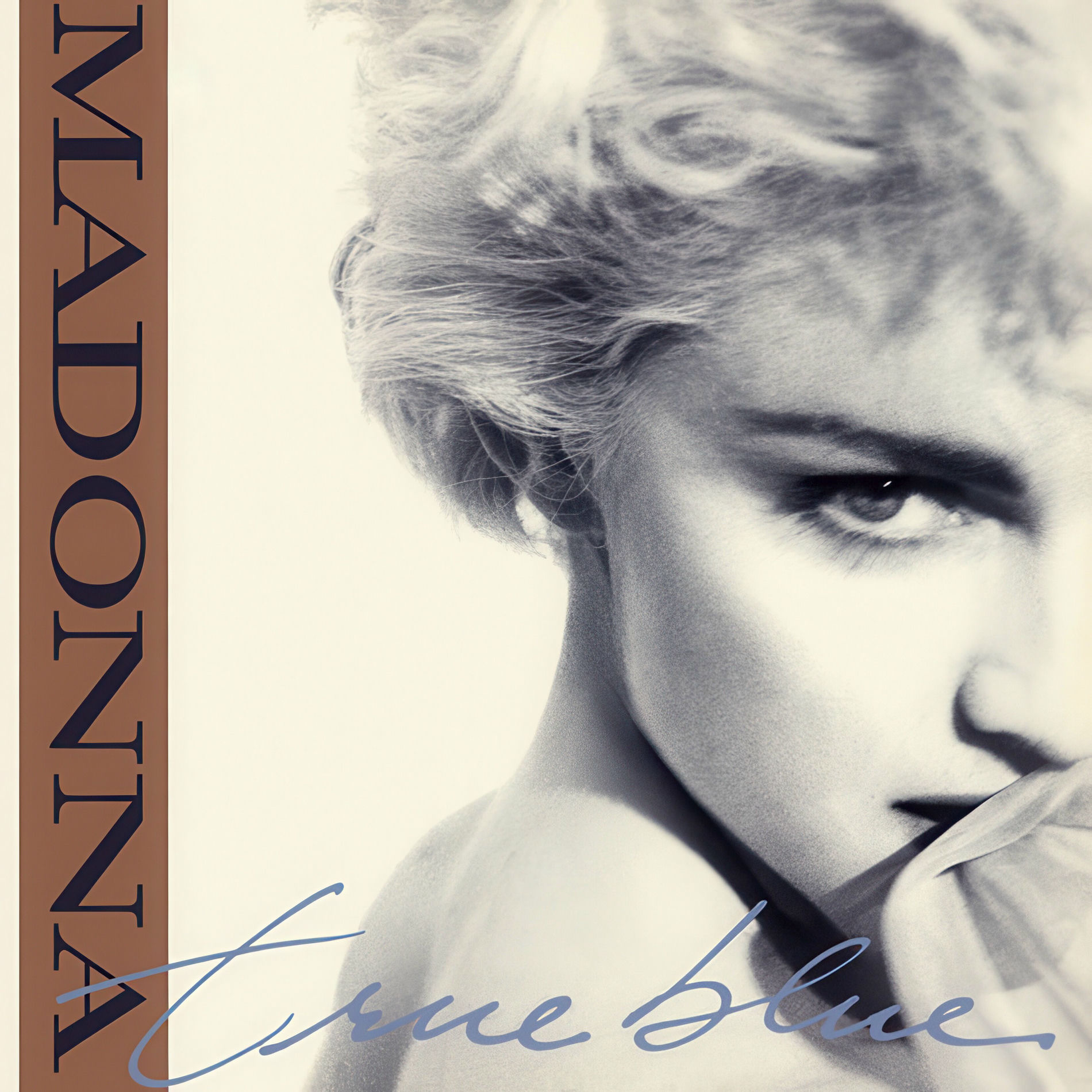
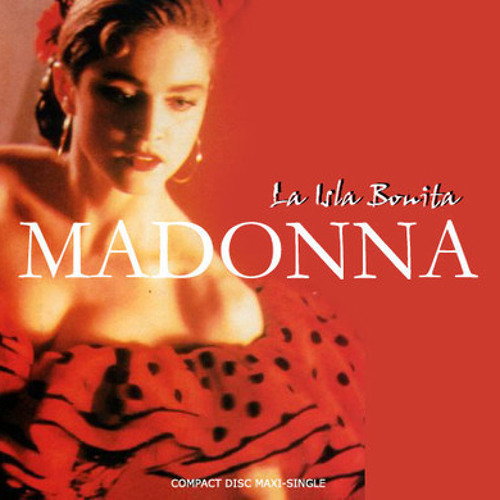
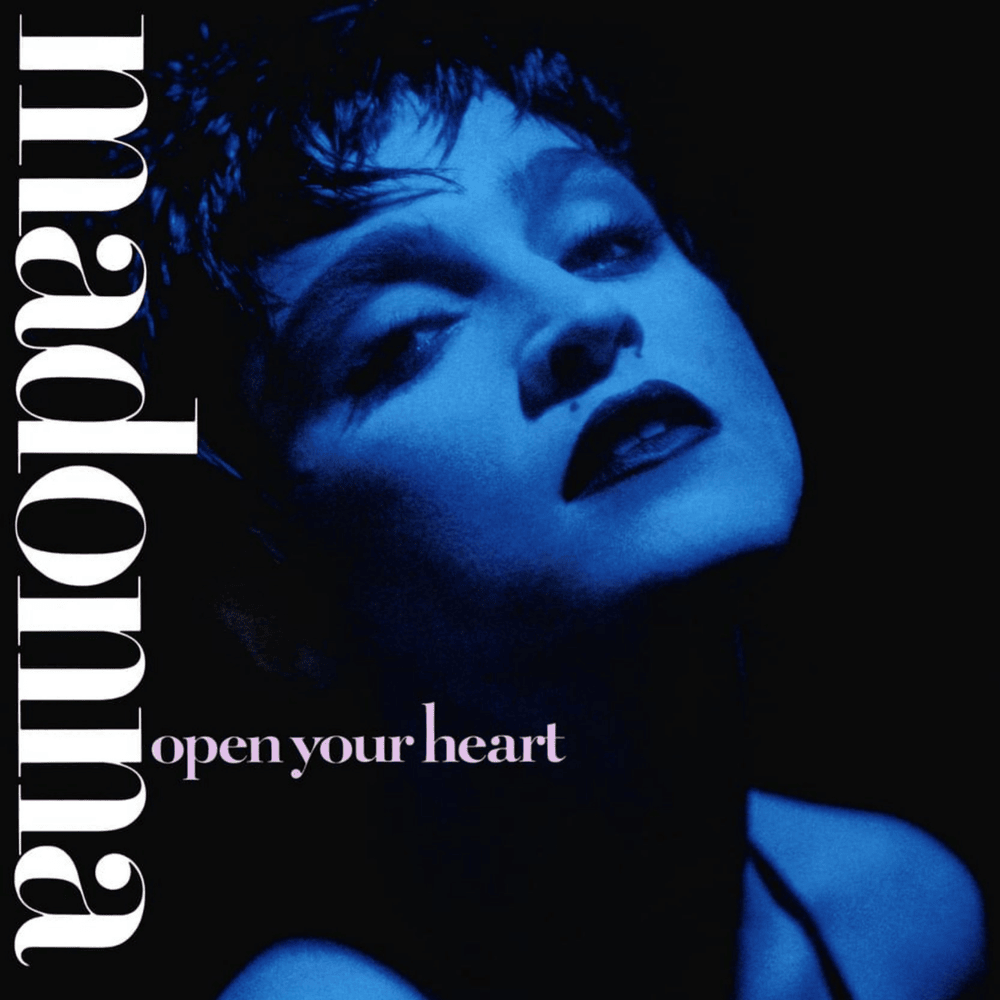
Together, they show Madonna moving beyond pure pop spectacle into character, narrative and controversy, using the single format not just to dominate the charts, but to define the visual and cultural language of the era.
Like A Virgin | 1984
The singles from Like a Virgin capture Madonna’s first major transformation from rising pop star into cultural phenomenon. From the provocative innocence of Like a Virgin to the street-smart confidence of Material Girl, the bright romantic rush of Angel, the dance-pop urgency of Dress You Up and the playful film-world charm of Into the Groove, this period sharpened the Madonna blueprint in real time.
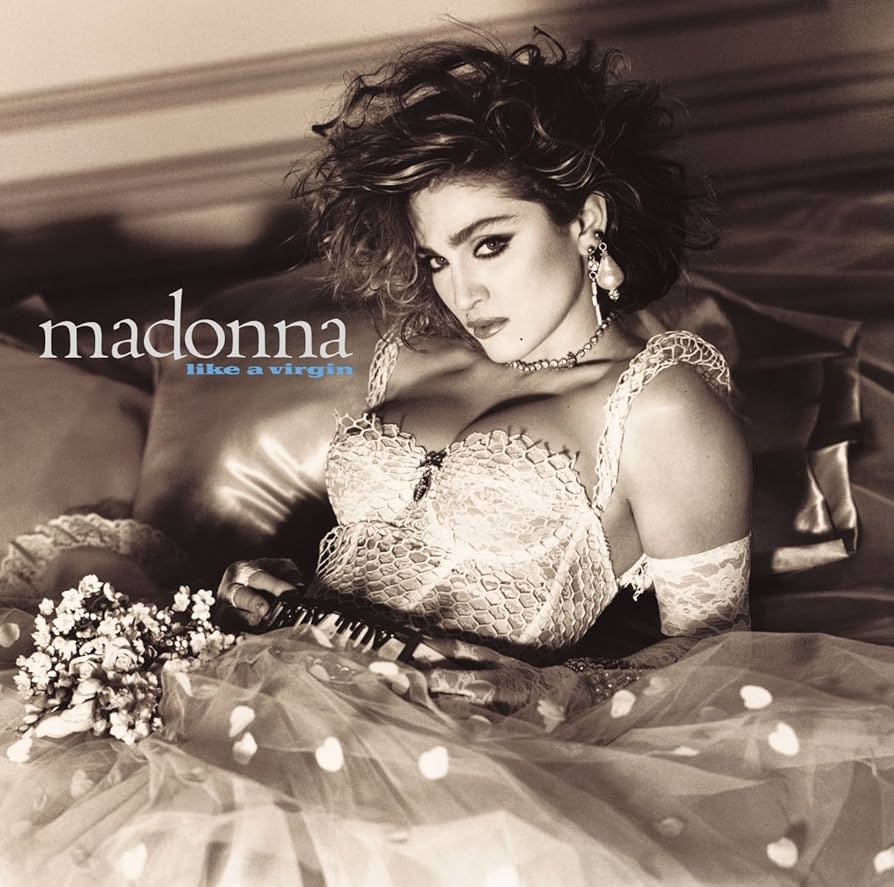
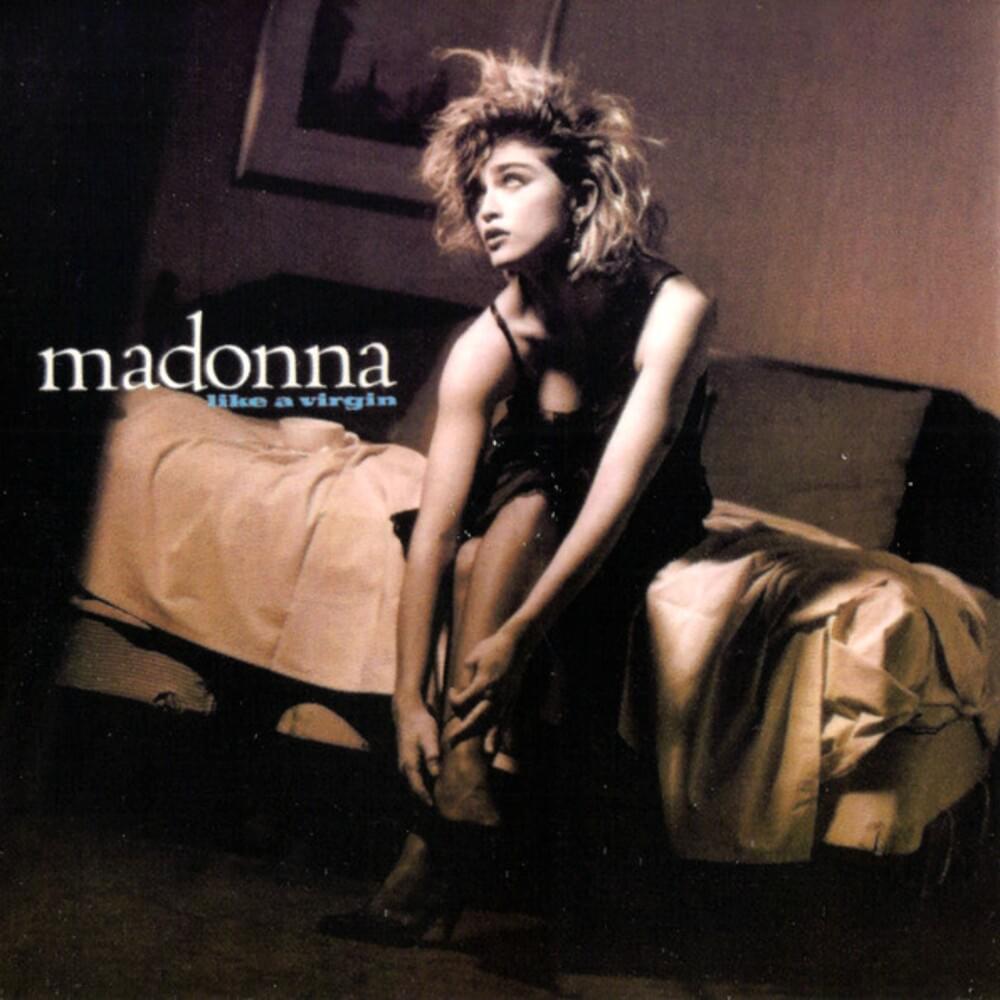
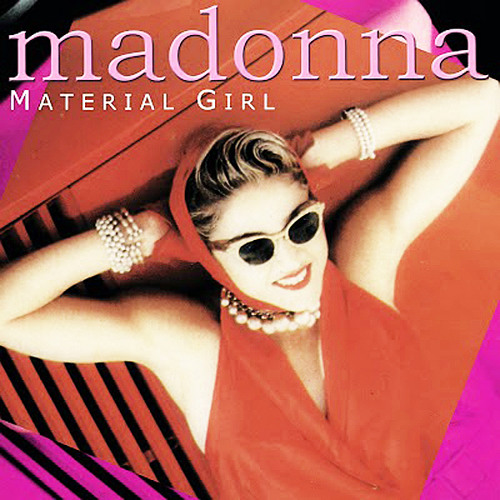
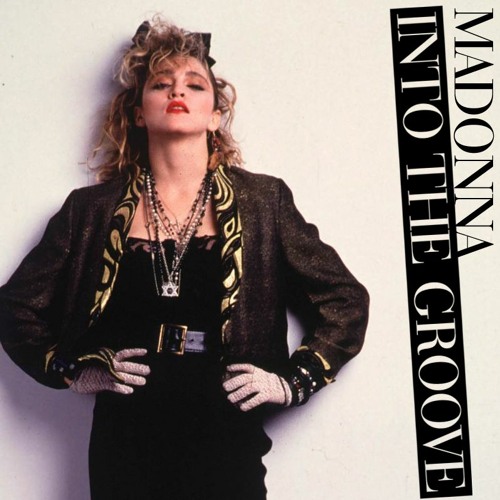
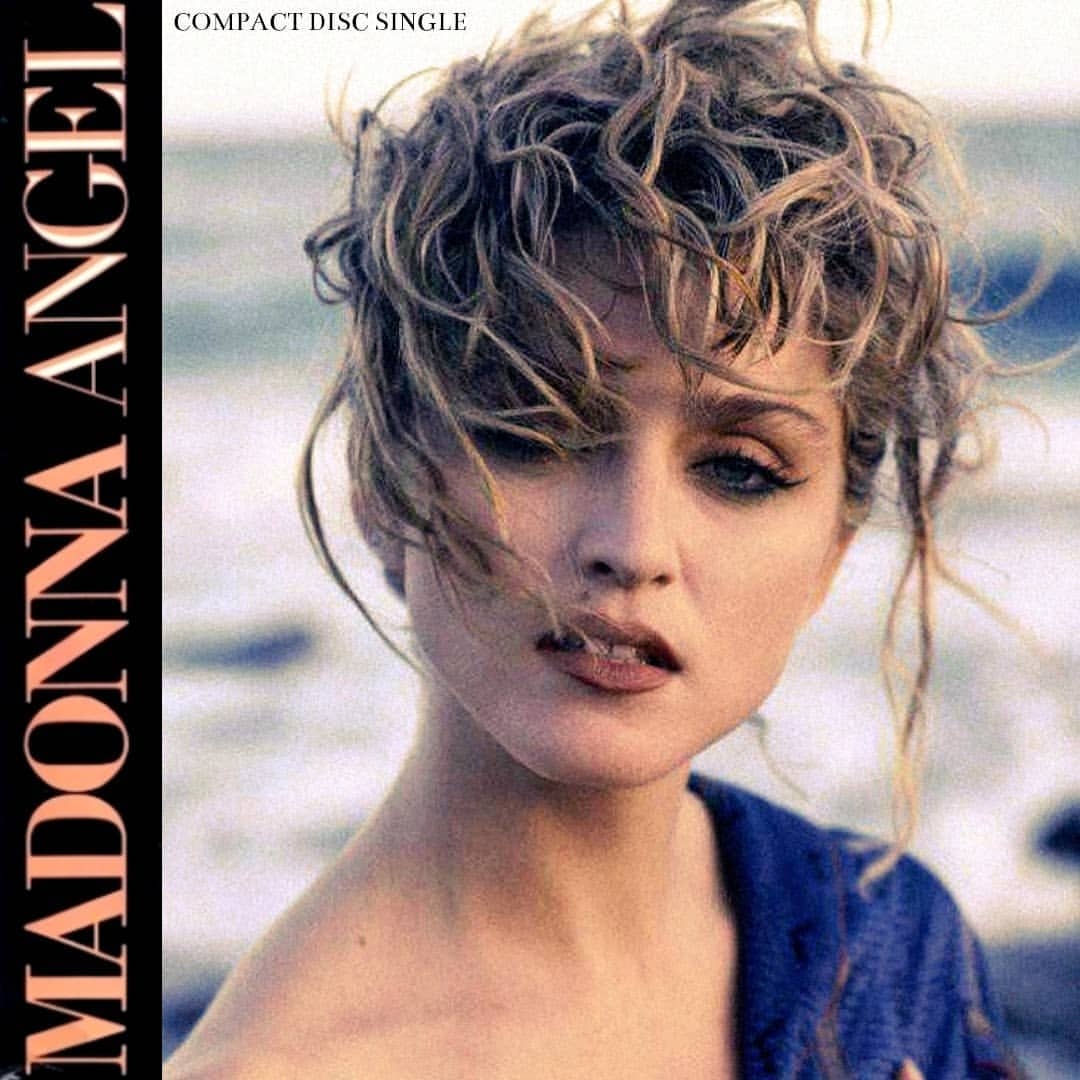
Each single helped build a public image that was flirtatious, knowing and impossible to ignore, turning fashion, attitude, controversy and pop melody into one highly controlled spectacle. Together, they made Like a Virgin the moment Madonna stopped arriving and started ruling.
M A D O N N A | 1983
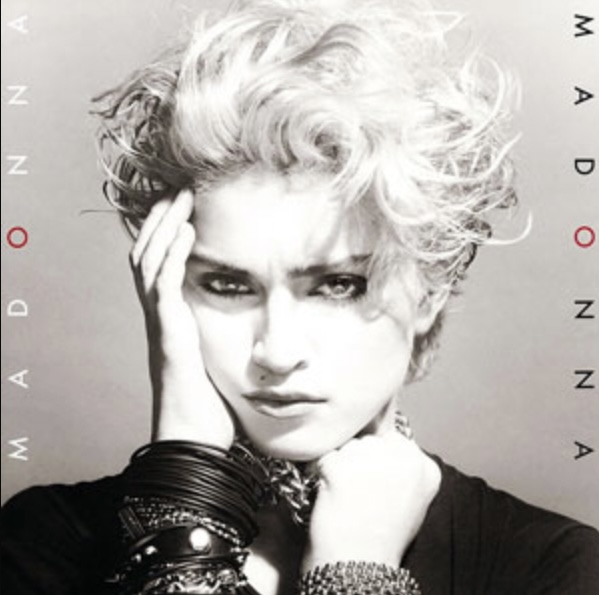
The singles from Madonna capture the sound of an artist building her kingdom from the dance floor upwards. From the underground club pulse of Everybody and Burning Up to the breakthrough brightness of Holiday, Lucky Star and Borderline, the campaign shows Madonna turning New York dance-pop into a complete pop identity.
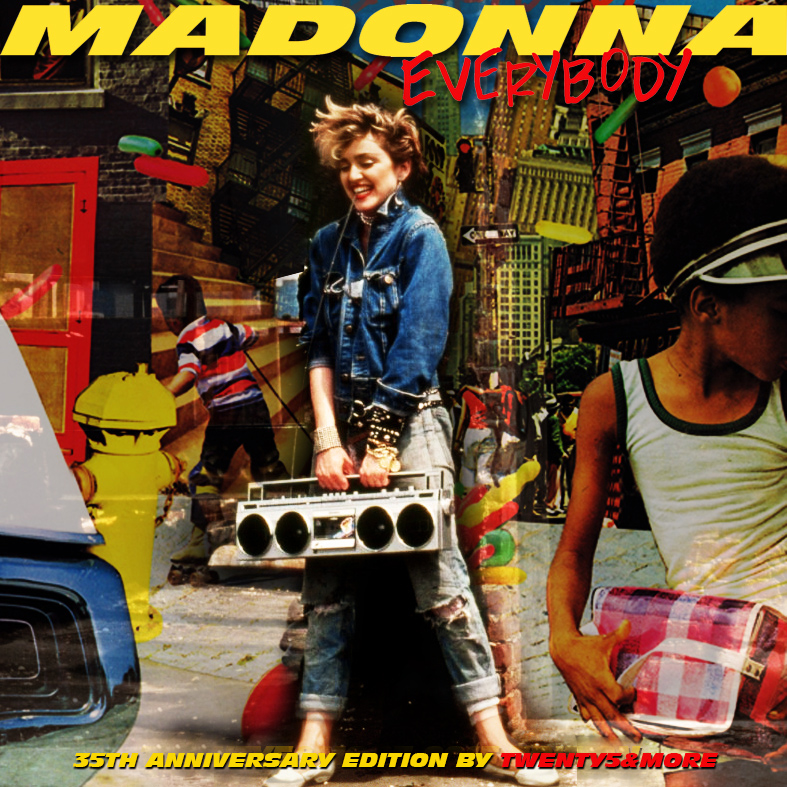
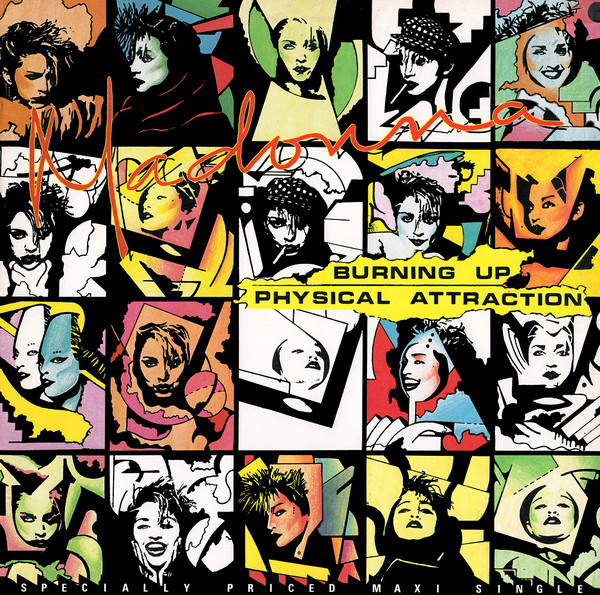
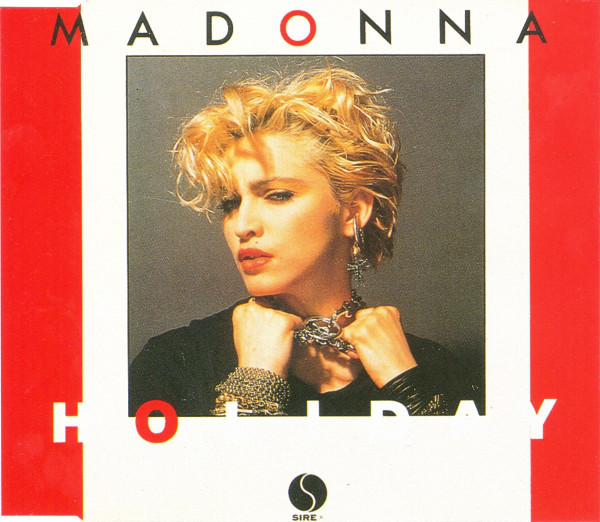
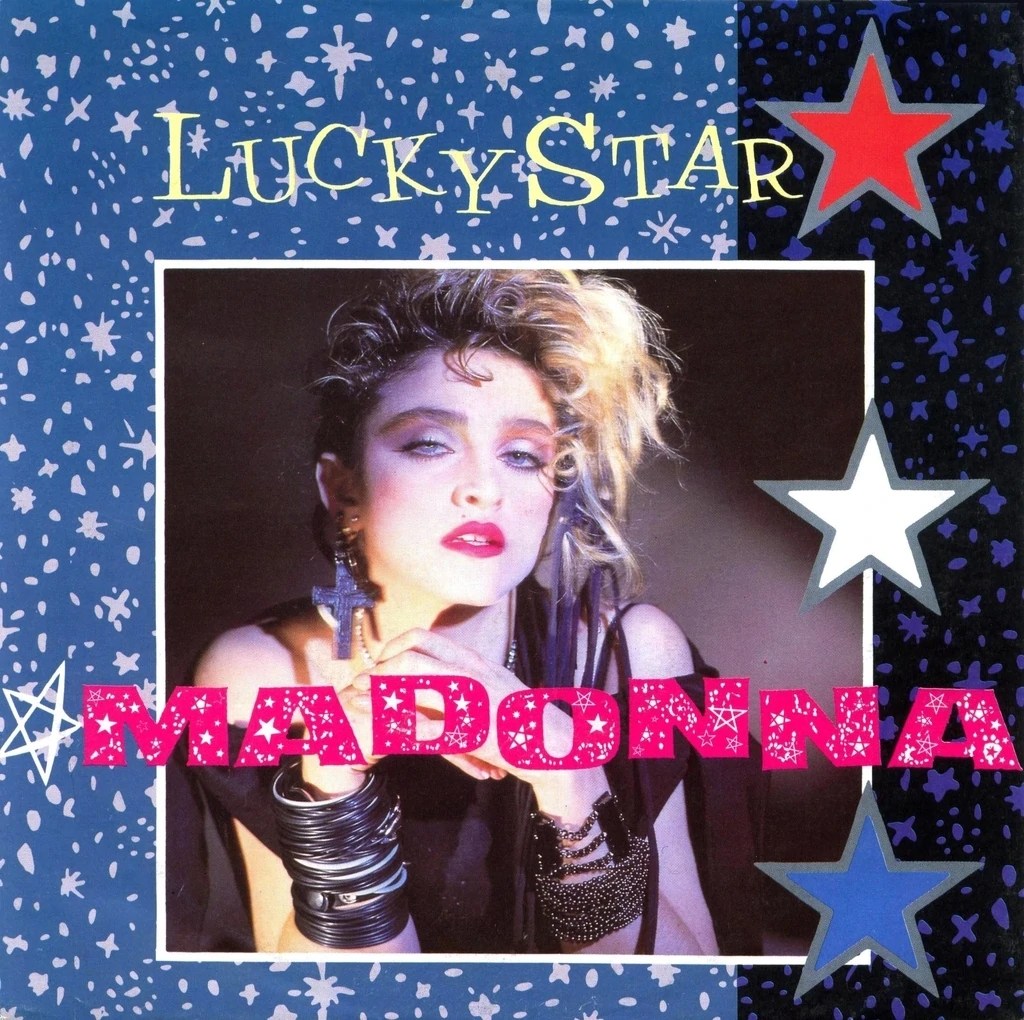
These singles are direct, stylish and deceptively simple, but they already contain the essential ingredients: rhythm as invitation, image as language, and a voice that sounds both playful and firmly in control. Together, they mark the point where Madonna moved from club discovery to mainstream arrival, carrying the city’s nocturnal electricity into pop’s front room.
 MLVC
MLVC 