GHV2
Released in 2001, GHV2 gathered Madonna’s singles from the decade that followed The Immaculate Collection, tracing a period of striking transformation from Erotica through to Music. Where her first greatest hits album captured the rise of a pop phenomenon, GHV2 documents the years when Madonna became more complex, more cinematic and more self-consciously artistic. This is the Madonna of provocation, vulnerability, spiritual searching, electronic reinvention and late-1990s critical renewal.

Artist: Madonna
Title: GHV2
Full title: Greatest Hits Volume 2 Period covered: 1991–2001
Number of tracks: 15
Release date: 12 November 2001 in the UK / 13 November 2001 in the United States
Label: Maverick / Warner Bros. Records
Format: CD, cassette, digital/streaming in later catalogue editions
Type: Greatest hits compilation
The collection moves through some of her most distinctive second-act work: the sensual theatre of Erotica, the quiet sophistication of Secret, the emotional sweep of Take a Bow, the cinematic scale of Don’t Cry for Me Argentina, the electronic rebirth of Frozen and Ray of Light, and the sleek country-disco intelligence of Music and Don’t Tell Me. It does not present every hit from the period, but it does frame the 1990s and early 2000s as a decade of Madonna repeatedly changing the weather.
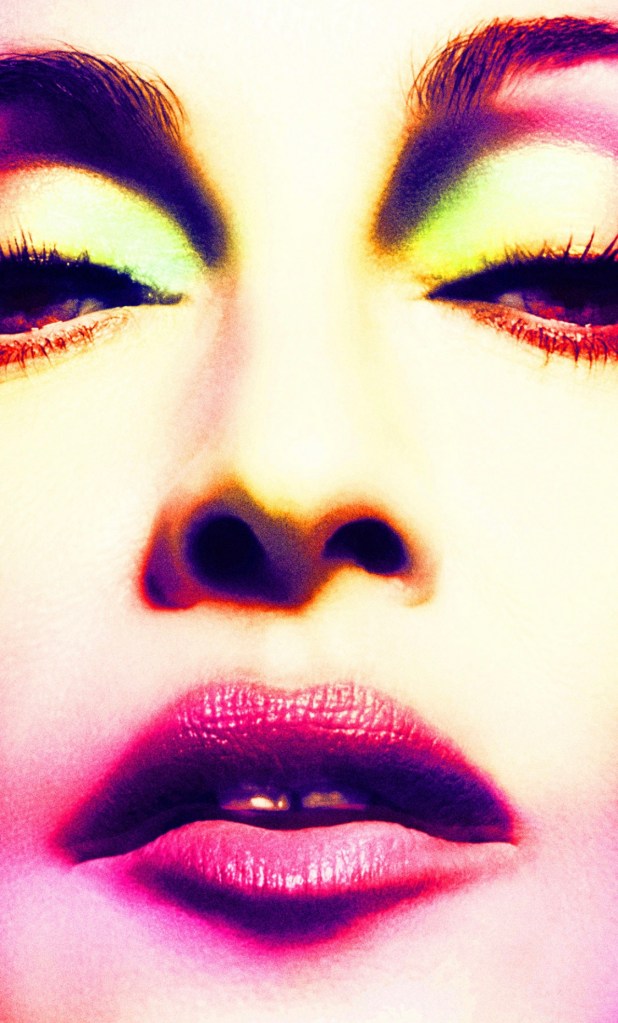
Unlike many greatest hits campaigns, GHV2 did not include a newly recorded single. Instead, the project was promoted through GHV2 Megamix, a club and radio-focused promotional release that stitched together selected tracks from the compilation into a continuous dance-floor summary.
The megamix included elements from songs such as Don’t Tell Me, Erotica, Secret, Frozen, What It Feels Like for a Girl, Take a Bow, Deeper and Deeper, Music and Ray of Light, turning the compilation into a compressed burst of late-Warner Madonna history
Because GHV2 had no commercial single of its own, its promotional life feels more archival than campaign-led. The GHV2 Megamix functioned less as a new chapter and more as a reminder: these songs already had their own eras, videos, controversies and aftershocks. By refusing to add new material, the album asks the existing work to stand on its own. It is a cooler, sharper sort of retrospective, not a victory lap with confetti cannons, more a locked glass case with bass leaking from the hinges.
Visuals
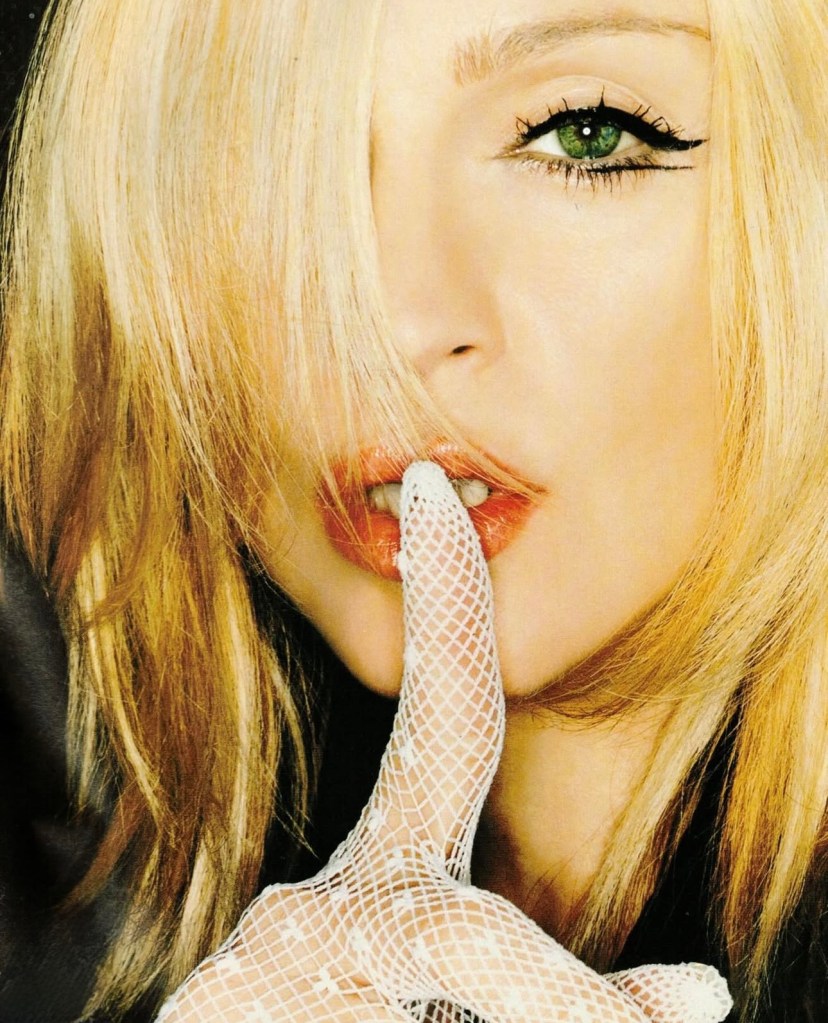
Visually, GHV2 is stripped back and intimate. The cover, taken from Regan Cameron’s 2001 photoshoot for InStyle, places Madonna in close-up, blonde hair falling across her face, the image cropped tightly enough to feel both glamorous and guarded. It is a very different visual proposition from the ornate perfection of The Immaculate Collection or the pop-art explosion of Celebration. Here, Madonna appears less as a distant icon and more as a constructed face in transition: recognisable, polished, but slightly withheld.
The visual campaign around GHV2 also reflected its unusual position in Madonna’s catalogue. With no major new video single, the project relied on the artwork, the megamix video and the accumulated memory of the videos from the songs themselves. In that sense, the compilation is almost haunted by its own visuals: Erotica, Bedtime Story, Frozen, Ray of Light, Music and What It Feels Like for a Girl all bring their own imagery into the room. GHV2 does not need to invent a new visual world. It gathers the fragments and lets them stare back.
GHV2 remains one of Madonna’s more understated compilations, but that restraint is part of its character. It captures a decade in which she moved from scandal to sophistication, from balladry to electronica, from Hollywood grandeur to club futurism.
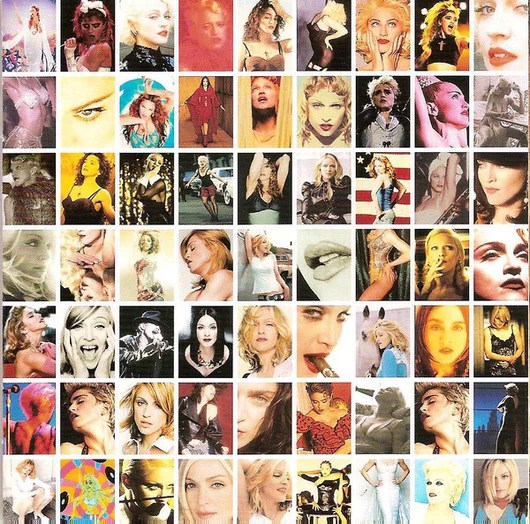
As an album page within the MLVC archive, GHV2 works as a bridge between the imperial pop dominance of the 1980s and the restless experimentation that carried Madonna into the new millennium. It is not the whole story of the 1990s, but it is a precise snapshot of an artist who refused to stay in one frame for very long.
 MLVC
MLVC 