Madonna’s Confessions II campaign continues to move with precision, pulse and just enough glitter under the fingernails.
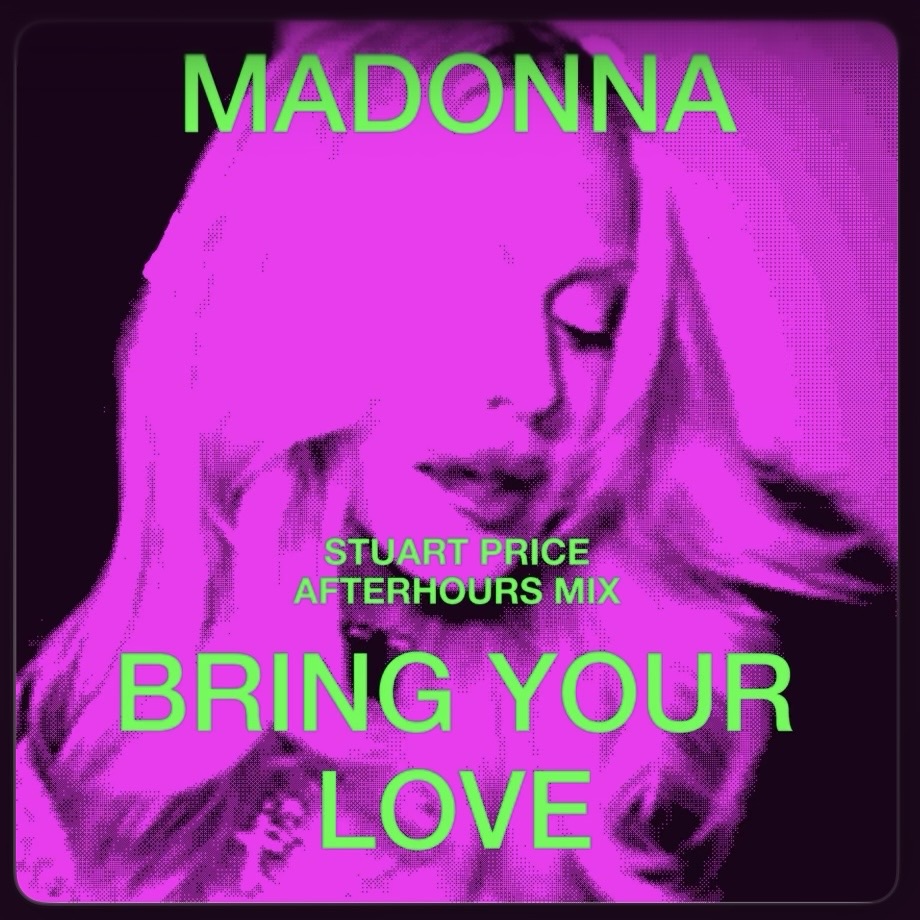
Today brings another turn of the mirrorball: Bring Your Love (Stuart Price Afterhours Mix), a new Madonna-only version of the Sabrina Carpenter collaboration, released as the album’s momentum gathers speed ahead of Confessions II.
The original Bring Your Love arrived as a high-profile meeting between Madonna and Sabrina Carpenter, following their Coachella link-up and placing Madonna firmly back inside the language of contemporary pop without surrendering her own architecture.

Co-produced by Madonna and Stuart Price, the track already carried the charge of reunion: not only Madonna and Price returning to the dance floor together, but Madonna reconnecting with the grammar of Confessions on a Dance Floor while refusing to simply repeat it.

The Afterhours Mix sharpens that idea. By removing Sabrina’s vocal presence, the remix pulls the song closer to Madonna herself. What was a duet becomes something more solitary, more nocturnal, more direct.
It feels less like a single designed for daylight visibility and more like a track heard at the edge of the room, when the club has thinned out and the lights are beginning to argue with the smoke.
That matters because Stuart Price is not just another name in Madonna’s production orbit. His work with her has always understood movement as structure.
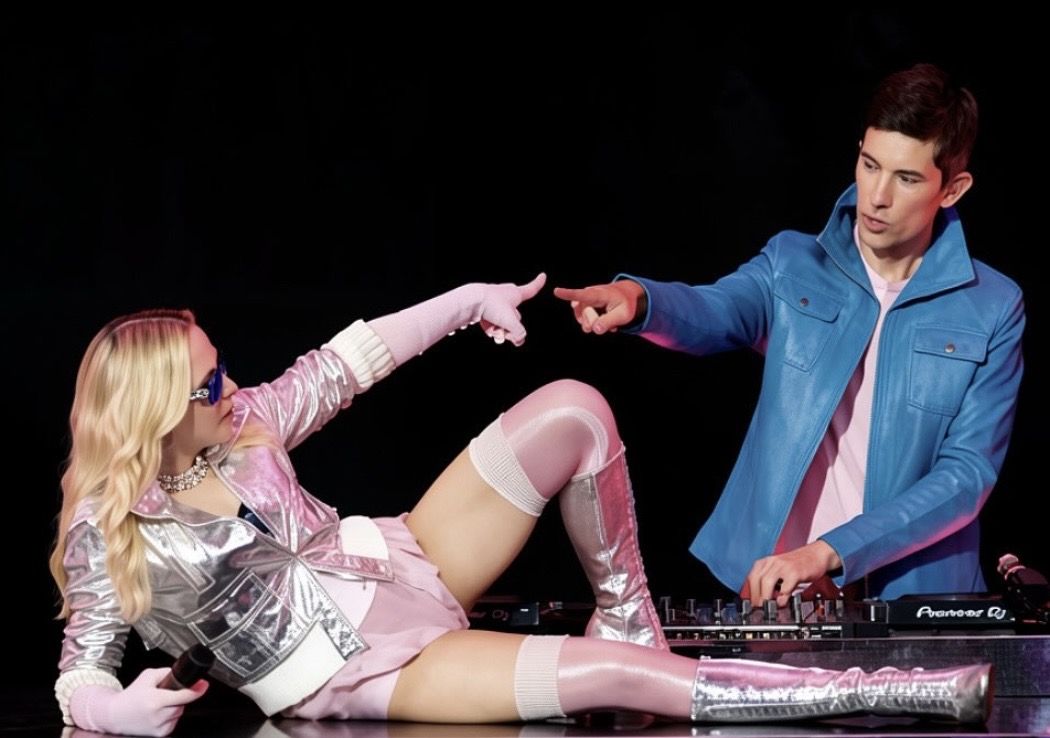
On Confessions on a Dance Floor, he helped build one of Madonna’s most elegant machines: seamless, disciplined, euphoric, but never lazy. The pleasure came from control. The release came from design. With this remix, Price appears to return to that same principle, giving Bring Your Love a darker late-night shape while keeping Madonna’s voice at the centre.
The timing is also telling.
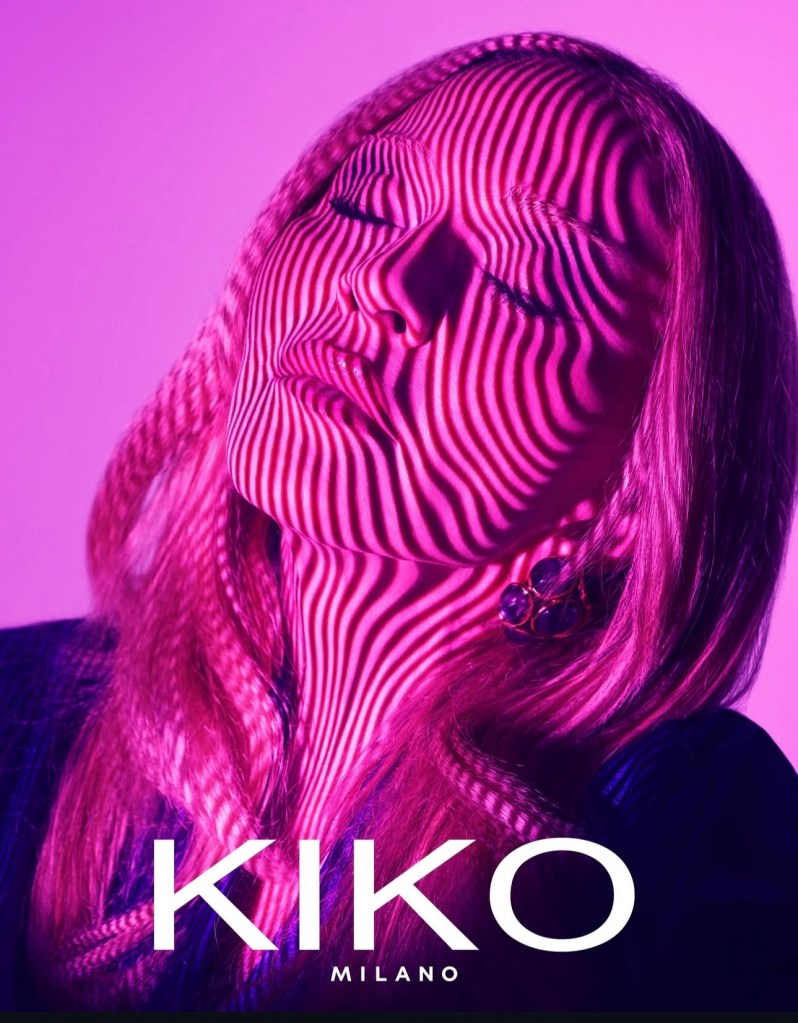
The remix has been linked to Madonna’s new KIKO Milano campaign, The KIKO Show, where beauty, performance and pop theatre fold into one another. It also appears in the end credits of the Confessions II film, making it feel less like a disposable remix and more like another piece of the campaign’s wider choreography.
Nothing here seems accidental.
The music, the film, the fashion, the make-up, the archive references and the club language are all speaking to each other.
What is striking about this phase is how Madonna is using remix culture not as an afterthought, but as part of the main text. A remix has always been one of her natural habitats. It allows a song to mutate, to sweat differently, to find another door into the same room. Here, Bring Your Love becomes more intimate by becoming more severe. The duet’s public-facing sparkle gives way to something leaner, moodier and more Madonna-led.
For long-time fans, there is an obvious thrill in hearing Stuart Price re-enter this world. But the more interesting point is that Madonna is not treating Confessions as a museum piece.
Madonna is reopening the floor plan. The familiar elements are there: pulse, repetition, glamour, discipline, release. But the lighting has changed. The room is older, stranger, more expensive, more haunted, and still very much open.
Bring Your Love (Stuart Price Afterhours Mix) is not simply a remix. It is another signal from Confessions II: this era is being built in layers, and every layer knows exactly where the beat is buried.
 Madonna
Leave a comment