
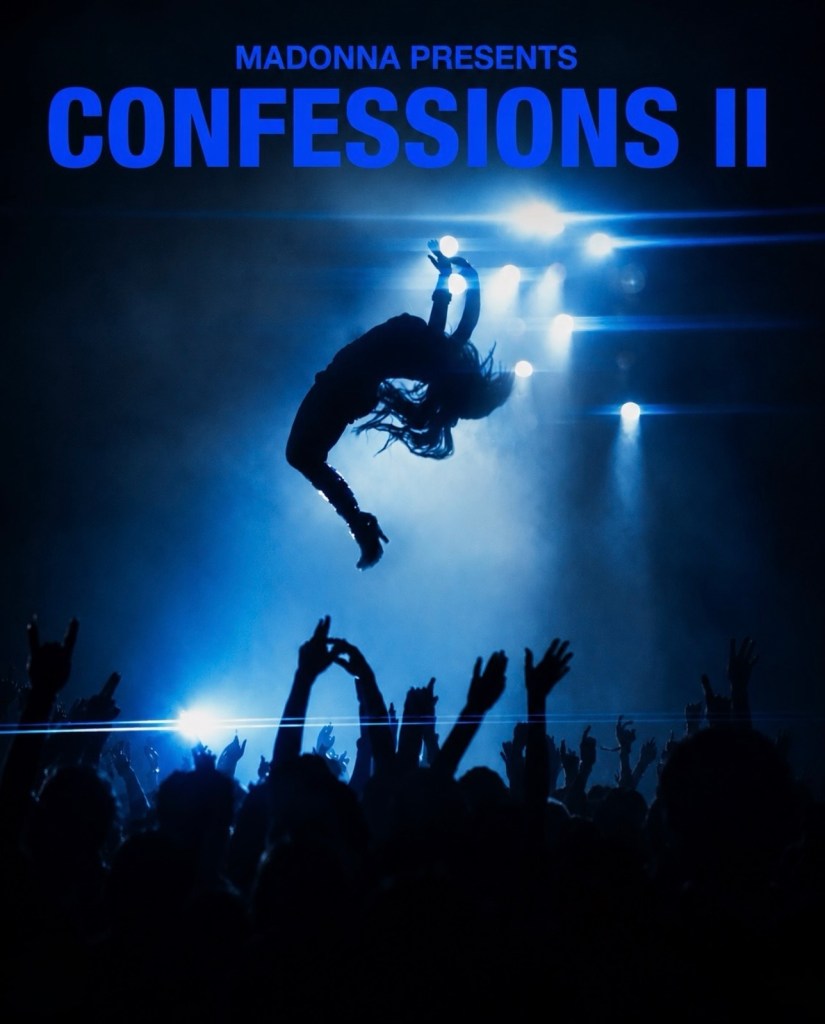
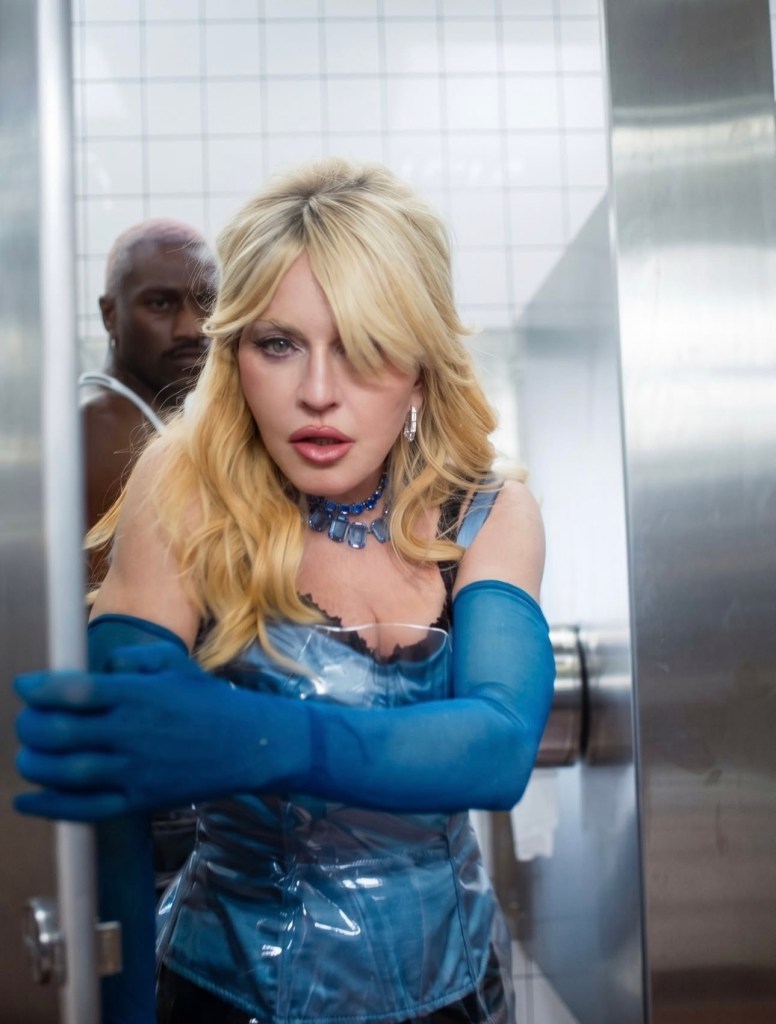
The more you watch Confessions II – The Film, the less it behaves like a trailer. At first, the eye is pulled towards the obvious spectacle: the bodies, the faces, the styling, the collision of glamour and provocation, the sheer Madonna-ness of it all. It arrives loudly, knowingly, with the confidence of an artist who understands that attention is never simply given. It has to be seized, shaped, and sometimes dragged by the collar into the room.
But on repeated viewing, something else begins to happen.
The noise starts to organise itself. The film becomes less about shock and more about structure. The music begins to assert itself. What first appears to be a rush of imagery starts to feel like a passageway into the album.
That is why the first six tracks matter.
I Feel So Free
Good for the Soul
One Step Away
Bring Your Love
Danceteria
Read My Lips
Taken together, they do not feel like a random sampler from Confessions II. They feel like an opening ritual. A set of instructions. A way of entering the record before the record has fully arrived.
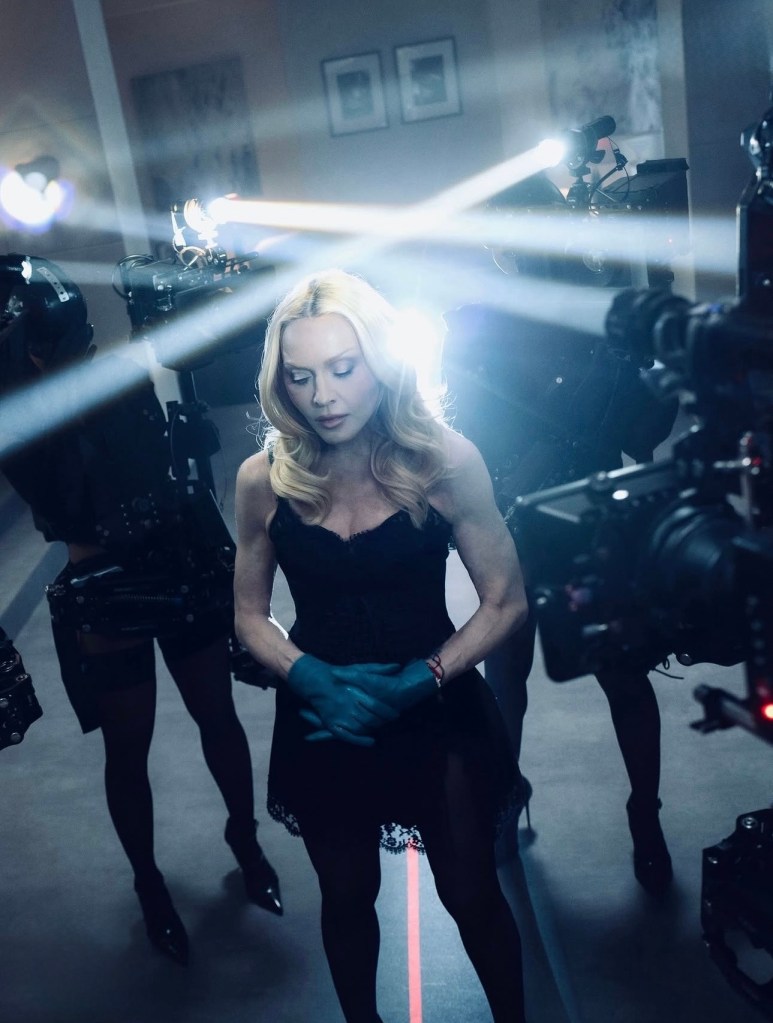
Madonna has always understood that dance music can carry more than release. It can carry memory, desire, tension, grief, humour, sex, discipline, freedom and survival. The dance floor, in Madonna’s hands, has rarely been just a dance floor. It is a place where identity is tested. It is where the body speaks before language catches up. It is where loneliness can be disguised as glamour, and where glamour can become a form of armour.
That makes Confessions II – The Film more interesting than a standard promotional short. It is not simply giving visual life to six songs. It is showing us how the music wants to be heard.
The sequence begins with I Feel So Free, a title that immediately suggests release, but Madonna’s freedom has never been soft-focus or uncomplicated.
In her work, freedom is usually fought for, performed, risked, and reclaimed. It is not a meadow. It is a room with a locked door and a very good sound system. As the opening gesture, the song appears to place liberation at the centre of the album’s world, but the film complicates that freedom almost immediately. Bodies move, but they are also watched. The camera liberates and traps. The crowd offers escape and exposure.

Then comes Good for the Soul, a title that shifts the register from freedom to repair. If I Feel So Free opens the door, Good for the Soul asks what needs healing once we step inside.
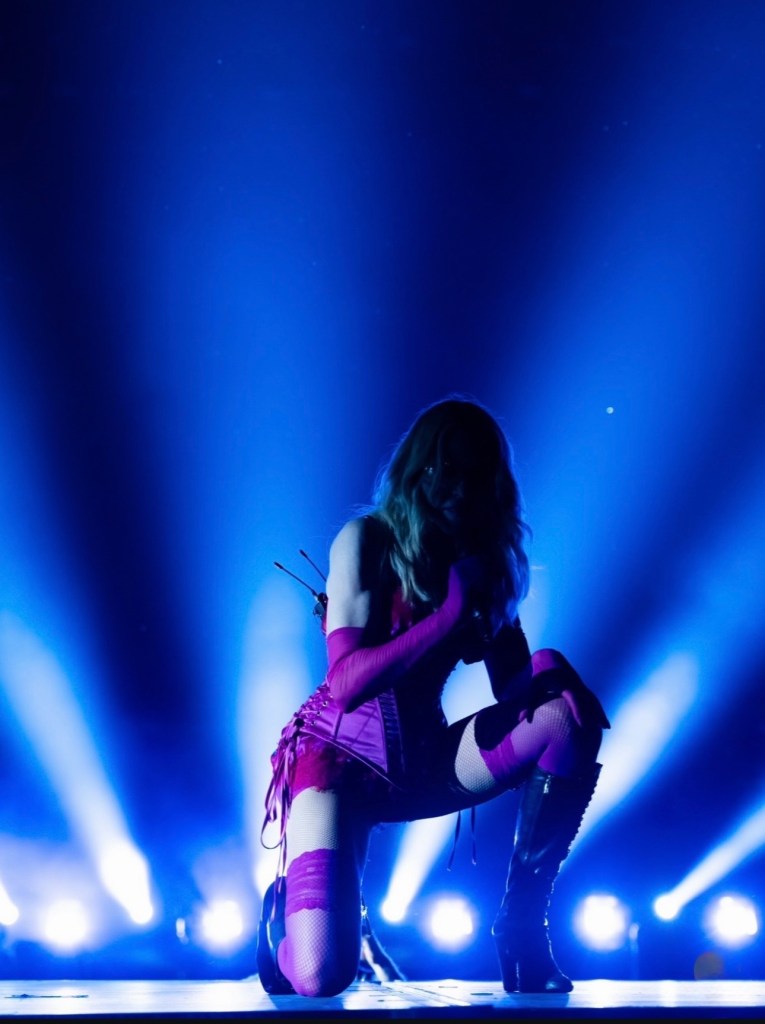
This is where the film’s relationship with pleasure becomes more layered. Madonna has always distrusted easy purity. Her spiritual language is rarely separate from the physical. The soul is not somewhere above the body. It is inside the sweat, the rhythm, the costume, the performance, the repetition. The music suggests cleansing, but not the polite kind. This is purification under strobe light.
One Step Away introduces movement as threshold. The phrase is beautifully Madonna because it can mean several things at once. One step away from surrender. One step away from escape. One step away from confession. One step away from becoming someone else. Across her career, Madonna has often placed herself at the edge of transformation, never quite allowing the audience to settle. Here, the title feels like a hinge.
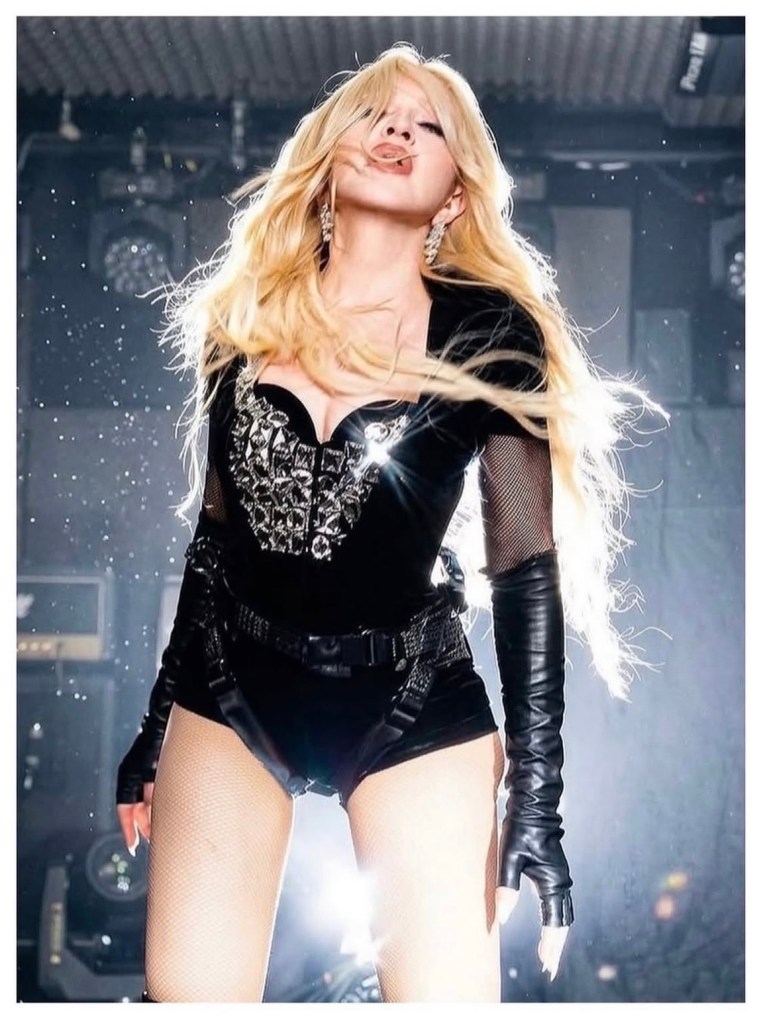
The first two tracks open the emotional and spiritual terrain; One Step Away begins to move us through it. Then Bring Your Love brings contact into the room. After freedom, soul and transition, the album turns towards invitation.
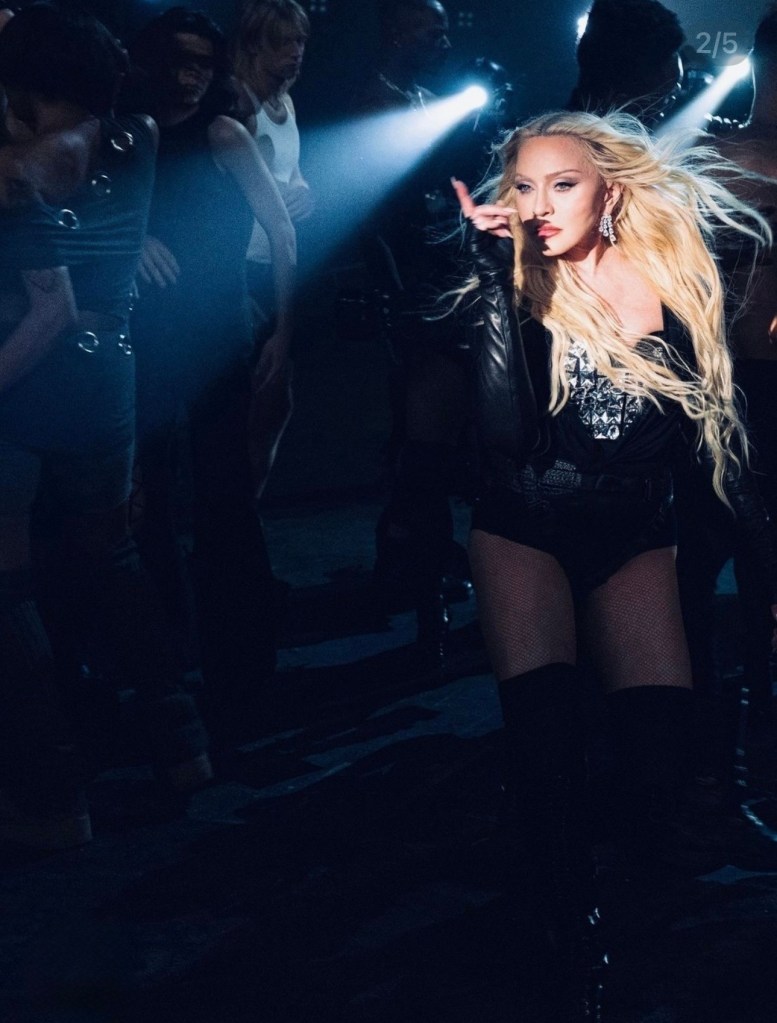
Yet even here, love does not appear as softness alone. In Madonna’s world, love is often command, challenge, hunger, transaction, surrender, rescue and risk. The song’s placement in the first six tracks matters because it shifts the film from individual movement into encounter. Someone is being addressed. Something is being asked for. The body is no longer simply moving through space; it is reaching.
The fifth track, Danceteria, may be the most loaded title in the sequence. It does not merely nod to a club.
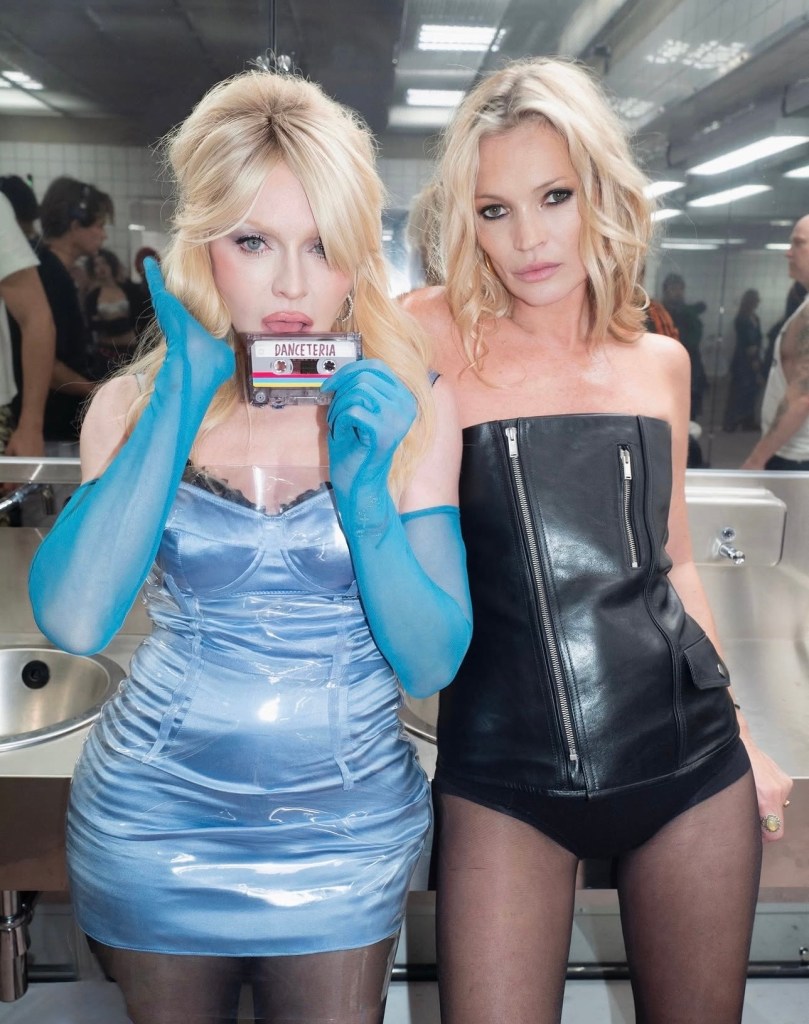
The track points towards origin. New York. Nightlife. The early 1980s. The spaces where Madonna learned how music, image, ambition and community could be fused into a new kind of pop language. To invoke Danceteria now is not simply to indulge nostalgia. It is to return to the scene with different authority. The young Madonna once tried to get into the room. The Madonna of Confessions II builds the room, controls the lights, rewrites the guest list, and still knows exactly where the exits are.
This is where the first six tracks begin to feel like a map of Madonna’s own mythology. Not a museum map, with neat labels and velvet ropes, but a living map: sweaty, crowded, unstable, still pulsing. Danceteria becomes less a reference than a portal. It connects the album’s present to the places where Madonna first understood the club as theatre, laboratory and battlefield.
And then comes Read My Lips.
As the sixth track, that title lands with force. After freedom, soul, movement, love and memory, we arrive at speech. Or perhaps not speech exactly, but command. Read My Lips is a phrase of insistence. It asks to be watched and understood. It is seductive, confrontational and theatrical. It also feels deeply connected to Madonna’s long relationship with being interpreted, misread, condemned, decoded and consumed.
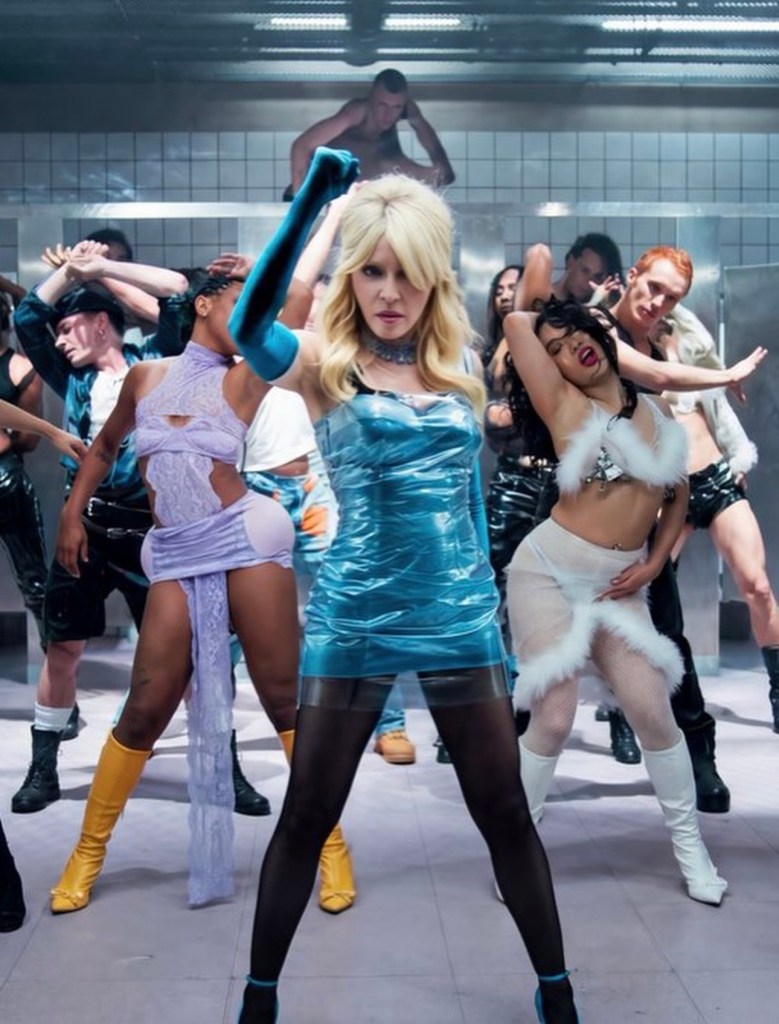
The title suggests that the body has been speaking all along. The lips are only the final signal.
This is where Confessions II – The Film begins to reveal its deeper intelligence. The first viewing may be dominated by spectacle, but repeated watching makes the musical architecture clearer. The six tracks move through release, repair, transition, desire, origin and command. They form a passage from the internal to the communal, from feeling to contact, from memory to instruction.
That structure also deepens the idea of confession itself.
The original Confessions on a Dance Floor was never confessional in the traditional singer-songwriter sense. Madonna was not sitting still with an acoustic guitar, offering diary entries by candlelight. She confessed through rhythm, sequencing, repetition and release. The confession happened on the floor, inside the mix, in the refusal to separate pleasure from meaning.
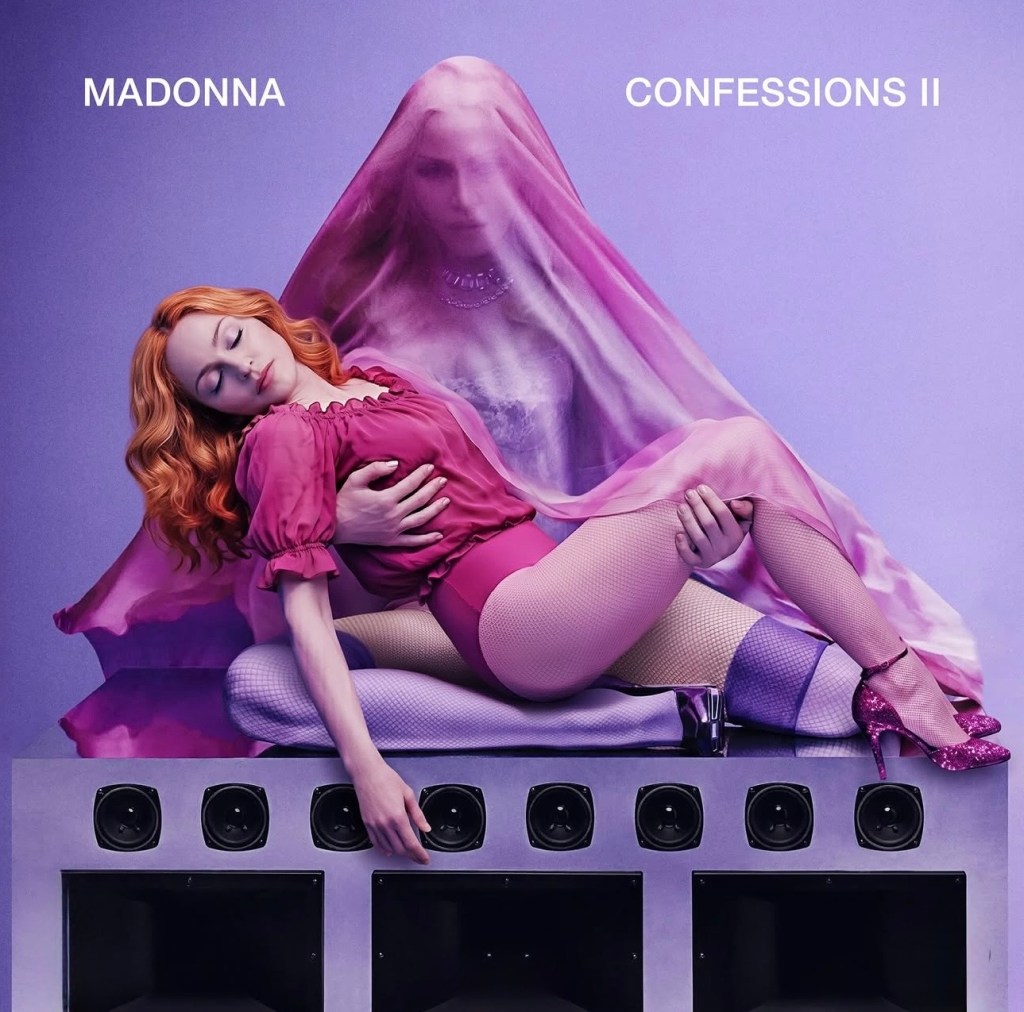
Confessions II appears to understand that inheritance. The first six tracks do not simply tell us what Madonna feels. They stage the conditions in which confession becomes possible. They create the room, summon the crowd, turn up the volume, and then ask what the body knows that the mouth has not yet said.
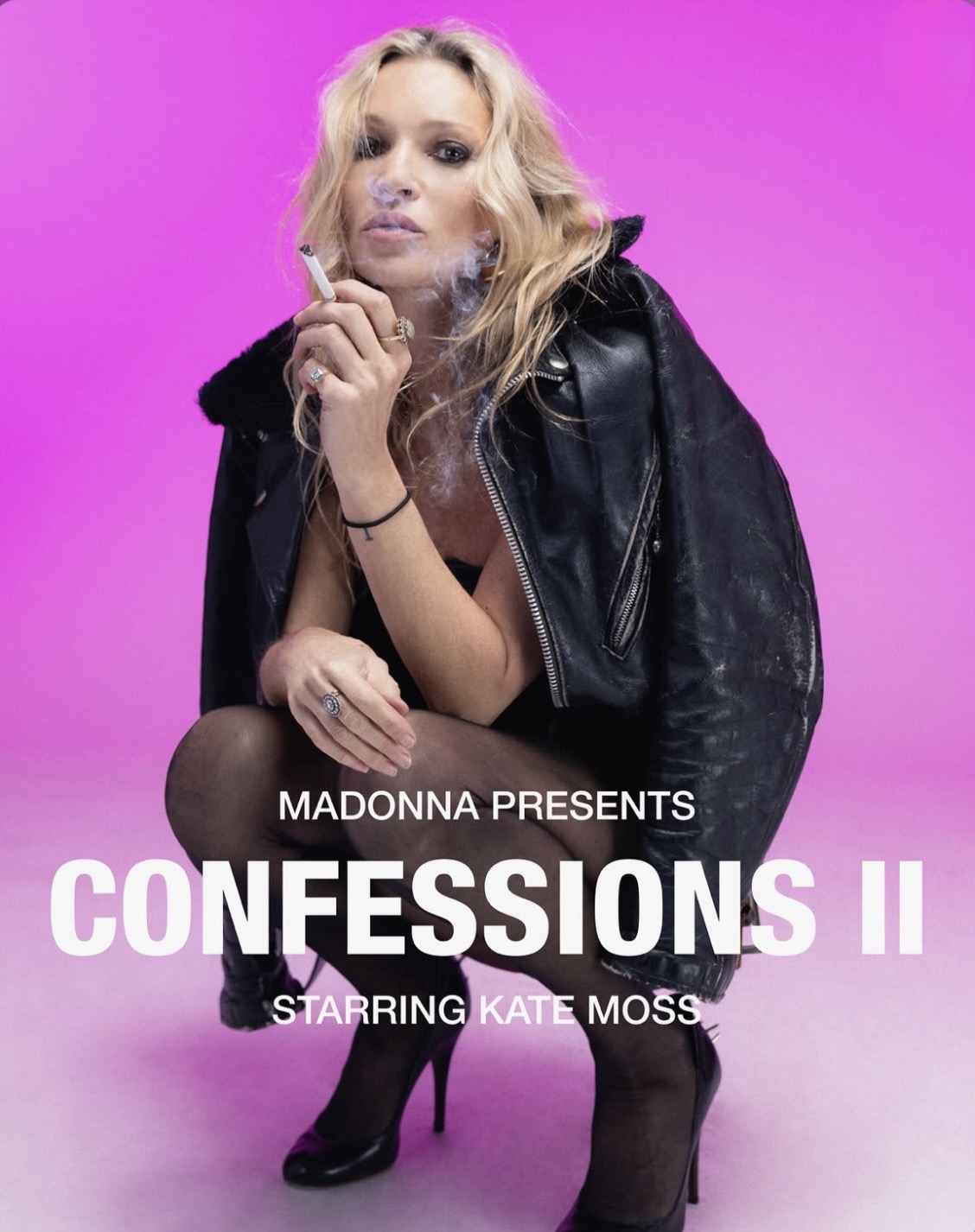
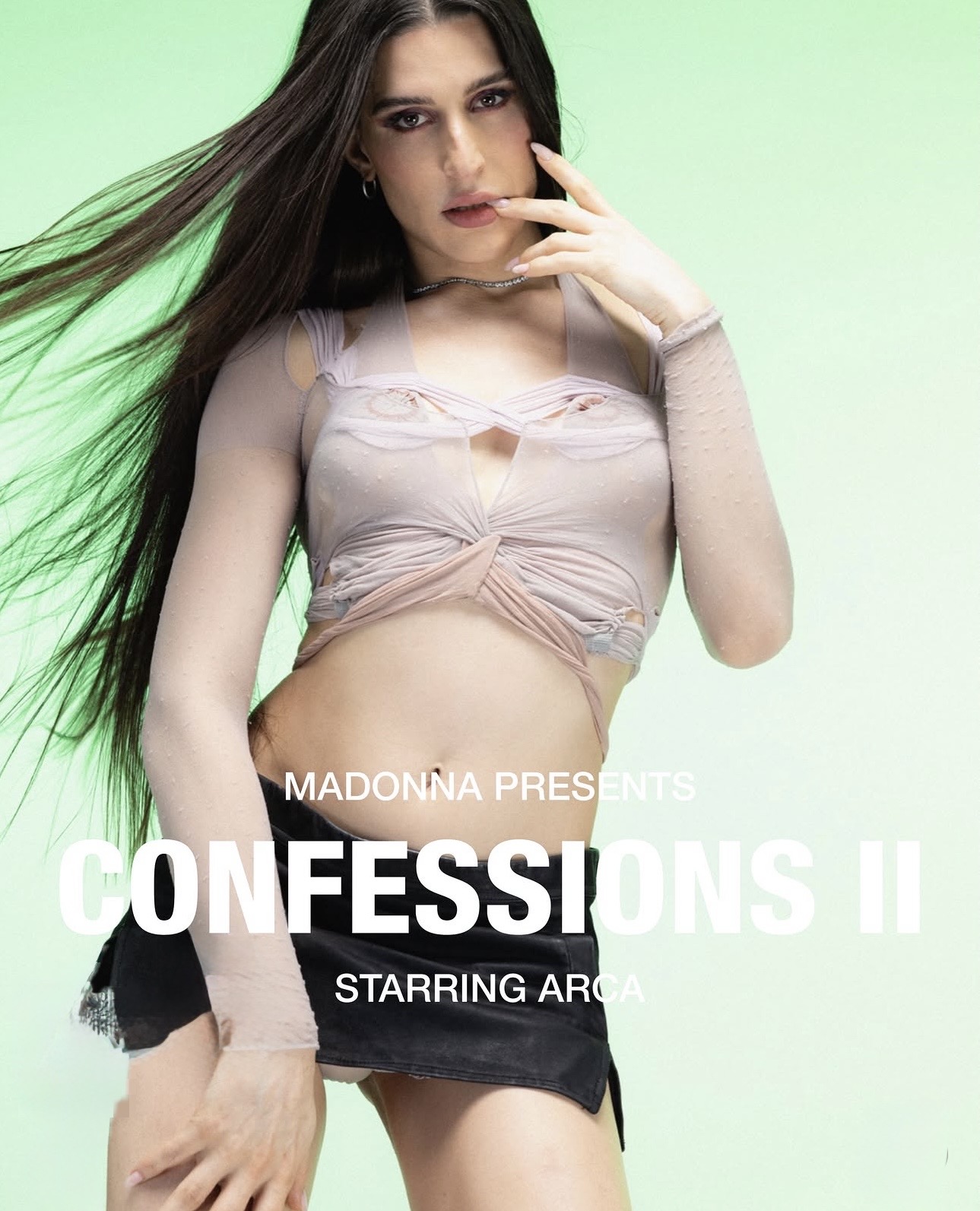
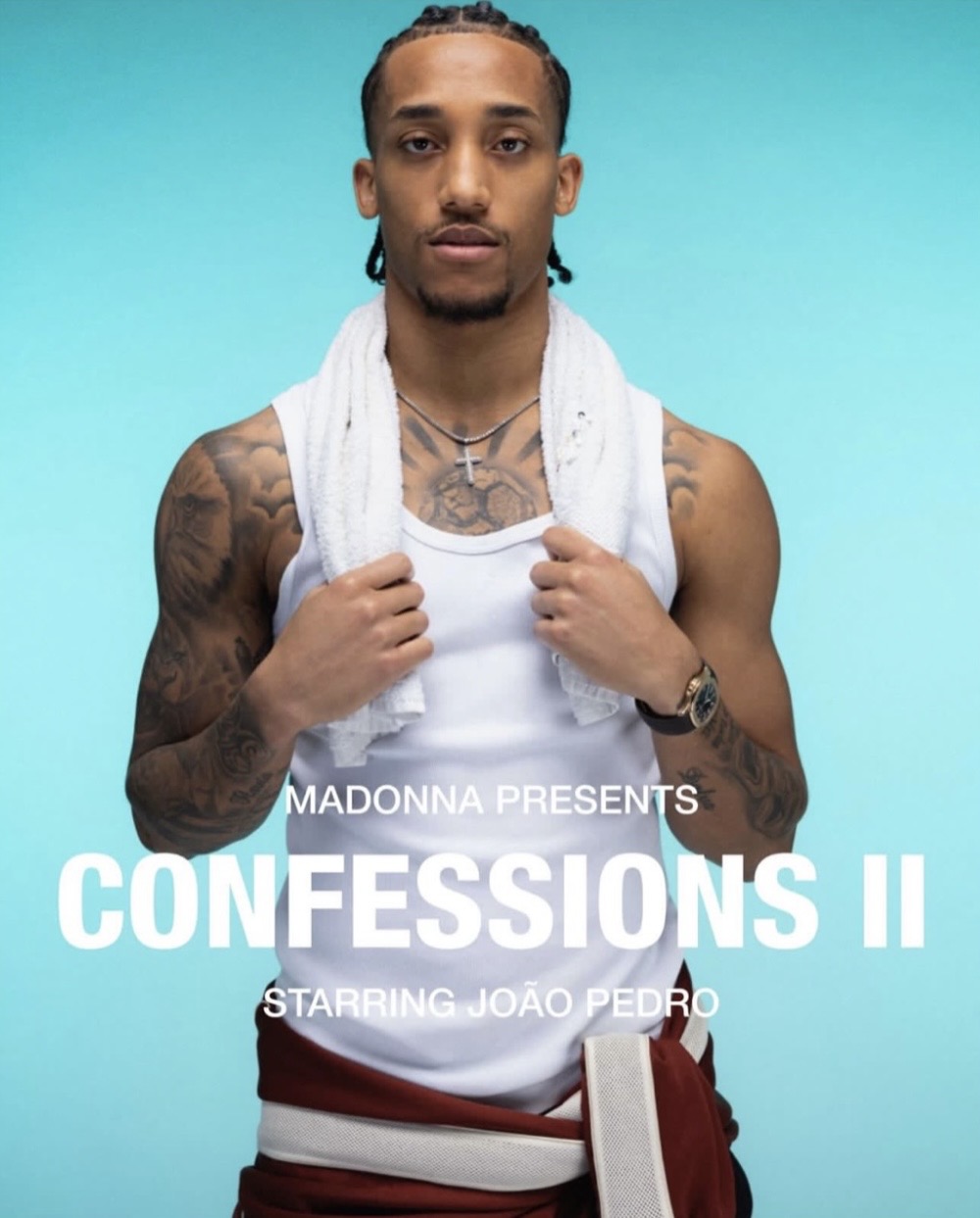
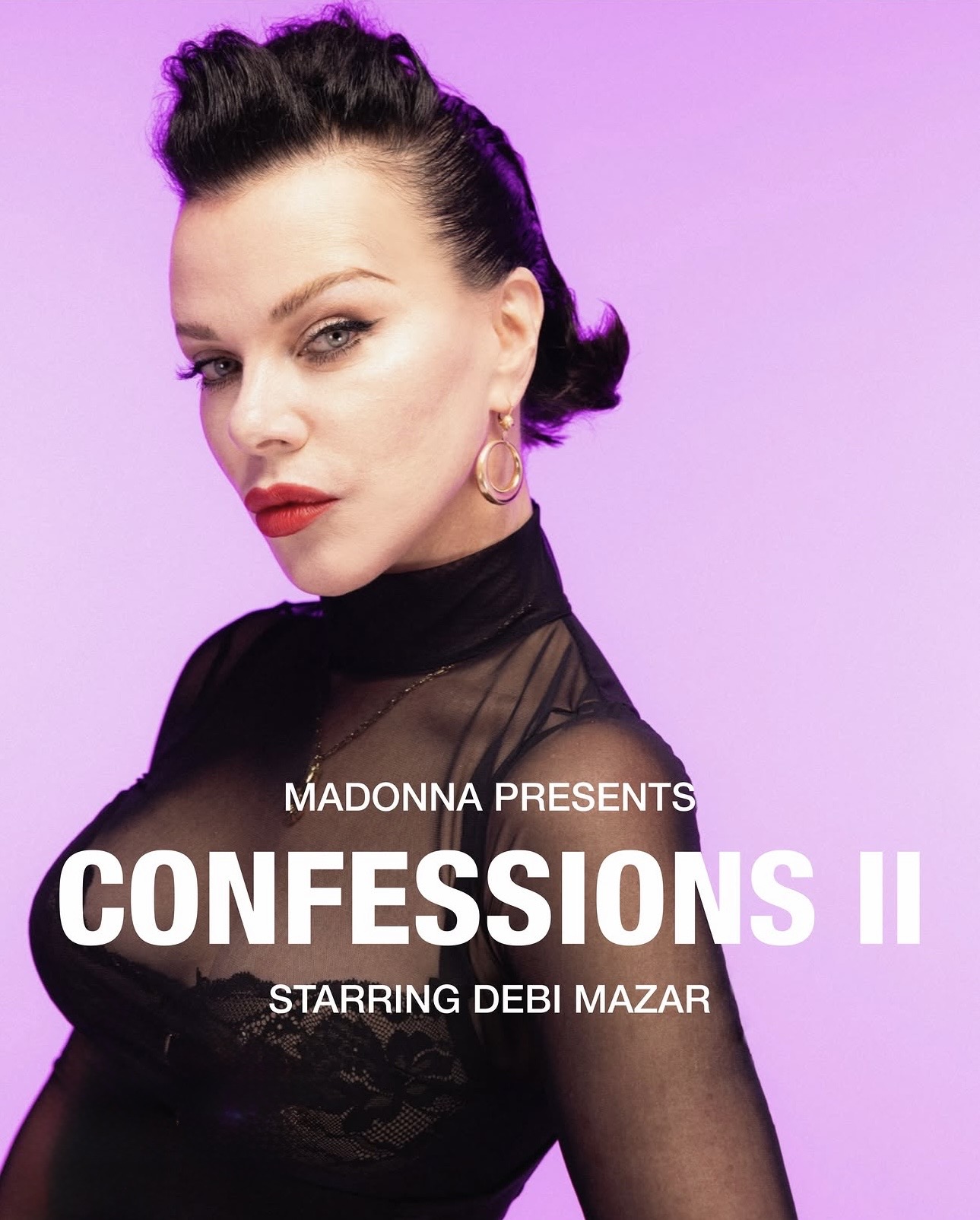
This is why the film rewards repeat viewing. The first time, it is easy to see the cameos. The second time, the styling begins to speak. The third time, the music starts to organise the chaos. After that, the first six tracks begin to feel less like a preview and more like a key.
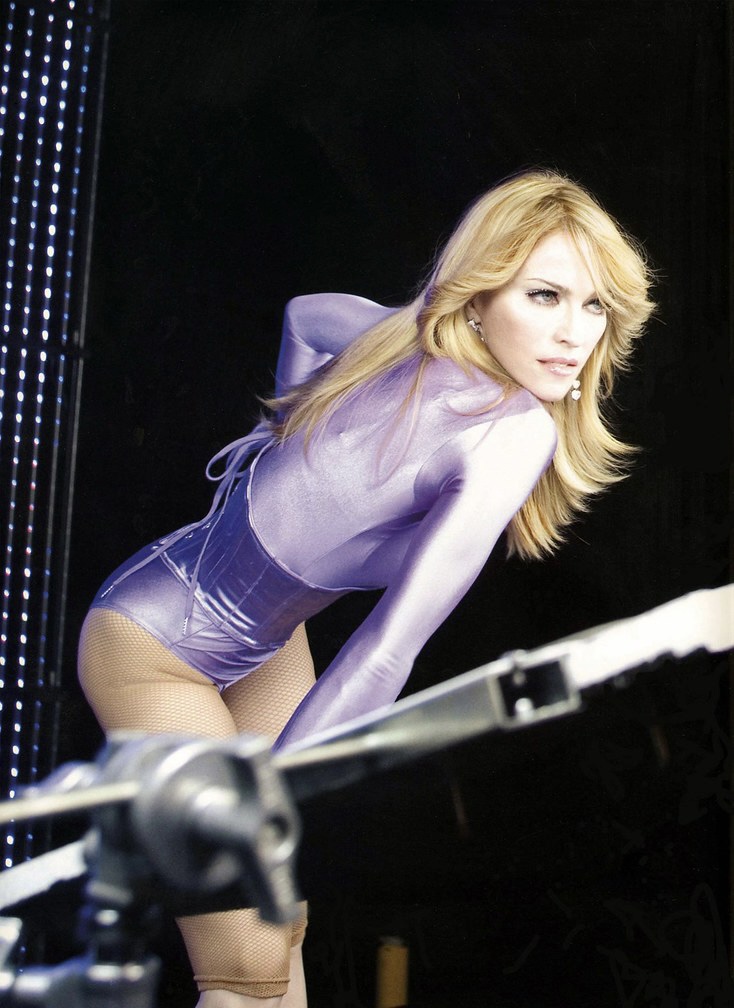

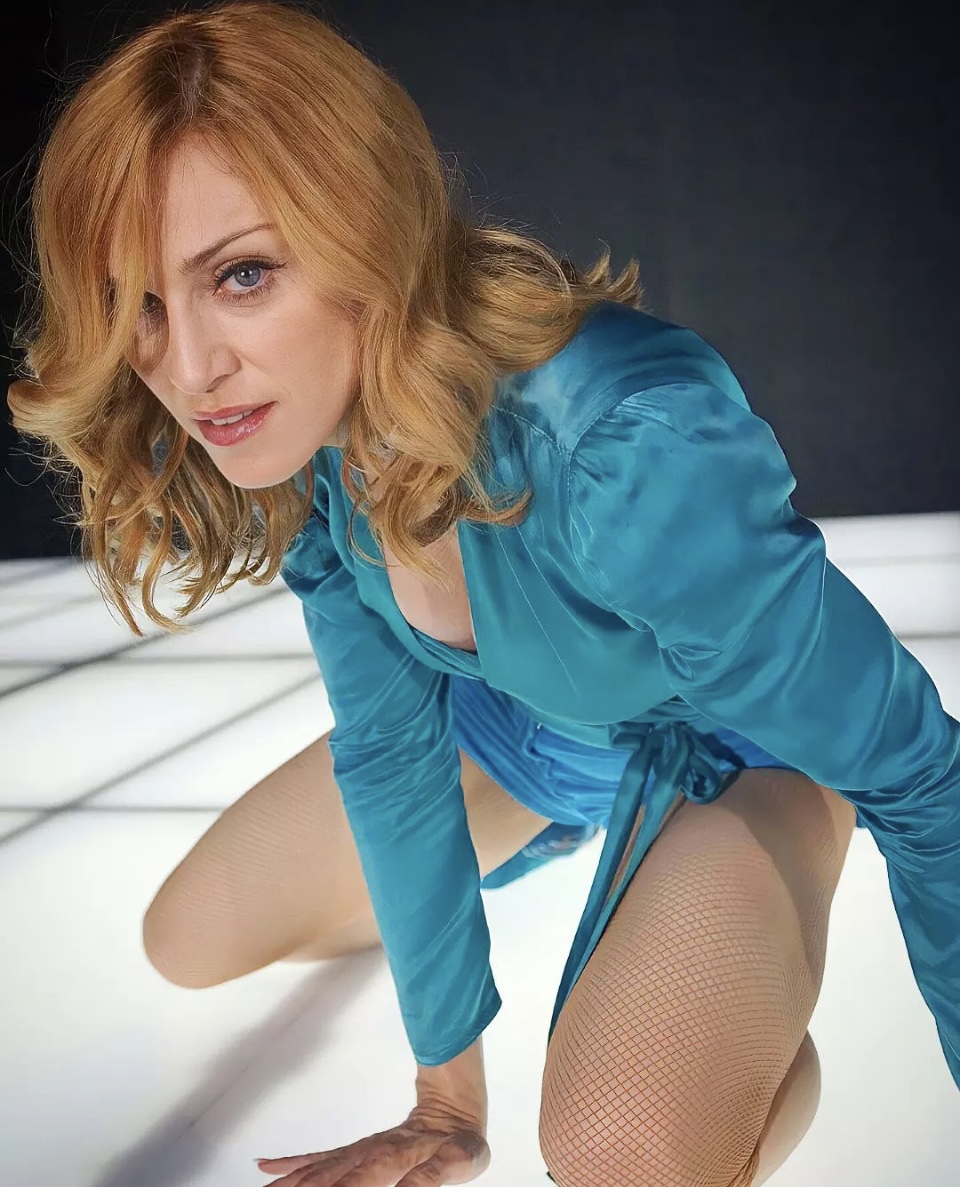

Madonna is not simply revisiting Confessions as a brand, a sound, or a glittering piece of her own archive. She is reopening it as a system: dance as language, nightlife as memory, the body as evidence, the club as a place where identity is both lost and sharpened.
The first six tracks are the threshold.
They do not give everything away.
They do something better.
They teach us how to enter.
 Madonna
Leave a comment