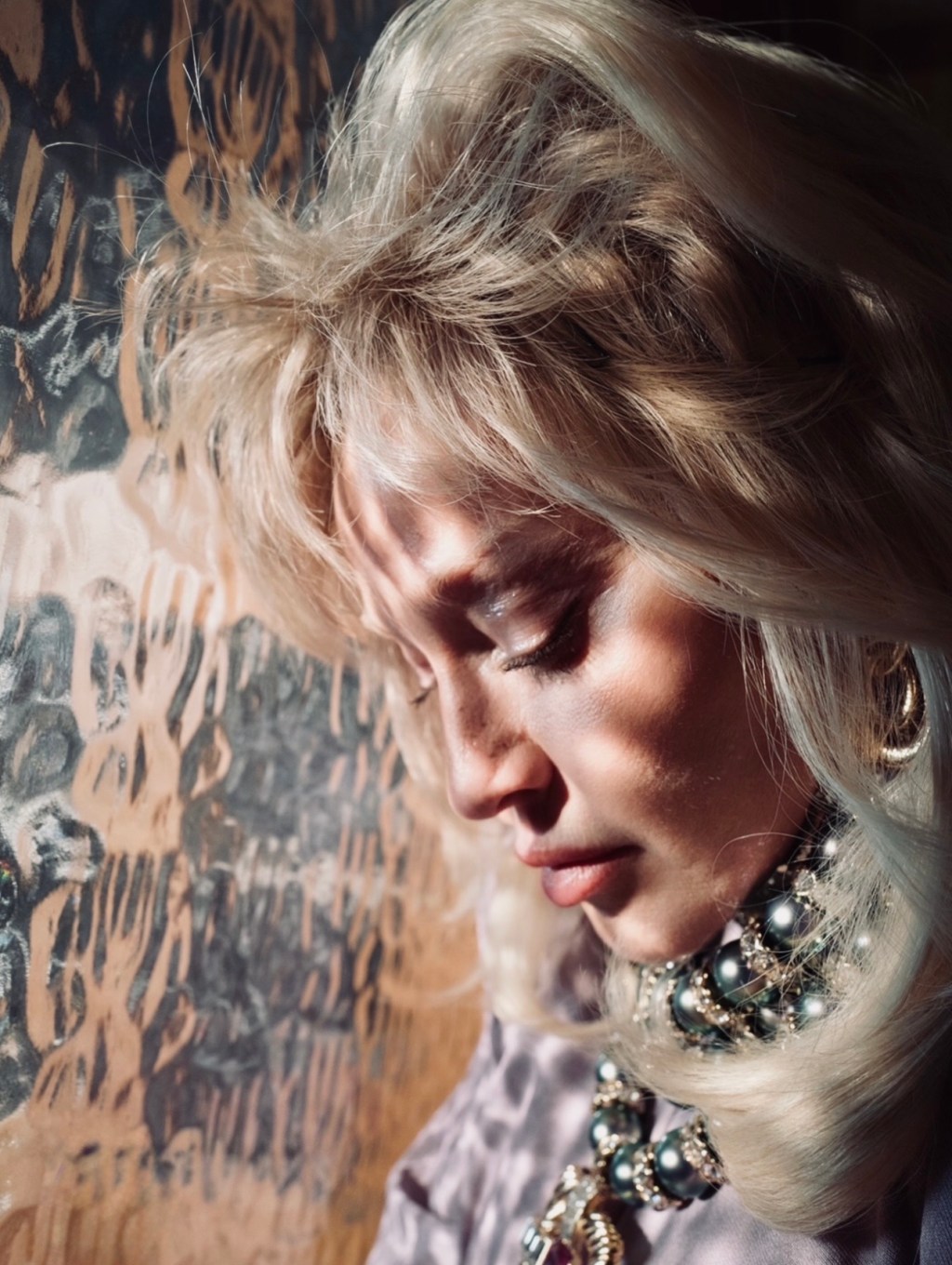
Interview Magazine has published its Summer 2026 cover story with Madonna, and it arrives at exactly the right moment in the Confessions II campaign. More than a fashion feature, more than a promotional interview, it feels like one of those Madonna dispatches where the surface is glamorous but the machinery underneath is far more interesting.
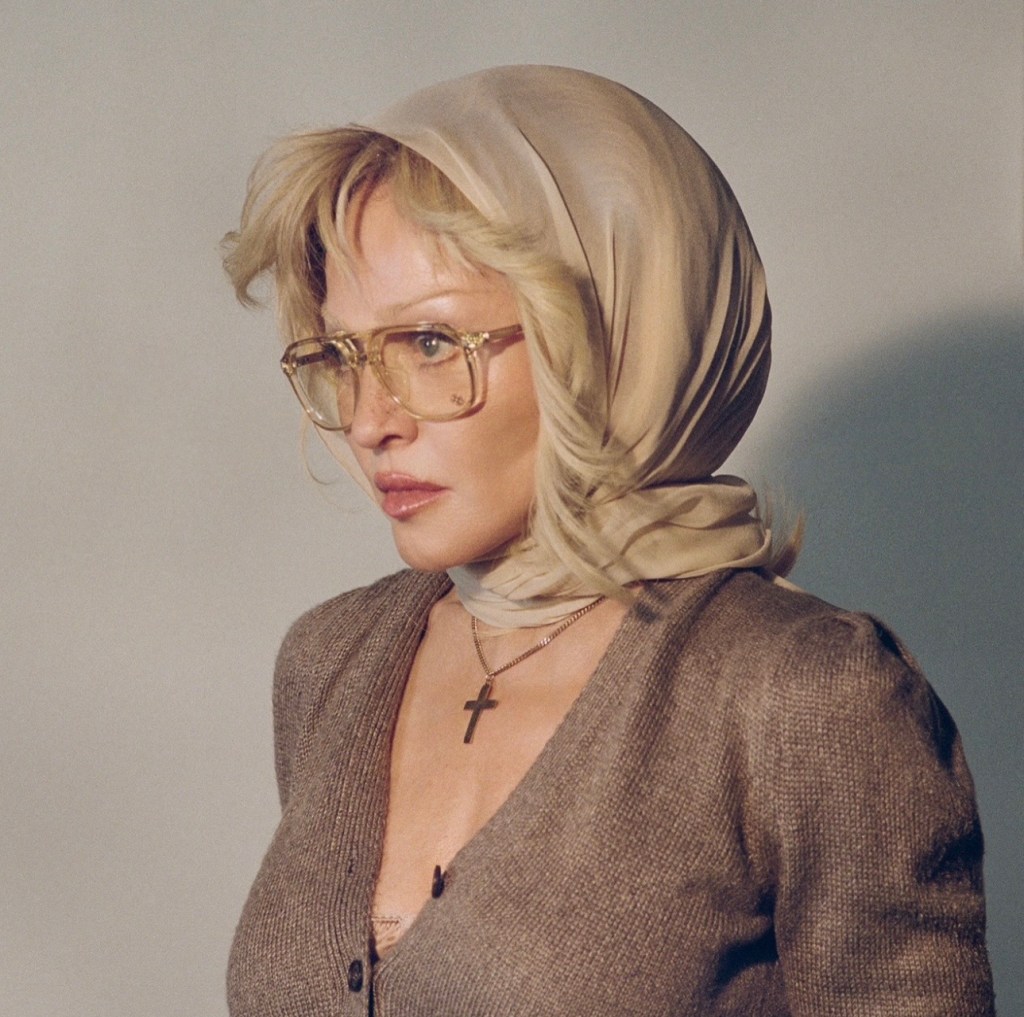
Titled The Madonna Interview, the feature sees Interview editor-in-chief Mel Ottenberg sit down with Madonna in London for a conversation that moves between memory, reinvention, sex, prayer, ageing, grief, humour and the dark weather of the present moment.
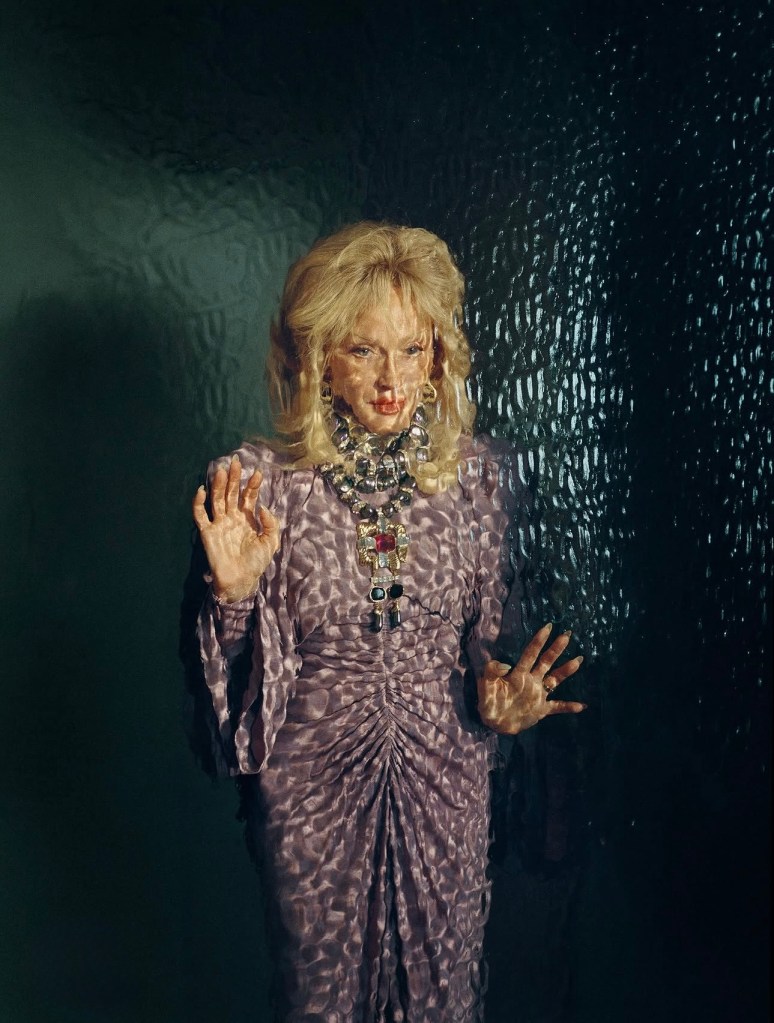
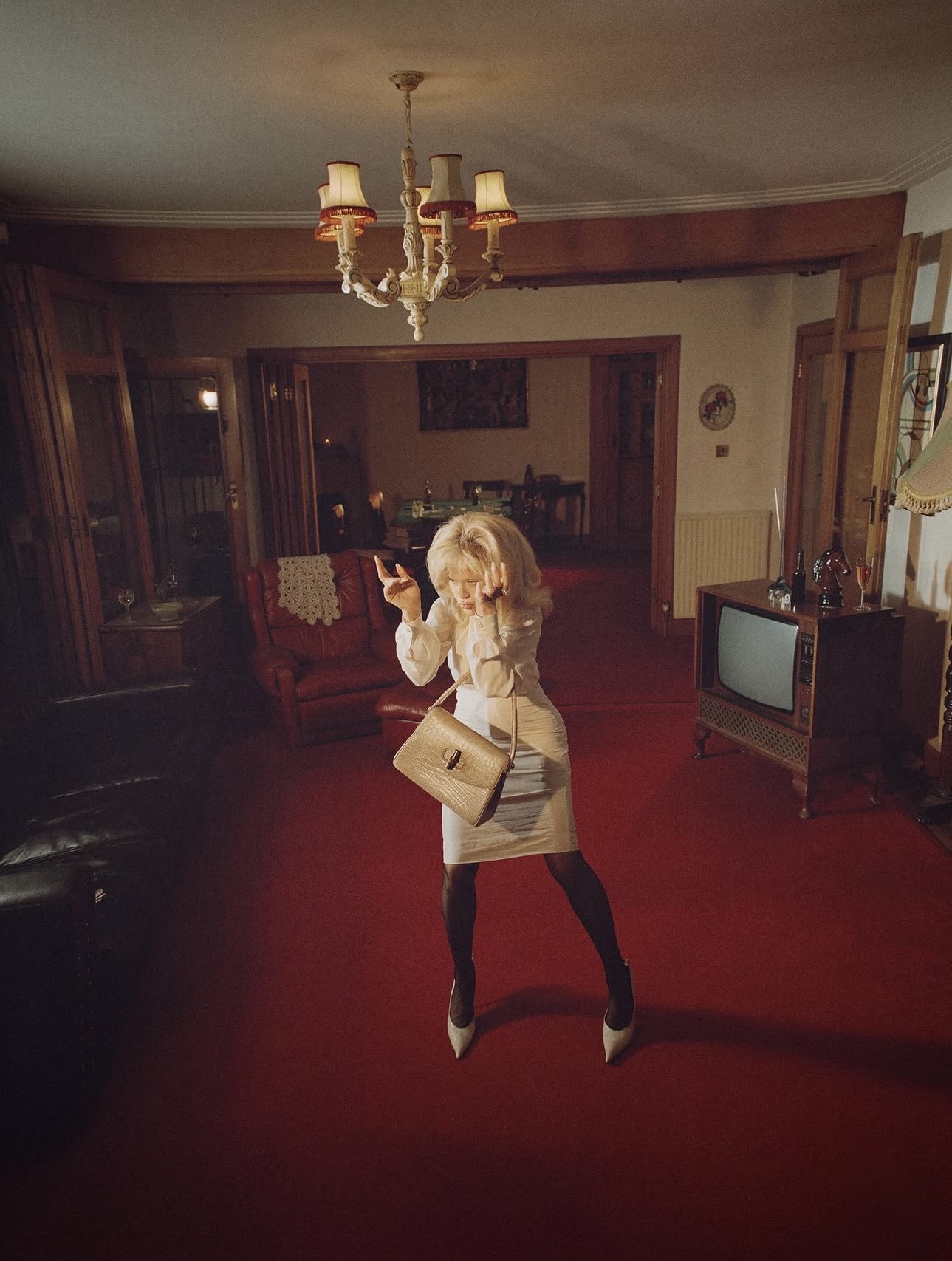
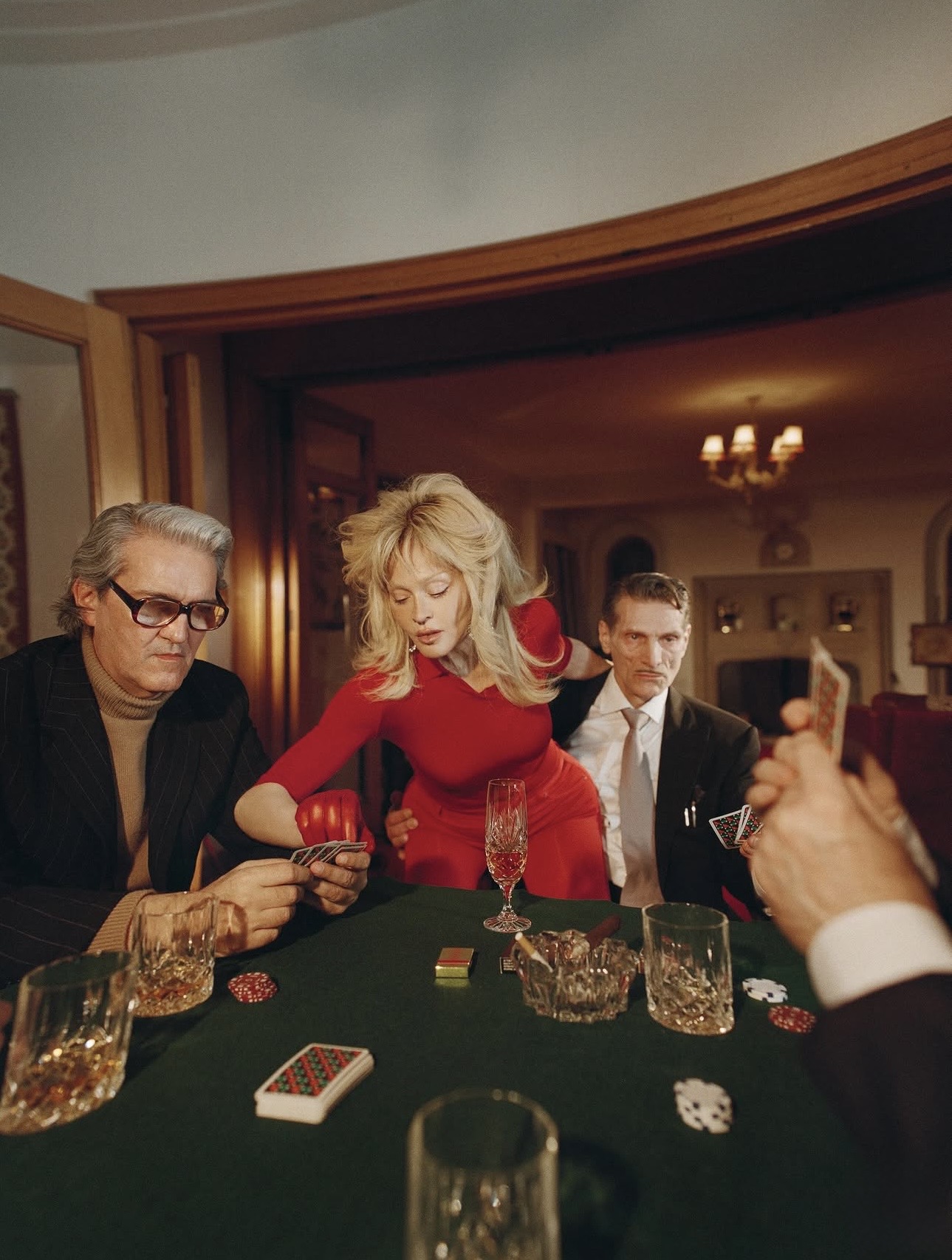
Photographed by Nadia Lee Cohen, the piece places Madonna firmly back inside the high-style, high-concept magazine world she has helped shape for decades. Interview also notes that this marks her eleventh cover for the magazine, a record in itself and another reminder that Madonna’s relationship with image-making is not occasional decoration. It is part of the work.
Most importantly for fans, the interview gives substantial context to Confessions on a Dance Floor: Part II. Madonna speaks about the album as a completed work and explains how the project emerged after frustrations around her biopic and series plans. Rather than becoming trapped in that stalled process, she turned back towards music, and specifically towards Stuart Price, the producer so closely associated with the original Confessions on a Dance Floor.
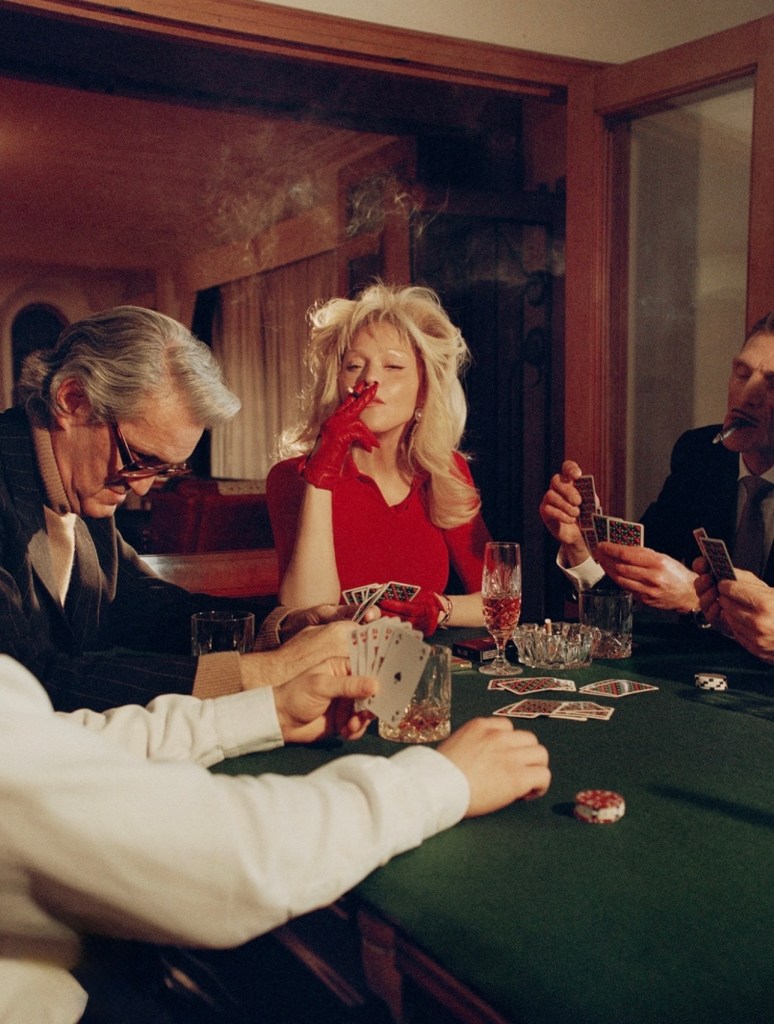
That return matters. The easy reading would be nostalgia: Madonna revisiting a beloved album, returning to disco lights, mirror balls and dance-pop euphoria. But the interview suggests something more deliberate. Confessions II is not being framed as a museum extension of 2005. It is a re-entry into the dance floor under different conditions. The world has changed. Madonna has changed. The audience has changed. The beat may be familiar, but the room is darker.
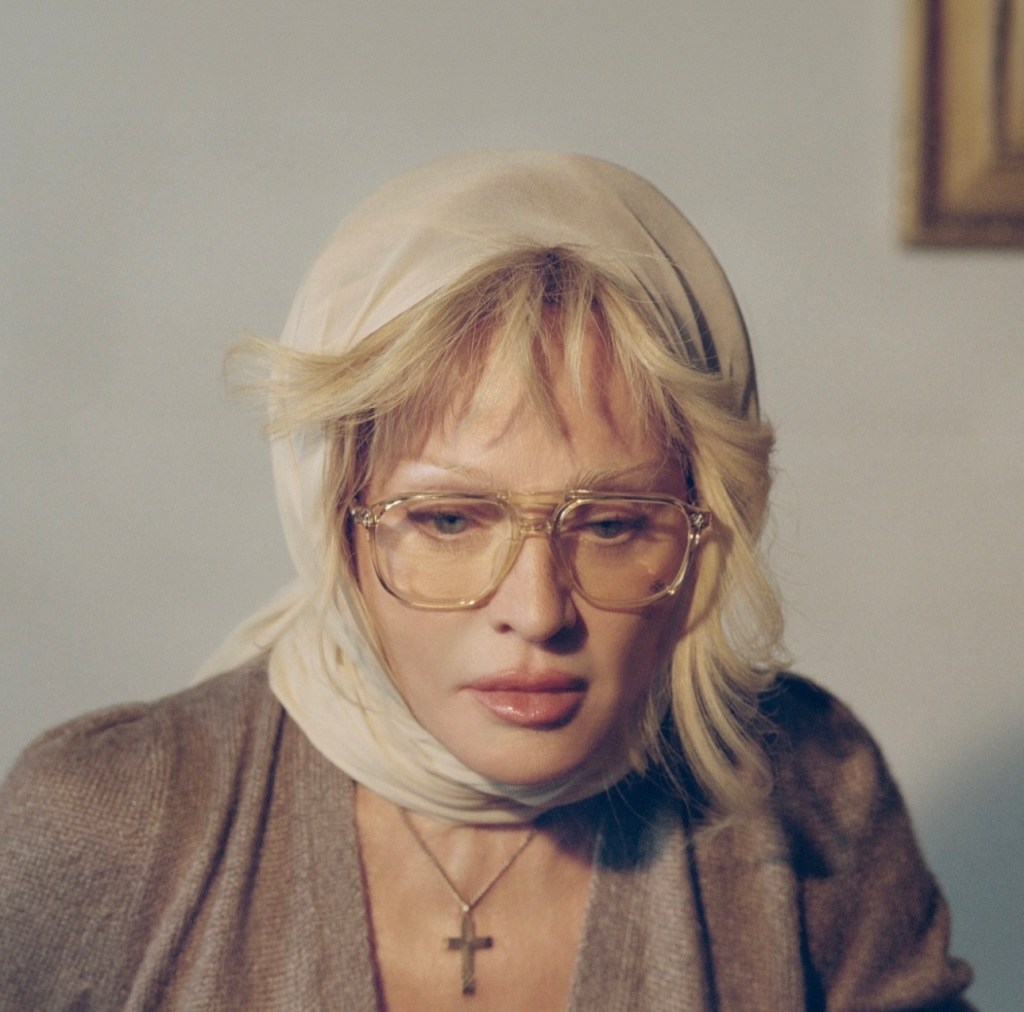
What comes through strongly is Madonna’s belief in dance music as a form of release, resistance and physical prayer. She has always understood the club as more than a place to move. In her work, it becomes a chapel, a theatre, a battleground and a confessional booth with better lighting. In this new interview, that idea feels renewed rather than repeated. The dance floor is not simply escapism. It is survival architecture.
The feature also gives emotional weight to the campaign. Madonna discusses family illness, death, creative blockage and the strange difficulty of trying to tell her own life story through the machinery of film and television. Against that backdrop, the decision to make a dance record feels less like a retreat and more like a reactivation. When narrative becomes stuck, rhythm takes over. When biography becomes too heavy, the body finds another language.
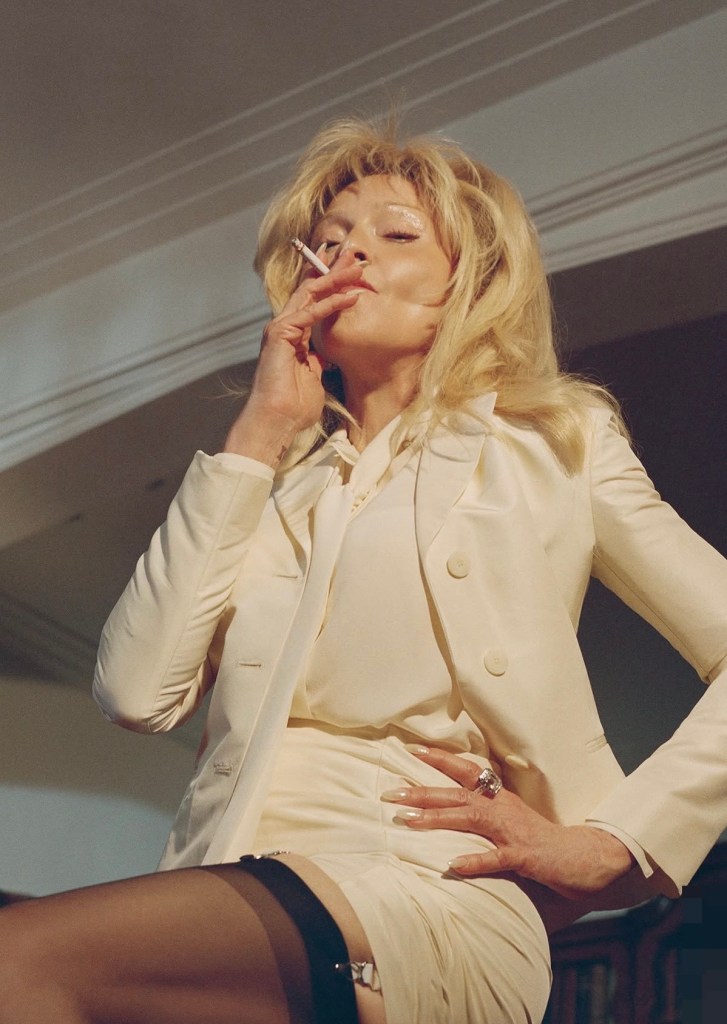
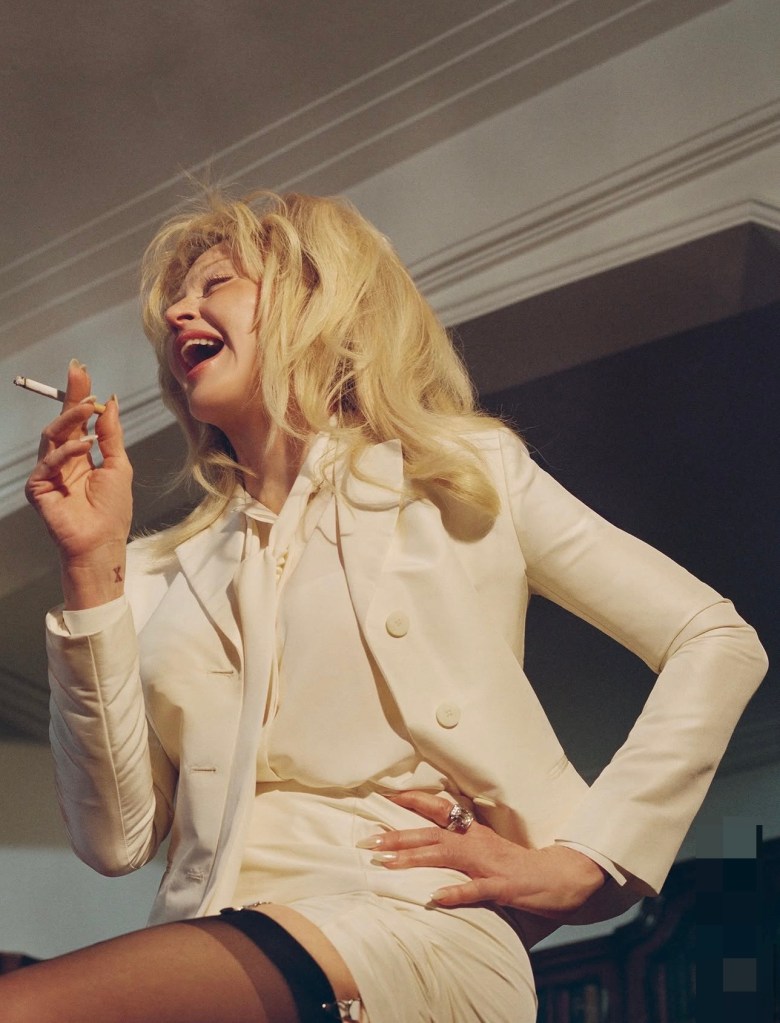
This is where Confessions II becomes intriguing. Madonna is returning to one of the most beloved sonic worlds of her career, but she appears to be doing so with the accumulated knowledge of everything that has happened since. The first Confessions was sleek, continuous and devotional in its own way, built around surrender to the beat. This new chapter seems to carry more fracture, more memory and more shadow. It is not only asking us to dance. It is asking what dancing means when the world feels unstable.
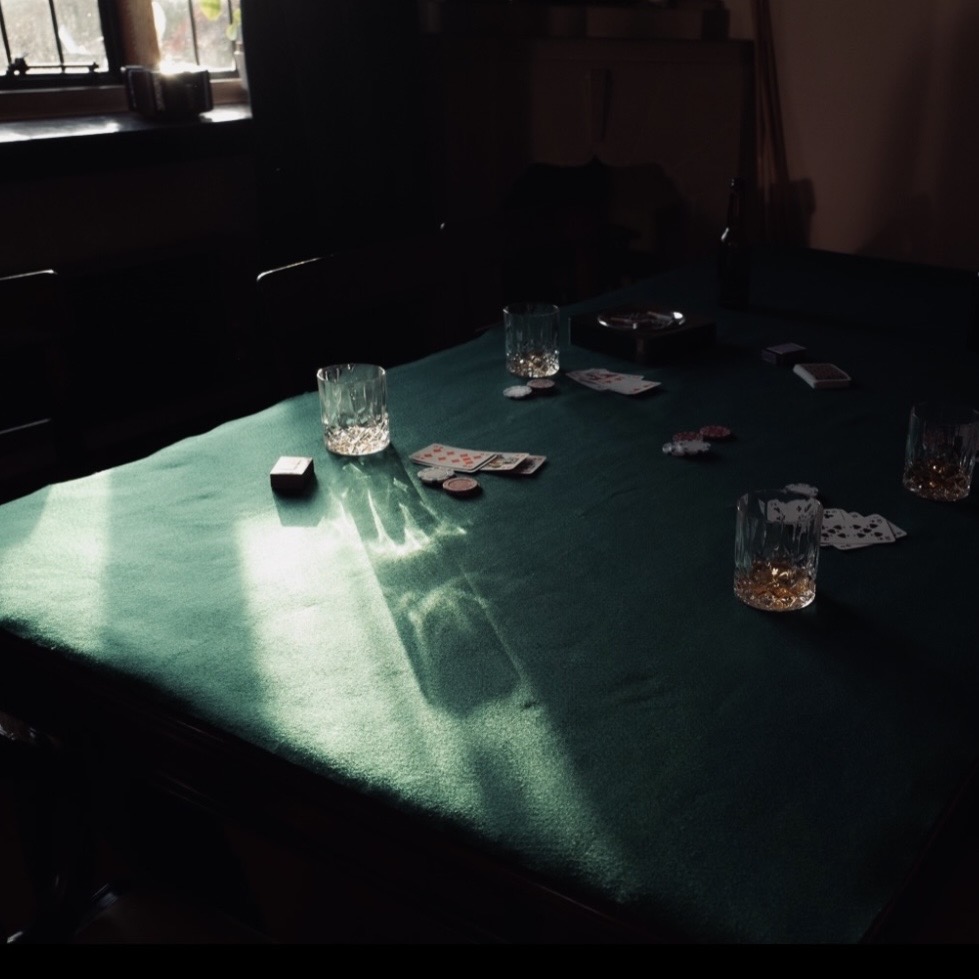
The Interview feature also sits neatly alongside the wider visual campaign. Earlier this month, Interview published images and coverage from the Confessions II premiere, linking the album to the short film, the Tribeca presentation and the broader cast of collaborators orbiting this project. Taken together, the campaign is beginning to look less like a standard album rollout and more like a visual and musical environment: part club, part cinema, part fashion editorial, part confession.
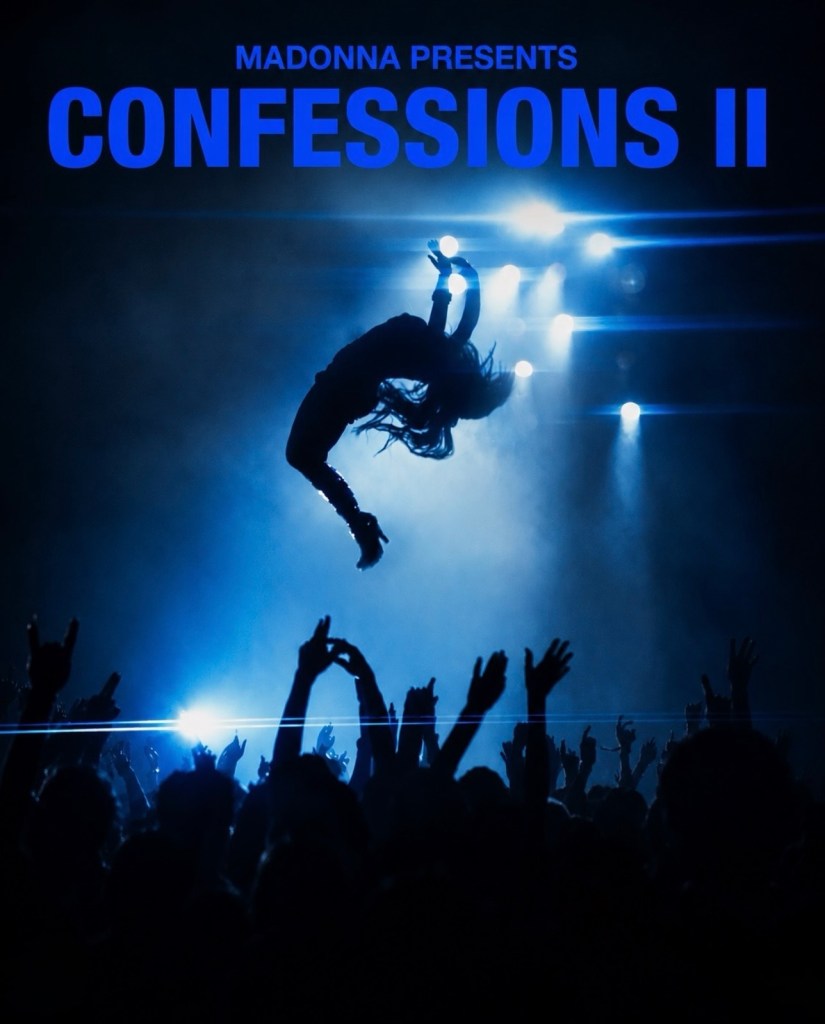
For MLVC, the significance is clear.
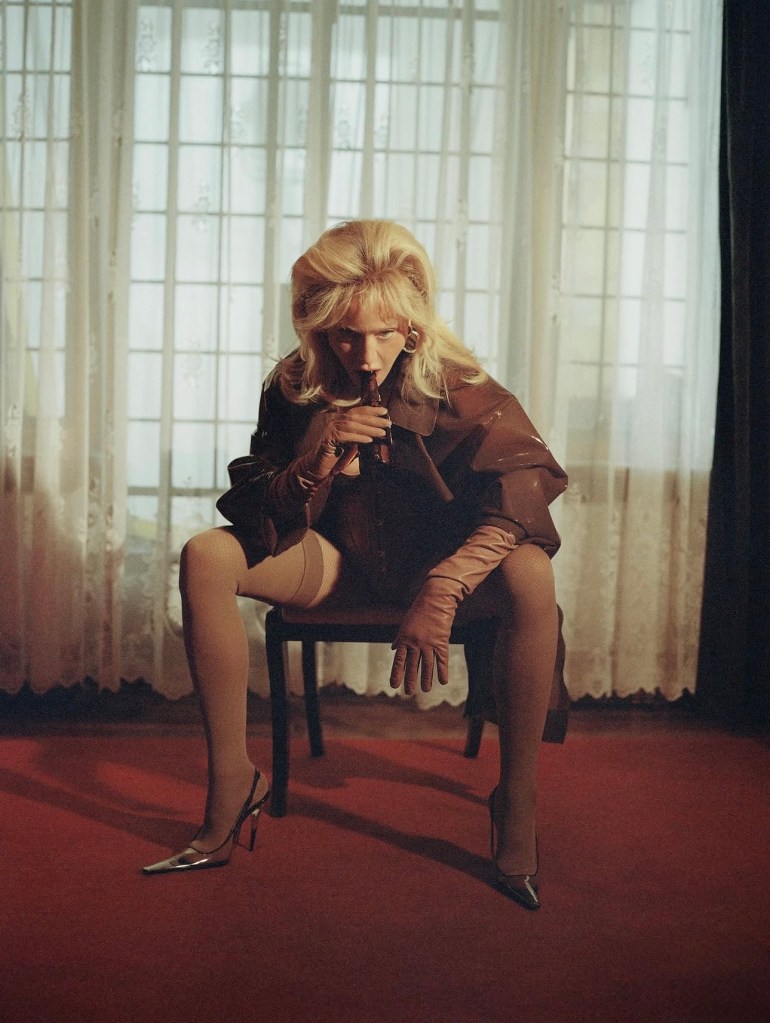
Madonna is not simply revisiting Confessions on a Dance Floor because fans loved it. She is reopening it, testing what still moves, what still provokes and what can be made new under different lights. The sequel is not a comfort blanket. It is an excavation. And perhaps that is why this Interview piece lands so well. It does not present Madonna as an artist tidily looking back. It presents her in motion again: amused, bruised, restless, theatrical, sharp, devotional and still unwilling to let the past sit quietly in its frame.
The dance floor is back. But this time, it knows exactly what it has survived.
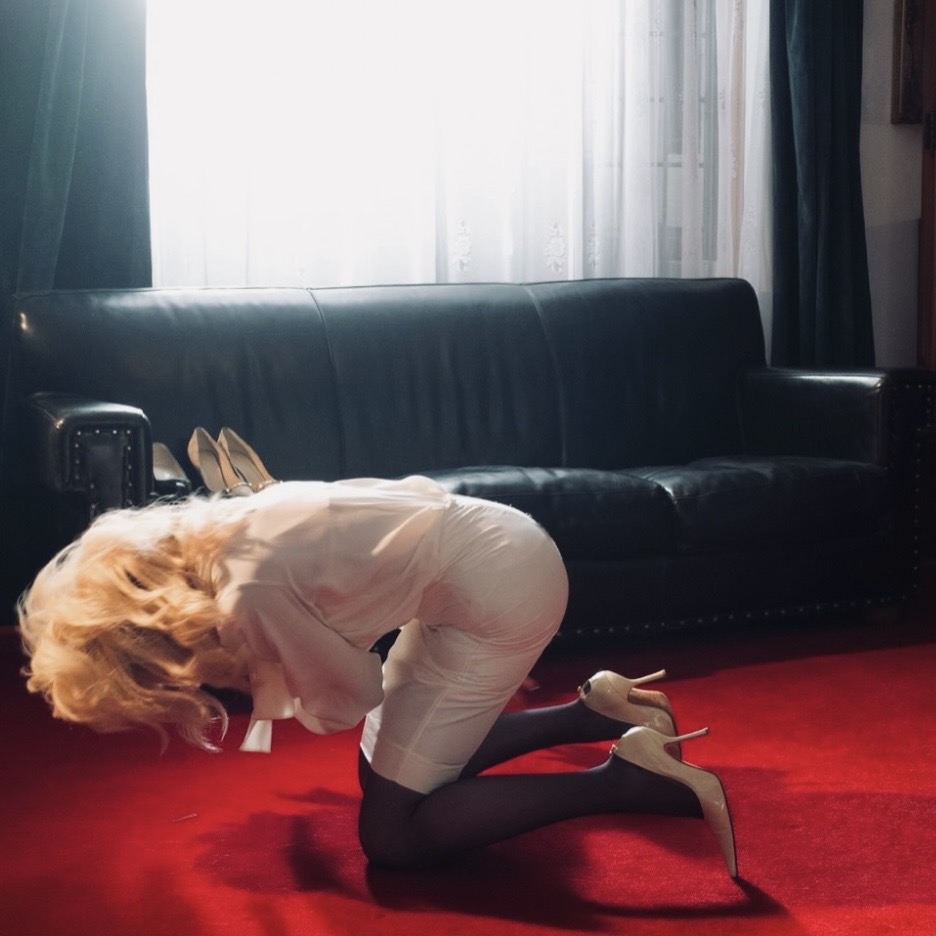
 Madonna
Leave a comment