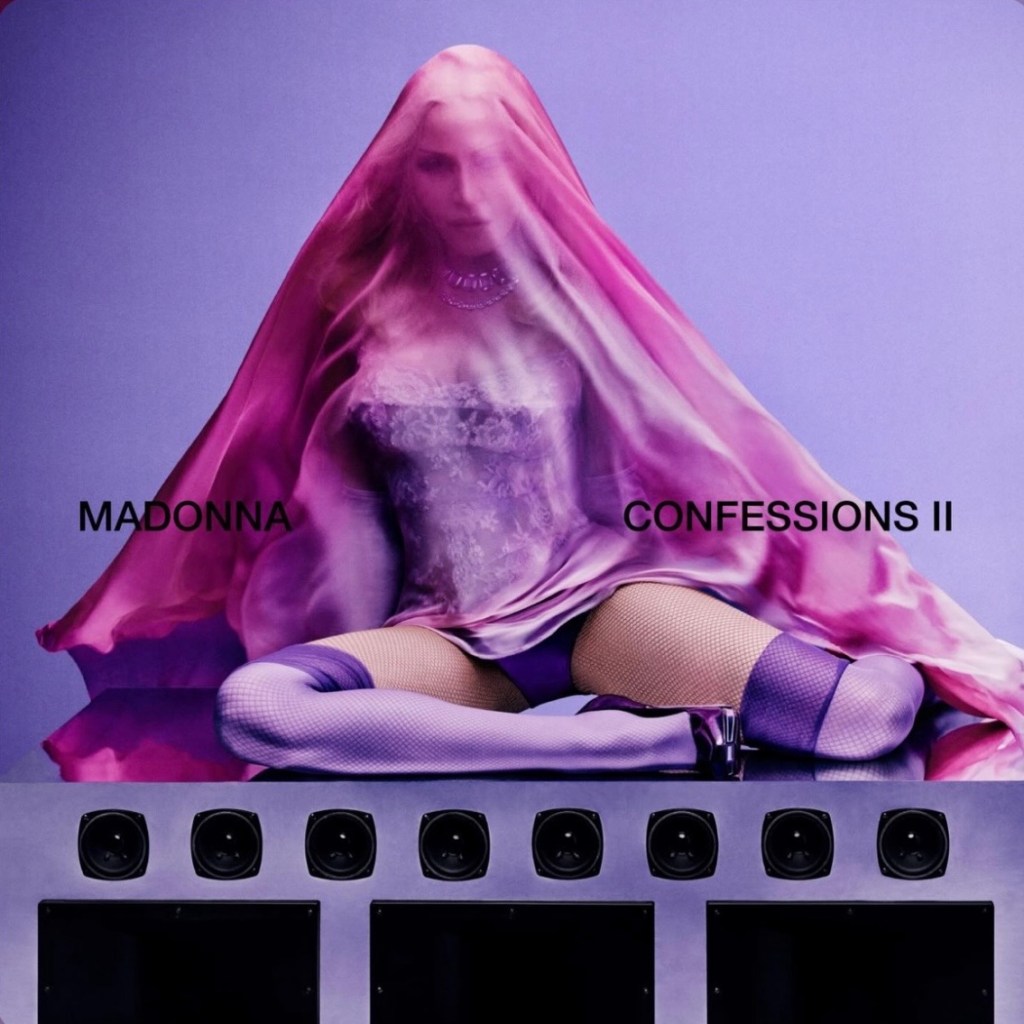
The Dance Floor Reopens
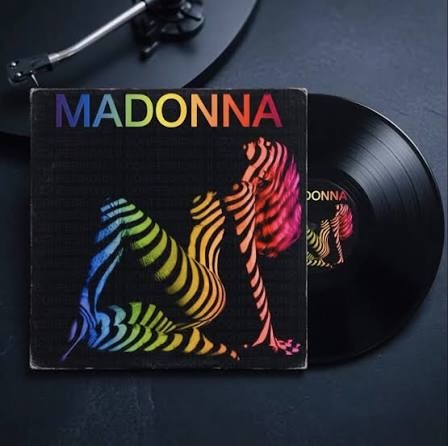
There are Madonna albums that arrive as records, and there are Madonna albums that arrive as rooms: fully lit, sonically dressed, waiting for bodies to enter. Confessions II belongs to the second kind. Released on Friday 3 July 2026, the album arrives not simply as a sequel to Confessions on a Dance Floor, but as a return to one of Madonna’s most powerful artistic instincts: the belief that music can reorganise the body before the mind has time to explain what is happening.

The title alone carries weight. Confessions on a Dance Floor was never just a dance album. It was a statement of structure, stamina and surrender. A continuous mix, a physical journey, a record that understood club music not as decoration but as ritual. Twenty-one years later, Confessions II steps into that inheritance with the problem every Madonna return must face: how do you revisit a world without embalming it?
That question is central to the album’s charge. Madonna has never been at her strongest when simply repeating a previous success. Her best work tends to appear when she recognises an old language, breaks it open, and forces it to speak again. The promise of Confessions II is not nostalgia, or at least not nostalgia left undisturbed. It is the possibility of memory under pressure: disco, electronica, pop, performance, sweat, image and confession brought back into motion.

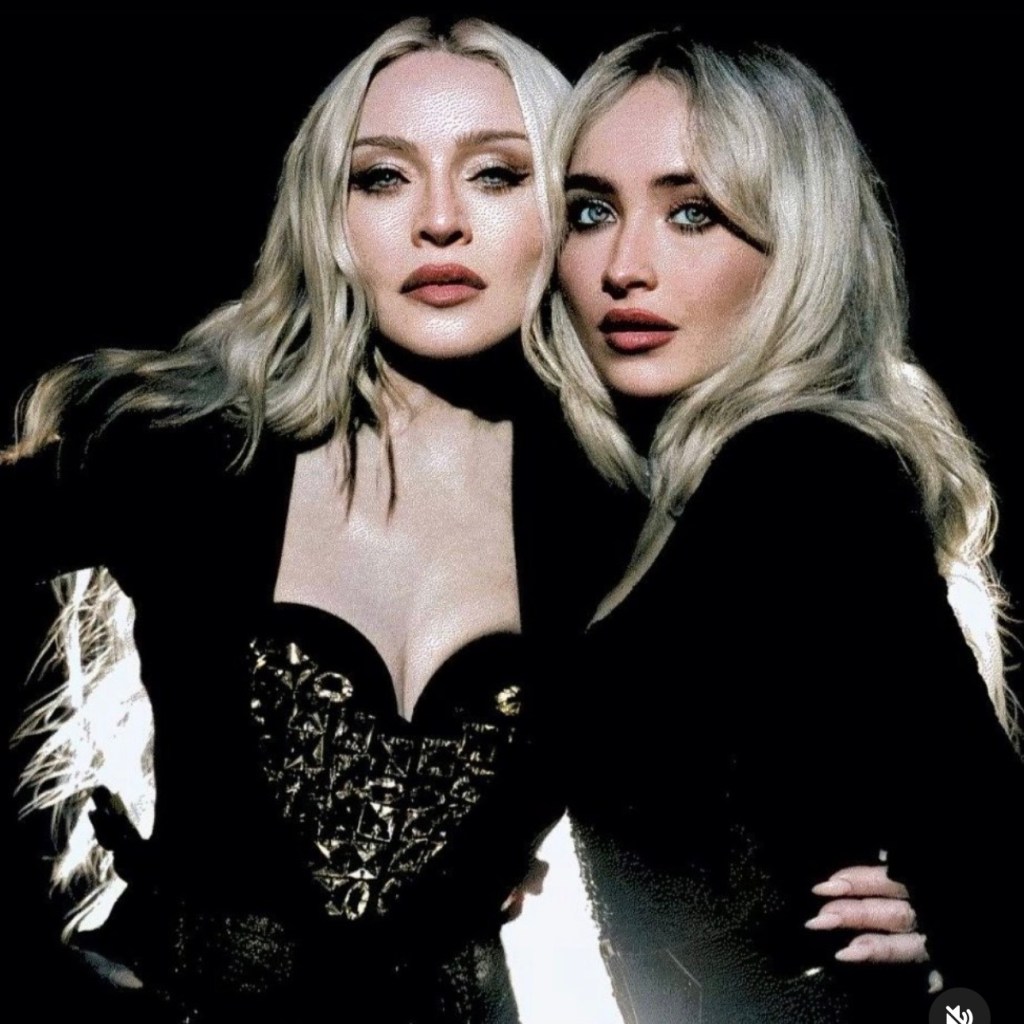
Ahead of release, the campaign has already pointed towards an album interested in continuity and collision. “I Feel So Free” suggested release, breath and propulsion. “Bring Your Love”, with Sabrina Carpenter, placed Madonna in direct conversation with a younger pop figure, not as a passing-of-the-torch gesture, but as something more interesting: a shared occupation of the dance floor. “Love Sensation” widened the atmosphere again, giving the project a further sense of scale and bodily insistence.
These tracks suggested that Confessions II would not treat dance music as a genre box, but as a living nervous system. Now that the full album is here, the question becomes sharper. What is Madonna confessing this time?
The original Confessions was often read through pleasure, escape and club euphoria, but its emotional architecture was more complicated than that. Beneath the gloss and pulse sat guilt, desire, devotion, survival and the need to move through pain rather than around it. Confessions II appears to understand that inheritance. It arrives after years in which Madonna’s body, history and public image have been scrutinised with an intensity few artists could withstand. To return to the dance floor now is not retreat.
It is defiance in rhythm.
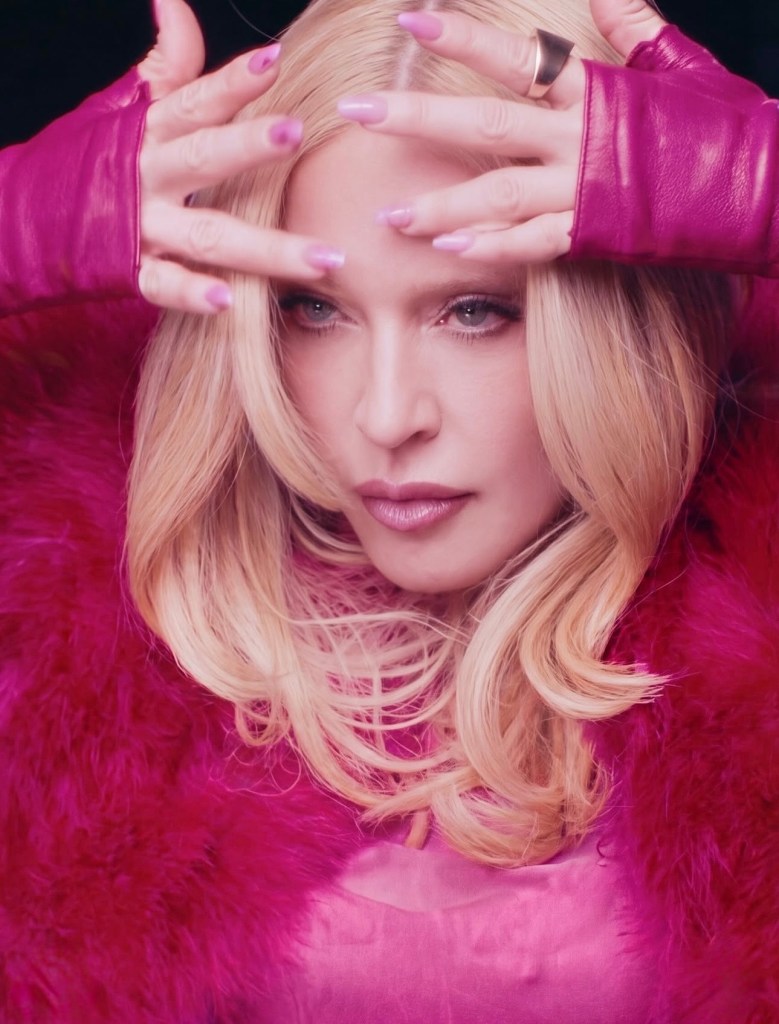
There is something pointed about Madonna choosing the continuous mix form again. In an age of fragments, clips, reaction posts and algorithmic interruption, the continuous mix asks for commitment. It asks the listener to stay inside the architecture. One track does not simply end and another begin; the music passes through itself. That matters. Madonna has always understood sequencing as theatre, but here the format also feels like a refusal to be consumed only in pieces. Confessions II wants the body to follow the whole line.
What is immediately striking is the way the album positions Madonna’s voice. Across her career, her voice has often been treated unfairly as secondary to image, concept or choreography. Yet Madonna’s voice has always carried the argument. It can be cool, dry, wounded, devotional, flirtatious, metallic, maternal, commanding or oddly intimate. On Confessions II, the voice seems to matter not because it overpowers the production, but because it moves through it.

She does not stand outside the beat. She inhabits it.
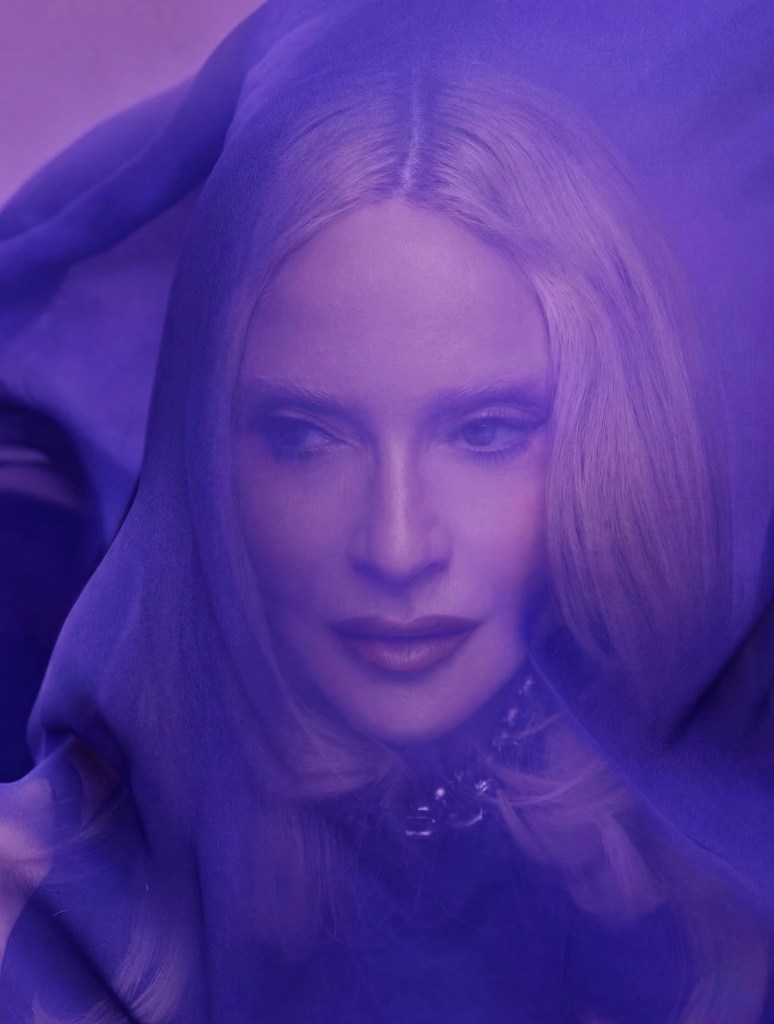
That has always been one of Madonna’s great gifts. She does not merely sing over dance music; she uses it as a form of communication. The beat becomes instruction. The bassline becomes posture. The hook becomes a gesture. The remix becomes another body in the room. For an artist whose career has been built on image, movement and reinvention, the dance floor remains the place where all those languages meet without needing permission.
The album also arrives with unavoidable historical echo. To call something Confessions II is to invite comparison with one of the most beloved late-career peaks in Madonna’s catalogue. That is dangerous territory, but Madonna has rarely been afraid of danger when it comes wrapped in a mirrorball. The point is not whether Confessions II “matches” the original. That would be too flat a question.
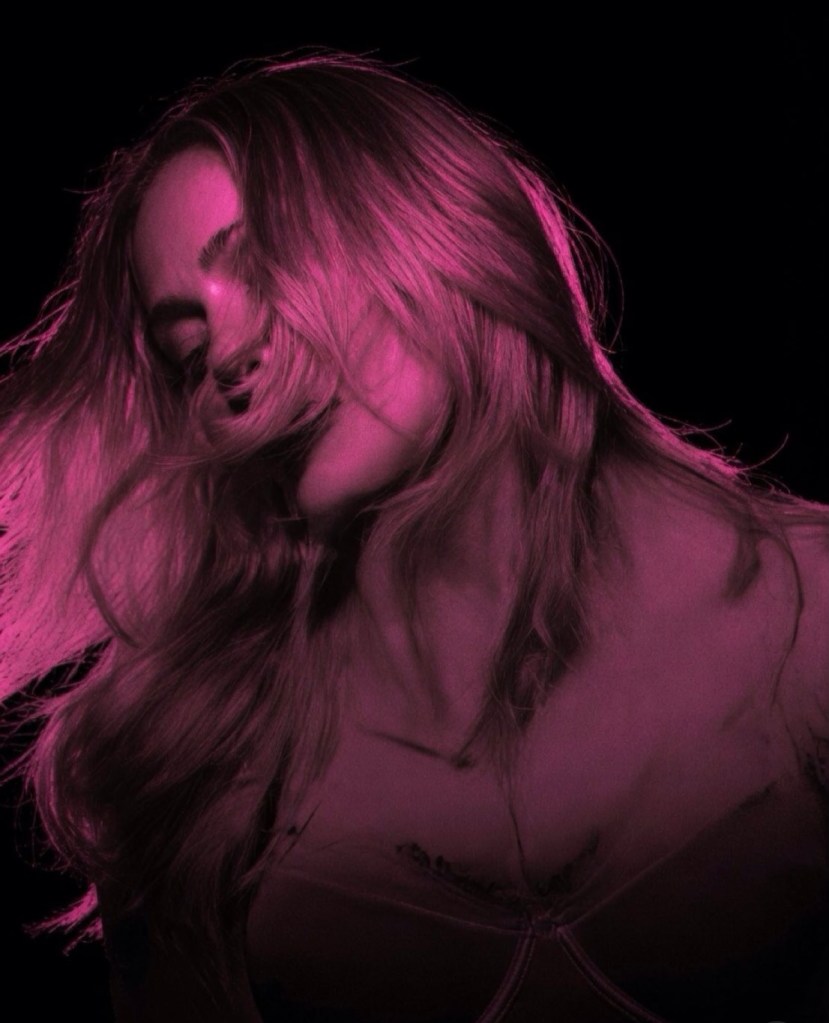
The more interesting question is what the sequel reveals about distance: what has changed in Madonna, in pop, in dance music, in queer culture, in fandom, and in the listener.
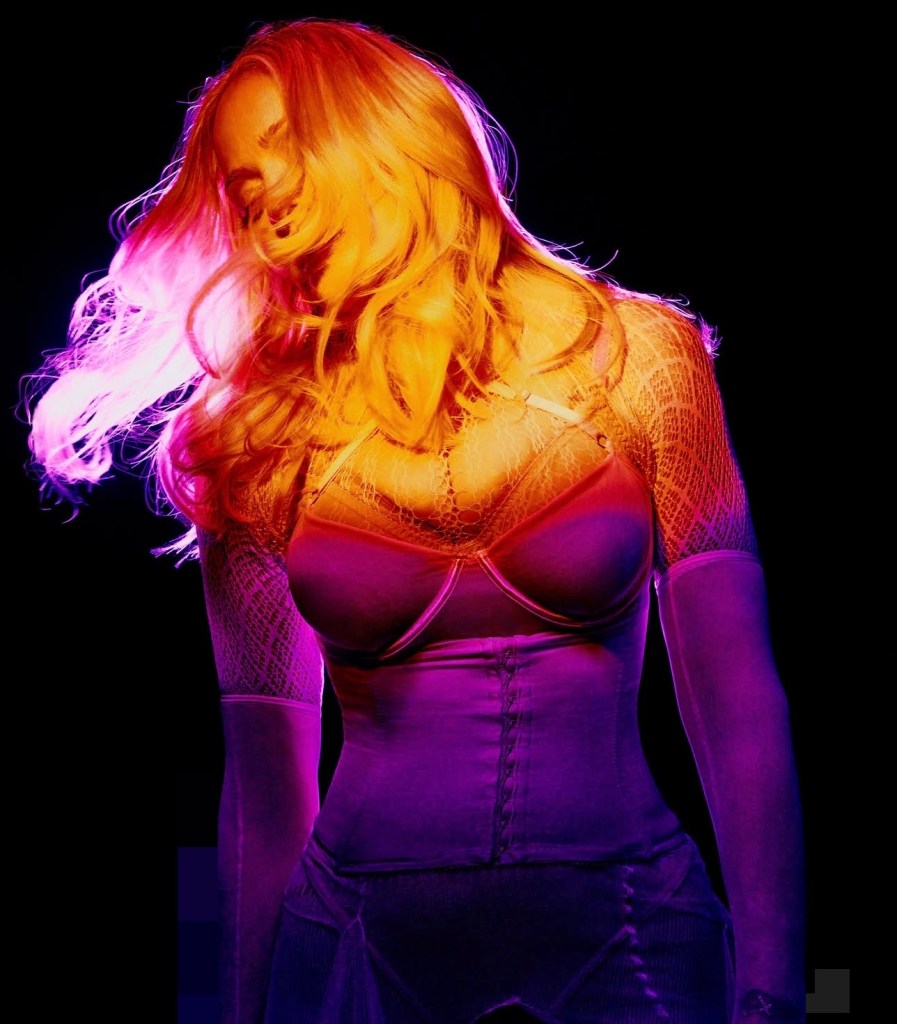
Because for many fans, Confessions on a Dance Floor was not just an album cycle. It was a reset. It restored Madonna to the centre of the dance floor with elegance, discipline and ferocious clarity. Confessions II arrives in a different world: older, noisier, more fractured, more digital, more impatient. The club itself has changed. Pop has changed. Fandom has changed. Madonna has changed. That is precisely why the return matters.
Listening to School from Confessions II, I found it quietly mesmerising. It is a club track, certainly, but not one that simply asks to be admired from a distance. Its rhythm works physically. The beat seems to locate itself in the body first, before the mind has had time to name what is happening.
There is something insistent about it, but not blunt. The track moves with a pulse that gathers, tightens and releases, creating that particular dance-floor sensation where repetition becomes almost hypnotic. It does not merely accompany movement; it produces it. The body starts to answer before thought catches up.
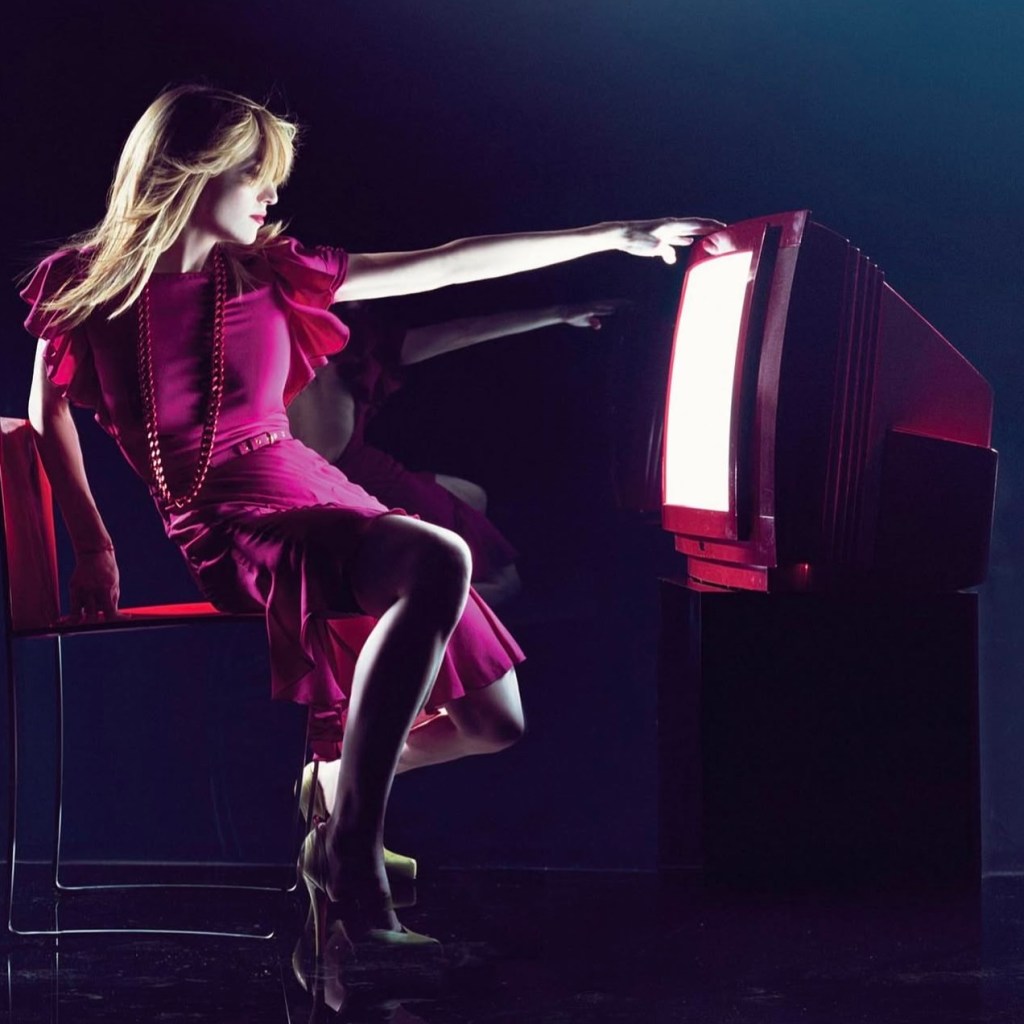
That is where the song’s power seems to sit: in the way it understands rhythm as communication. The beat does not decorate the track. It carries the feeling, the command, the invitation. Like some of Madonna’s strongest club music, School appears to know that the dance floor is not just a place of escape, but a place where the body remembers, reacts and reclaims itself.
What makes it mesmerising is that it feels both controlled and bodily, precise and instinctive. It has the architecture of a club record, but the effect is more intimate than that. The rhythm gets under the skin. It finds its way in.
The strongest moments on Confessions II are likely to be the ones that do not simply chase euphoria, but complicate it. Madonna’s dance music has always been best when pleasure carries a bruise. “Into the Groove”, “Vogue”, “Deeper and Deeper”, “Ray of Light”, “Music”, “Hung Up” and “Get Together” all understand that movement can be social, sexual, spiritual and strategic at once. The body moves, but the mind is not absent. It is being rearranged.
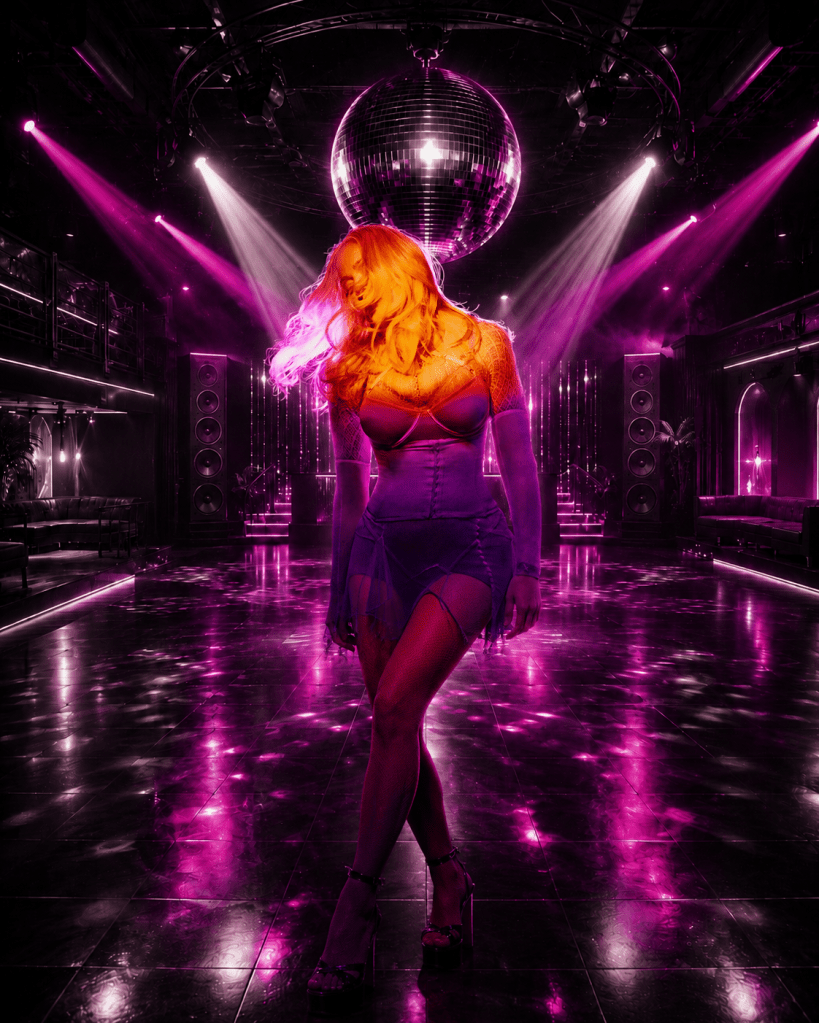
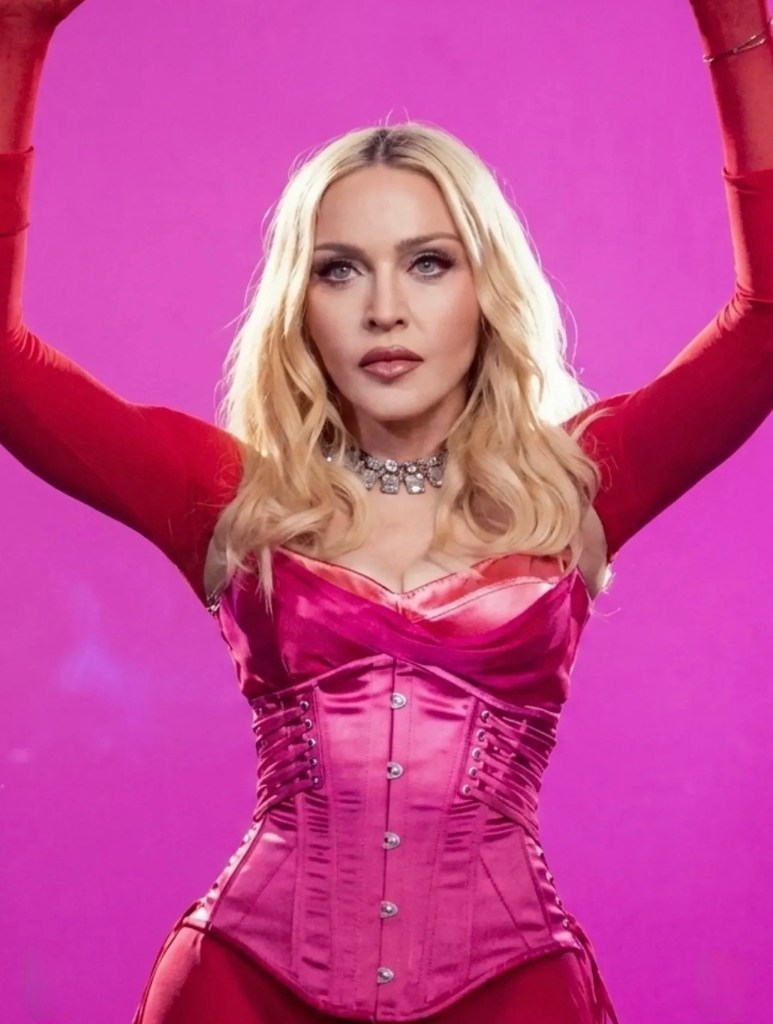
That is where Confessions II has the potential to sit within Madonna’s larger body of work. Not as a decorative sequel, but as a late-career statement about endurance. Madonna has been counted out so many times that the act of return has become part of the art. But this return feels specific. It is not just “Madonna is back”. It is Madonna returning to the mechanism that has powered her from the beginning: rhythm as identity, dance as argument, pop as embodied communication.
There will, inevitably, be debates about where Confessions II sits in the canon. Fans will rank it, dissect it, defend it, argue over the production, the sequencing, the singles, the visuals and the campaign. That is part of the weather system around every Madonna release. But the more immediate pleasure is simpler: a new Madonna album has arrived, and it has arrived with its eyes on the dance floor.
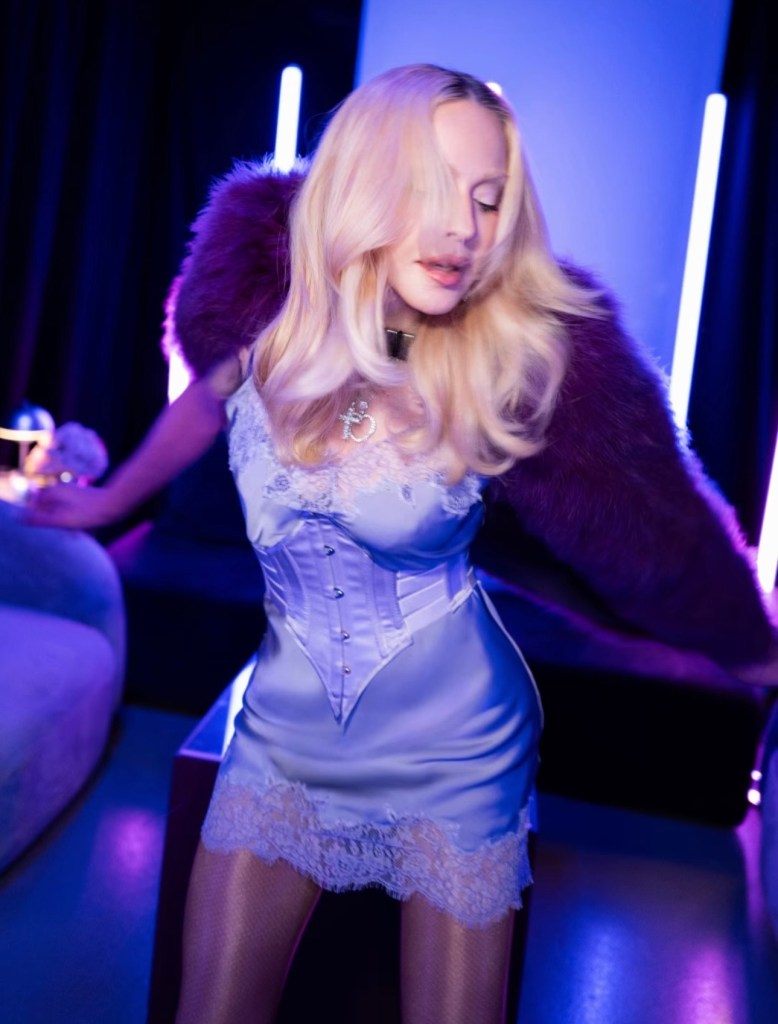
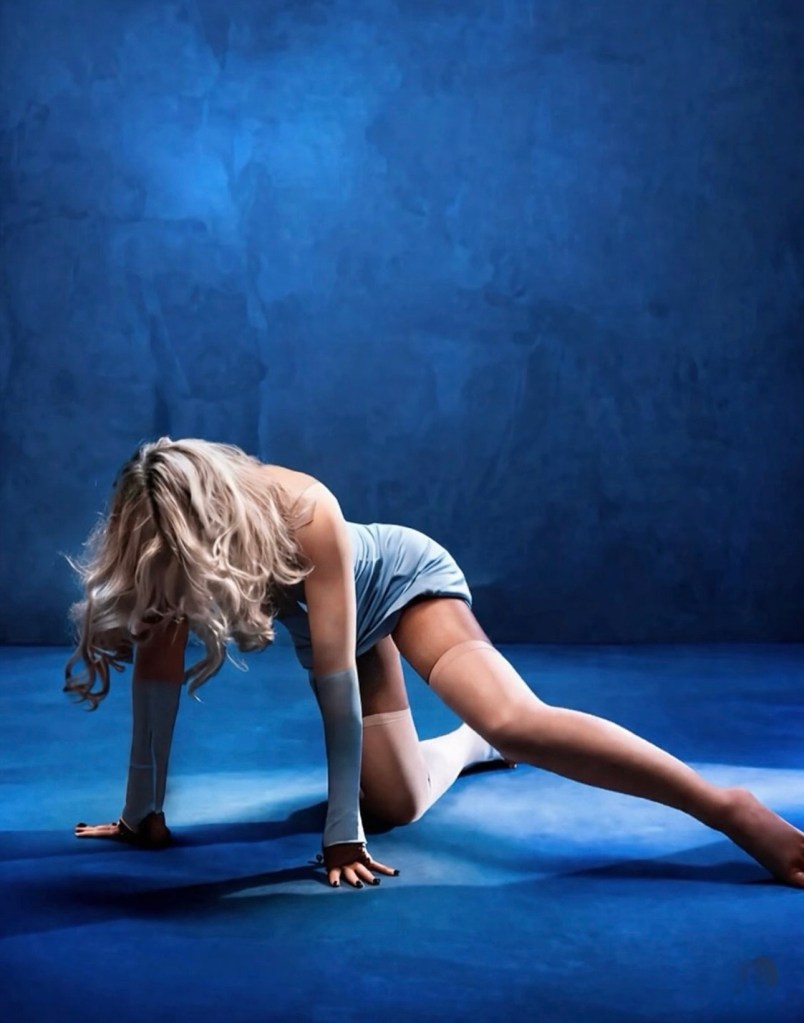
For MLVC, Confessions II belongs not only to the story of albums, singles and visuals, but to the wider story of Madonna’s movements. It reaches back to Pulse, where dance music first gave her a body in public. It carries Defy, because Madonna’s return to pleasure is never innocent. It belongs to Shift, because the music asks what transformation sounds like after decades of scrutiny. And it already speaks to Echo, because every confession in Madonna’s work returns in another form.
Confessions II: The Beat That Finds the Body
What is striking about the Confessions II response so far is that it has not felt like a conventional album campaign. It has felt more like a gathering force.
From Grindr to TikTok, from Times Square to the growing conversation around tracks, previews, visuals and collaborators, this era already seems to be moving through the places where Madonna’s work has always had power: the club, the screen, the street, the body and the fan imagination.
The Grindr connection placed the campaign directly inside queer digital culture, not as decoration, but as a signal. Madonna has always understood that the dance floor is more than a room with lights.
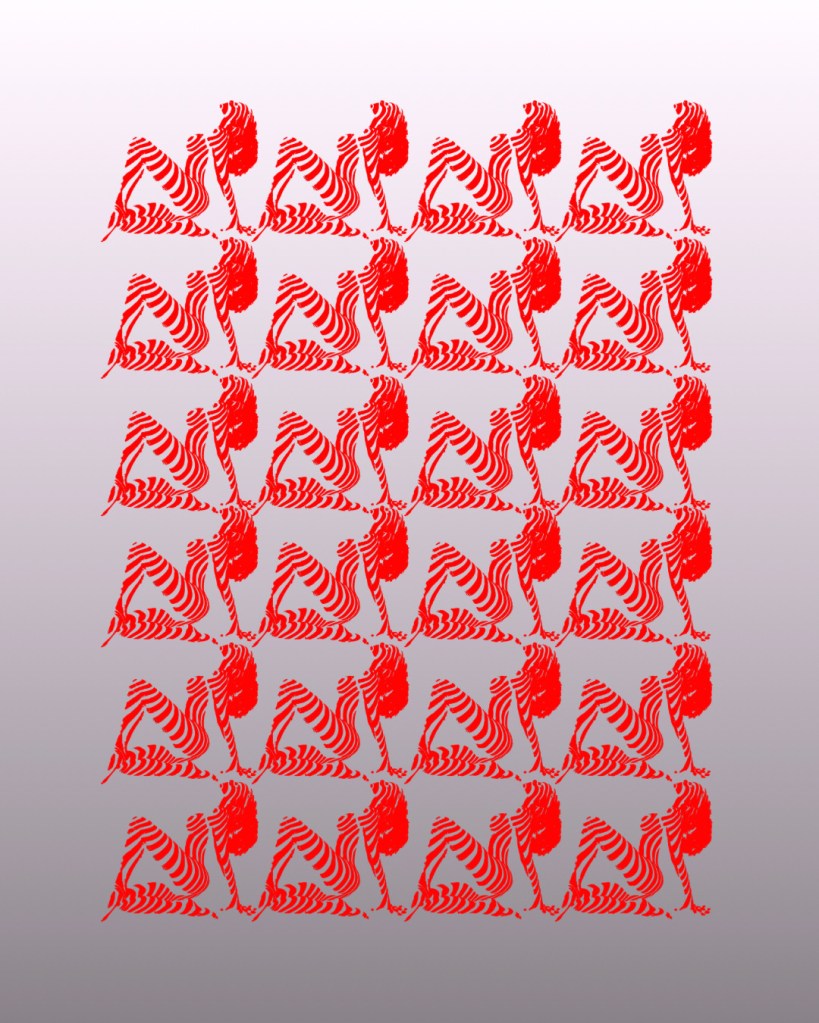
Grindr: a meeting place, a code, a survival system, a release valve.
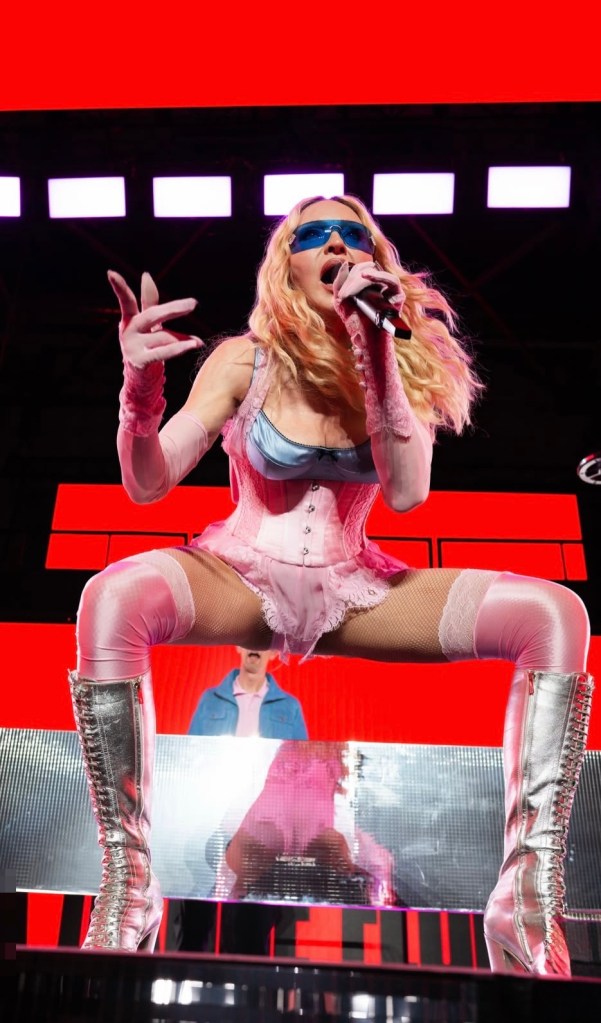
The Times Square performance sharpened that further, turning public space into a temporary club and making Confessions II feel less like a private listening experience and more like an event people are entering together. Reports from the rollout described the Grindr-backed New York moment as a Pride-season performance debuting new Confessions II material, while coverage of Love Sensation connected the track to that wider Times Square campaign energy.
TikTok, meanwhile, gives this album another kind of life. It is where fragments become rituals: a beat, a gesture, a hook, a look, a fan edit, a thirty-second obsession. For an album so clearly built around rhythm and movement, that matters. Confessions II is already behaving like something designed to circulate through bodies as much as playlists.
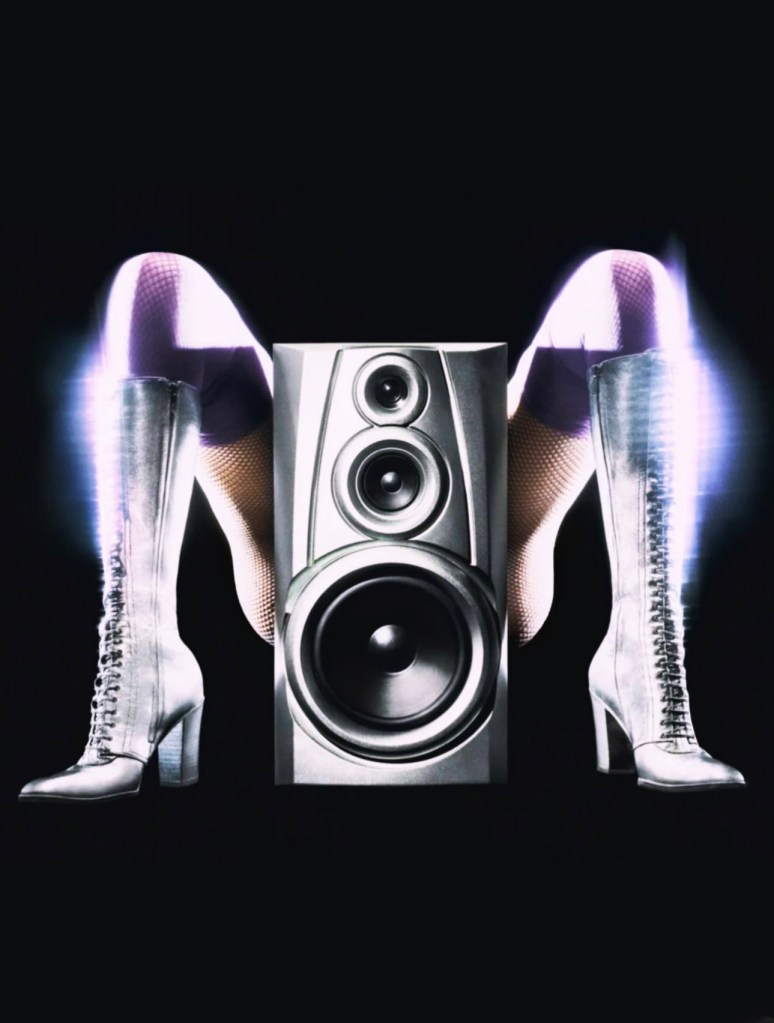
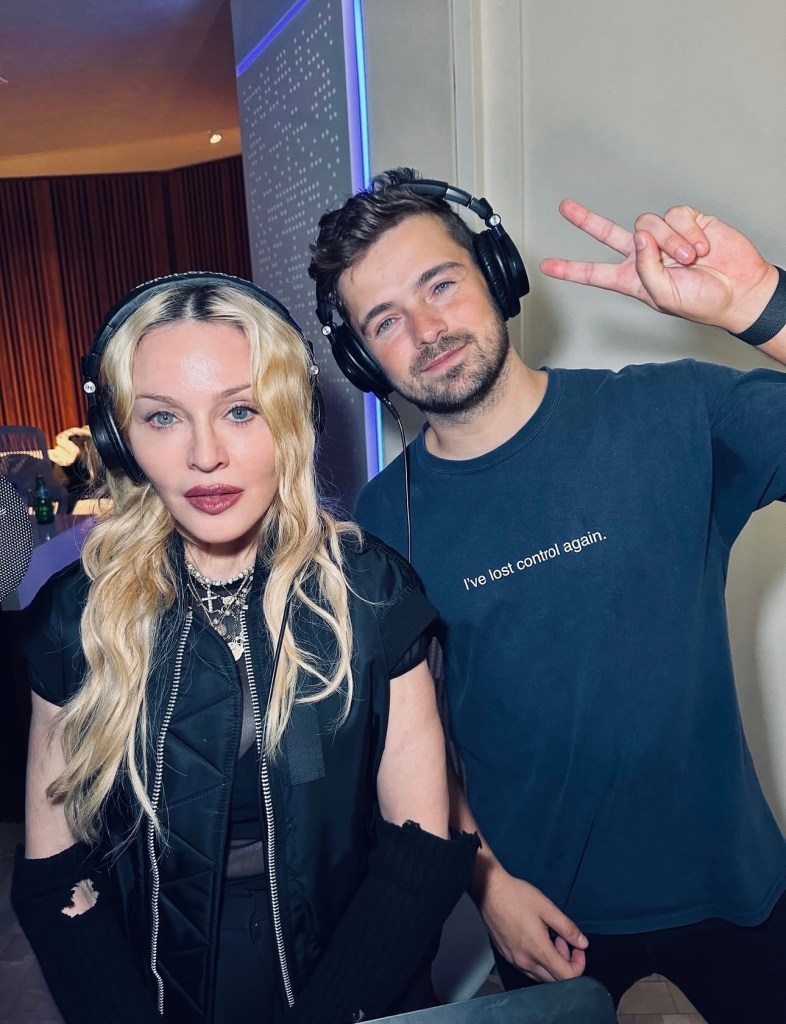
The Martin Garrix connection adds another charge. Bizarre has been described in early coverage as a more mainstream-friendly EDM collaboration with Garrix, placing the album’s club language in conversation with contemporary festival-scale dance music. That does not pull Madonna away from her own history. It shows how elastic that history remains. The dance floor changes shape, but she still knows how to occupy it.
At this point, my standout tracks are School, I Feel So Free and Love Sensation. Each one lands differently. I Feel So Free feels like the door opening: hypnotic, expansive and full of night air. Early reviews have already framed it as a deep-house opening statement, with The Guardian describing it as a crafted return to Madonna’s club roots. Love Sensation carries the release-week pulse, the sense of a campaign suddenly becoming visible, public and alive.

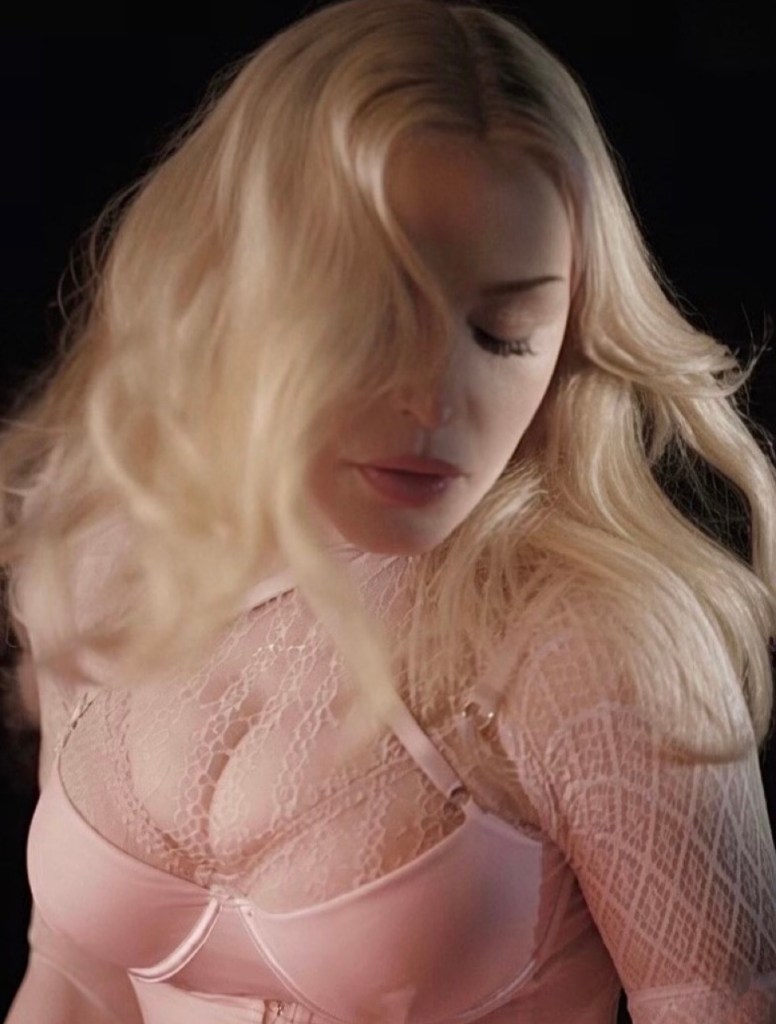
School, though, is the one currently working its way deepest into my body. It is mesmerising because it does not simply play. It instructs. The rhythm finds the hips, the shoulders, the spine.
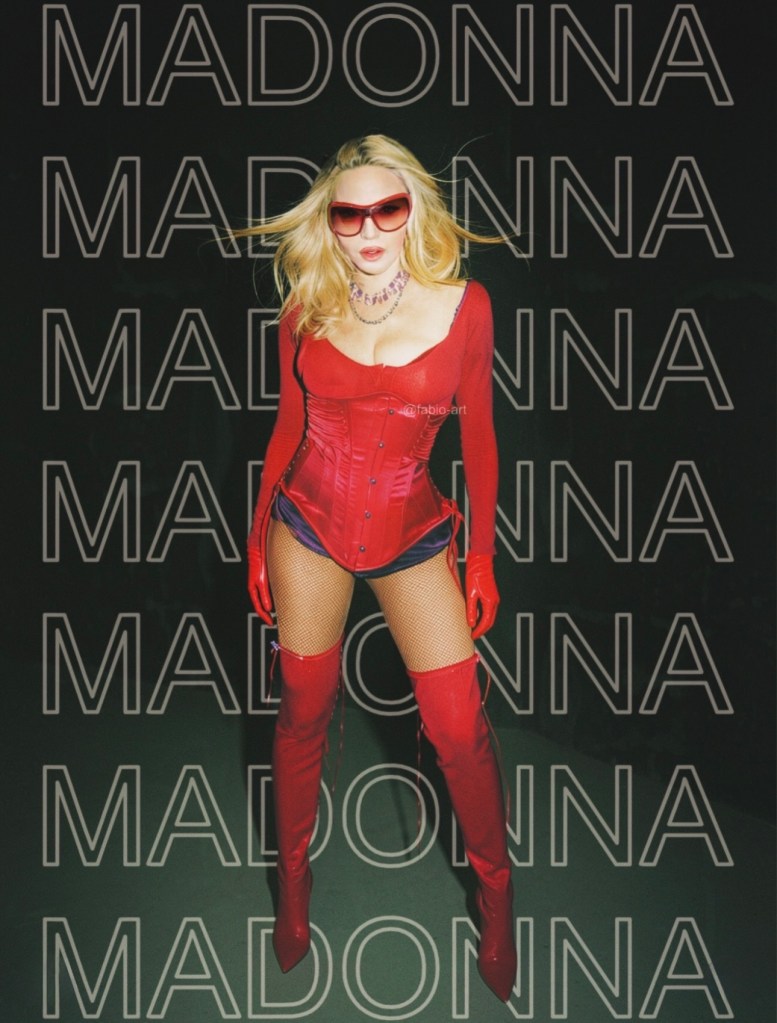
School teaches movement before the mind has even finished listening.That is why I cannot wait to experience the whole album in full: one hour and four minutes of sound, structure and physical response. Not just to hear it. To enter it. To let it move through the room, through memory, through the body.
Because with Madonna, the best dance music has never been only about beats. It is about what the beat wakes up.
 Madonna
Leave a comment