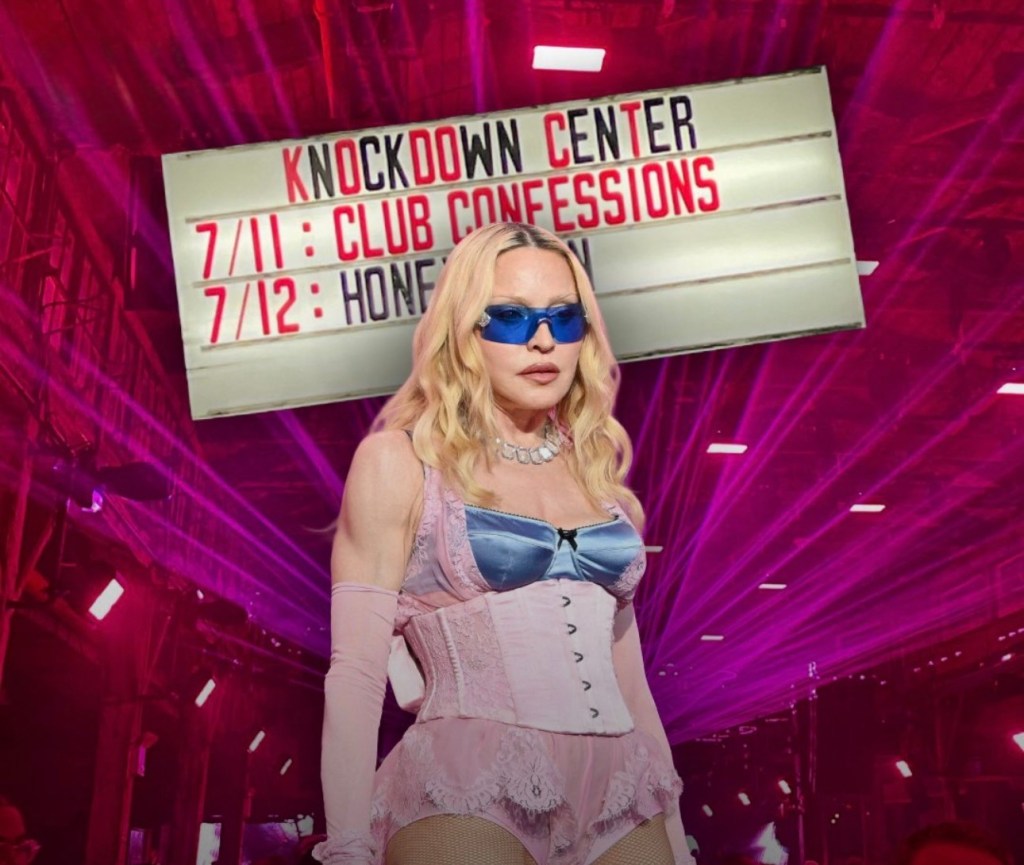
There are album launches, and then there are moments when an album escapes its promotional frame and enters the world it was built to inhabit.
On Saturday 11 July, Confessions II entered the club.
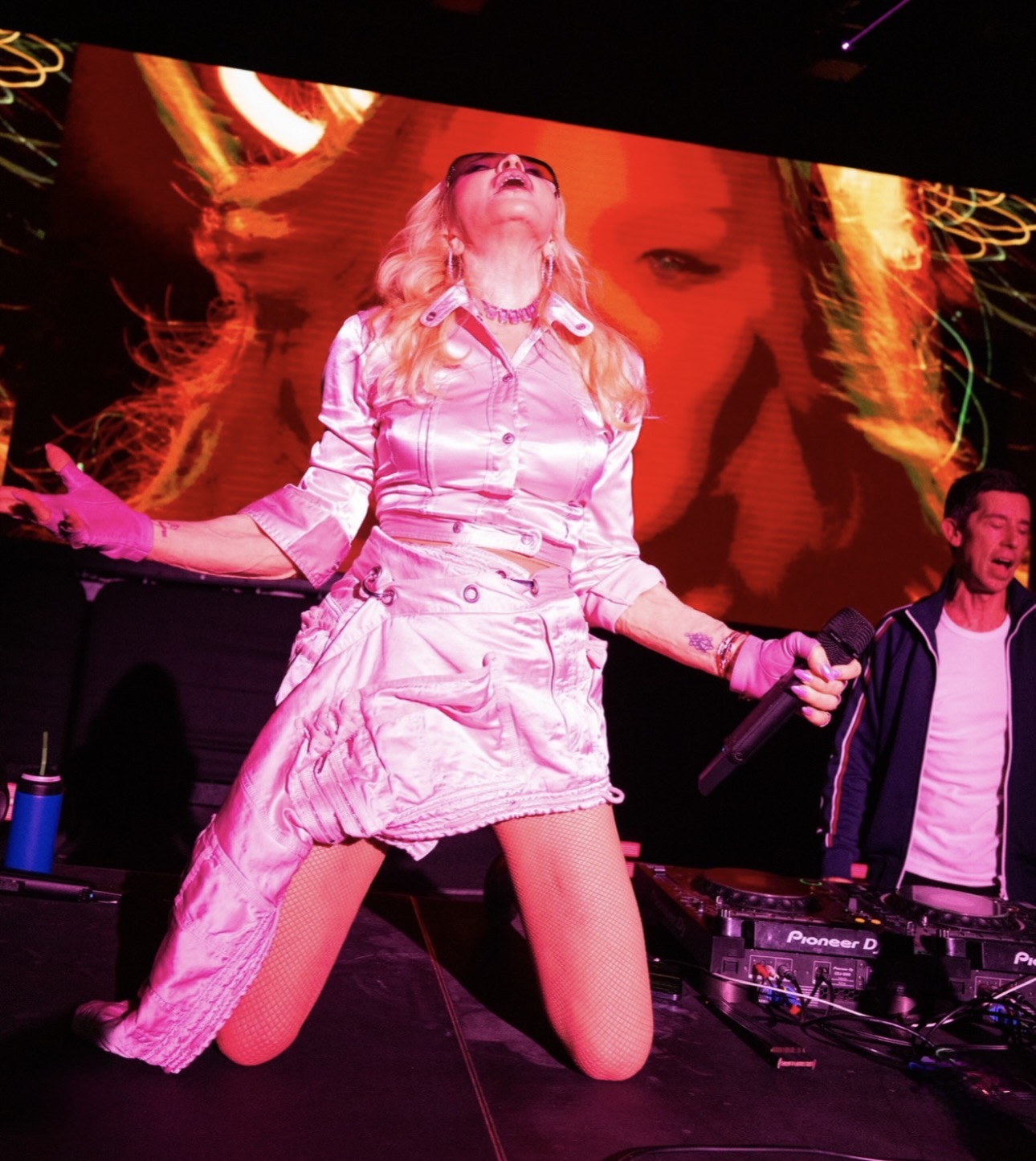
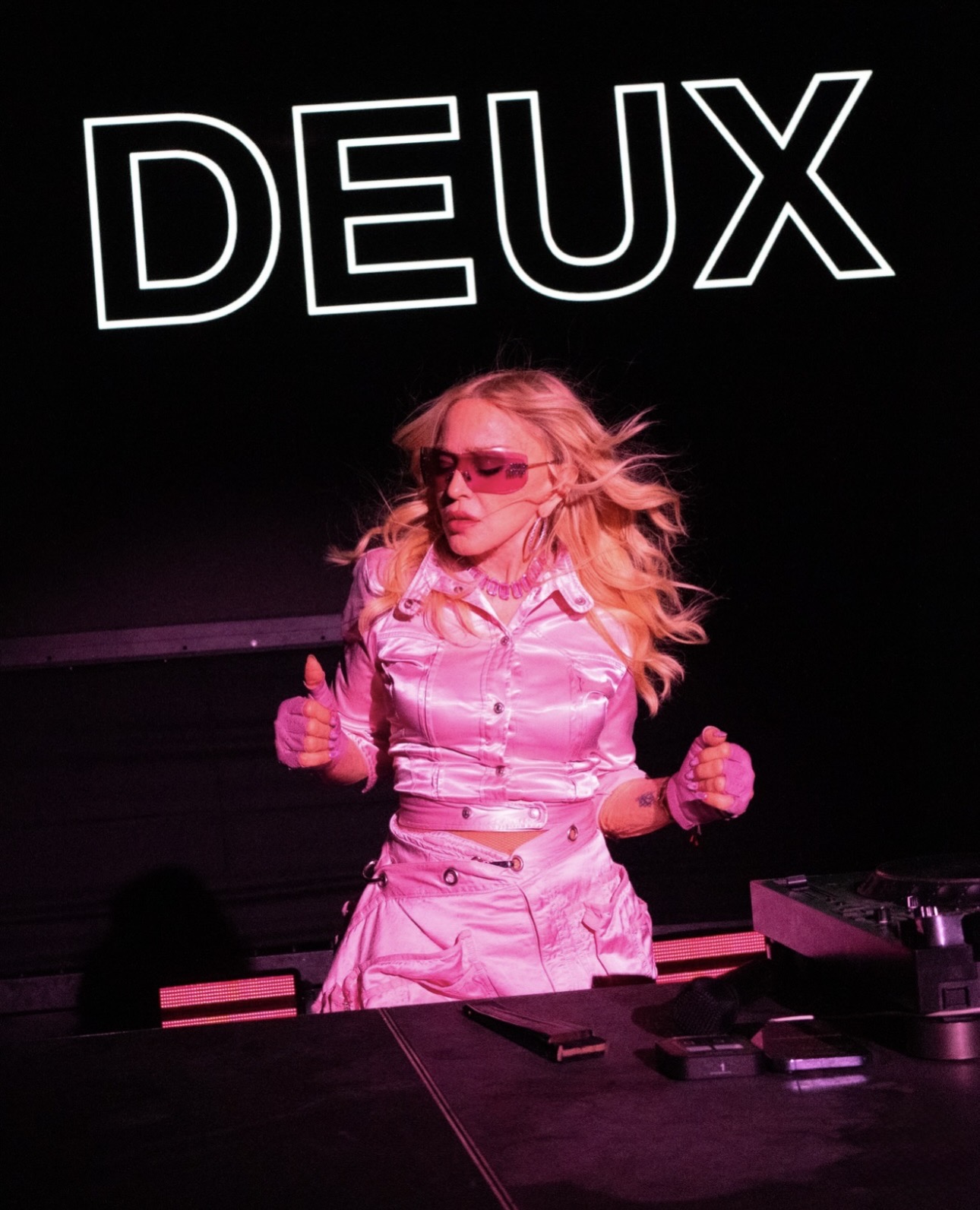
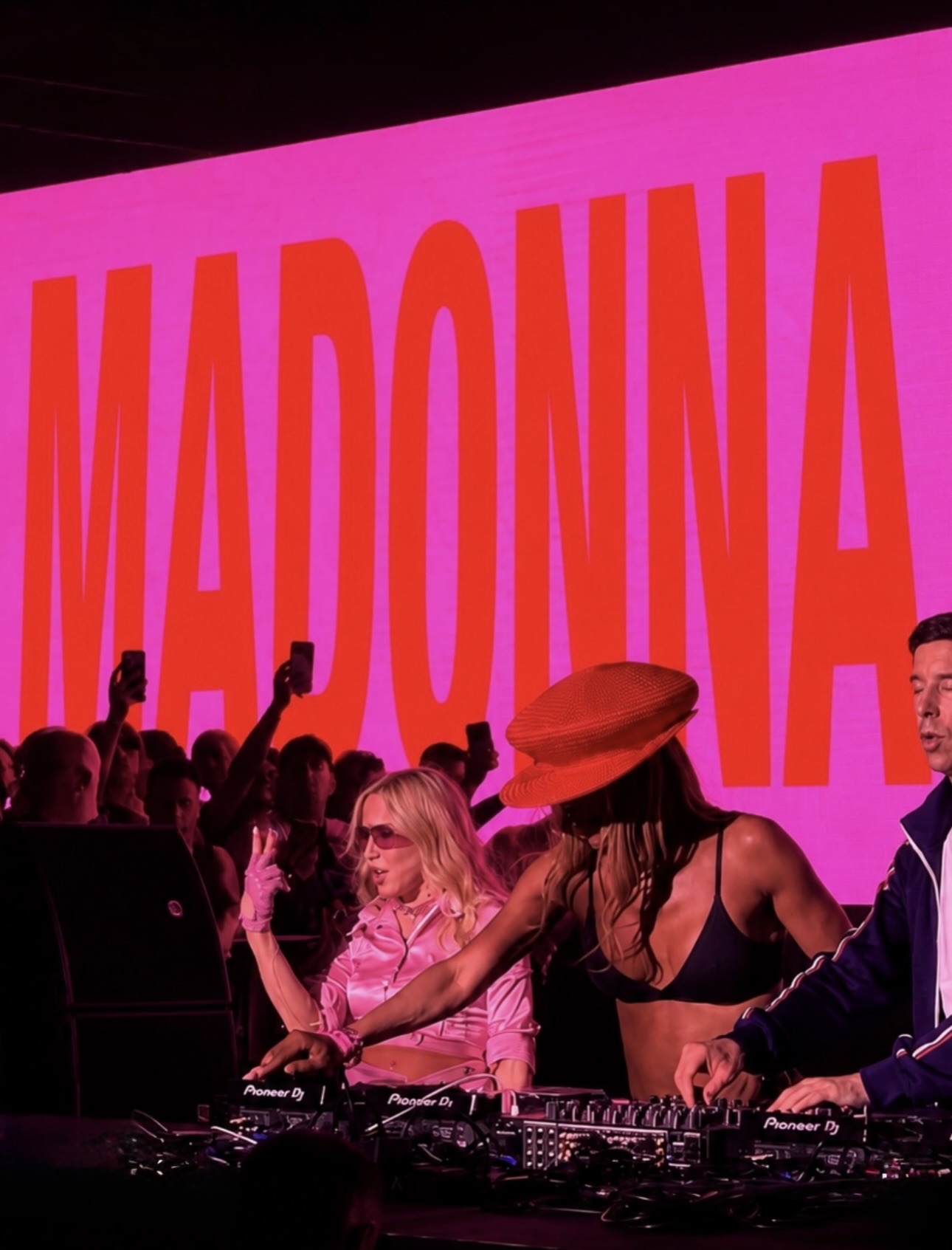
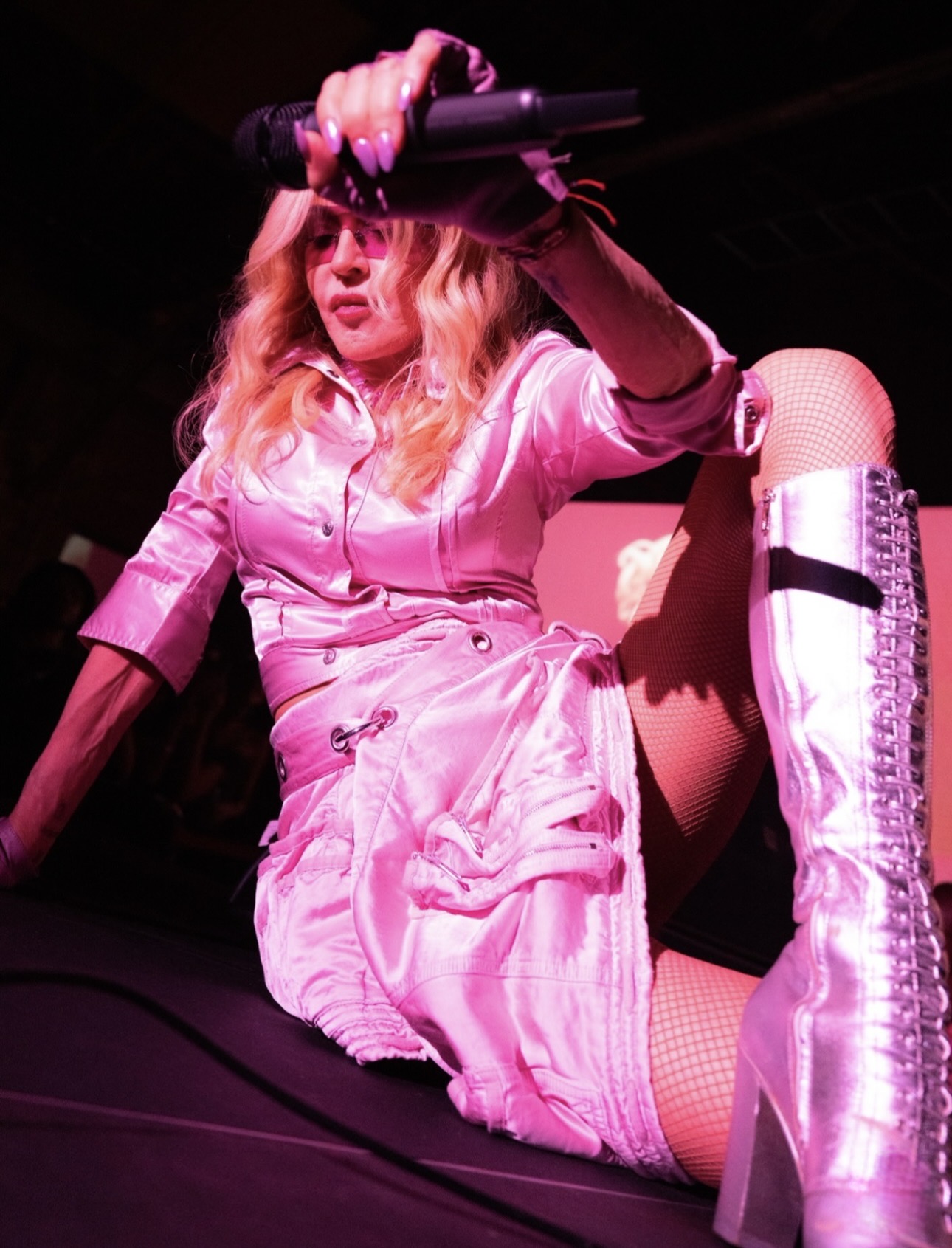
Madonna brought Club Confessions to the Knockdown Center in Queens, transforming the former factory into a vast, sweat-soaked meeting place for music, memory and New York nightlife. This was not a brief celebrity appearance attached to somebody else’s party. For the first time in the Club Confessions series, Madonna’s name appeared as a headliner alongside the DJs, signalling that something more substantial was about to happen.
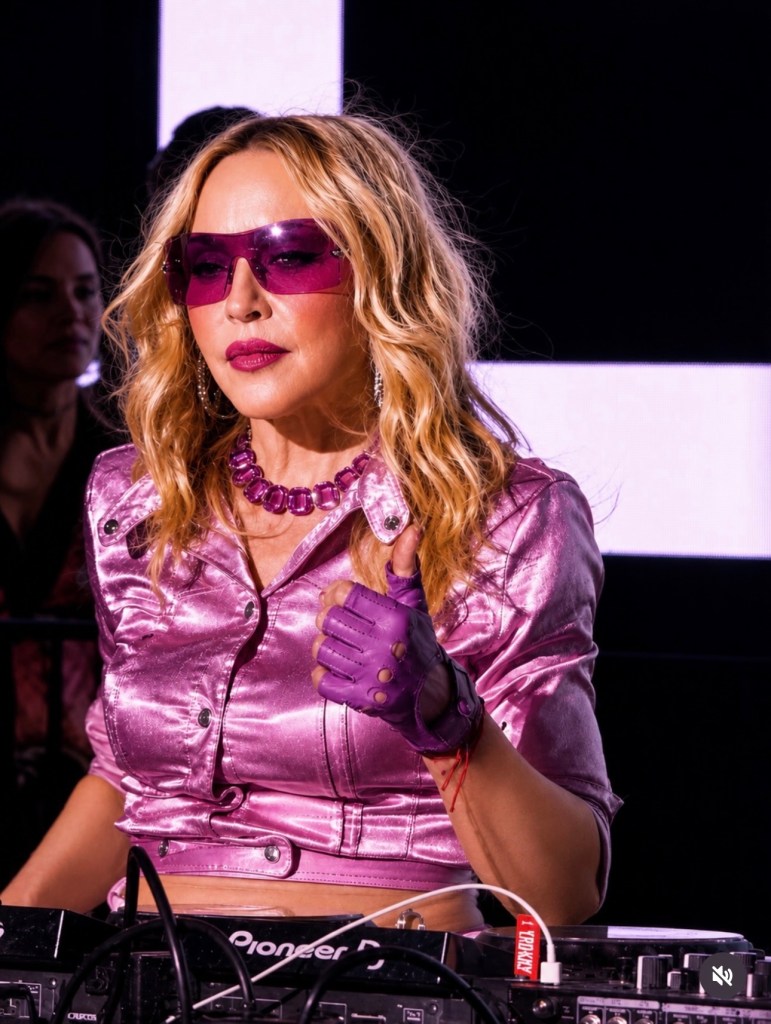
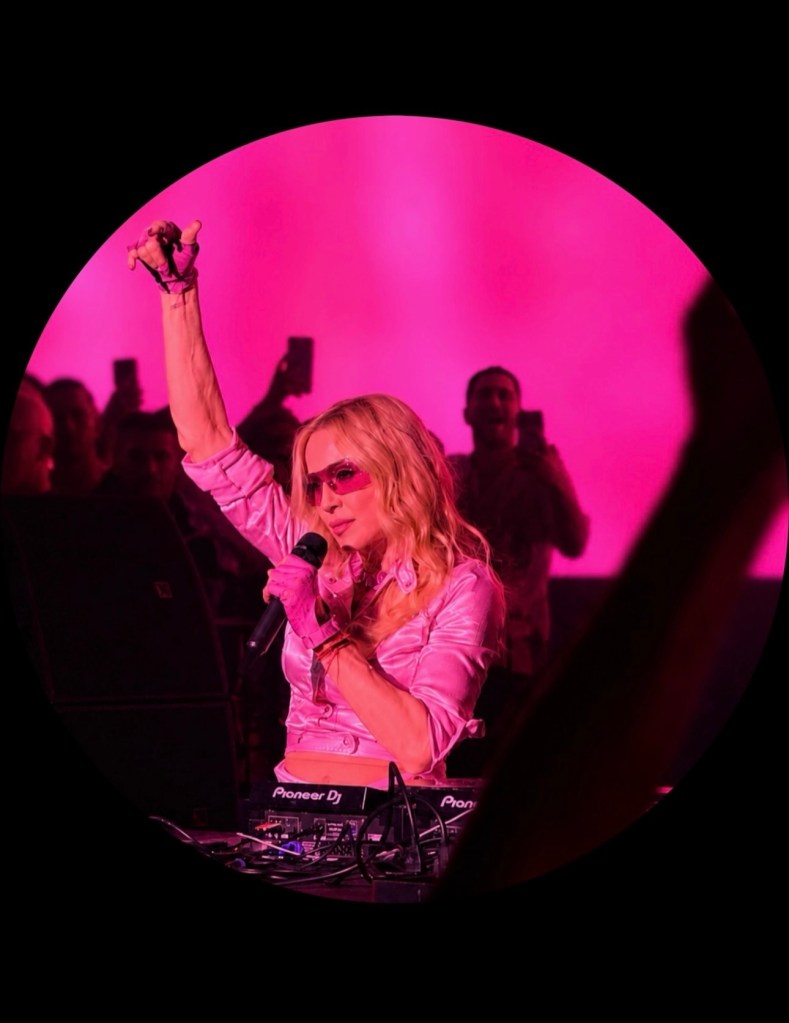
The line-up placed her among artists who understand dance music as a living culture rather than a decorative pop accessory: Stuart Price, Honey Dijon, Fcukers, Junior Sanchez and Sam-E. The event began at 10 pm, but Madonna did not appear until shortly after 1 am, introduced by Price as screens across the stage flashed her name and the album title in hot pink.
By then, the Knockdown Center had become its own strange planet.
Down the rabbit hole
Club Confessions did not treat the warehouse as an empty box waiting for a stage. The venue was remade through pink and green lighting, scattered vegetation and Alice in Wonderland imagery suggesting a fall down the rabbit hole. Guests entered through an enormous inflatable installation, while latex-clad figures moved through a crowd assembled from the overlapping worlds of Madonna fandom, queer nightlife, fashion and New York club culture.
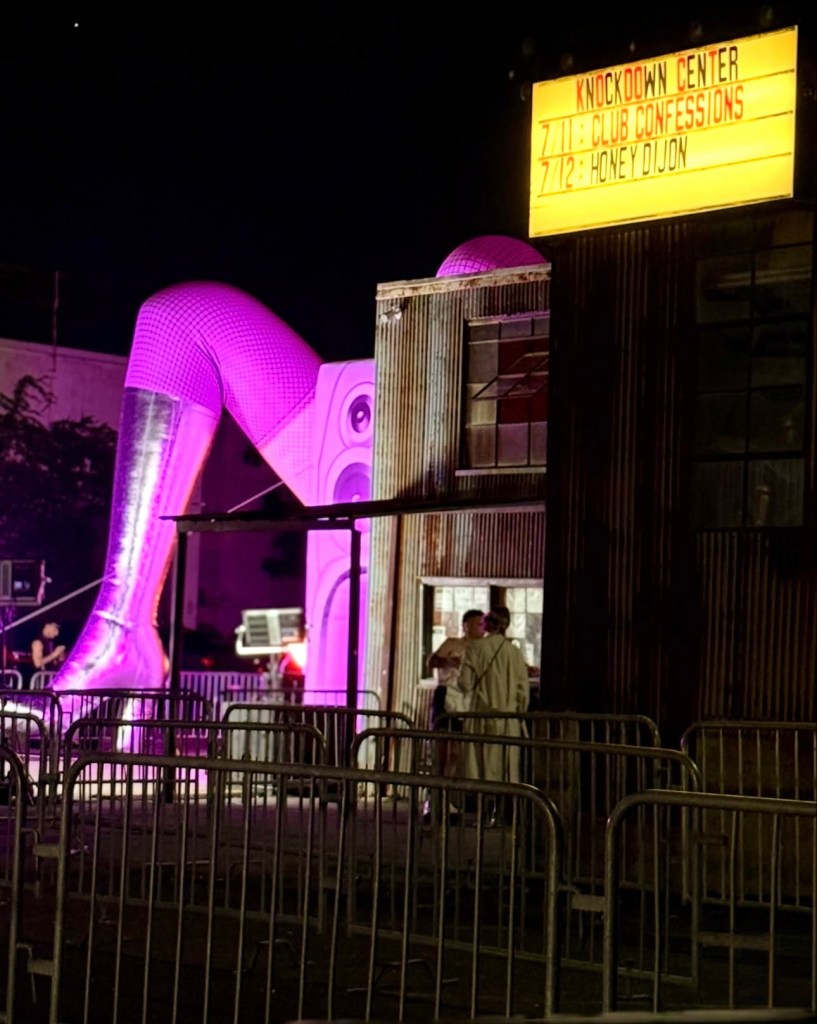
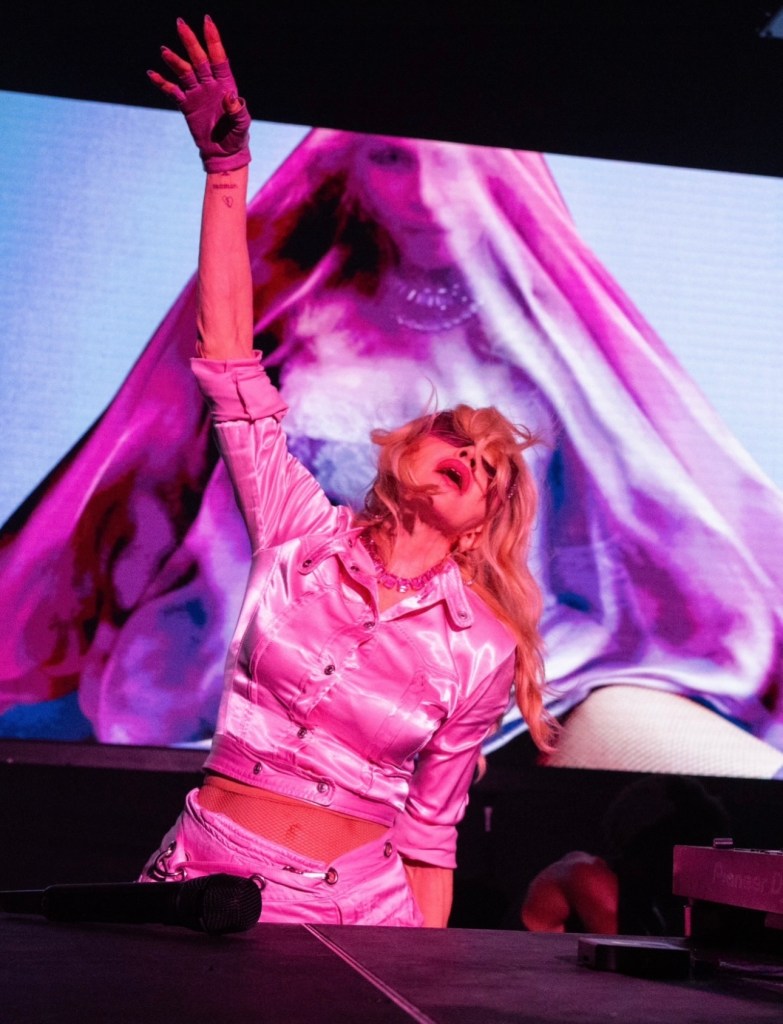
The industrial setting was essential. Knockdown Center is a converted factory in Queens with a capacity of approximately 3,100 people. Its scale offered something between an intimate club and an arena, large enough to feel monumental but still physical, crowded and immediate. The sound was not floating politely towards seated spectators. It was moving through bodies.
That distinction matters for Confessions II. The album may be available through headphones, phones and domestic speakers, but its continuous movement asks for communal space. These songs are constructed to pass into one another, accumulating heat and momentum until listening becomes something closer to surrender.
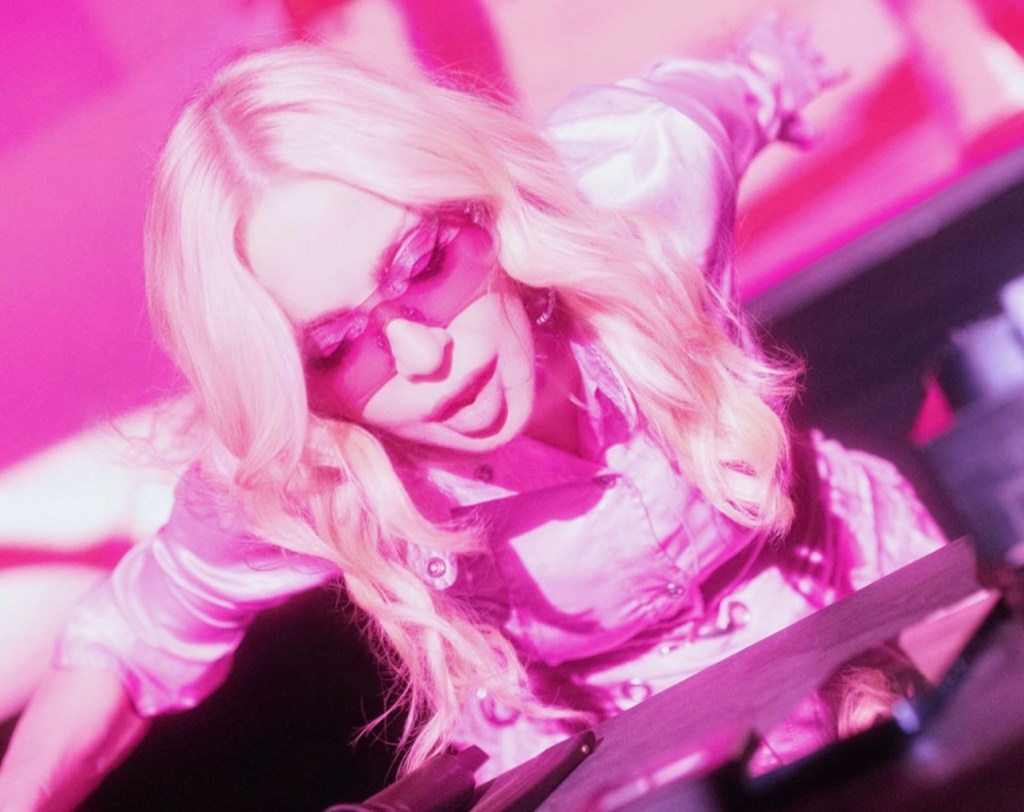
At Knockdown Center, the record was finally allowed to breathe at full volume.
Past and present on the same floor
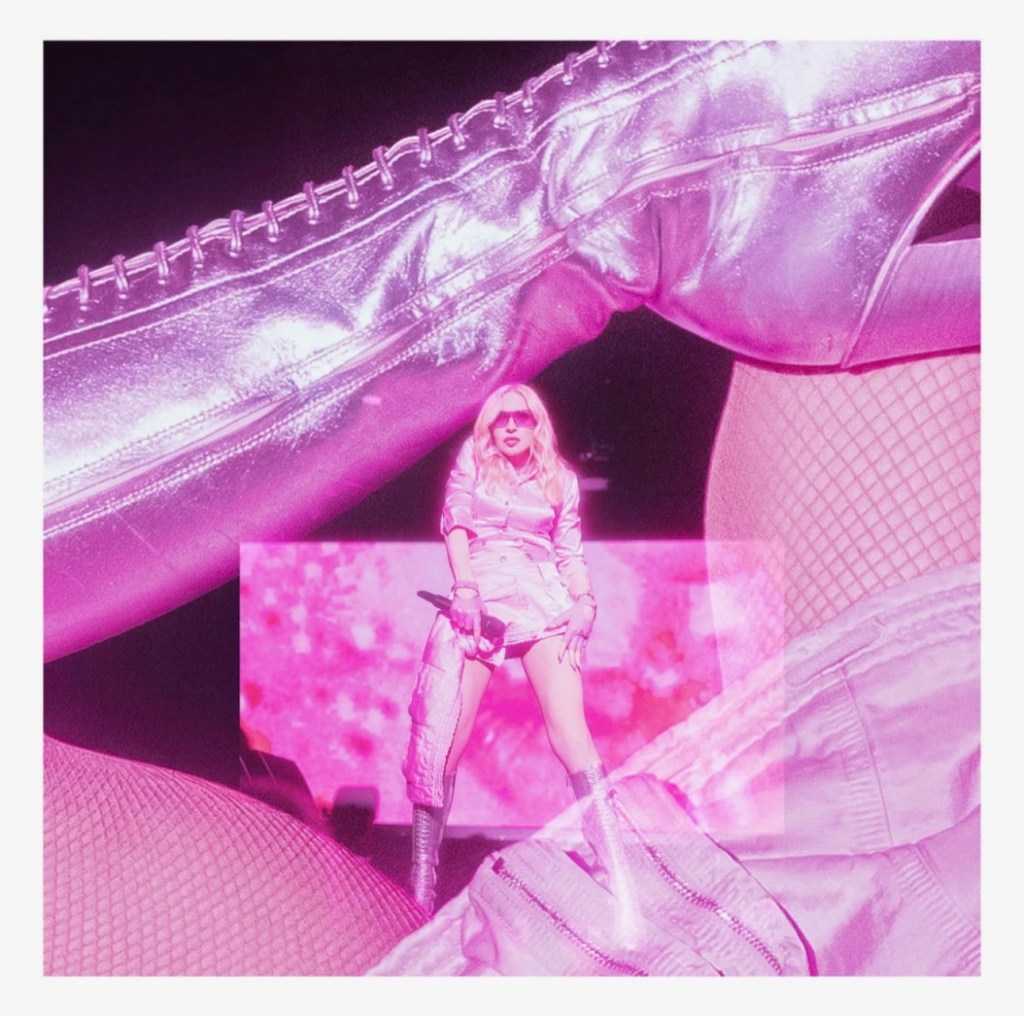
Madonna’s set drew primarily from Confessions II, including “One Step Away”, “Love Without Words”, “School”, “Bring Your Love”, “Danceteria”, “I Feel So Free” and “Love Sensation”. Rather than presenting the album in isolation, however, she placed the new material inside a wider personal and musical history.
“Get Together” and “Hung Up” connected the night directly to 2005’s Confessions on a Dance Floor. “Thief of Hearts” reached back into the sharp, confrontational club language of Erotica, while “Physical Attraction” returned to Madonna’s self-titled debut and the New York dance floors from which her career first emerged. The currently available crowd-sourced set list records 11 songs, although its precise running order should still be treated as provisional.
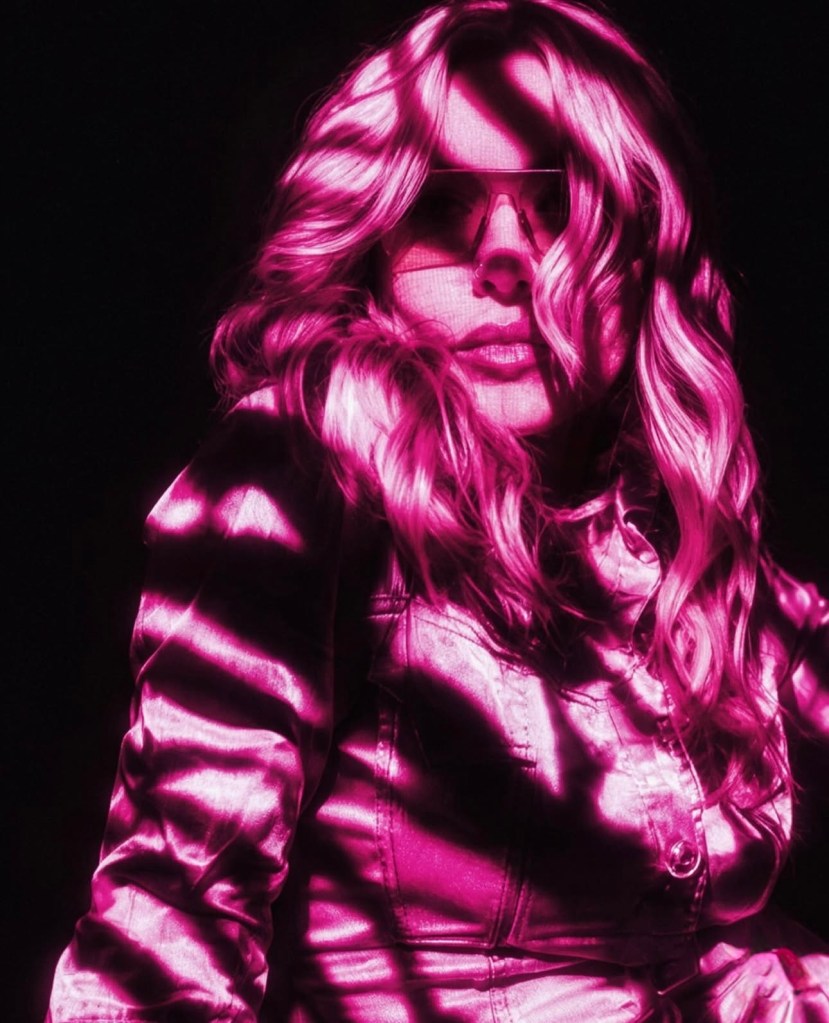
These were not random catalogue additions. Together, they created a compressed autobiography.
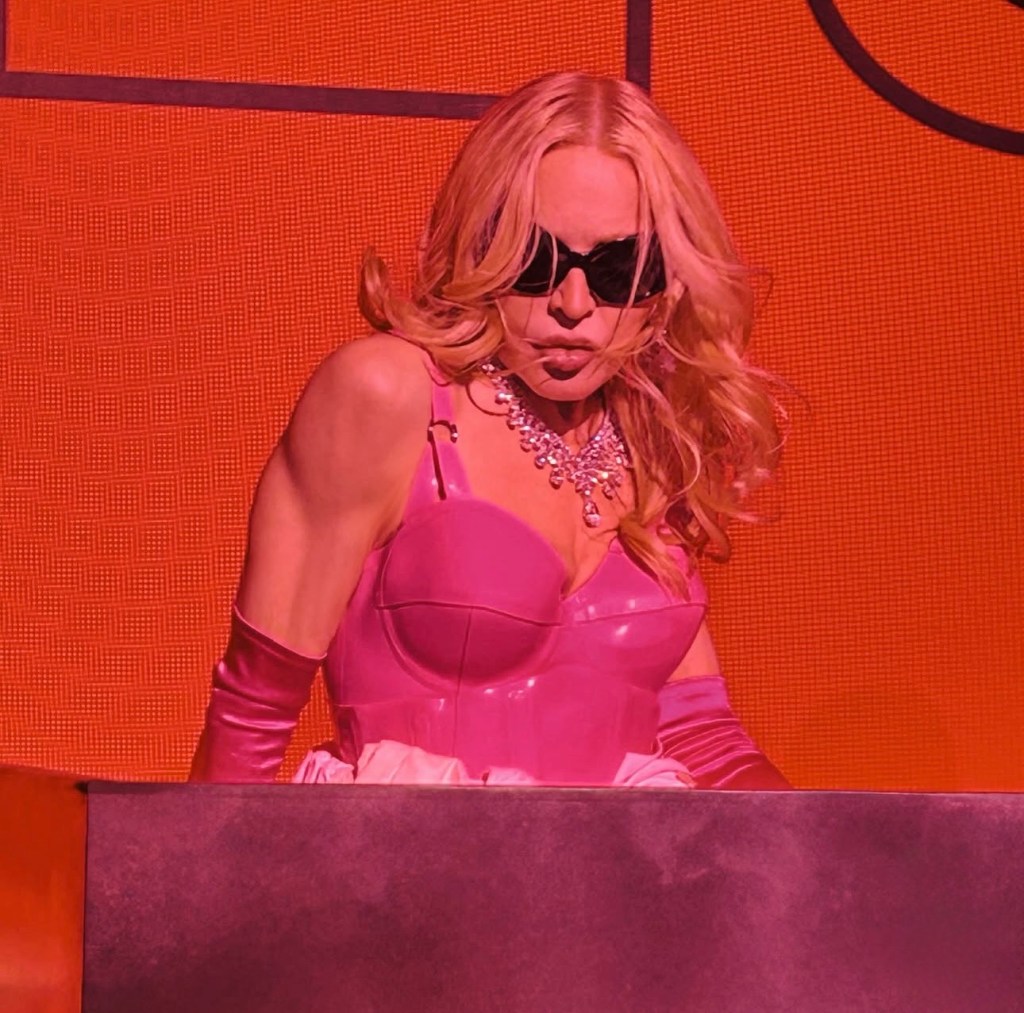
“Physical Attraction” represents the young Madonna entering New York’s club ecosystem before the world had decided what she might become. “Thief of Hearts” carries the metallic bite and sexual confrontation of the early 1990s. “Hung Up” and “Get Together” recall the original Confessions era, when disco history was reshaped into sleek, futuristic pop.
The new songs stood among them not as nostalgic replicas, but as the latest stage of an argument Madonna has been making throughout her career: the dance floor is where identity can be dismantled, rebuilt and released.
The significance of “School”
Among the new material, “School” feels particularly suited to this environment. On record, its rhythm gradually takes possession of the listener; inside a warehouse, that physical pull becomes the point. The song does not simply invite movement. It seems to instruct the nervous system.
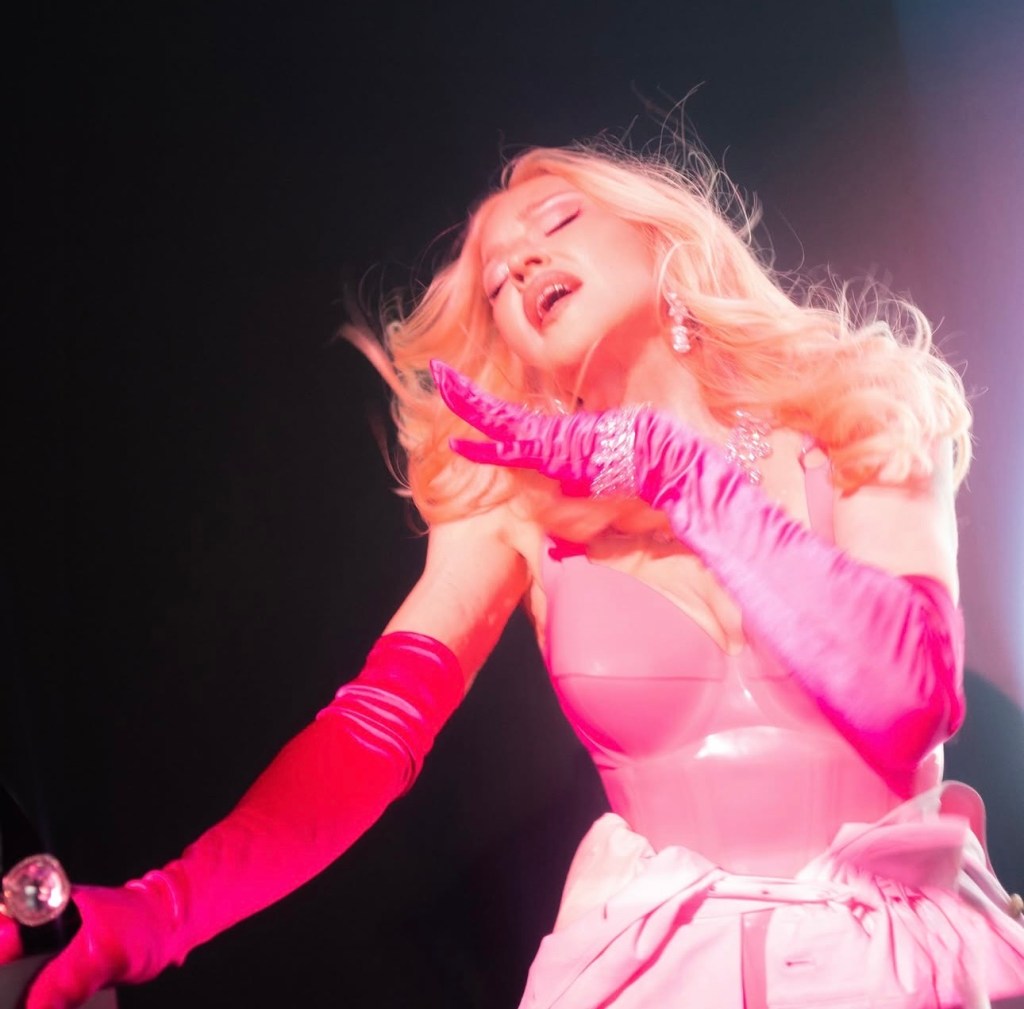
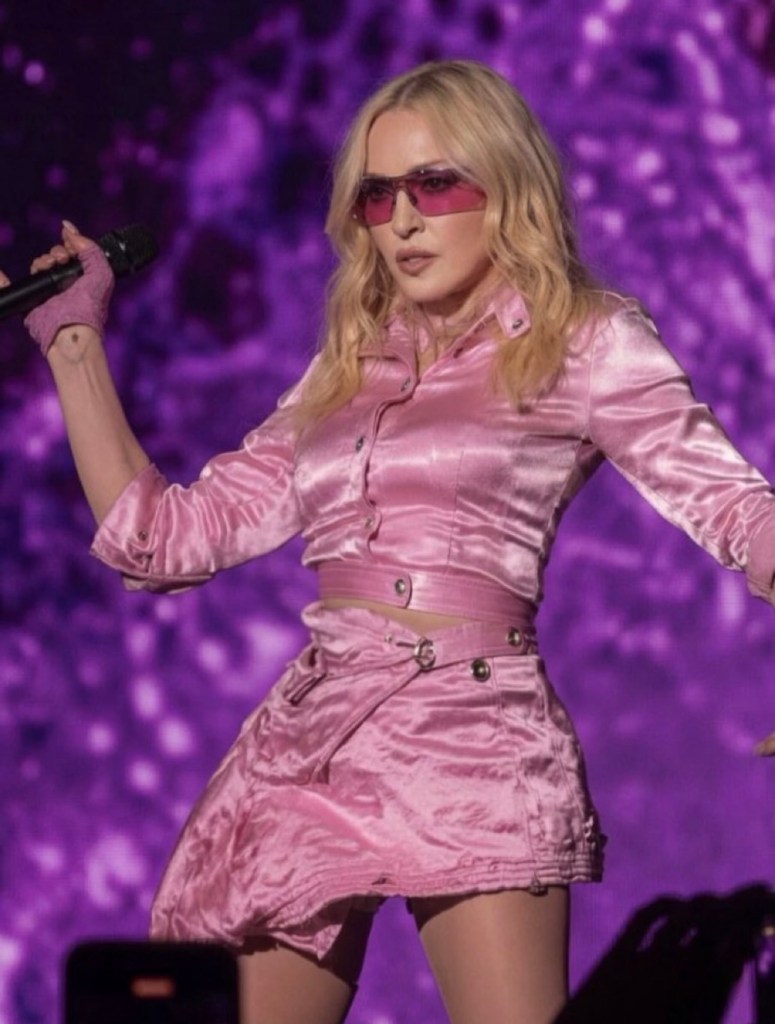
“Danceteria” carries another kind of charge. Its title invokes the New York club where Madonna performed during her pre-fame years, turning the track into a bridge between biography and mythology. Hearing it in Queens brought that history back into a functioning nightlife space rather than preserving it behind glass.
The evening therefore avoided becoming a museum of Madonna’s past. Her history was present, but it was activated by new music, new collaborators and a crowd experiencing the songs in real time.
A queer communal event
Reports from inside the venue describe Club Confessions as an overwhelmingly queer gathering, dense with old acquaintances, unexpected reunions and temporary friendships formed on the dance floor. That atmosphere was not incidental to the event. It belongs to the history being celebrated.
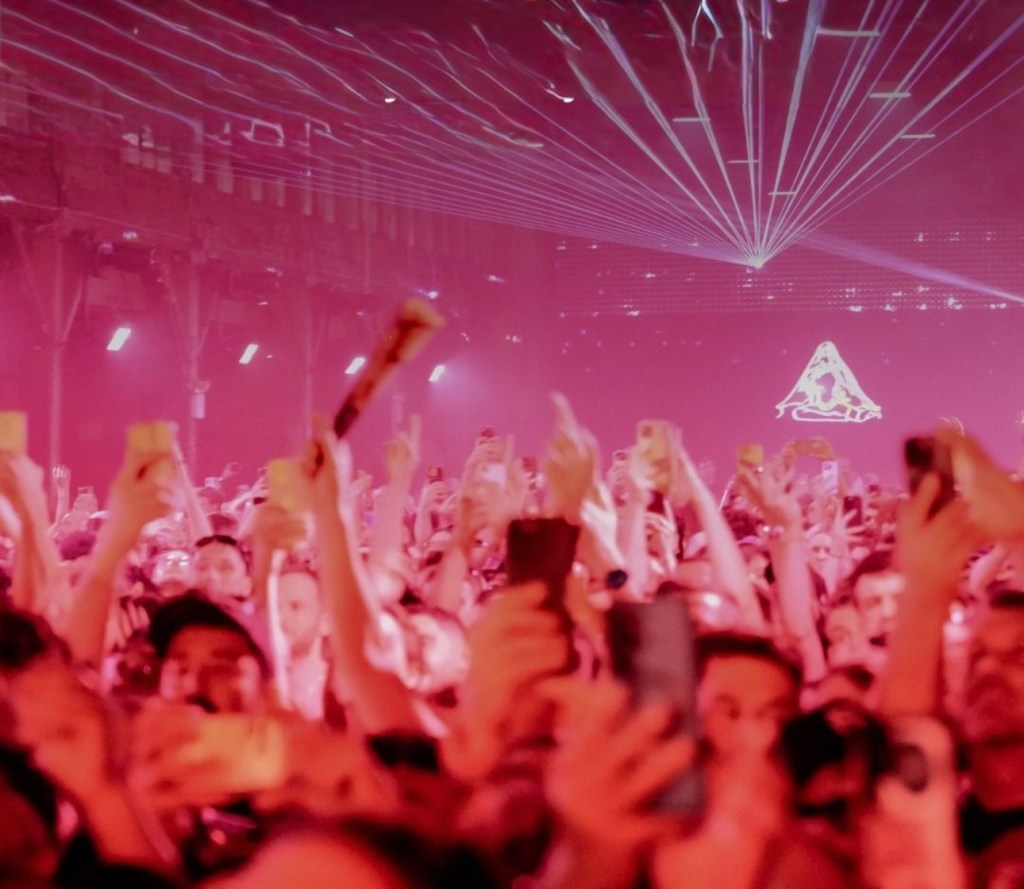
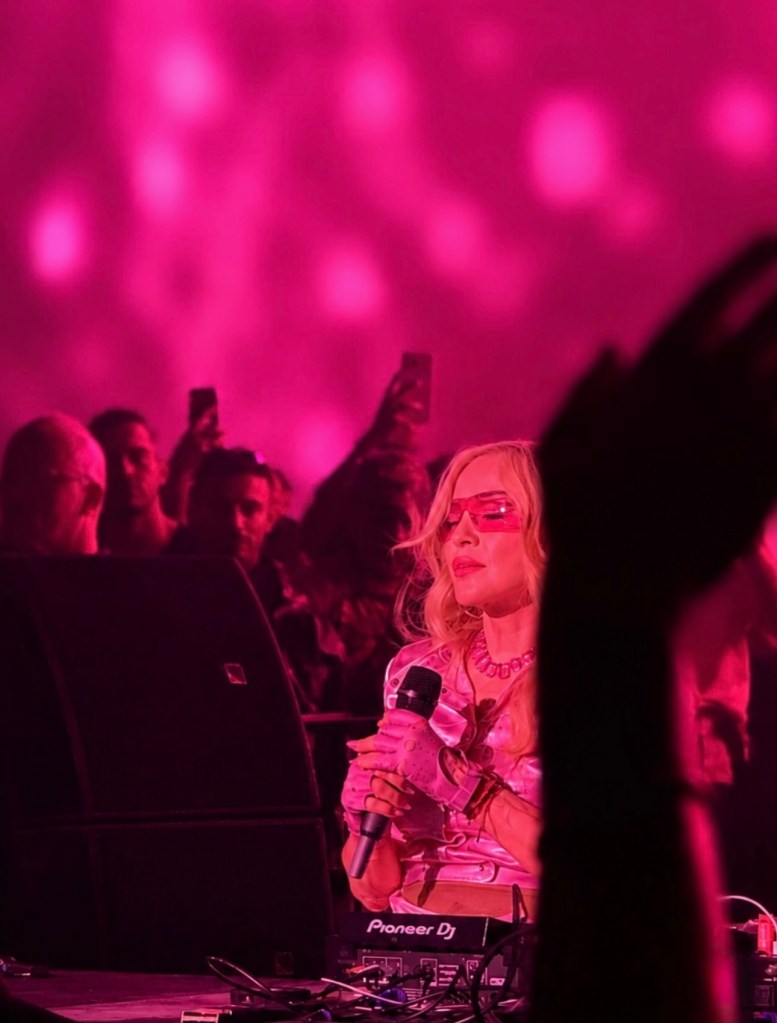
Madonna’s relationship with queer culture has always extended beyond imagery or audience demographics. Clubs provided the environment in which she developed as an artist, encountered new forms of dance and absorbed ideas about performance, gender, sexuality and chosen family. Club Confessions placed that relationship at the centre of the campaign rather than treating it as archival decoration.
Honey Dijon’s presence was especially significant. After Madonna’s appearance, Dijon continued the night from the decks, carrying the crowd beyond the performance and back into the ongoing life of the club.
That transition was beautifully appropriate. Madonna did not arrive, perform and leave behind an emptied stage. The music continued. The floor remained alive.
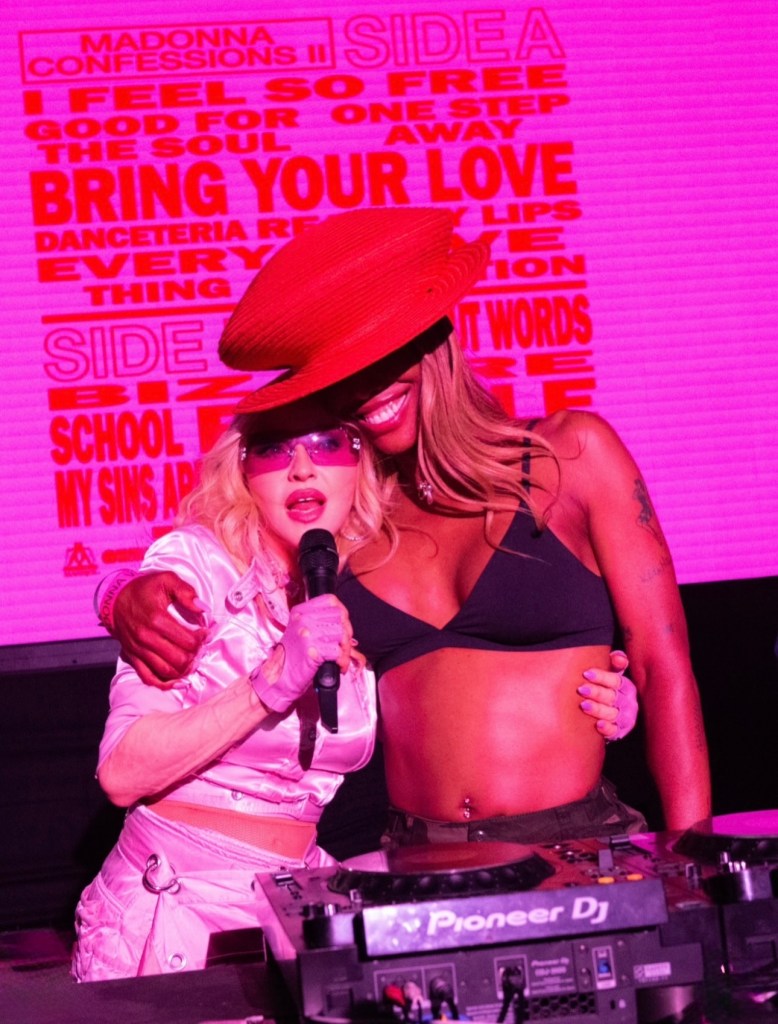
More than an album party
The Knockdown Center event may prove to be one of the defining moments of the Confessions II campaign because it clarified what this project is becoming.
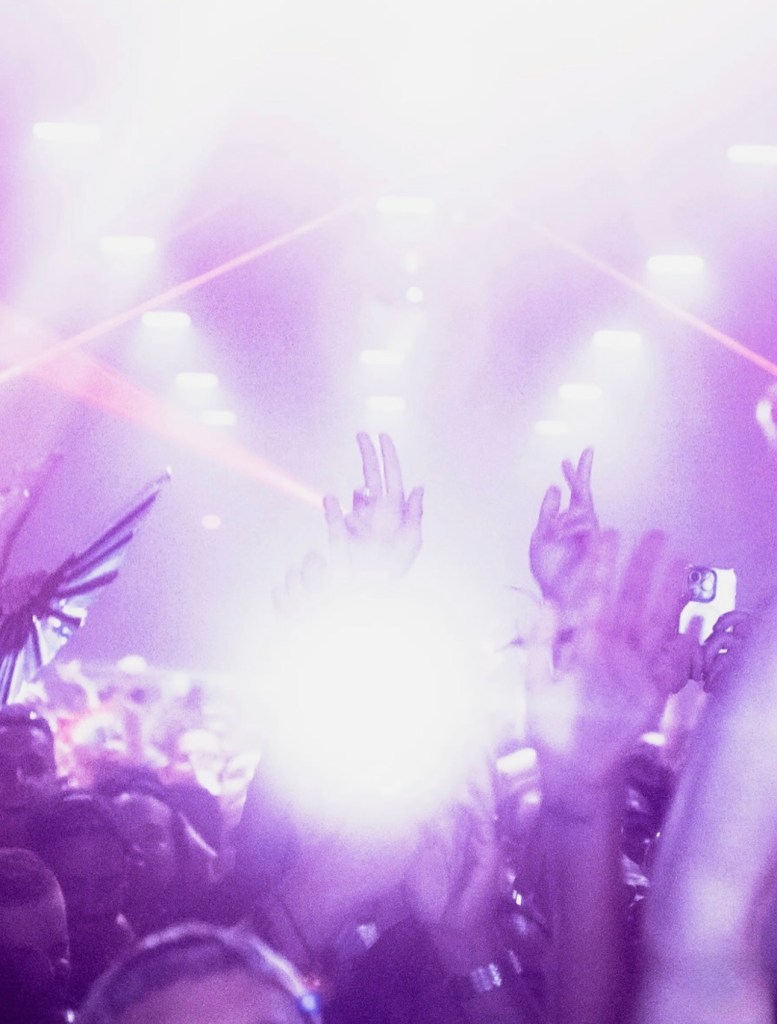
It is not merely a sequel to a beloved album. It is a return to the idea of the club as a ritual space: temporary, physical, collective and transformative. The Tribeca film gave the music a cinematic body. Times Square placed it before the city. Club Confessions allowed it to disappear into the crowd.
For one night in Queens, Madonna did not ask New York to remember where she began. She connected that beginning to the present, placing four decades of club history on the same floor.
Confessions II had come home.
 MLVC
MLVC 
Leave a comment