Madame X
Madame X is Madonna’s fourteenth studio album, released on 14 June 2019 by Interscope Records. Sitting within the Shift movement, the album captures a point where Madonna was reframing herself through travel, language, theatre and political unease.
More than a simple release, Madame X functions as a theatrical pop statement: part travel diary, part manifesto, part masked self-portrait. Across its songs, visuals and campaign, the album shows Madonna changing the frame again, moving away from the familiar machinery of stadium-pop expectation and into something stranger, more fragmented and more deliberate.
Madame X | Standard Edition
- Medellín
- Dark Ballet
- God Control
- Future
- Batuka
- Killers Who Are Partying
- Crave
- Crazy
- Come Alive
- Faz Gostoso
- Bitch I’m Loco
- I Don’t Search I Find
- I Rise
Madame X | Deluxe Digital Edition
- Medellín
- Dark Ballet
- God Control
- Future
- Batuka
- Killers Who Are Partying
- Crave
- Crazy
- Come Alive
- Extreme Occident
- Faz Gostoso
- Bitch I’m Loco
- I Don’t Search I Find
- Looking for Mercy
- I Rise
Madame X | Deluxe 2CD Edition
Disc 1
- Medellín
- Dark Ballet
- God Control
- Future
- Batuka
- Killers Who Are Partying
- Crave
- Crazy
- Come Alive
- Extreme Occident
- Faz Gostoso
- Bitch I’m Loco
- I Don’t Search I Find
- Looking for Mercy
- I Rise
Disc 2
- Funana
- Back That Up To The Beat
- Ciao Bella
Artist Madonna
Album Madame X
Released 14 June 2019
Label Interscope Records
Formats CD, deluxe CD, digital download, streaming, vinyl, limited-edition physical formats
Producers Mdonna, Mike Dean, Diplo, Jason Evigan, Billboard and others
Overview
Madame X is one of Madonna’s most concept-heavy albums, built around an alter ego who refuses to stay fixed. Madame X is a secret agent, a dancer, a teacher, a mother, a cha-cha instructor, a prisoner, a saint, a spy in the house of pop. The album uses that shifting identity as both character and method.
The record moves between Latin pop, fado, trap, disco, electronica, art-pop and political theatre. It is not designed as a smooth surface. It turns corners abruptly, changes languages, masks the voice, breaks the rhythm and asks the listener to follow Madonna into less predictable rooms. It can feel ornate, uneven, fascinating and wilfully strange, which is also where much of its force comes from.
Context
Madame X followed Rebel Heart, an album shaped by leaks, multiple collaborators and a more open attempt to balance classic Madonna songwriting with contemporary pop production.
By 2019, Madonna had relocated part of her life to Lisbon, where her son David Banda was pursuing football training. That move became creatively significant. Lisbon gave the album its atmosphere: late nights, fado clubs, Afro-Portuguese rhythms, multilingual conversation and a sense of artistic dislocation.
The wider pop landscape had also changed. Madonna was no longer operating in the dominant MTV or radio ecosystem that had defined earlier phases of her career. Instead, she was working in a fragmented digital culture where legacy, age, identity and relevance were constantly being contested. Madame X responds by refusing neatness. Rather than smoothing herself into the moment, Madonna creates a character who can splinter, travel, disguise herself and speak in several registers at once.
Sound and Themes
The sound of Madame X is restless. Mirwais brings back some of the digital edge associated with Music and American Life, but the album is not a simple return to that earlier sound. It folds in Portuguese and Spanish-language elements, Latin pop collaborations, fado textures, trap percussion, vocodered vocals and dramatic orchestration. The result is deliberately unstable: a record that flickers between club, confession, sermon and cabaret.
Vocally, Madonna often uses processing not just as polish but as character. The voice becomes masked, multiplied and theatrical. On some tracks it sounds intimate and exposed; on others it is robotic, ceremonial or distorted. That suits the album’s central idea: identity as costume, defence mechanism and weapon.
The themes are equally wide-ranging. Madame X moves through exile, motherhood, gun violence, political despair, queer survival, spiritual longing, erotic play and the search for mercy. At times, the album reaches for global solidarity; at others, it becomes deeply personal. Its contradictions are part of its architecture. This is Madonna not simplifying herself for easy consumption, but presenting an album that behaves like a passport full of stamps, bruises and coded messages.
Key Singles and promotional tracks


Medellín
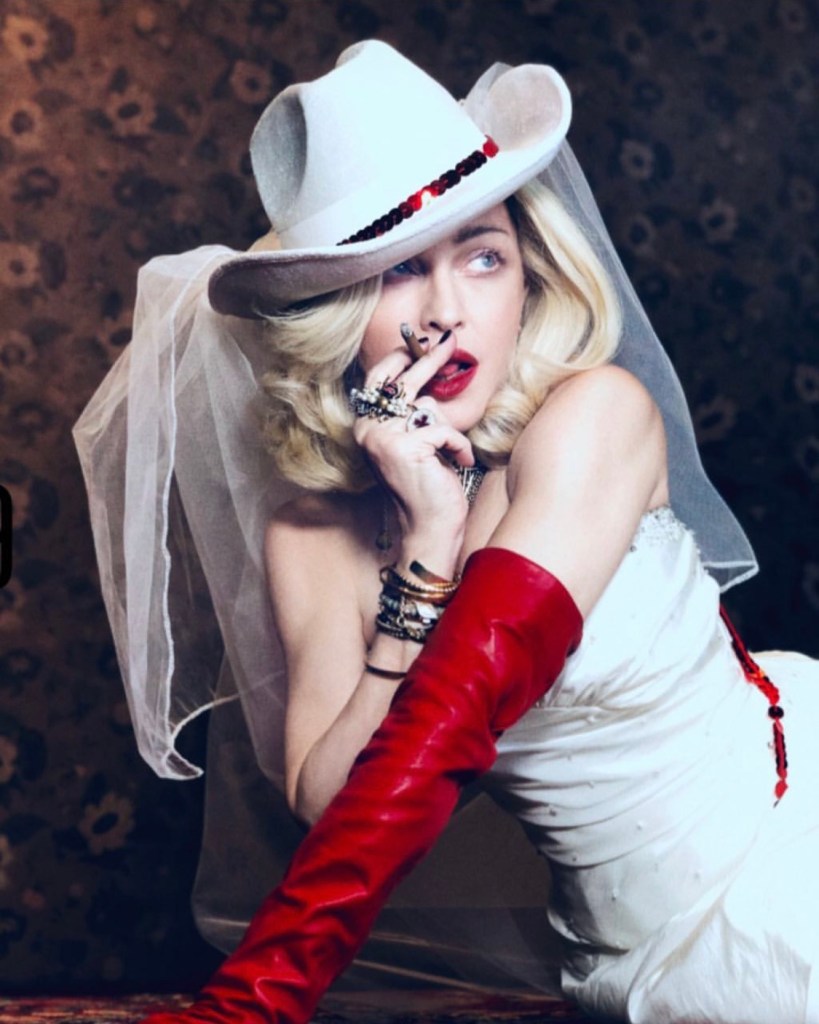
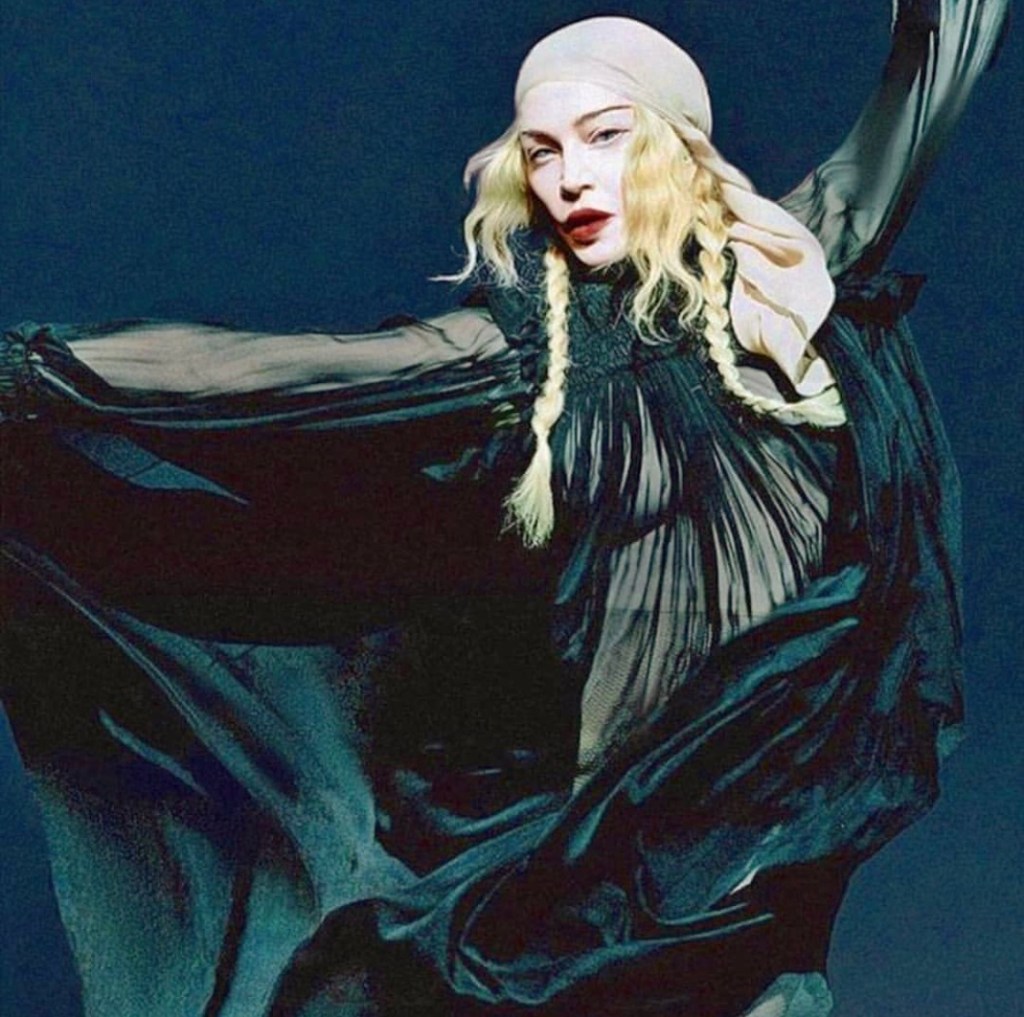
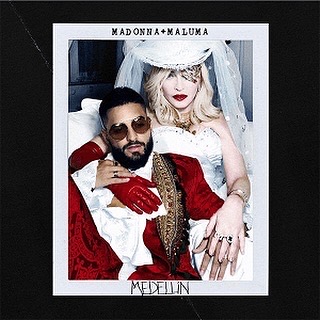
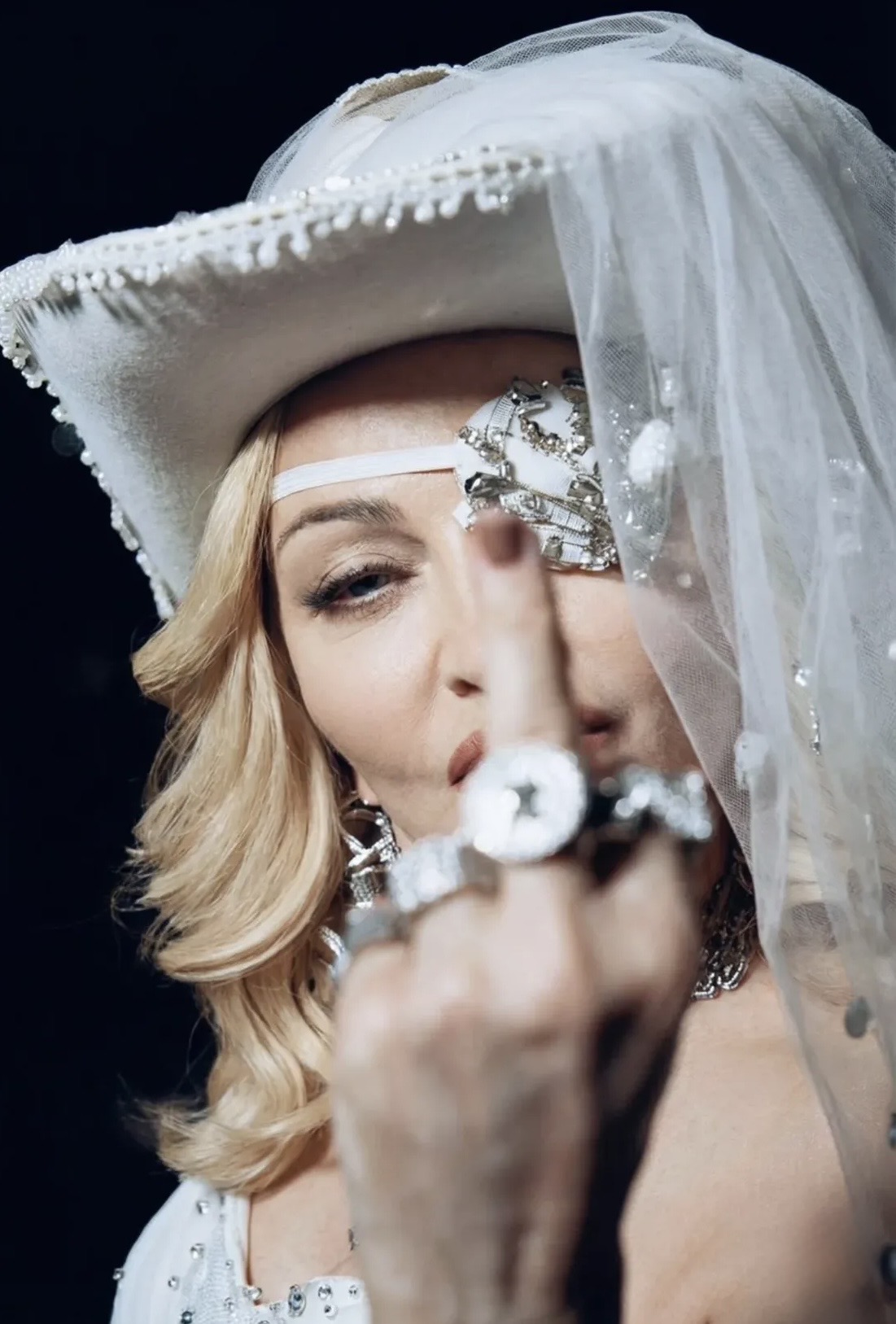
Featuring Maluma, “Medellín” introduced the era with a softer, dreamier tone than many expected. Built around cha-cha rhythms, playful Spanish-language exchanges and a sense of escape, the track presents Madame X as flirt, traveller and fantasist. Its video expanded the mood into a surreal wedding ritual, full of veils, horses, banquet imagery and theatrical excess.
Crave
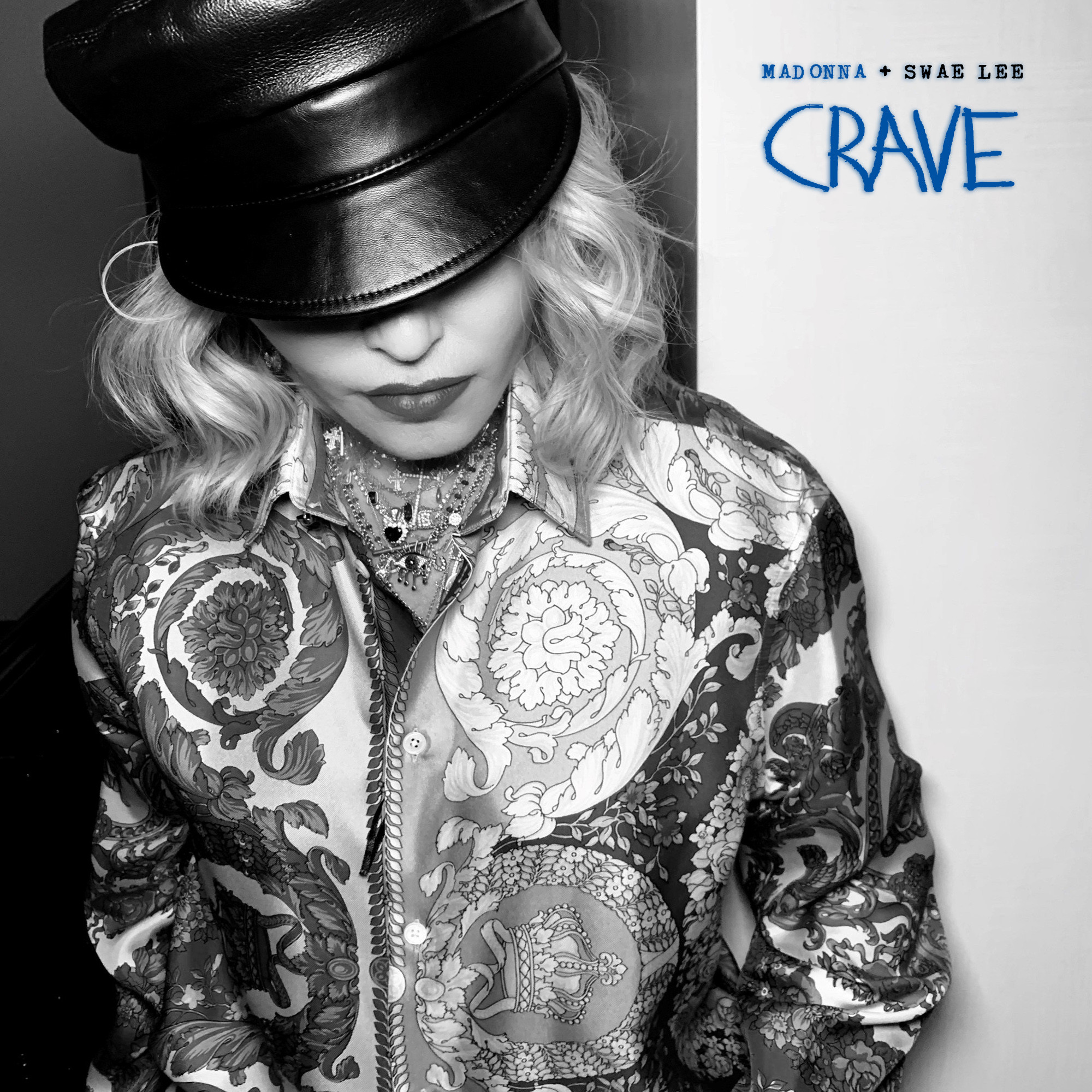
Featuring Swae Lee, “Crave” is one of the album’s most direct pop moments. Its mood is restrained, melodic and wounded, with Madonna exploring desire as both hunger and vulnerability. Compared with the album’s more confrontational tracks, “Crave” offers a quieter emotional space.
I Rise
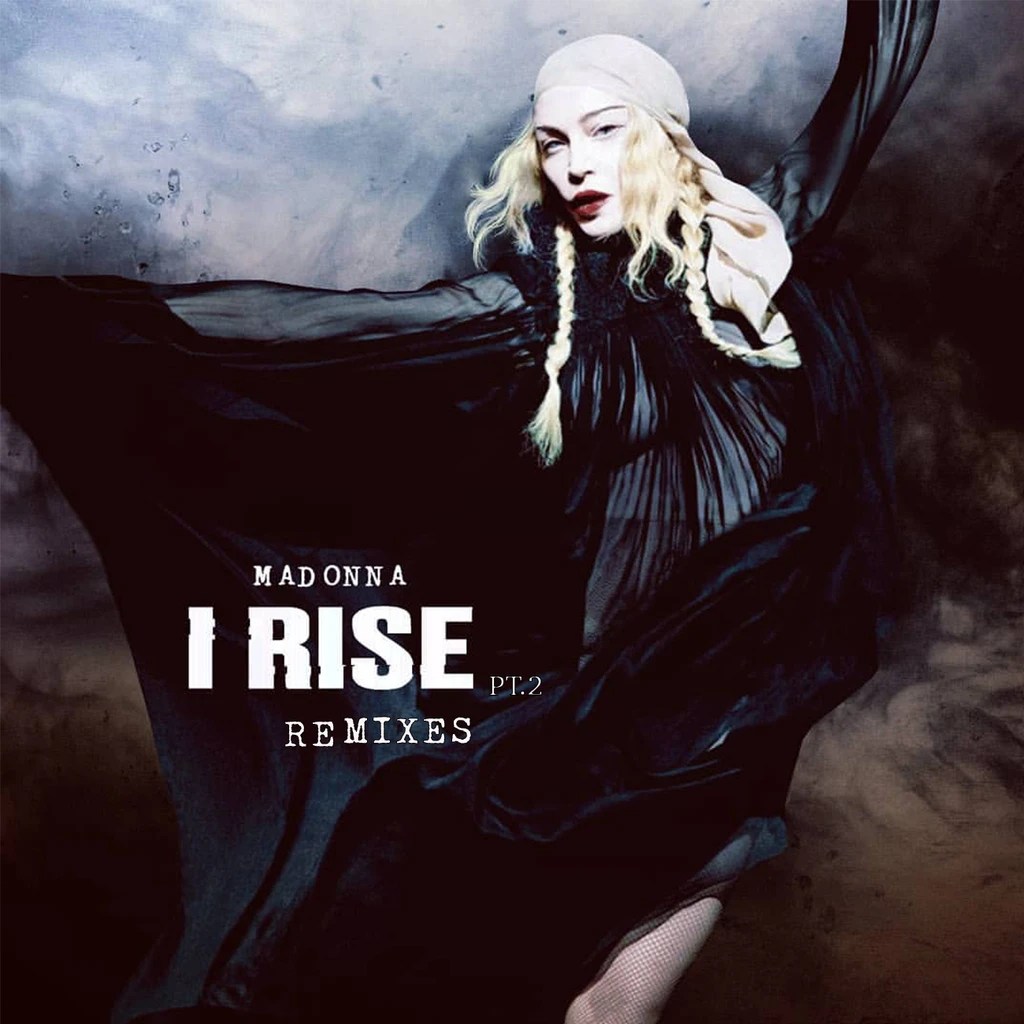
“I Rise” closes the album with a message of survival and defiance. Framed as an empowerment anthem, it connects personal resilience with wider political struggle. Within the album’s structure, it acts as a final statement: after disguise, conflict, confession and disorientation, Madame X remains standing.
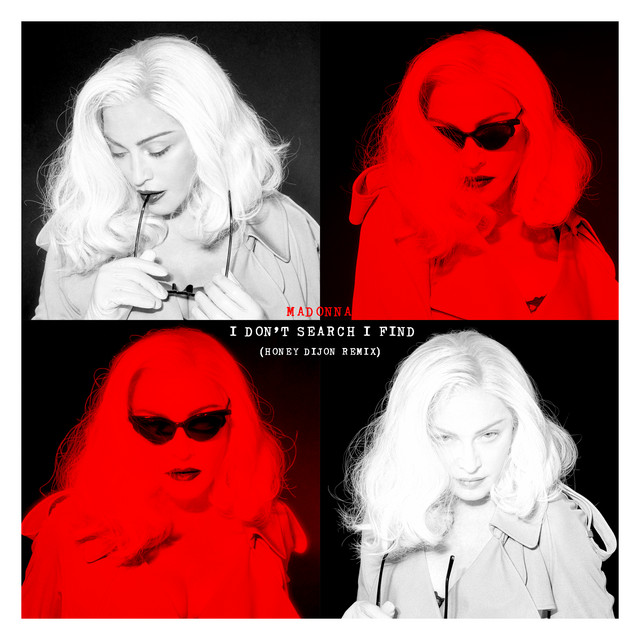
I Don’t Search I Find
“I Don’t Search I Find” reconnects Madonna with the language of deep house, ballroom confidence and late-night club glamour. Its pulse, spoken attitude and sleek production made it a fan favourite, especially for listeners drawn to Madonna’s dance-floor lineage. It feels like Madame X stepping out of the theatre and back into the club.
Singles
The Madame X campaign included “Medellín”, “Crave”, “I Rise” and “I Don’t Search I Find”, alongside promotional and visual focus tracks including “Future”, “Dark Ballet” and “God Control”. The era relied heavily on videos, performance, concept and atmosphere rather than a traditional run of global hit singles.
Artwork and Visual Identity
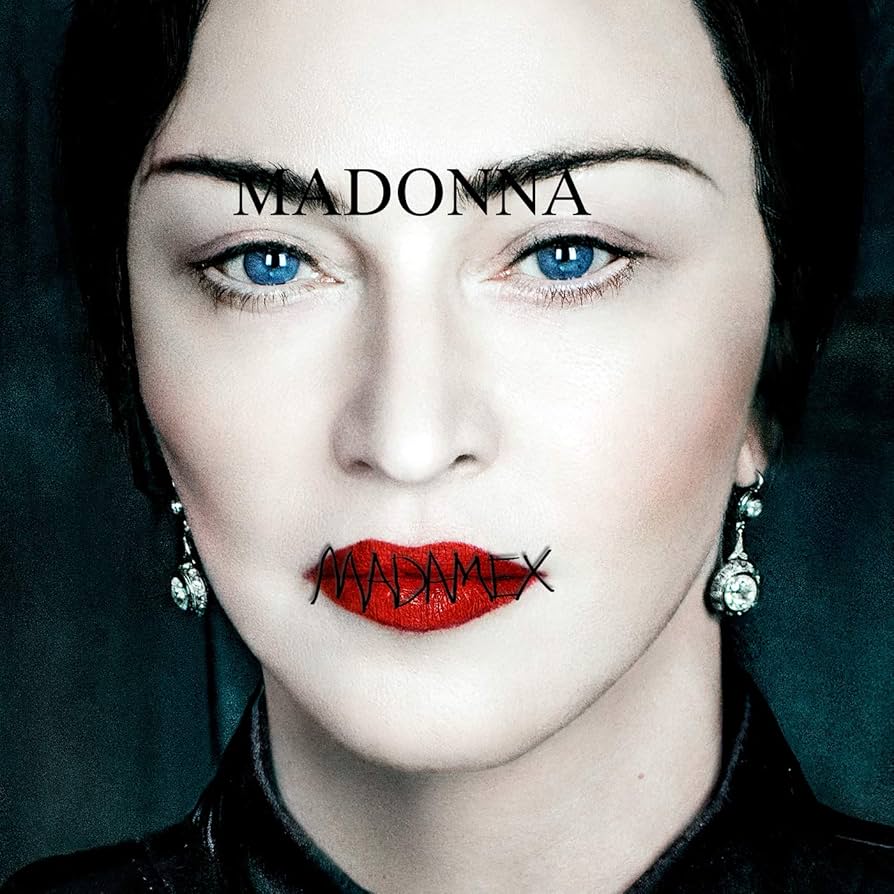
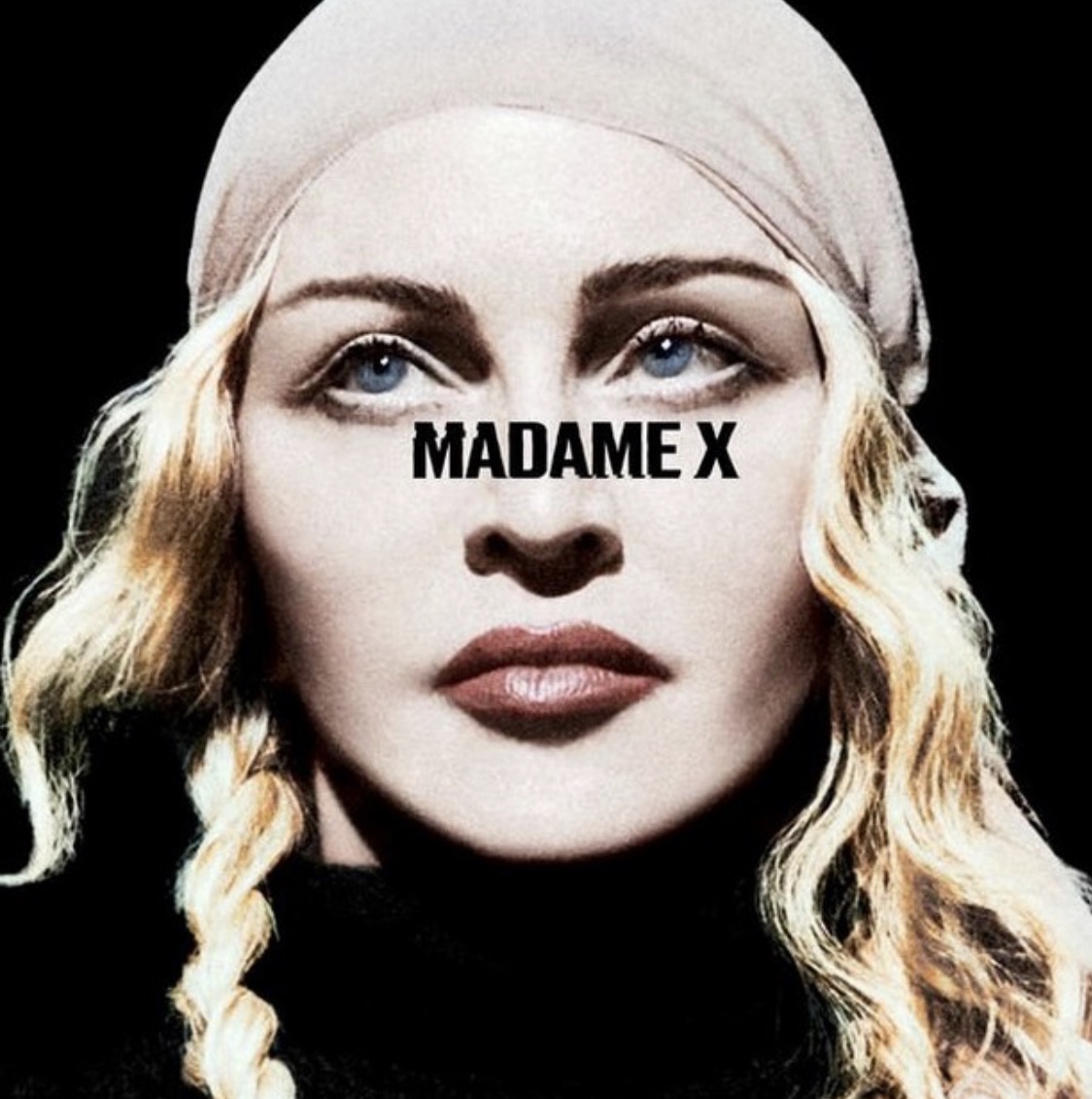
The Madame X artwork presents Madonna through the lens of disguise and fragmentation. The cover image uses close-up portraiture, dark hair, red lips and the album title marked across the mouth, immediately connecting the visual identity to silence, speech, secrecy and control. It is a face turned into a document.
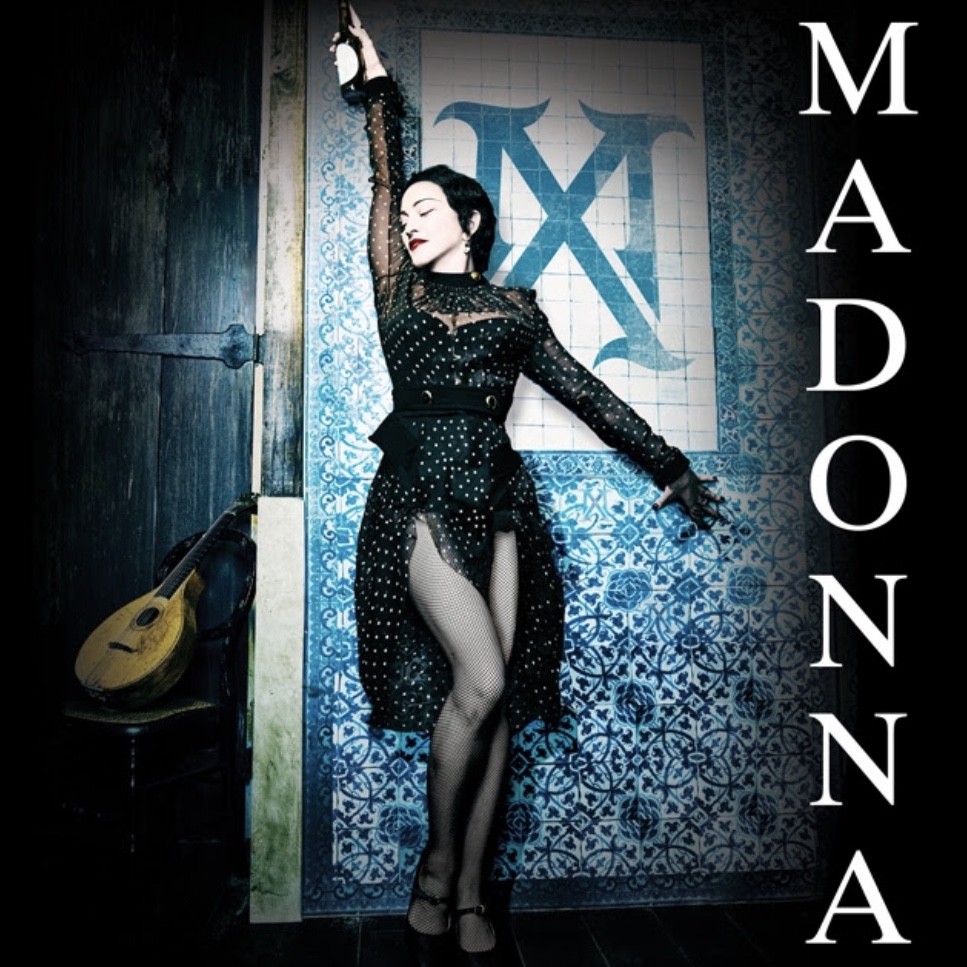
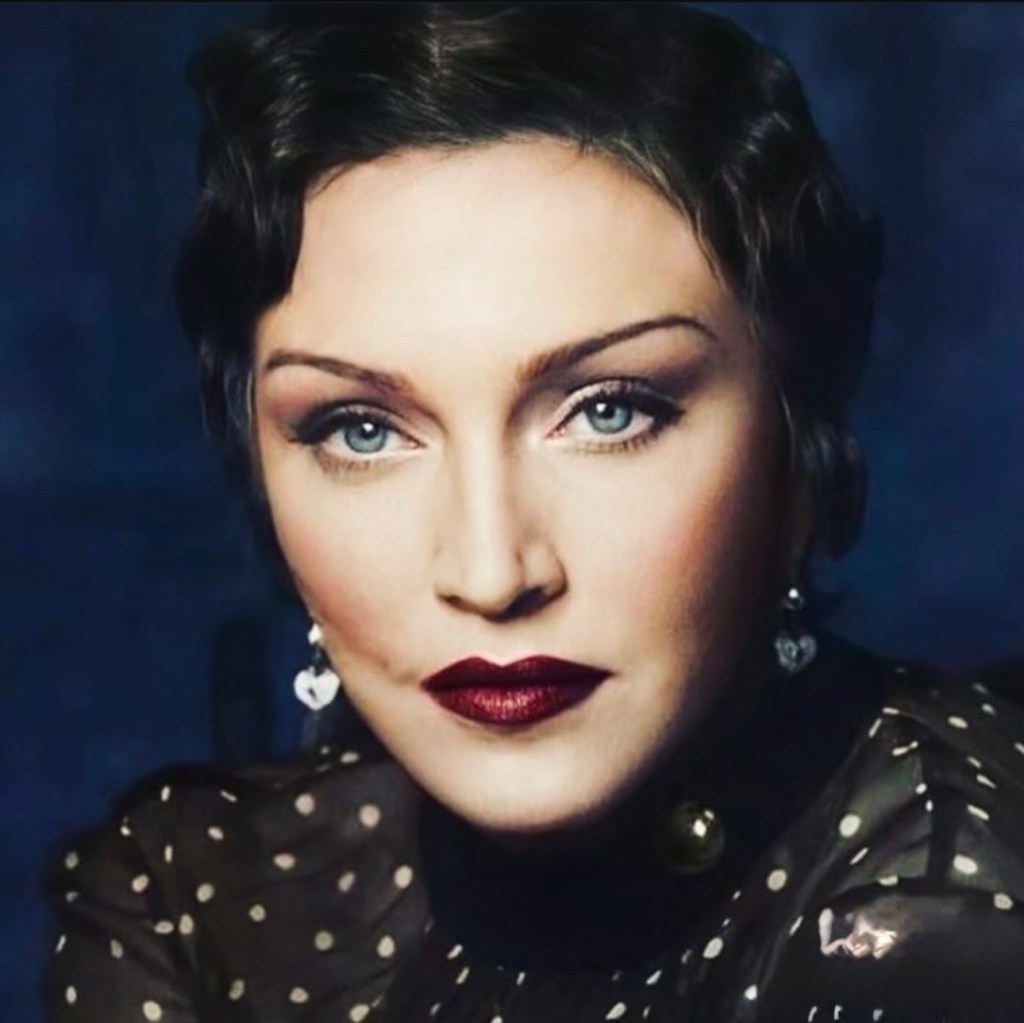
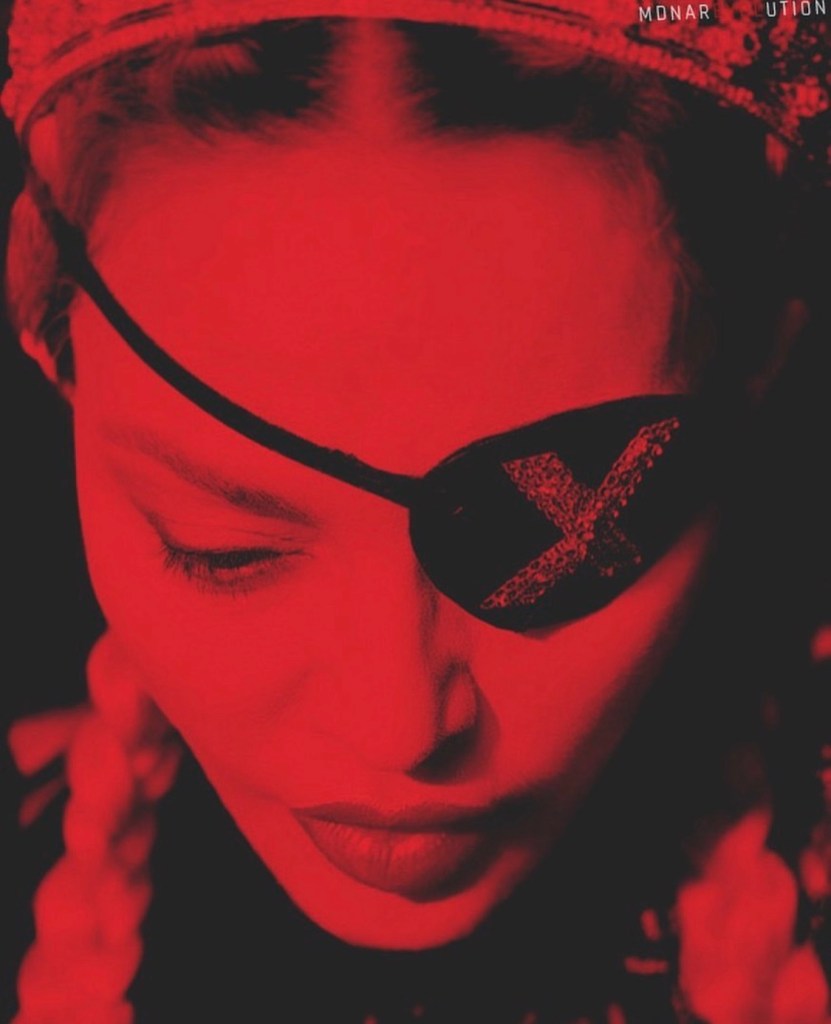
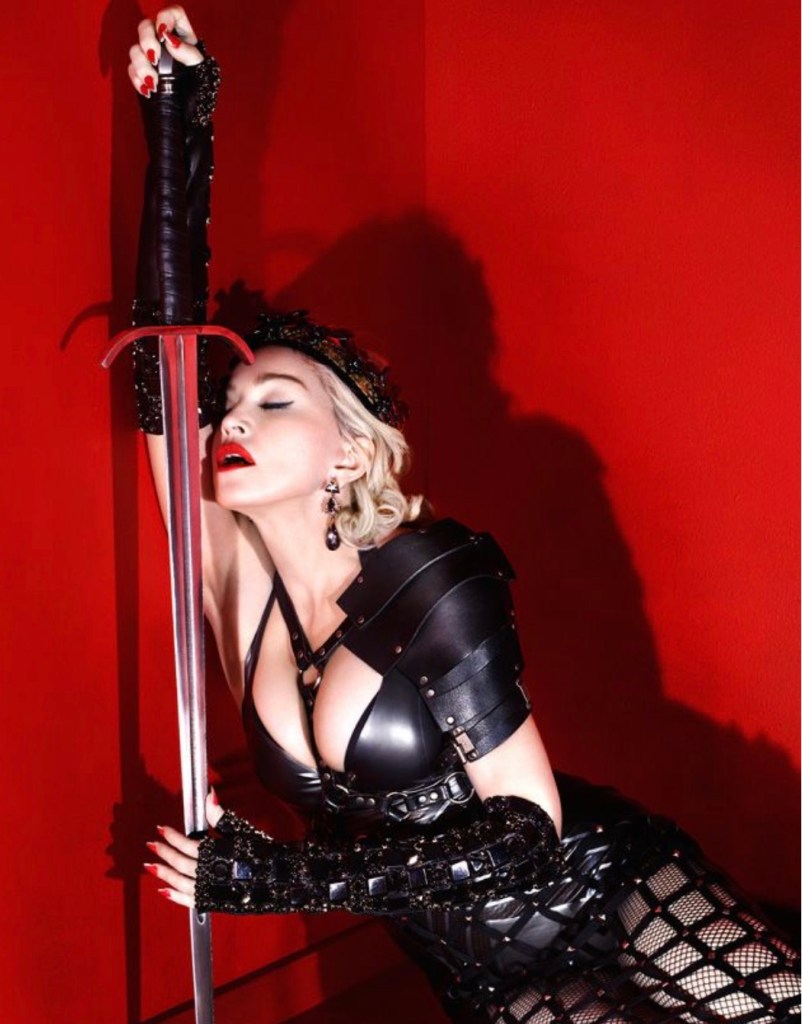
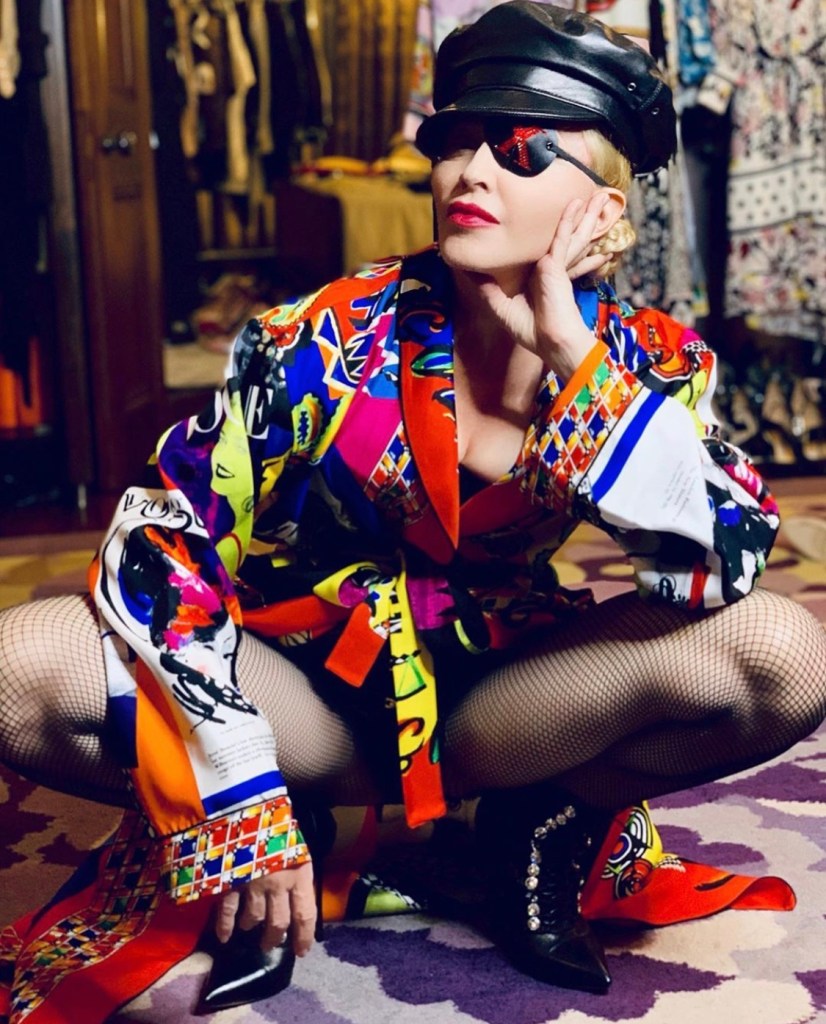
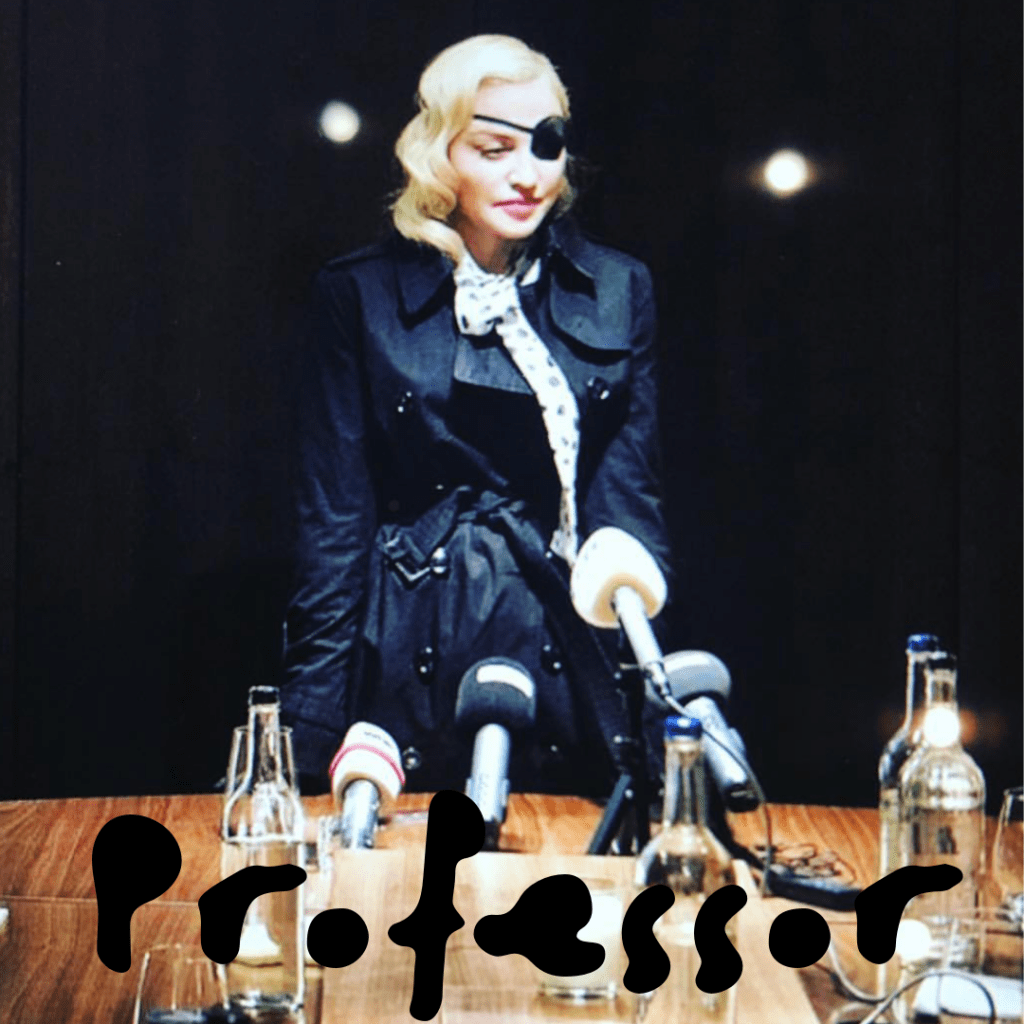
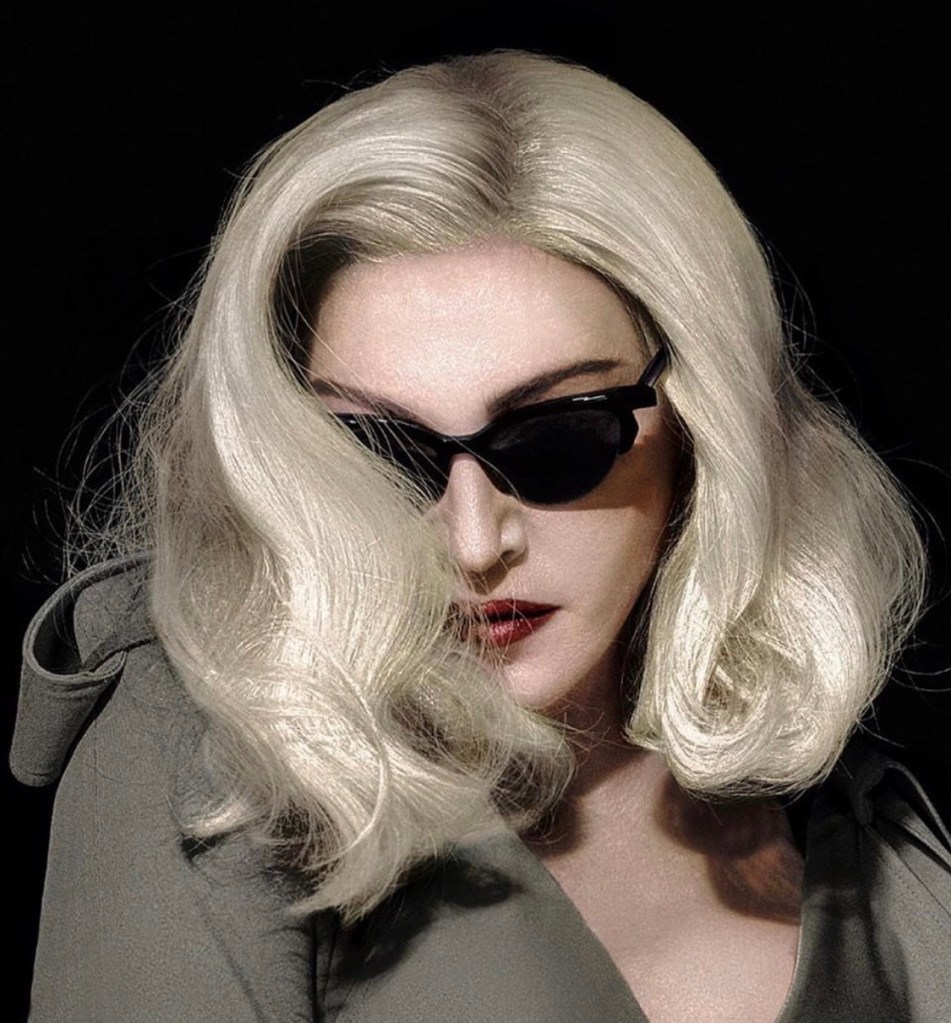
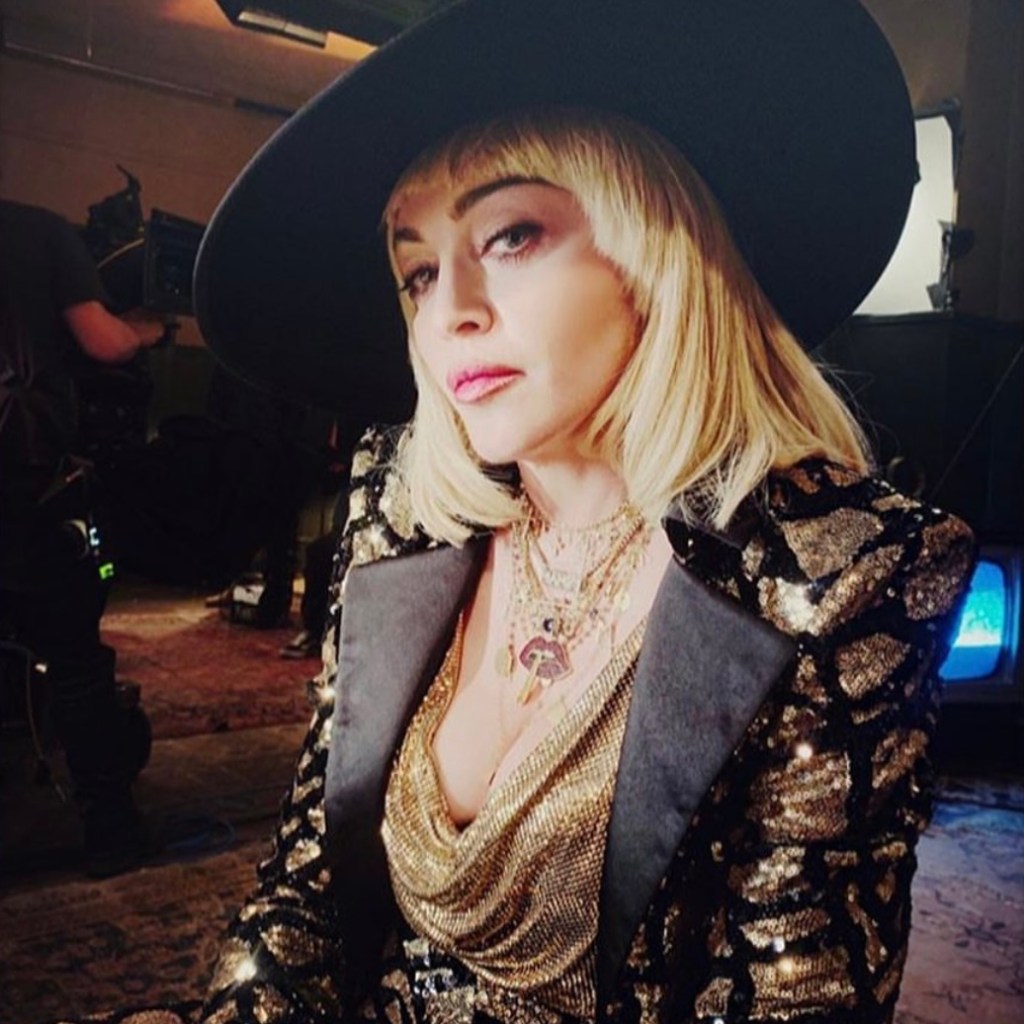
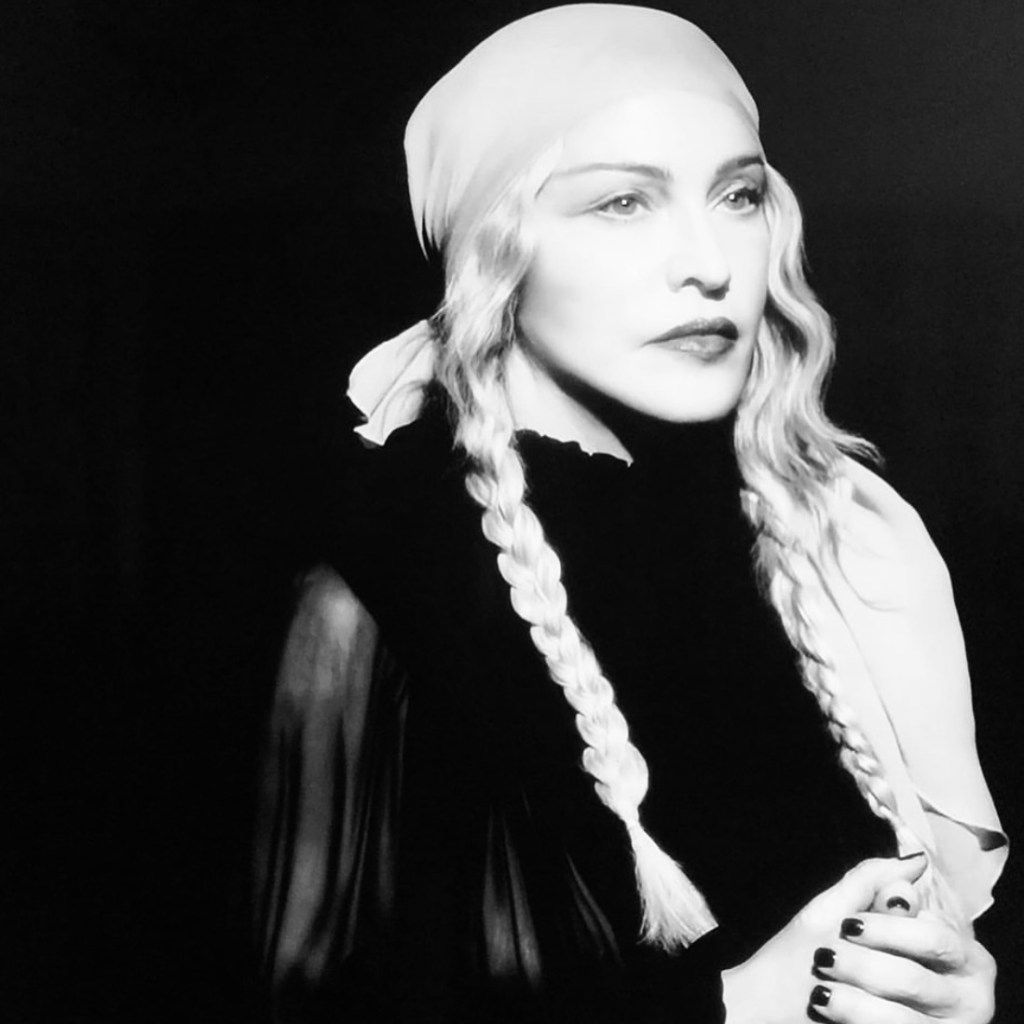
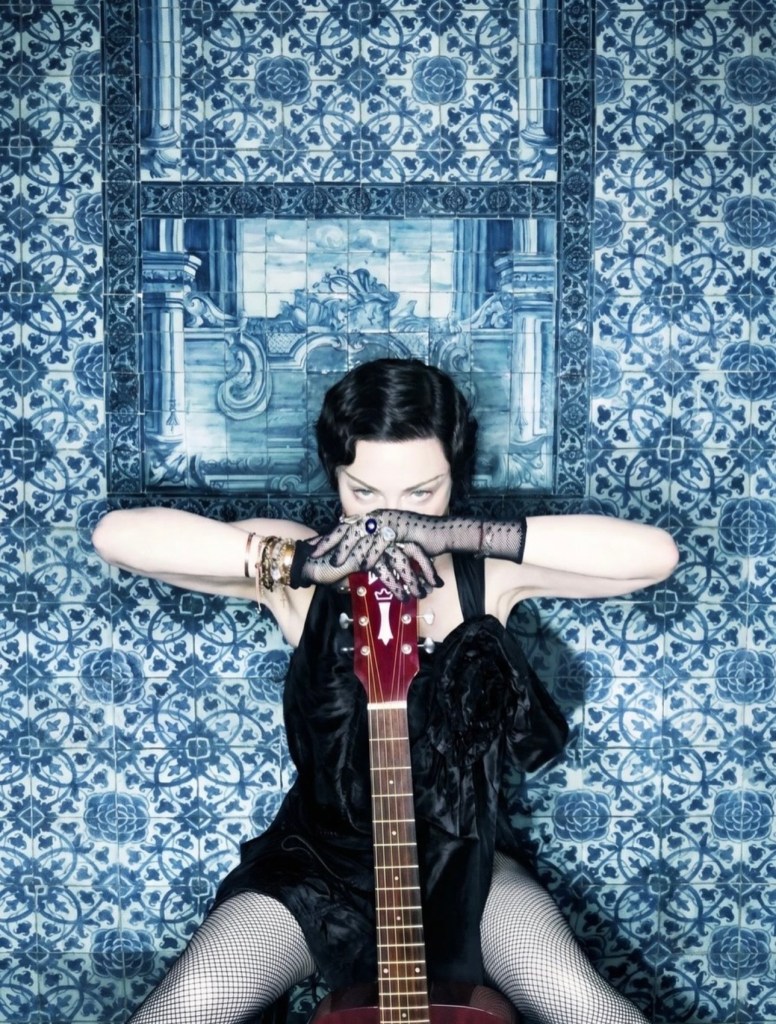
The wider campaign used eyepatches, veils, uniforms, religious imagery, Latin and Portuguese references, dramatic typography and filmic lighting. Madame X was not a single look but a wardrobe of identities. The visuals helped make the album feel less like a standard pop release and more like a dossier: part character study, part political theatre, part spy novel written on the dance floor.

Reception
Madame X received generally favourable reviews, though it was also one of Madonna’s more divisive later albums. Many critics praised its ambition, political charge and willingness to experiment, while others found its shifts in tone, heavy vocal processing and broad thematic reach uneven.
Among fans, the album continues to provoke strong reactions. For some, it is a bold late-career work that rewards deeper listening. For others, it remains challenging, overworked or too theatrical. That divide is central to its afterlife. Madame Xis not a passive album. It asks to be argued with.
Commercially, the album debuted strongly and reinforced Madonna’s ability to turn a new era into a full visual and performance world. Its theatre tour also shaped how the album was understood, placing the songs in a smaller, more intimate setting than her usual arena spectacle.
Legacy
The legacy of Madame X lies in its refusal to behave like a safe legacy-era Madonna album. Rather than returning to a familiar formula, Madonna created one of her most eccentric and conceptually dense projects. It is an album about movement: across countries, languages, identities, wounds and masks.
Its connection to the Madame X Tour is also essential. The theatre setting allowed the album’s songs to exist as scenes, monologues and rituals rather than just tracks. In retrospect, Madame X stands as a late-career pivot: difficult, theatrical, political and unusually self-conscious. It may never be the easiest Madonna album, but it remains one of the most revealing.
Related Pages
 MLVC
MLVC 