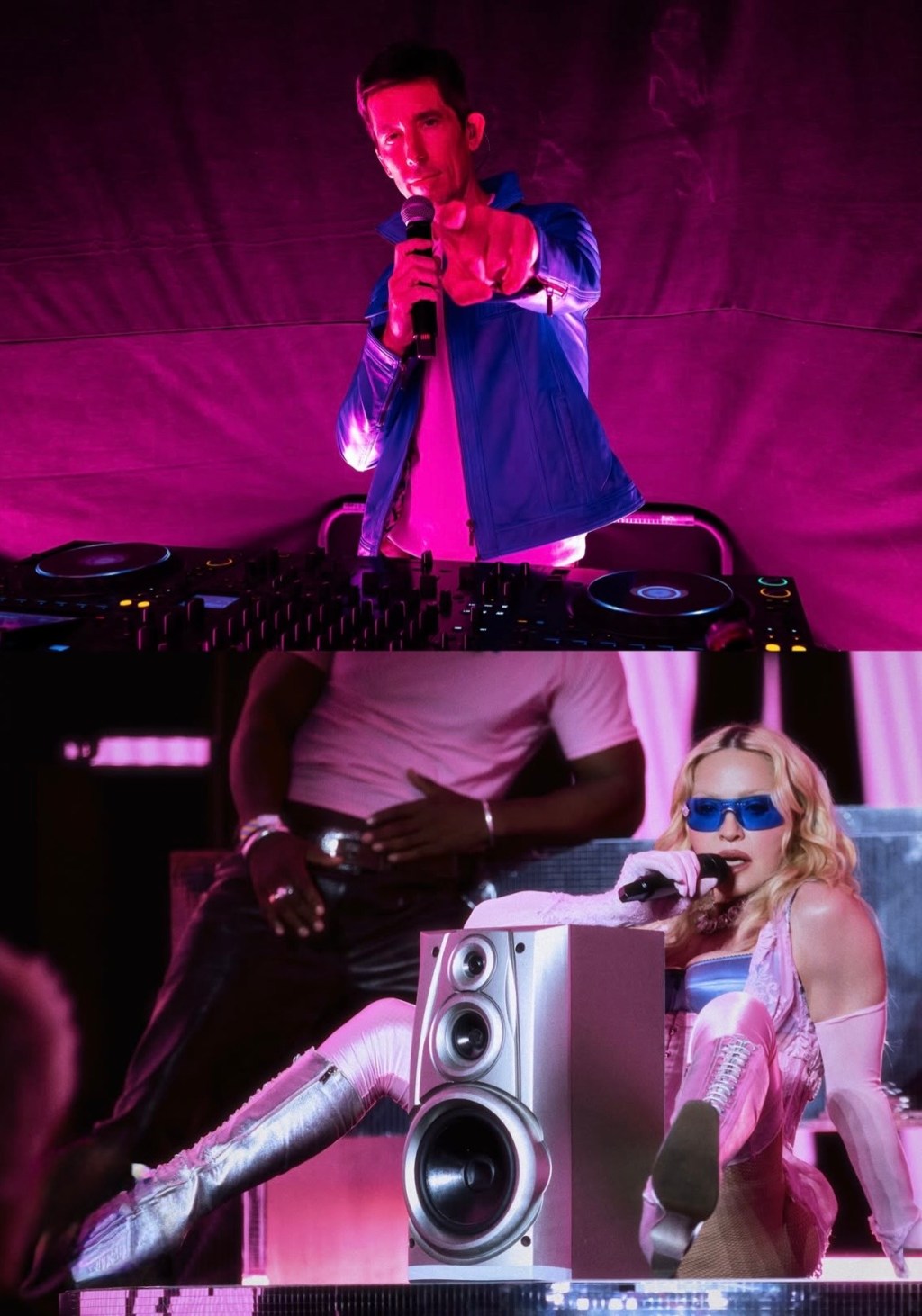
Legend has it that Madonna arrived in New York City with very little money, a suitcase full of nerve, and the sort of ambition that could probably have powered a few city blocks by itself. In 1978, she left Michigan for New York, later describing the move as the bravest thing she had ever done, arriving with just $35 in her pocket.
Nearly five decades later, she returned not as the unknown girl chasing the city, but as the woman who had already bent it into part of her mythology.
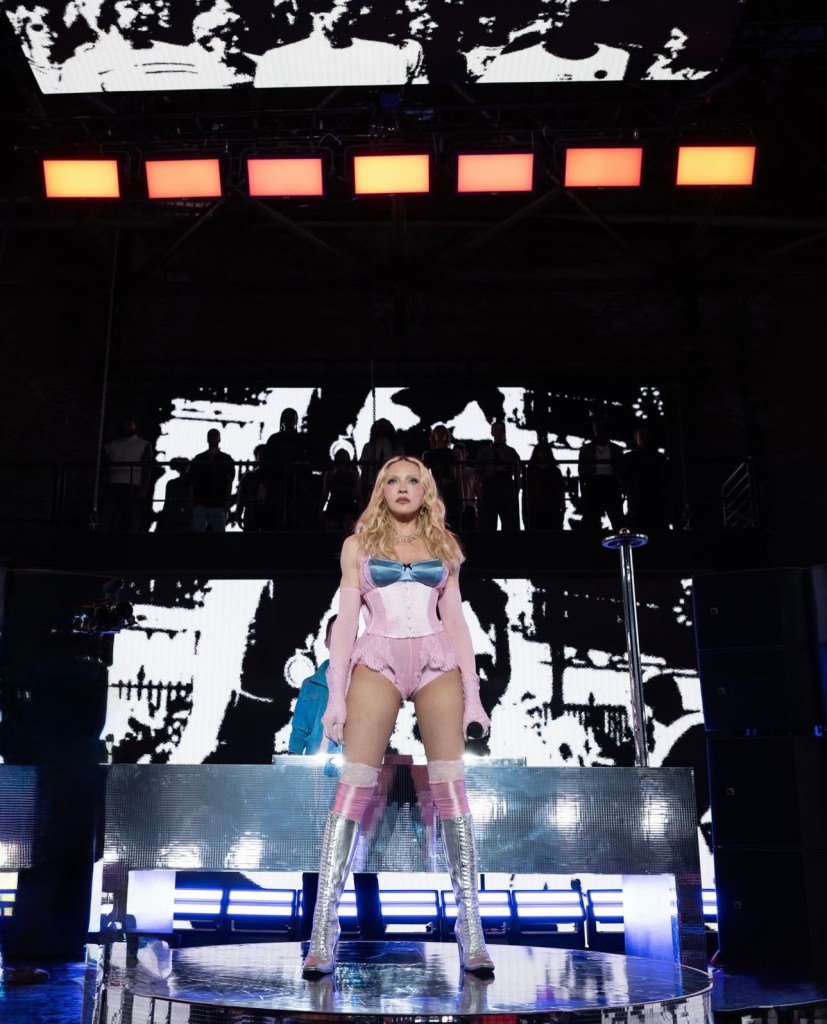
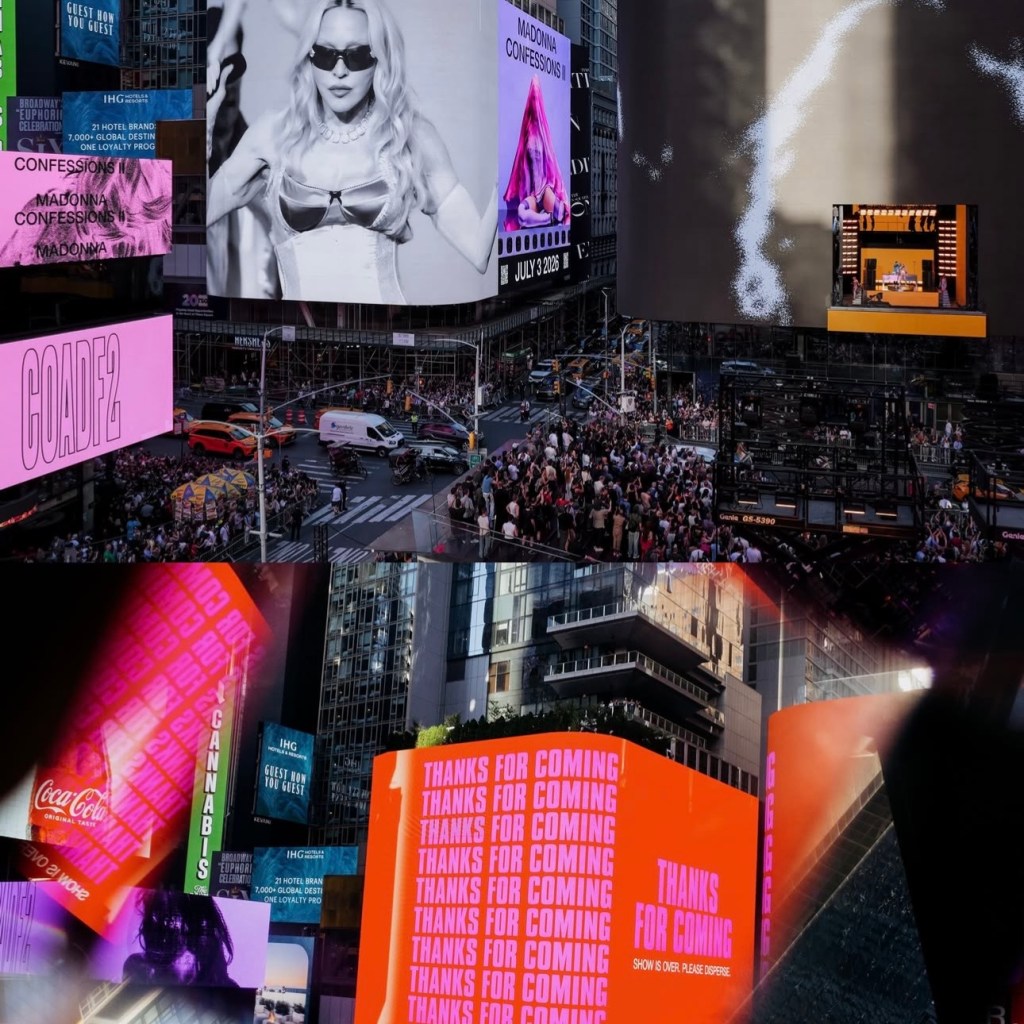
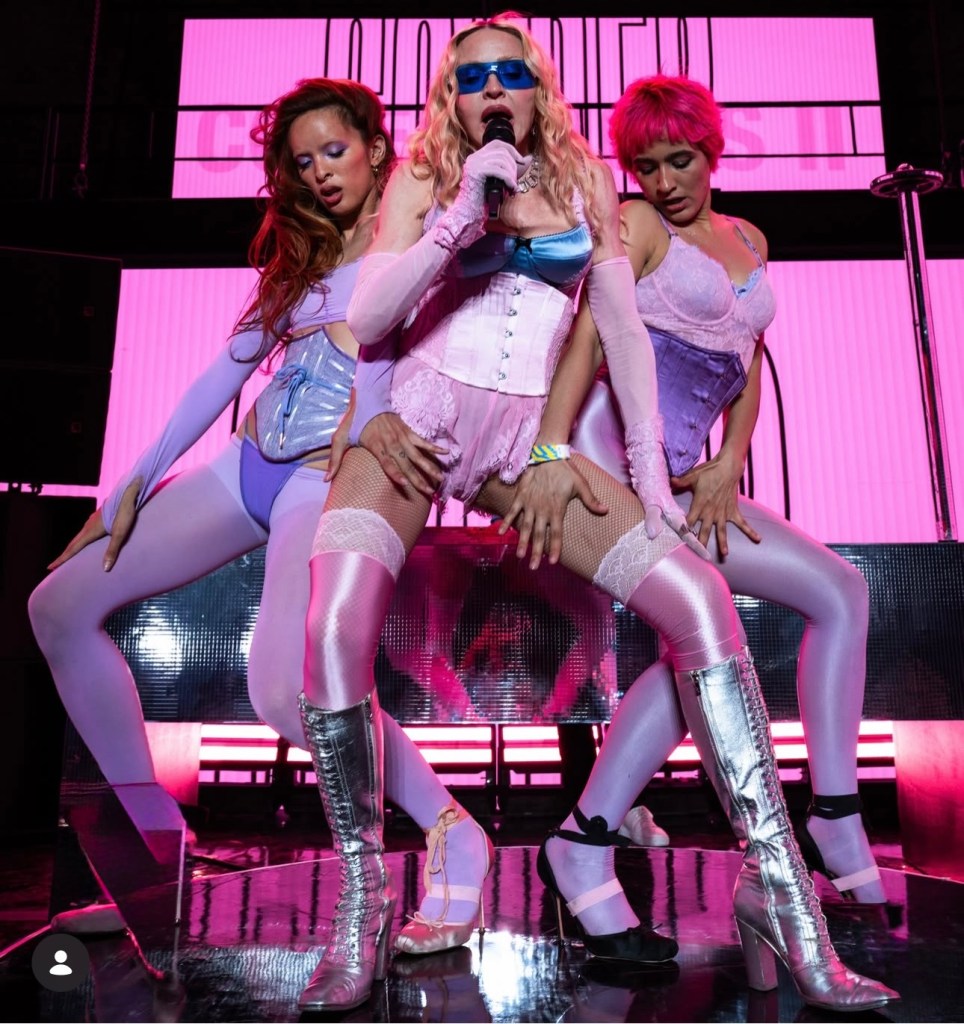
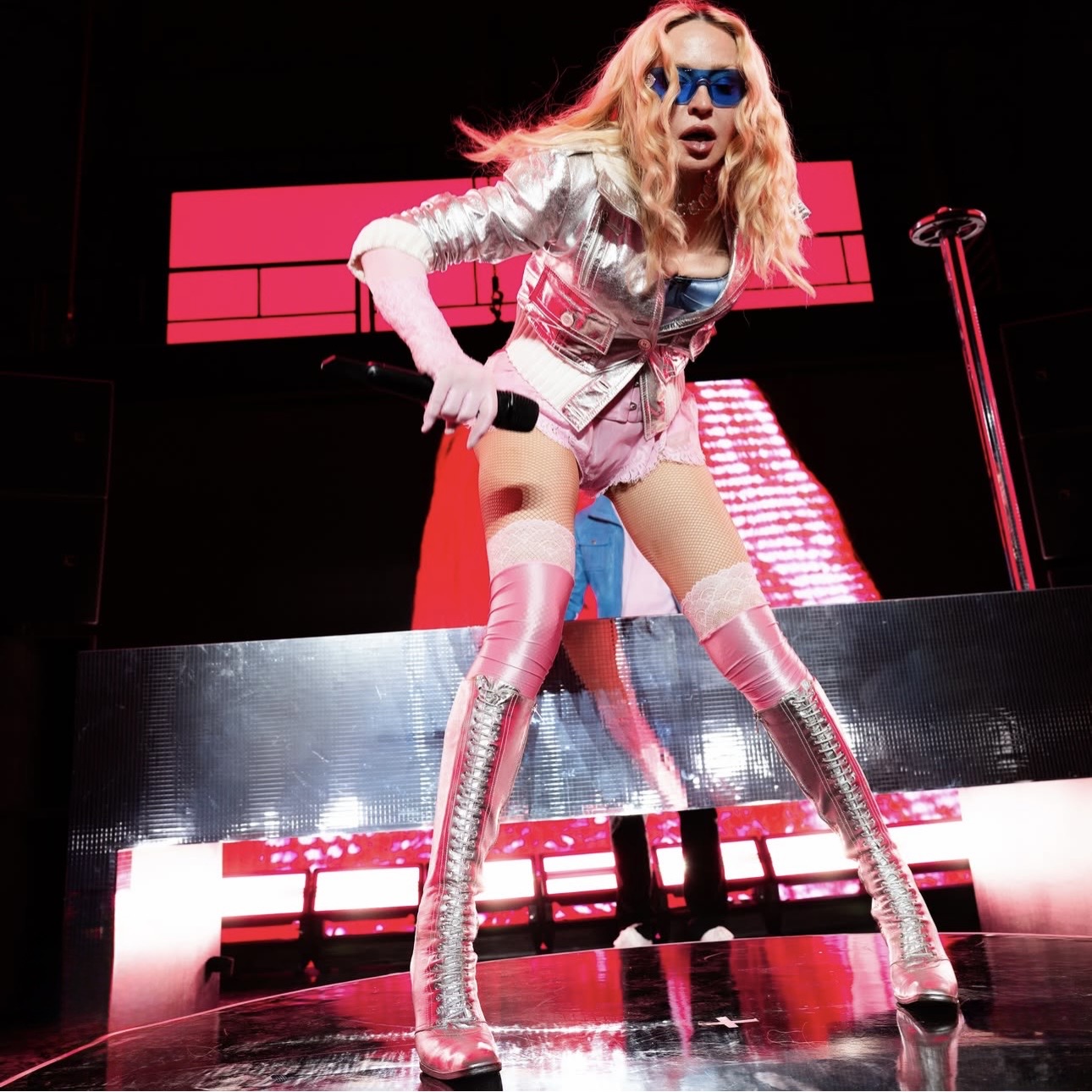
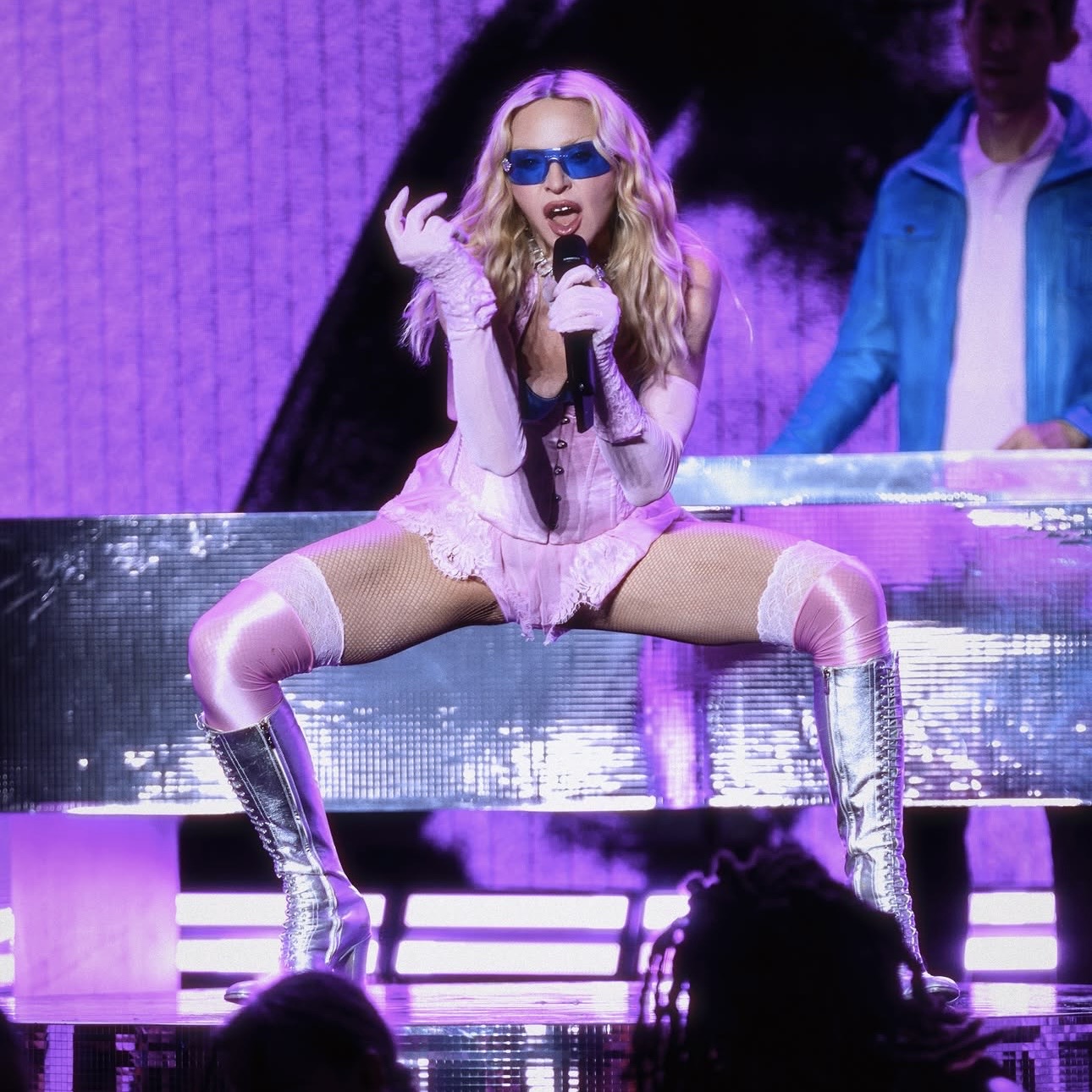
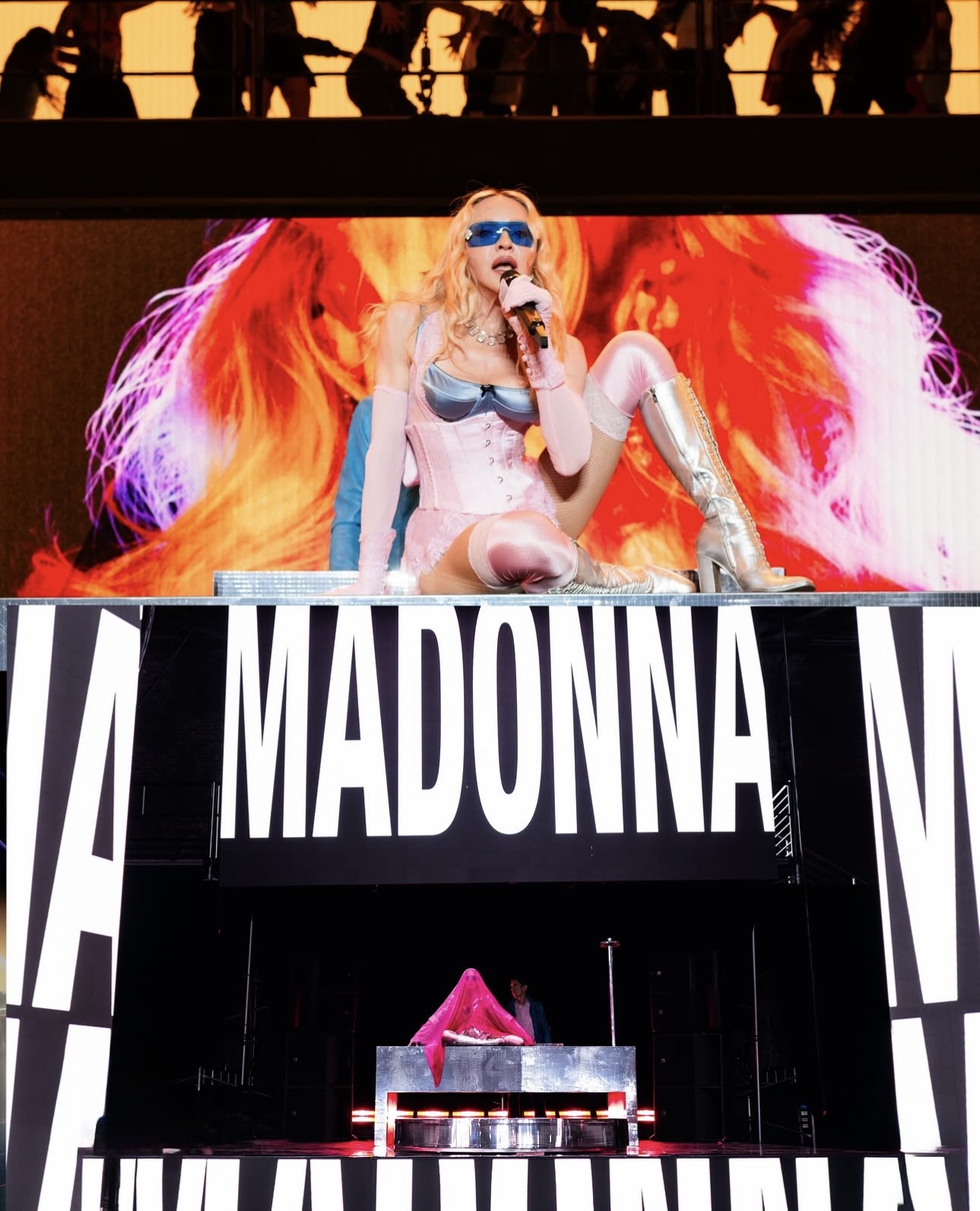
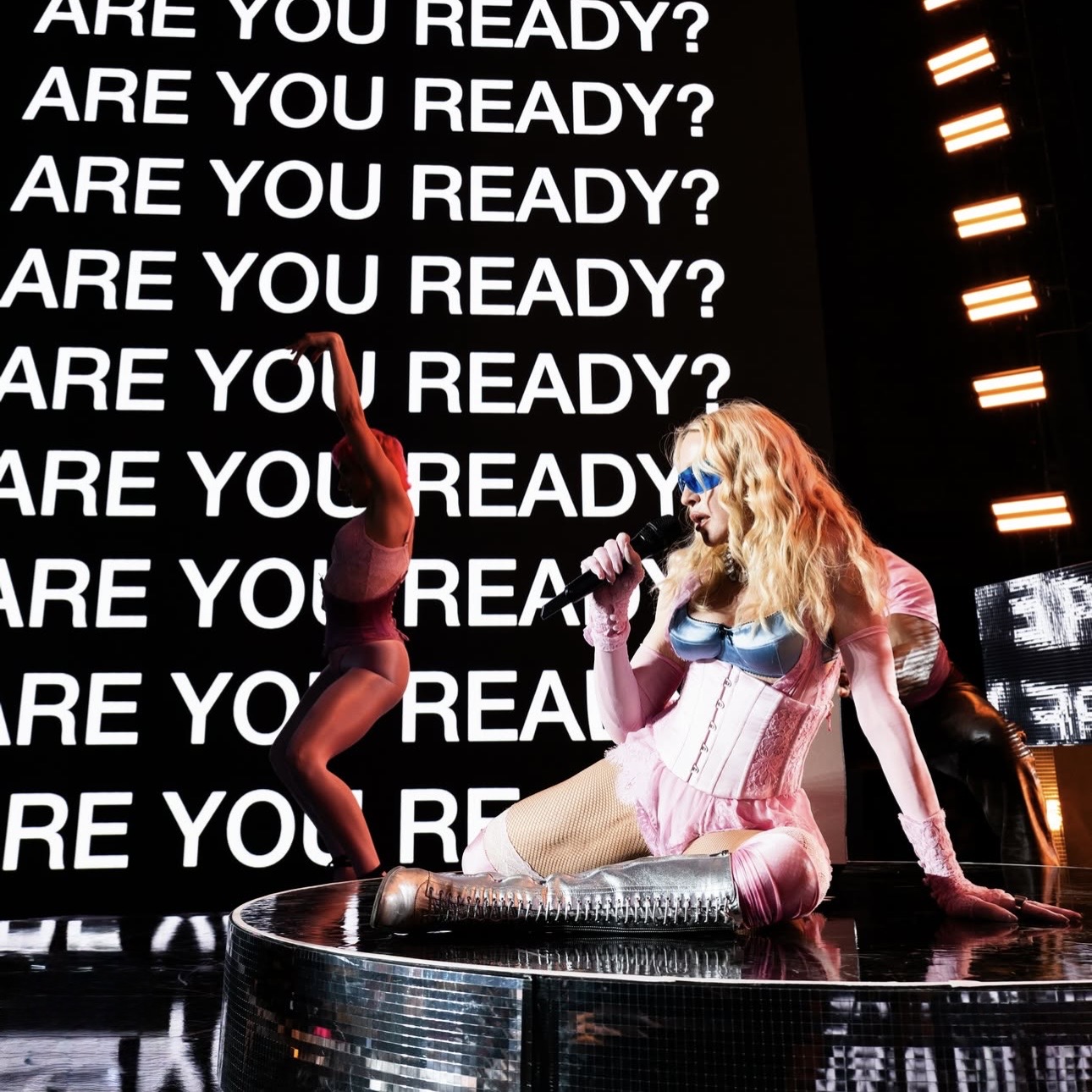
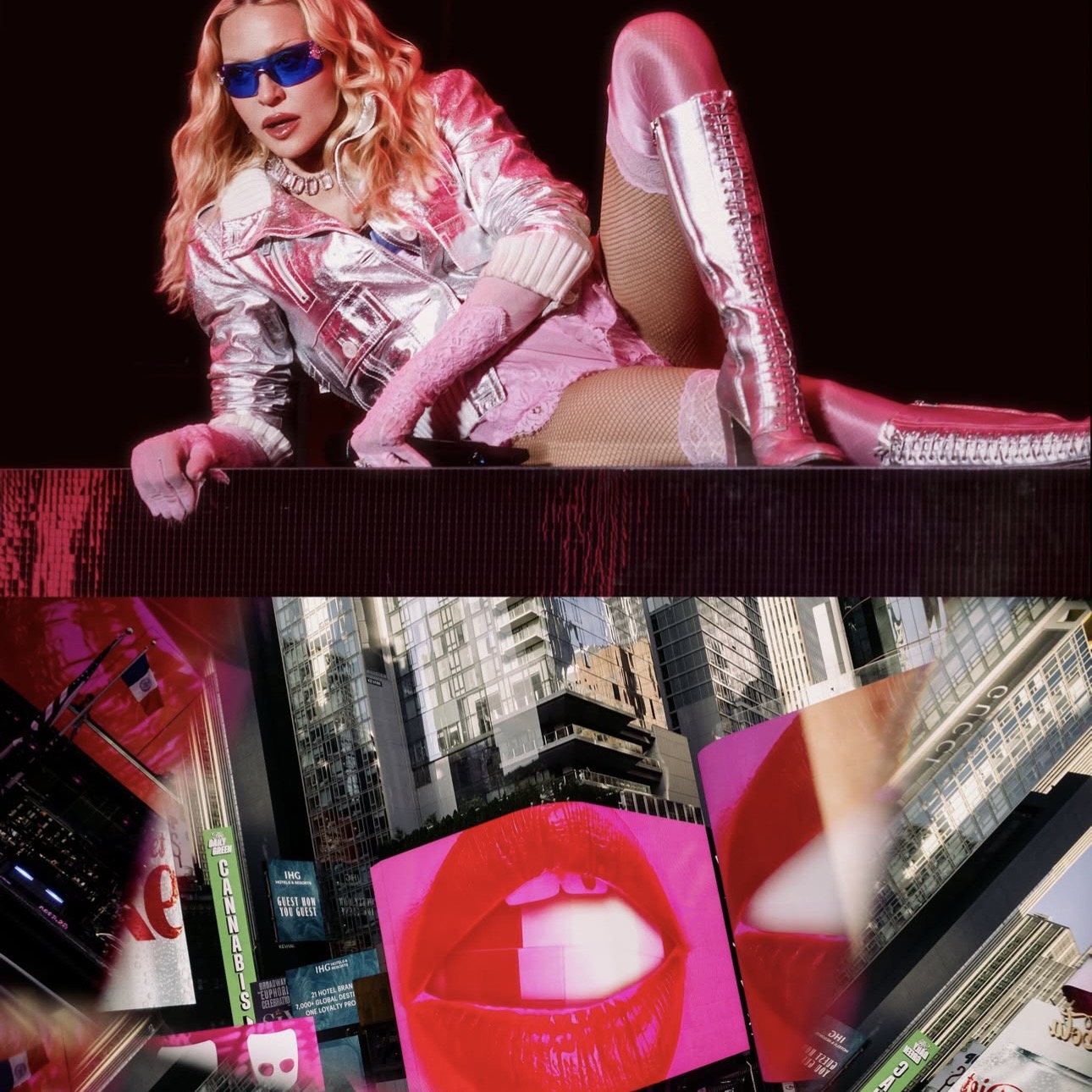
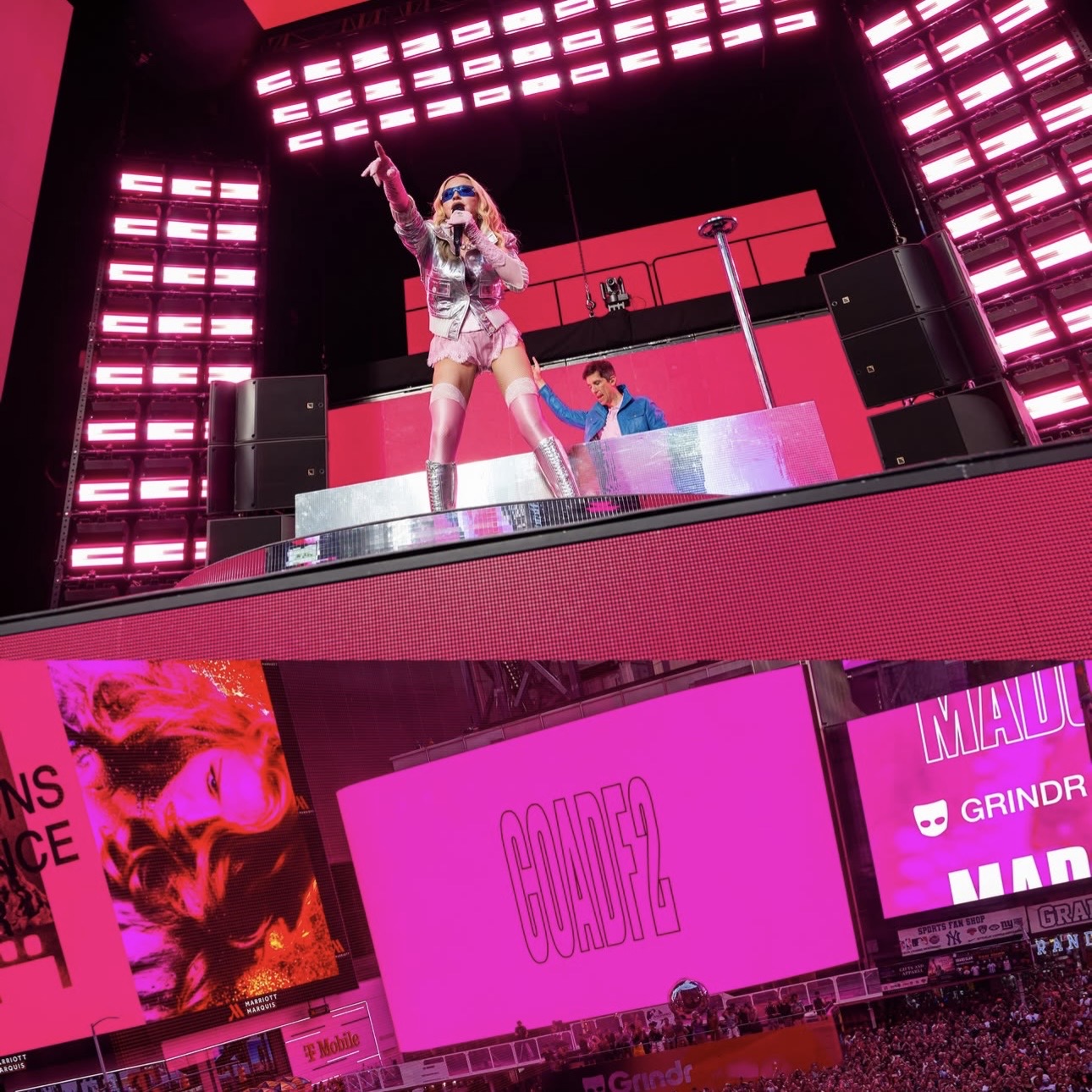
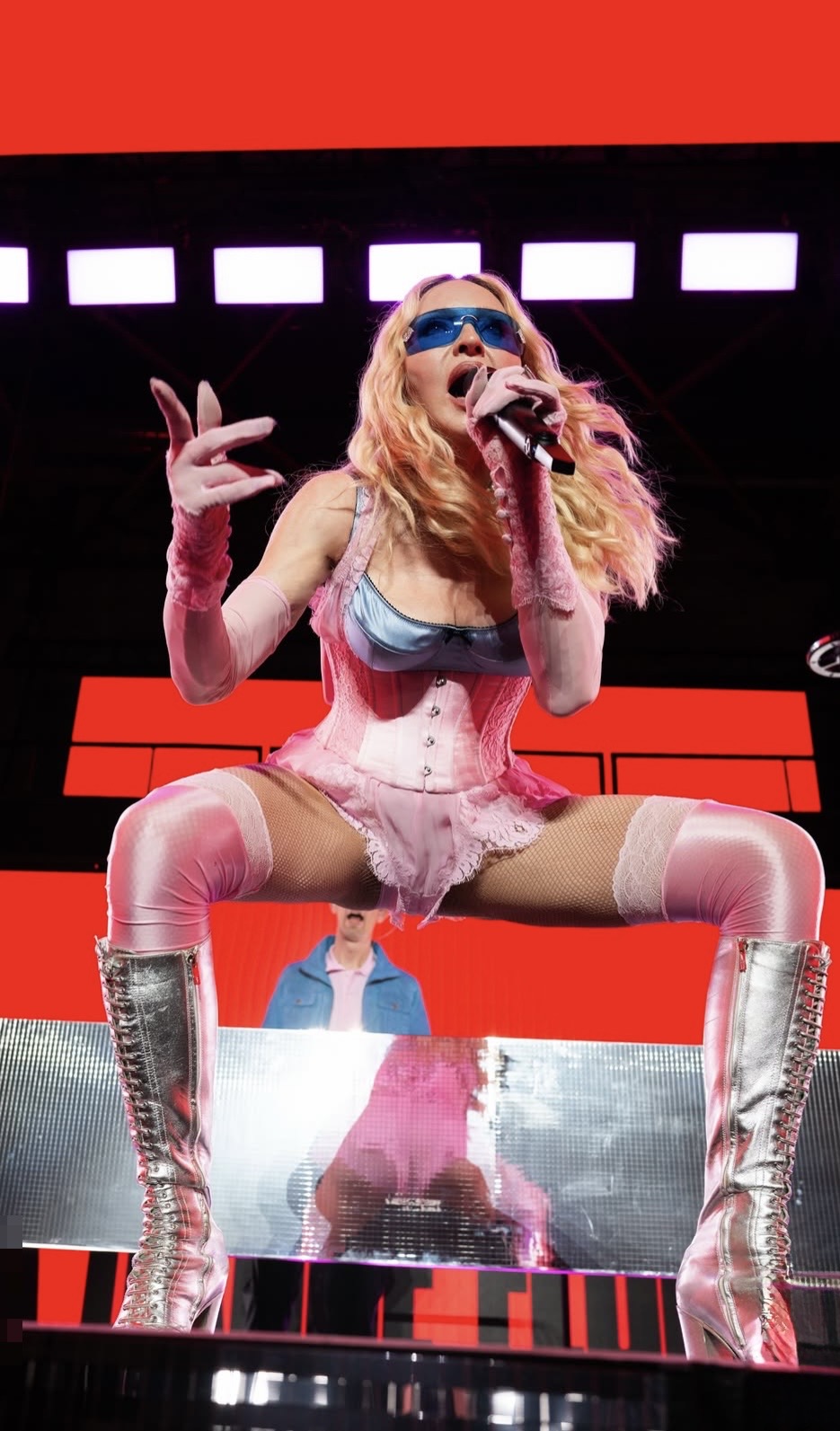
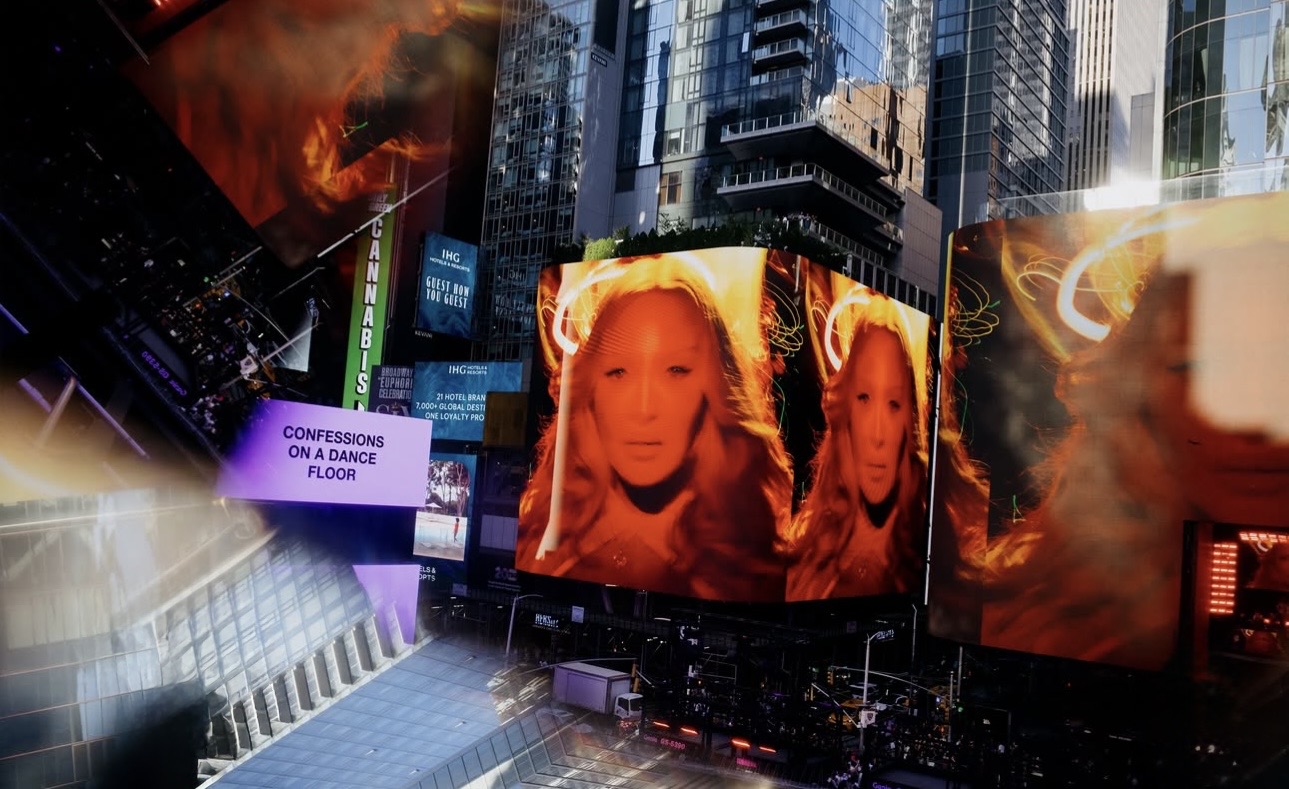
On Thursday evening, 4 June 2026, Madonna took over Times Square for a surprise Pride Month performance in partnership with Grindr, transforming one of New York’s loudest commercial spaces into a temporary nightclub, altar and declaration. The short pop-up concert promoted her forthcoming album Confessions II, due for release on 3 July, while also reconnecting her with the dance floor, queer culture and the city that first sharpened her instincts.
There is something deliciously full-circle about the location. Times Square is not where Madonna began, exactly, but it belongs to the same origin story: New York as trial, theatre, marketplace and accomplice. The city that once forced her to fight for space now had to make space for her. Traffic, tourists, screens, dancers, Grindr alerts, Pride energy, old songs and new confessions all collided in the neon churn.
The set reportedly moved between Confessions on a Dance Floor and Confessions II, with classics including Hung Up, Get Together and I Love New York sitting alongside new material such as I Feel So Free, Bring Your Love and Love Sensation. It was not just a preview of an album. It was Madonna reactivating a language she helped define: dance music as escape, sex, survival, congregation and control.
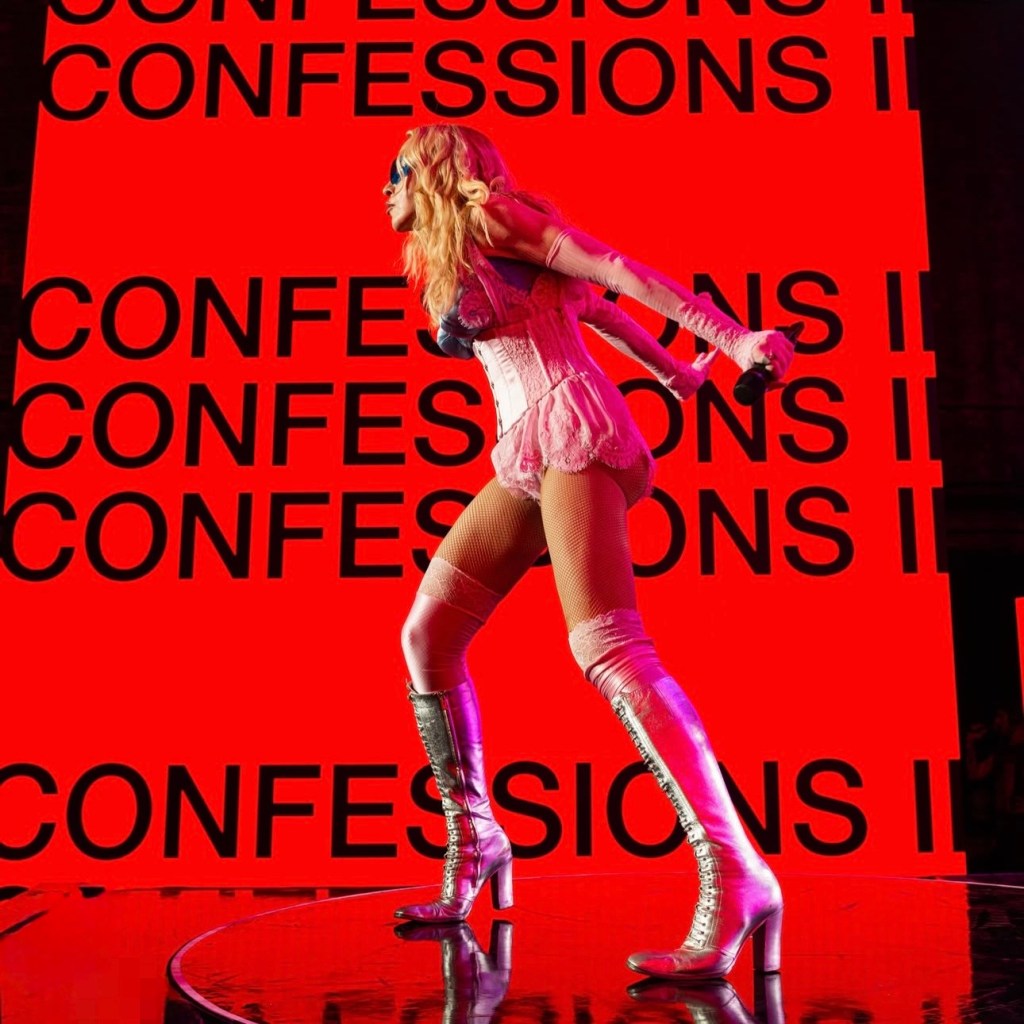
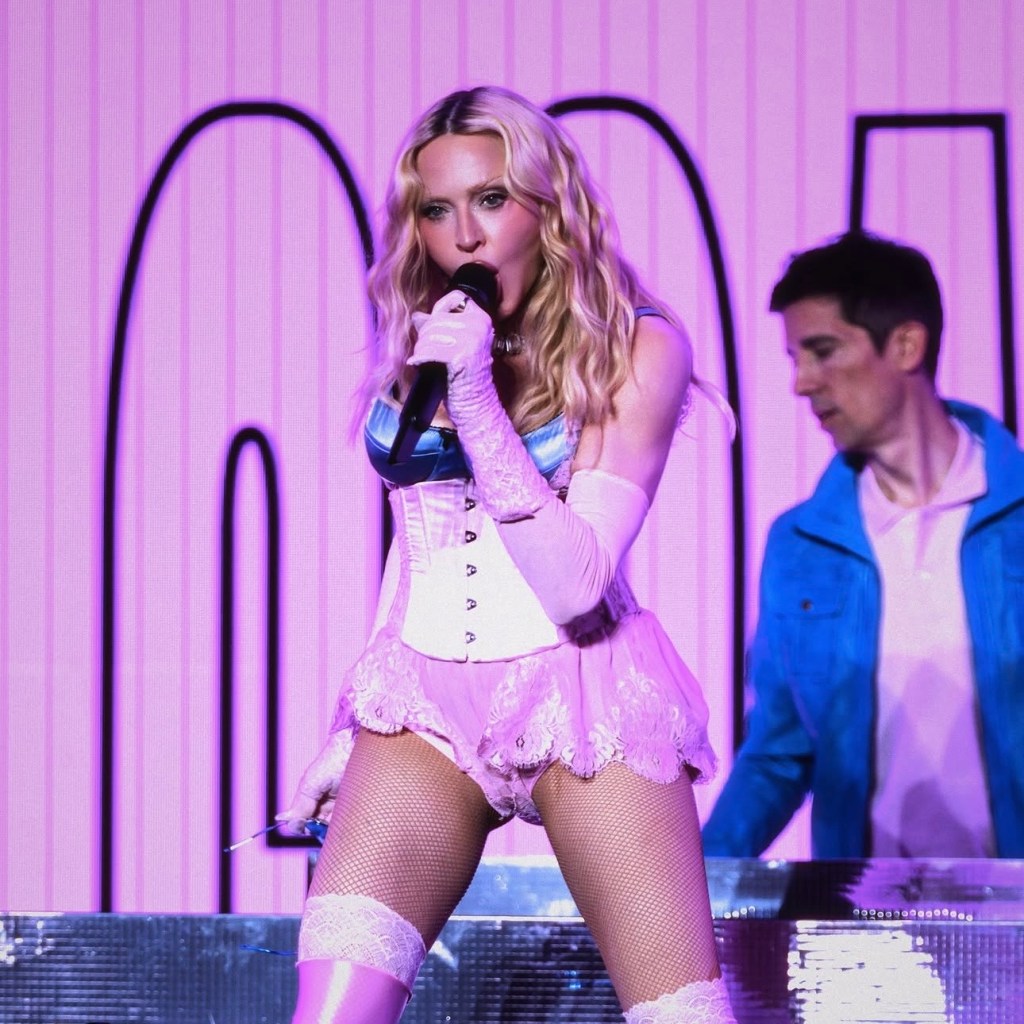
The phrase almost writes itself: Madonna returned to the scene of the crime. Not because there is anything criminal about it, of course, unless we are counting the decades of cultural disruption, Catholic baiting, pop-world trespass, dance-floor trespass and repeated theft of the spotlight. She came back to the city where the myth began and staged herself as both evidence and verdict.
What made the Times Square performance more than spectacle was its queer framing. The event was tied to Pride Month and included visuals honouring figures such as Marsha P. Johnson, Keith Haring and Robert Mapplethorpe. That matters. Madonna was not simply using Pride as colour wash. She was placing Confessions II inside a lineage of queer creativity, resistance, nightlife and image-making.
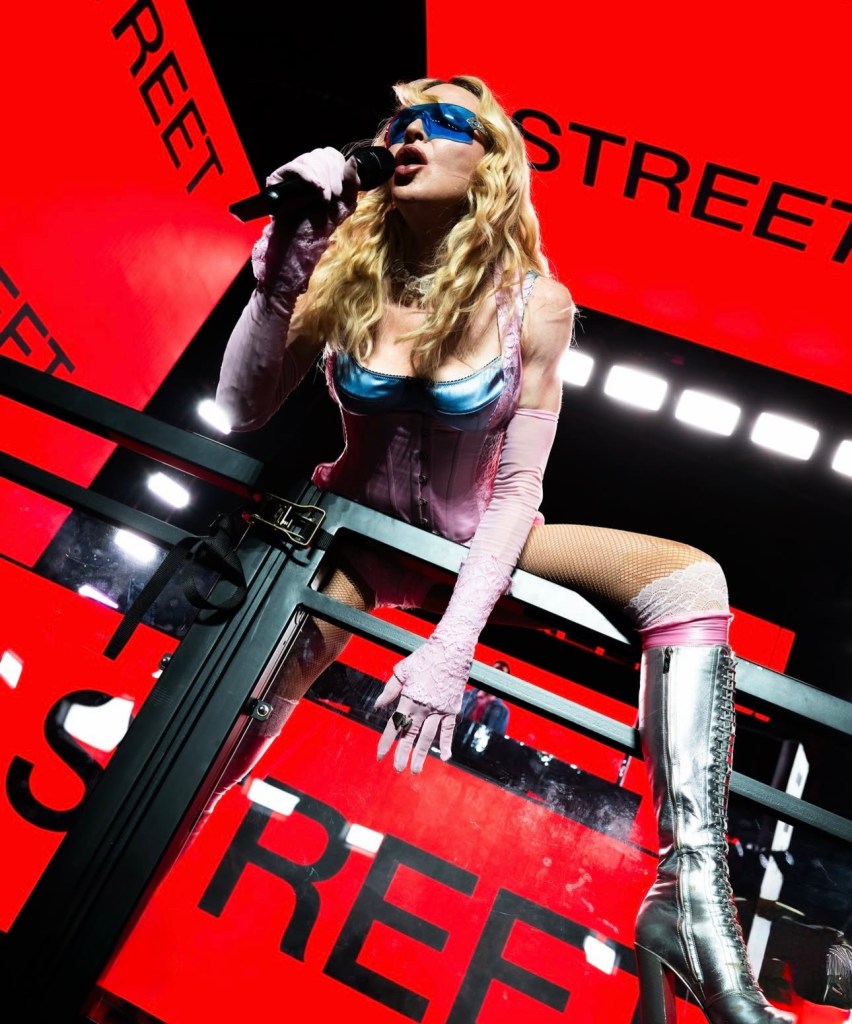
This is where Madonna still understands the assignment. A billboard is never just a billboard. A pop-up is never just a pop-up. Times Square becomes a club. Grindr becomes a broadcast channel. Pride becomes release strategy. The past becomes infrastructure.
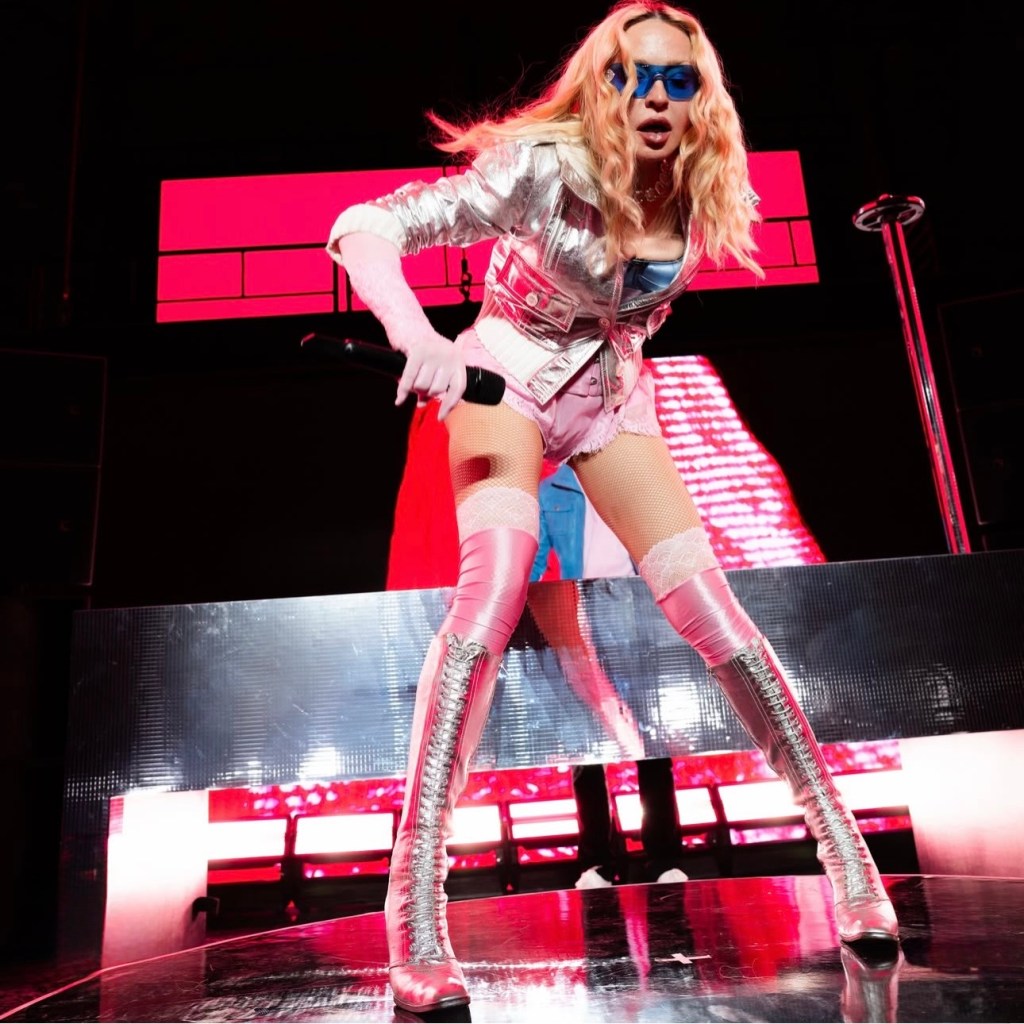
For Confessions II, this was a smart opening move. The album is already positioned as a sequel, but the Times Square performance made clear that Madonna is not merely revisiting 2005. She is pulling that mirrorball language back through 2026: apps, screens, public space, queer networks, instant circulation and live spectacle.
The original Confessions era turned the dance floor into a spiritual machine. This new chapter appears to ask what happens when the dance floor is everywhere: in the street, on the phone, on the billboard, in the feed.
Madonna’s return to New York was never going to be quiet. It was always going to arrive wearing lights, bass, bodies and a raised eyebrow. The girl who came to the city with $35 did not just survive it. She learned its grammar, rewrote the syntax, and came back decades later to conjugate herself in neon.
The scene of the crime? Perhaps. But by now, New York is not the victim. It is the accomplice.
 MLVC
MLVC 
Leave a comment