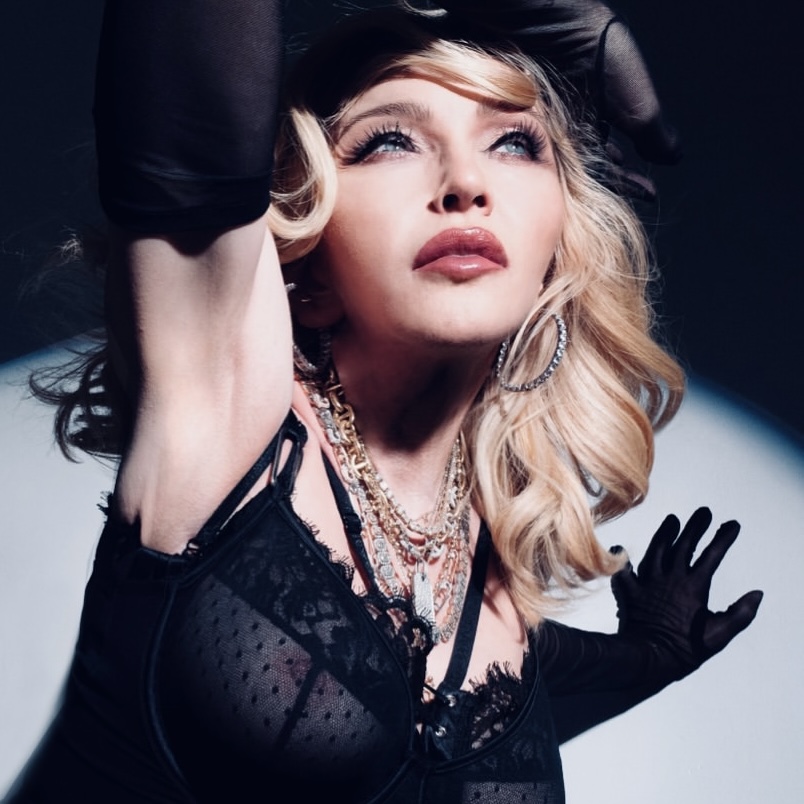
Early reports from the Tribeca premiere suggest that Madonna’s Confessions II film arrived less as a conventional short and more as a full-throttle visual event: a 10-minute-plus collision of club culture, celebrity cameo, surveillance, dancefloor ritual and high Madonna theatre. Formal reviews remain thin on the ground, but the first coverage points to a work designed for impact, not modesty.
The wider verdict will likely sharpen once the film reaches YouTube on 8 June 2026 at 11 AM, ET.
Madonna’s Confessions II campaign has moved from the street to the cinema. After turning New York into a pop stage with her surprise Times Square appearance, Madonna brought the world premiere of Confessions II – The Film to the 2026 Tribeca Festival, presenting the visual work at the Beacon Theatre as part of a special screening and conversation. At this stage, the response is less a settled critical verdict than an early reading of impact.
What we know is that Confessions II – The Film is not being positioned as a conventional music video. It is a cinematic presentation built around the first six tracks of the forthcoming album, including “I Feel So Free” and “Bring Your Love” with Sabrina Carpenter. Directed by David Toro and Solomon Chase of TORSO, the film has been described as a single, continuous visual piece that gives physical shape to the music.
That matters. Madonna has rarely treated visuals as decoration. From Like a Prayer to Vogue, from Erotica to Frozen, from Music to Hung Up, the image has always been part of the argument. With Confessions II, the visual world appears to arrive before the album itself, acting almost like a portal: a first walk through the architecture of the record before the full building opens. Early reports from the Tribeca premiere suggest something deliberately excessive, theatrical and fan-charged.
The Hollywood Reporter described a room full of devoted fans and a film loaded with surreal pop imagery, including pursuit, nightclub atmosphere, stylised bodies, celebrity cameos and the kind of high-camp visual provocation Madonna has long known how to weaponise. Julia Garner and Benedict Cumberbatch reportedly appear, giving the short film an additional layer of celebrity theatre and cinematic oddity.
The strongest initial reading, then, is this: Confessions II – The Film seems designed less to explain the album than to set its temperature. It appears to live in the familiar Madonna territory between control and surrender, visibility and disappearance, desire and surveillance. The dancefloor is not just a setting. It becomes a system: a place where bodies are watched, transformed, pursued and released.
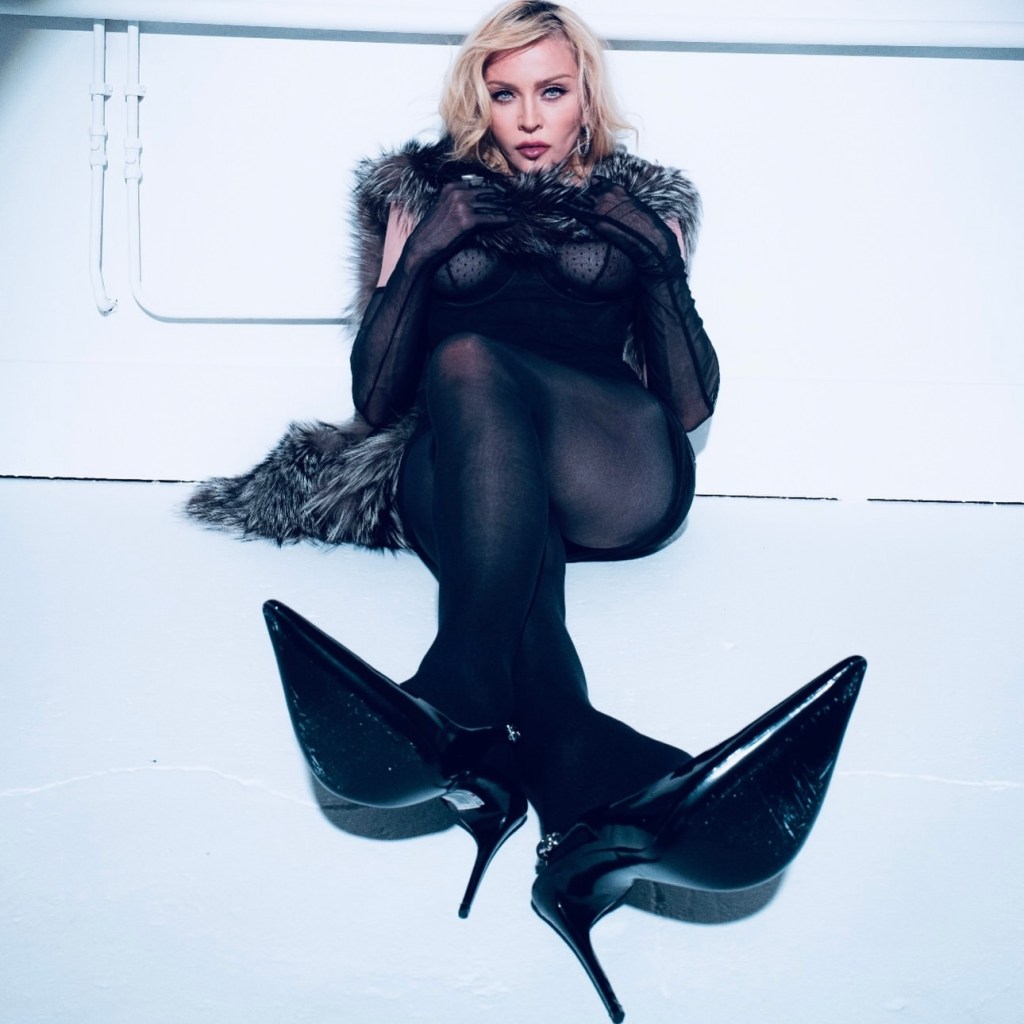
That makes the Tribeca premiere feel like a strategic move rather than a decorative extra. Madonna is not simply releasing songs and waiting for the world to respond. She is curating the entrance. First came the hints, then the singles, then the New York interventions, then the festival screening. The album is being staged as an event with chapters, locations and visual codes.
Still, caution is needed. There are not yet enough formal reviews to call this a critical triumph, nor enough public access to call it divisive in any meaningful way. The early coverage points to spectacle, scale and reaction, but the wider judgement will form once the film is available beyond the room.
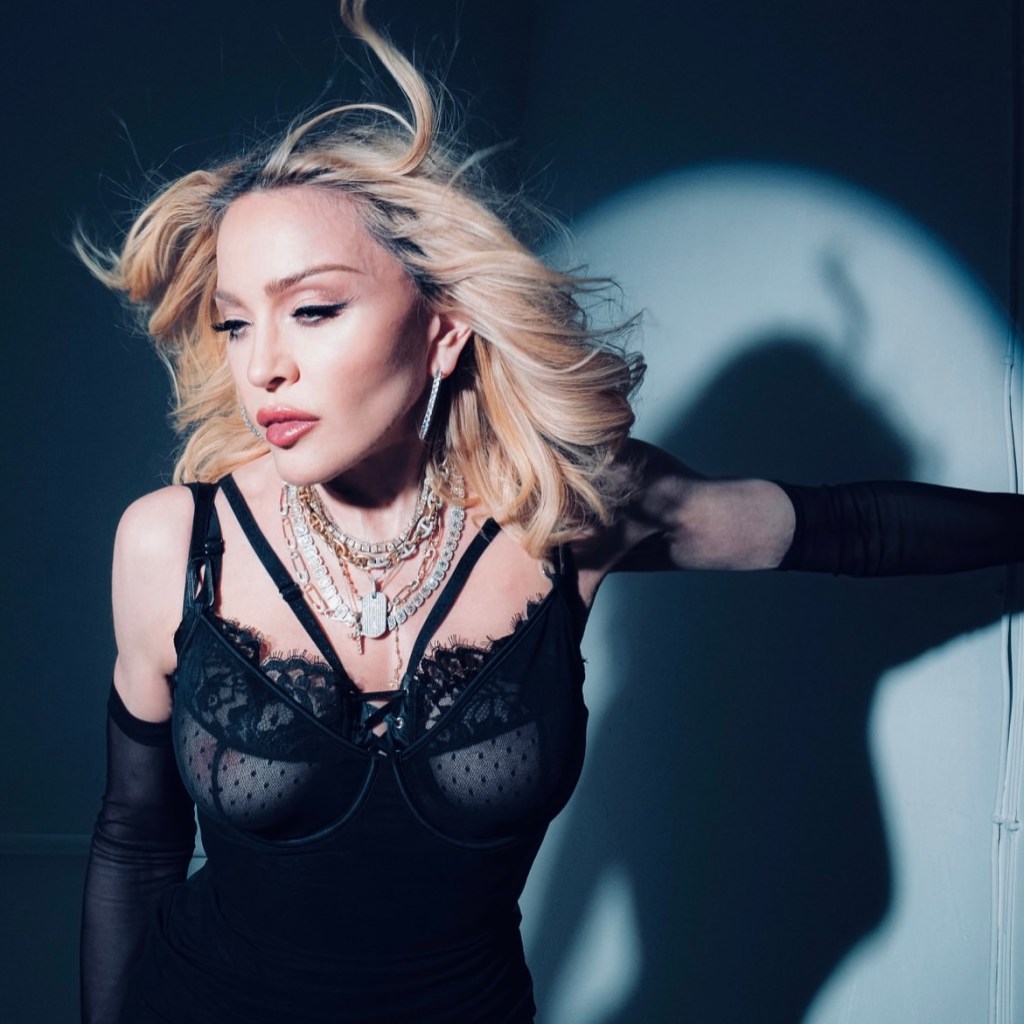
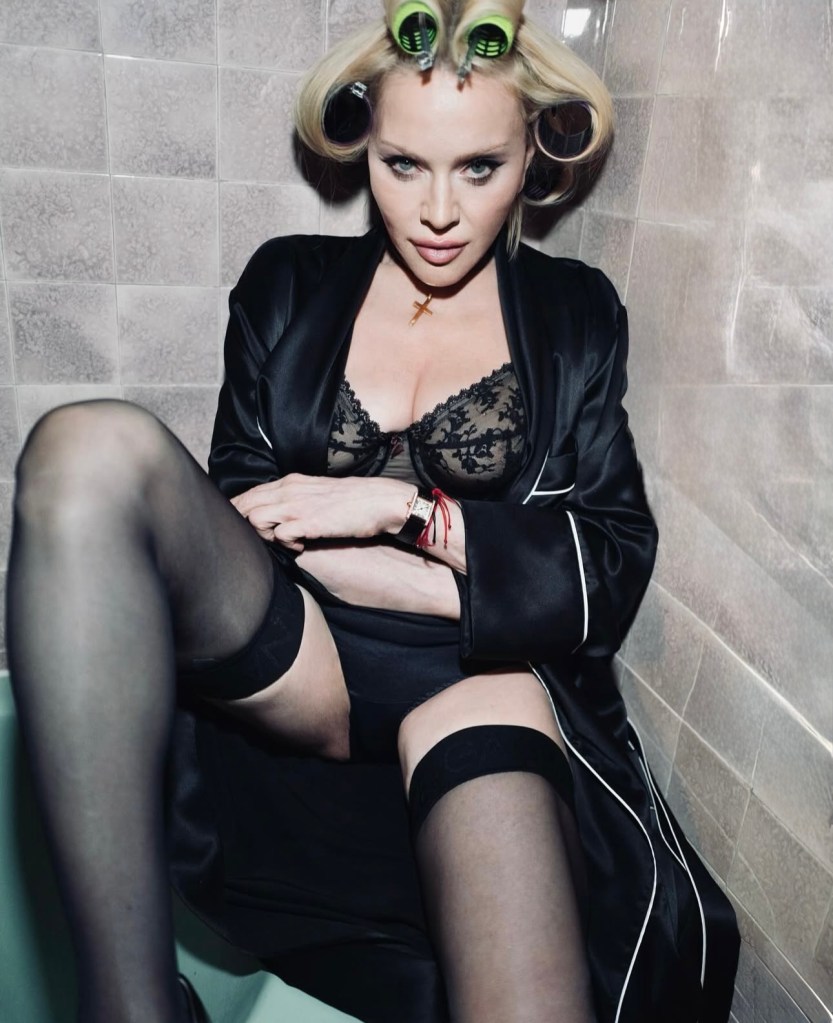
Its YouTube release should give fans, critics and casual viewers the chance to decide whether Confessions II – The Film is a dazzling visual manifesto, a chaotic fever dream, or something sitting deliciously between the two. For now, the first verdict is simple: Madonna has made the album campaign feel theatrical again. Not nostalgic, not quiet, not modest. The Tribeca showing suggests Confessions II is arriving as a full visual and cultural proposition, with Madonna once again treating pop not as a product drop, but as an atmosphere to enter.
 MLVC
MLVC 
Leave a comment