
Madonna’s work has often been described in eras. The word is useful enough: it gives shape to time, gathers albums into chapters and helps us understand the visual and musical shifts that have defined her career. But for MLVC, “era” has always felt slightly too fixed, too neatly boxed, too willing to close the door once the next reinvention arrives.
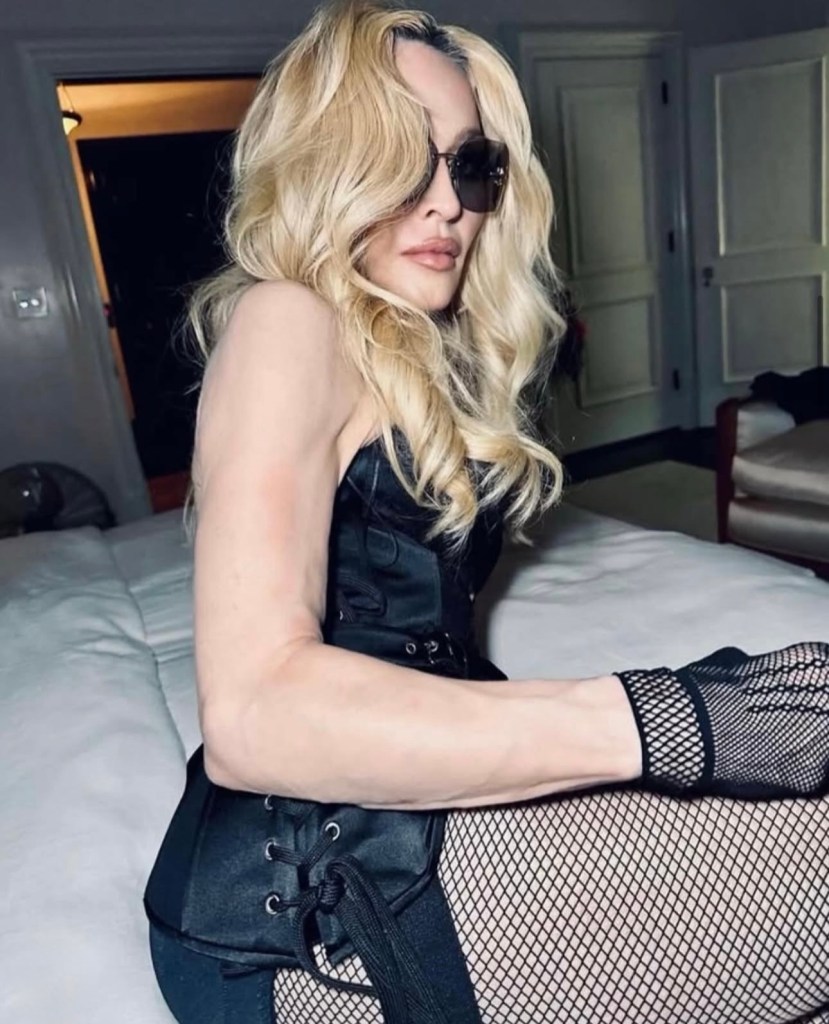
Madonna does not work like that.

Her music, imagery, performances and cultural provocations rarely stay contained within their original moment. They echo forward. They return in altered form. They contradict one another, revise one another and sometimes reappear years later with a different charge. A song can belong to one decade and still speak fluently to another. A tour can reshape how an album is remembered. A video can become a key to understanding a much later performance. The archive is not a row of locked rooms. It is a current.
That is why MLVC uses movements rather than eras.
A movement suggests energy. It suggests direction, rhythm, pressure and return. It allows Madonna’s work to be understood not as a sequence of sealed periods, but as a body of work in motion. Albums, singles, tours, videos, remixes, film work, fashion, controversy and fan memory all move through one another. They do not sit politely in separate folders. They leak, shimmer, argue and connect.
Pulse is where the charge begins. It is the sound of arrival, club culture, New York electricity and the body finding its language. The early records are not simply the beginning of a career; they are the beginning of a method. Dance music becomes communication. Image becomes signal. Performance becomes architecture. From the start, Madonna understands that pop is not only something you hear. It is something you enter.
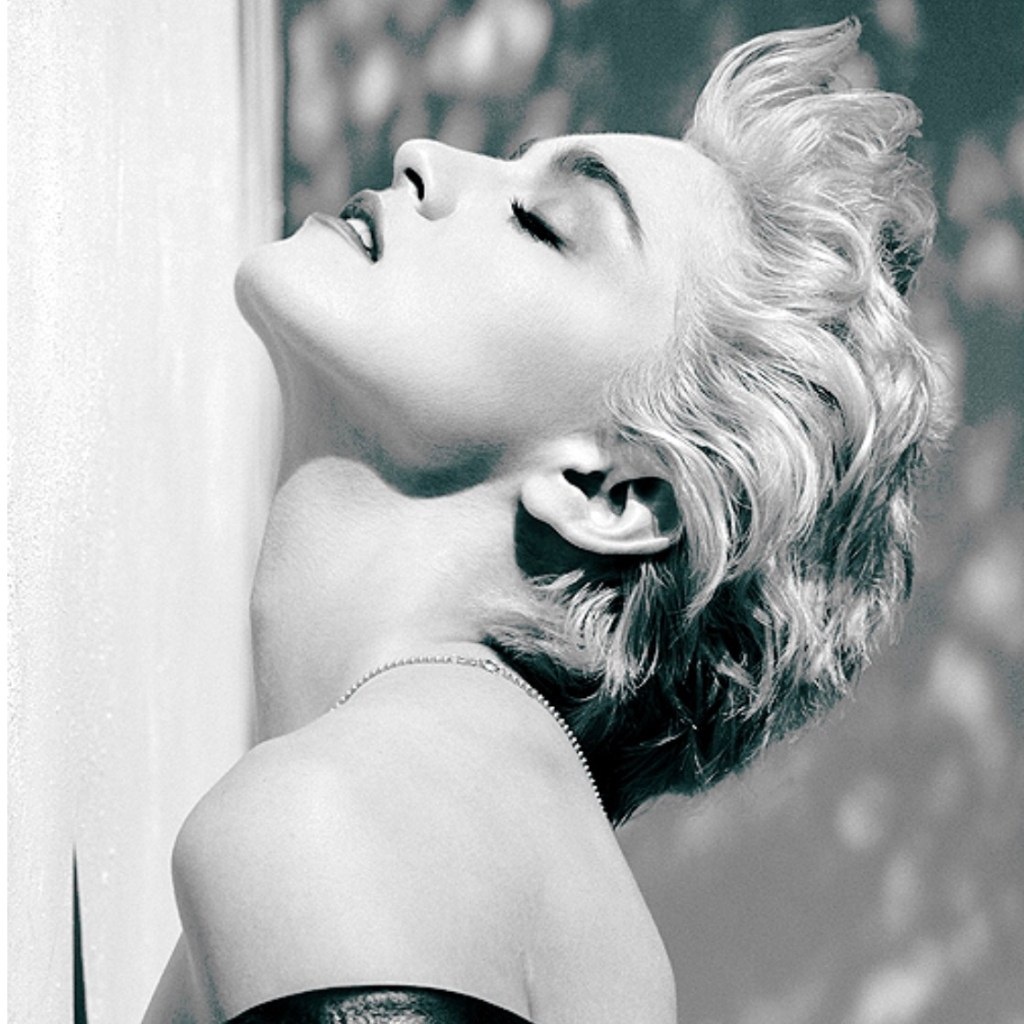
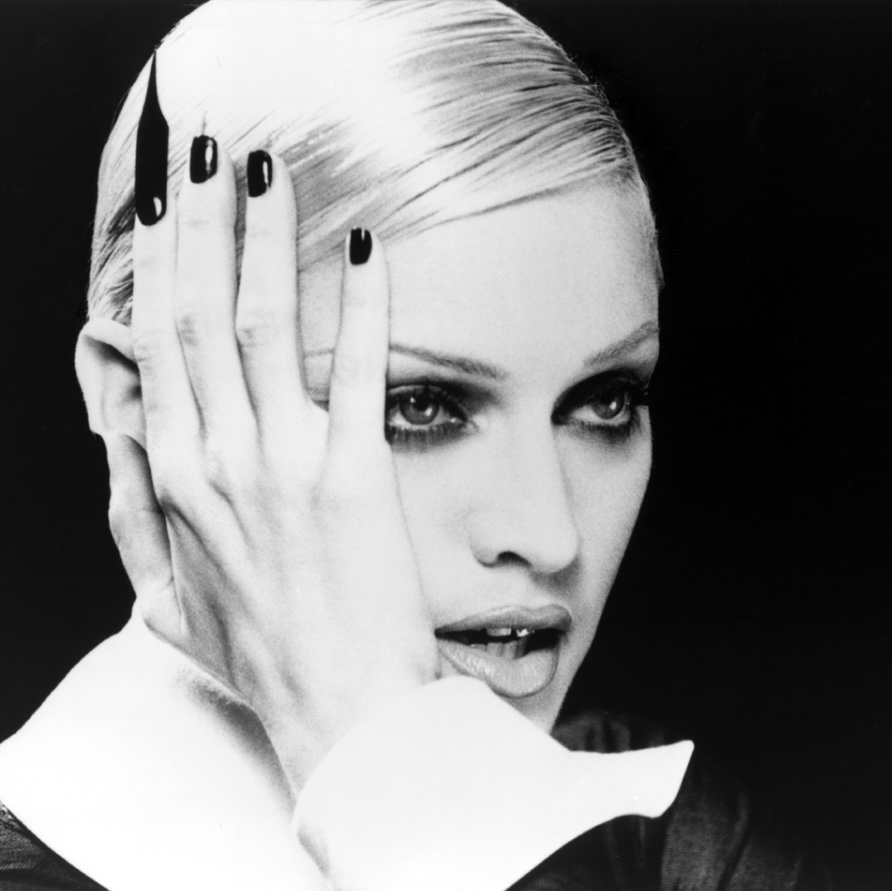
Defy is the pressure point. It is where Madonna’s work becomes sharper, more confrontational and more openly engaged with power, sexuality, religion, gender and public control. This is not rebellion as decoration. It is strategy. The music, videos and performances of this movement test what a female pop star is allowed to say, show, own and survive. The controversy is not separate from the work. It is part of the frame.
Shift is transformation under different light. Voice, cinema, motherhood, spirituality, electronica and emotional risk begin to change the temperature of Madonna’s work. The surface may become softer at times, but the questions deepen. Who are you when the world thinks it already knows you? What does reinvention mean when it is no longer just visual, but internal? Shift is not retreat. It is recalibration.
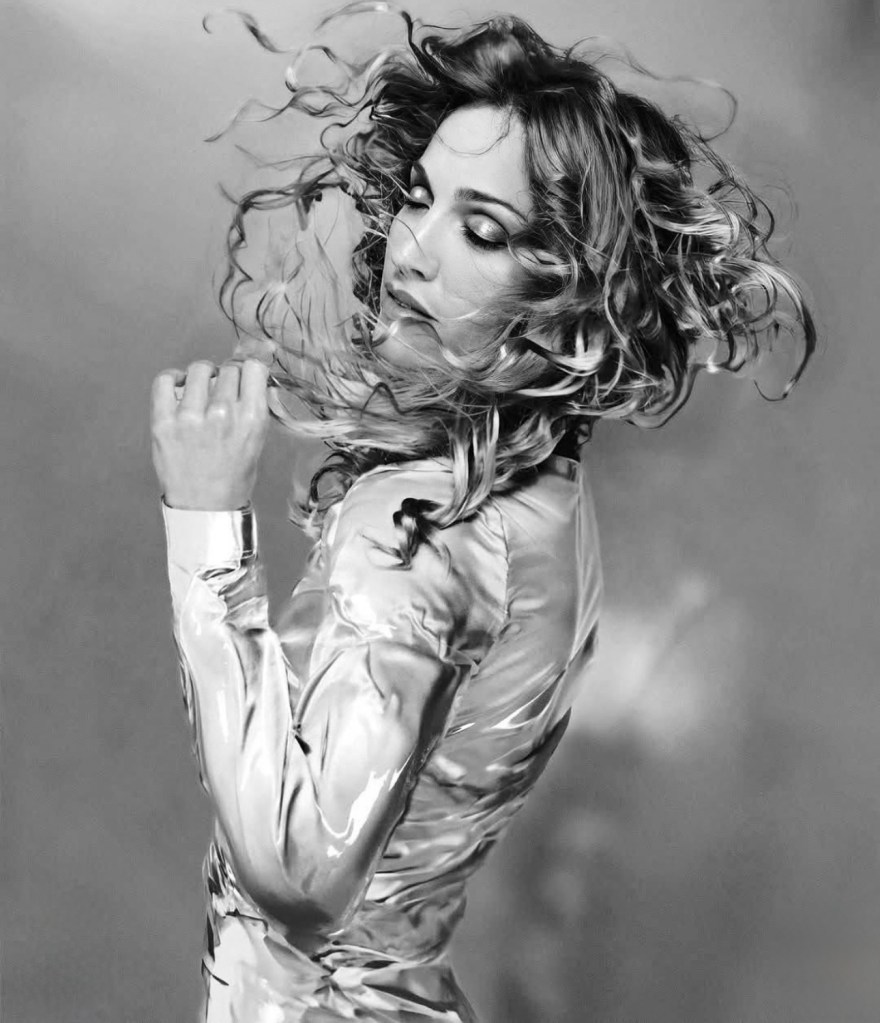
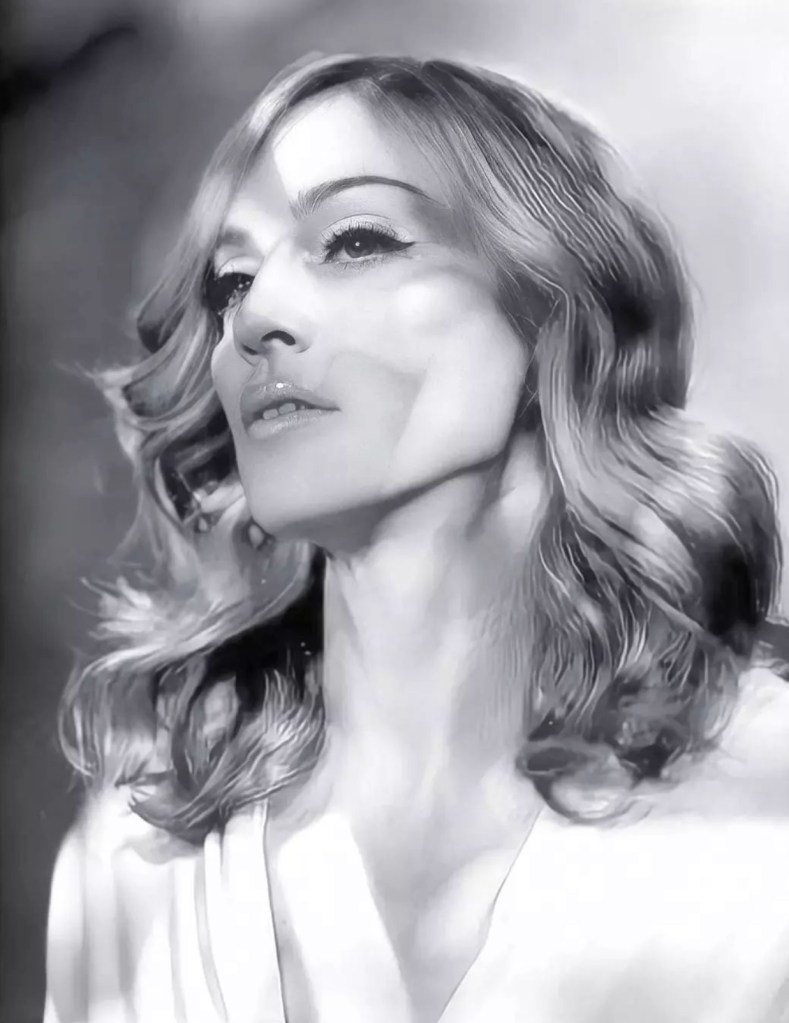
Echo is where the past does not simply return. It reverberates. Later Madonna is often discussed through memory, legacy and reference, but that misses the point. Echo is not a museum wing. It is an active field. The earlier sounds, gestures and arguments come back changed by time, technology, age, audience and culture. The work looks back, but it does not stand still. It keeps moving.
Using movements allows MLVC to follow those connections more freely. A single does not only belong to the album that released it. A tour does not only document a setlist. A remix is not only an alternate version. A magazine cover, a fan-club issue, a music video, a televised performance or a campaign image can all reveal something about how Madonna’s work travels through time.
This matters because Madonna’s career has never been simply chronological. It is cumulative. Each chapter carries the weather of the previous one, even when it appears to reject it. The innocence of the early dance records does not disappear when the work becomes more provocative. The provocations of the early nineties do not vanish when the music turns inward. The spiritual and electronic shifts of the late nineties do not end when disco returns. The dance floor, the camera, the body, the argument and the audience are always somewhere in the room.
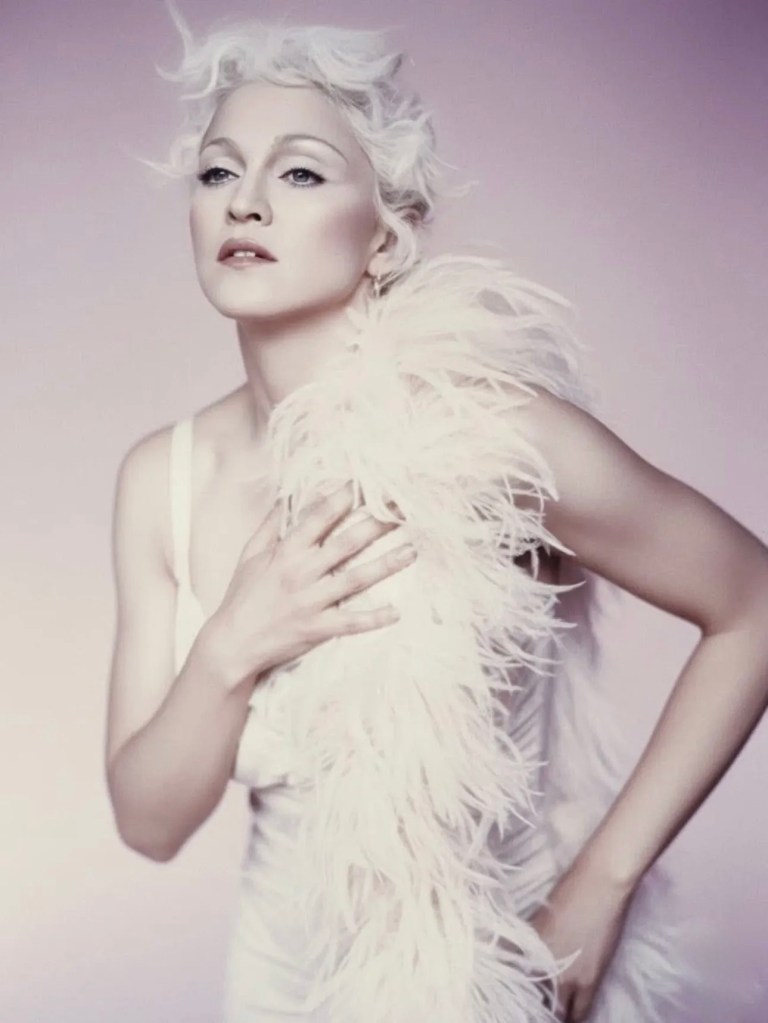
MLVC is built to follow that motion.
The site is an archive, but not a frozen one. It gathers albums, singles, tours, videos and fan material because these things continue to speak to one another. The aim is not to trap Madonna in a timeline, but to trace the charge as it travels: from first pulse to public defiance, from transformation to echo.
To call them movements is to recognise that Madonna’s work does not simply pass through time.
It moves through us too.
 Madonna
Leave a comment