
There is something sharply Madonna about a song called Read My Lips. It does not ask for attention; it demands it. The title turns the body into a message and the mouth into a site of command. Before the full arrival of Confessions II, the track already feels like one of the album’s more intriguing signals: voice, desire, translation and movement all pressed into three words.

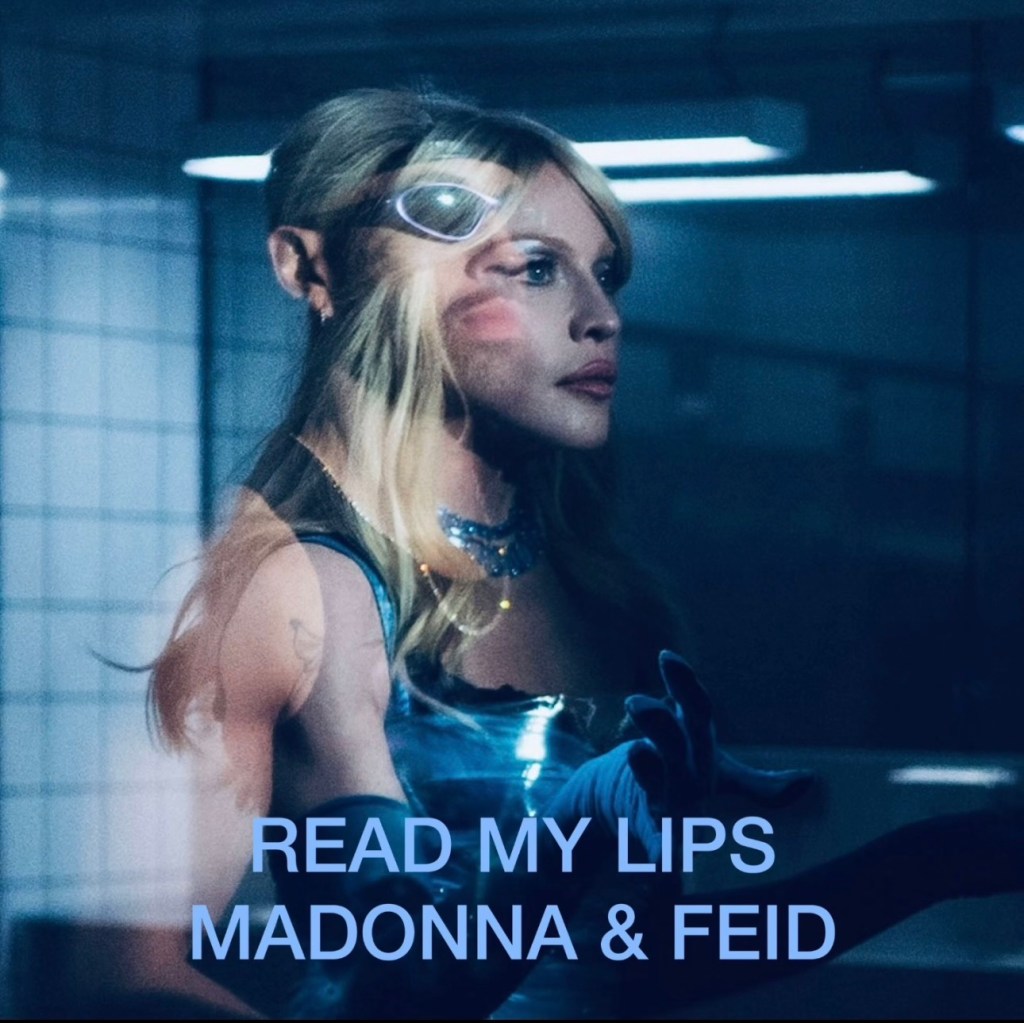
Reported as a collaboration with Colombian artist Feid, Read My Lips appears within the first six-track visual world of Confessions II – The Film, where Madonna’s new album is introduced not simply through sound, but through image, choreography and physical presence.
That feels important. This campaign is not presenting music as a flat sequence of tracks. It is staging the album as something embodied: something seen, moved through, and felt before it is fully released.
Feid’s presence gives the track a different temperature. He brings the pulse of Medellín, contemporary Latin pop and a younger global club language. Madonna brings the architecture: control, provocation, discipline, desire. Together, the pairing suggests a track built not only around rhythm, but around communication. Who speaks? Who is watched? Who gets translated? Who is misunderstood? Read My Lips sits exactly in that charged space.


There is also a wider global frame. With Read My Lips being reported as part of the FIFA World Cup 26 album, the song may not only belong to Madonna’s Confessions II universe, but to one of the largest shared cultural stages in the world. The World Cup is a language event as much as a sporting one: nations, chants, flags, broadcasts, bodies and rhythms colliding in public. For a Madonna and Feid collaboration, that setting sharpens the point. This is pop designed for circulation.
The title also belongs firmly inside Madonna’s own grammar. Across her career, she has used the body as a form of communication: the hand, the mouth, the breath, the stare, the step. From Justify My Love to Human Nature, from Hung Up to the original Confessions era, Madonna has repeatedly treated the body as both instrument and argument. A mouth is never just a mouth in her work. It can sing, kiss, provoke, refuse, confess and command.
This is where Confessions II becomes more interesting than nostalgia. The original Confessions on a Dance Floor was built around continuity: tracks flowing into one another, bodies moving together, the nightclub as temporary religion. Confessions II appears to reopen that space under different conditions. The dance floor is broader now: more multilingual, more visual, more global.

That makes Read My Lips feel less like a guest feature and more like a statement of intent. Madonna is not simply inviting a younger artist into her world. She is allowing that world to stretch.
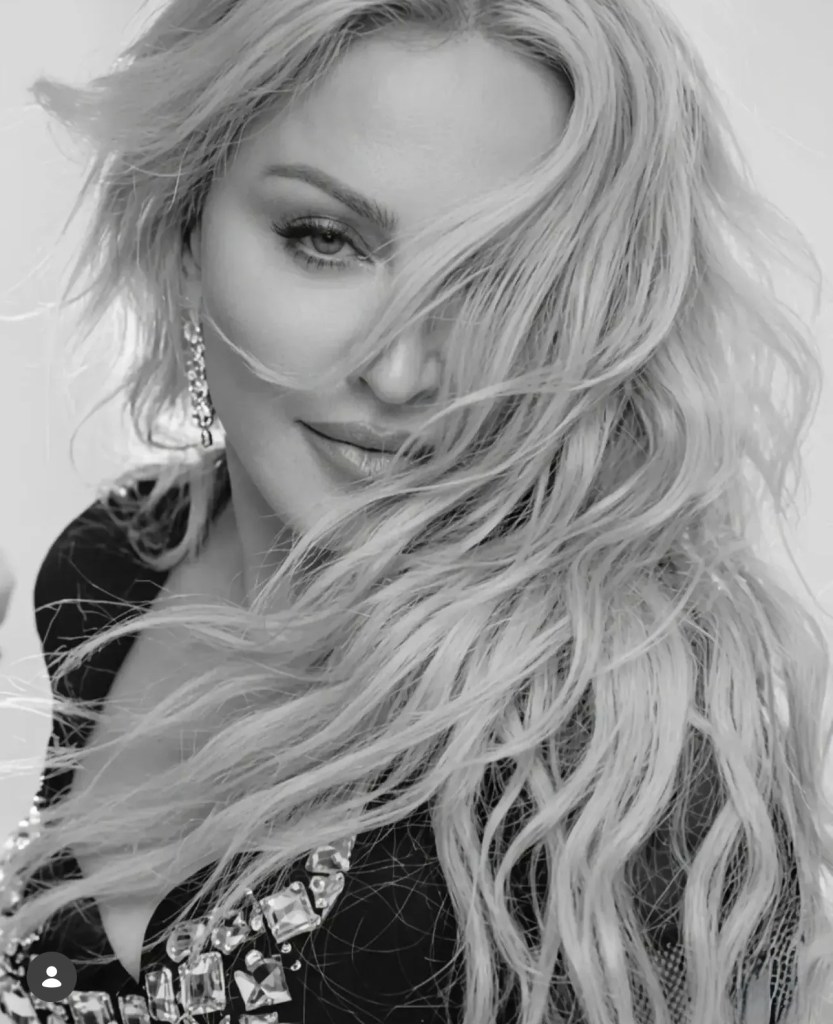
Feid’s presence points towards a different heat, a different rhythm, and a different way of moving through pop.
Until the full album arrives, Read My Lips remains partly a glimpse: a title, a collaboration, a placement, a rumour becoming shape. But even from that outline, it offers a useful clue. Confessions II is not only about returning to the dance floor. It is about asking what the dance floor can still say when the body, the mouth and the beat are made to speak at once.
 Madonna
Leave a comment