
Madonna’s current Confessions II campaign has moved through several recognisable Madonna territories: the screen, the club, the fashion room, the fan event and the carefully charged public appearance. This week, Paris became the latest stage.
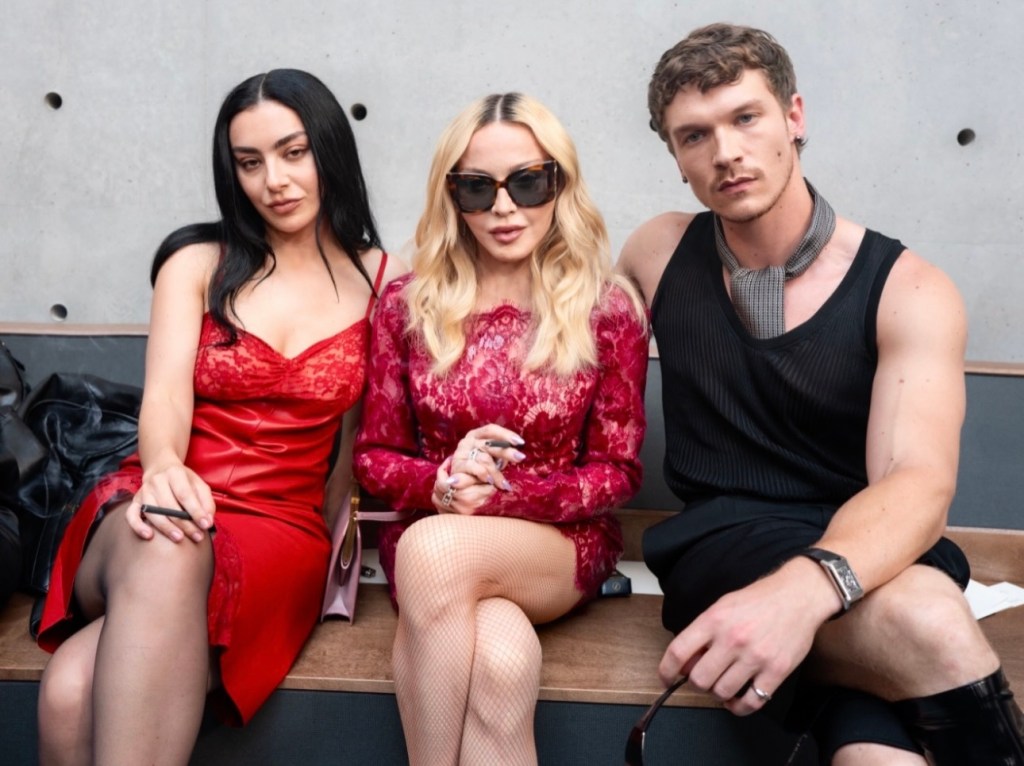
On the surface, it looked like a sequence of glamorous sightings: Madonna at Saint Laurent, Madonna with Charli XCX, Madonna connected to a Paris club event, Madonna linked to a fan screening of Confessions II: The Film. But taken together, these moments feel less like isolated appearances and more like a deliberate extension of the album’s world.
The campaign is not simply asking people to listen. It is placing the music inside rooms, bodies, images and crowds.
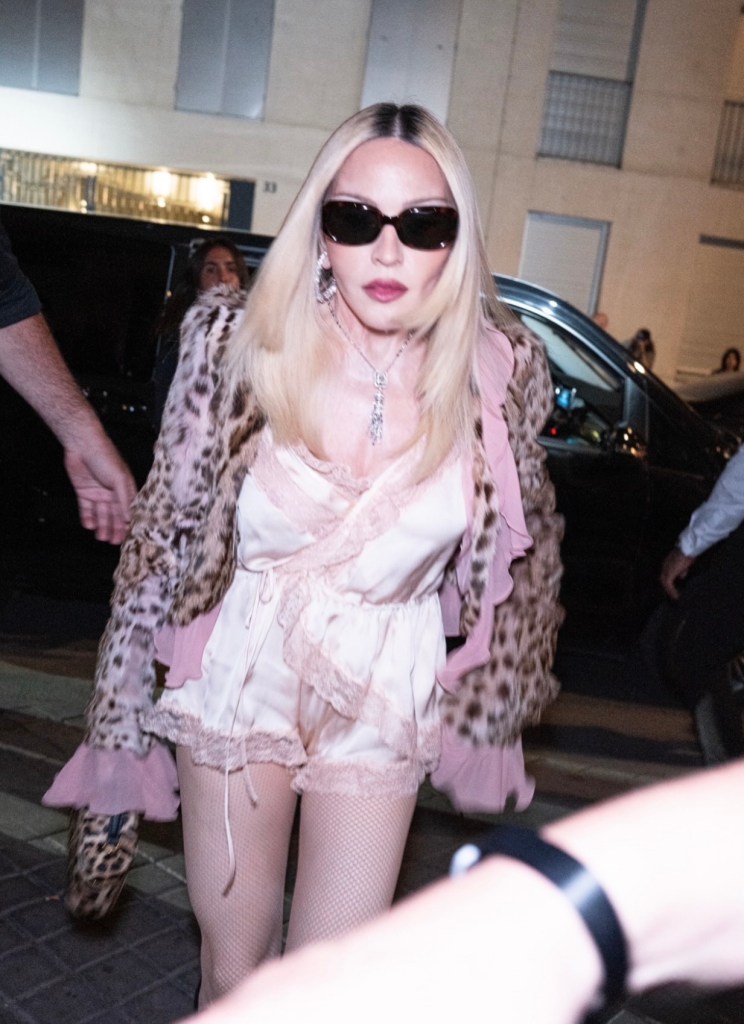
Paris matters in that context. It is a city where fashion, nightlife, cinema and performance naturally overlap, making it an ideal setting for this phase of Confessions II. Madonna has always understood that pop does not live by audio alone. It needs architecture. It needs lighting. It needs witnesses. It needs people gathered together, watching, dancing, whispering, posting, remembering.
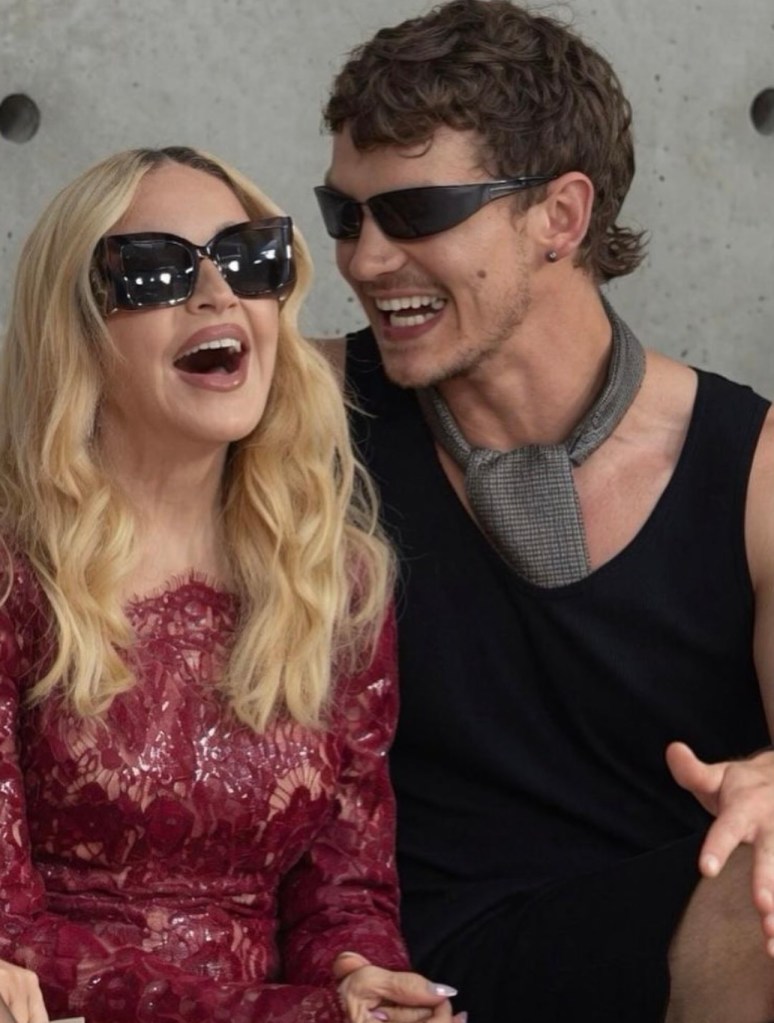
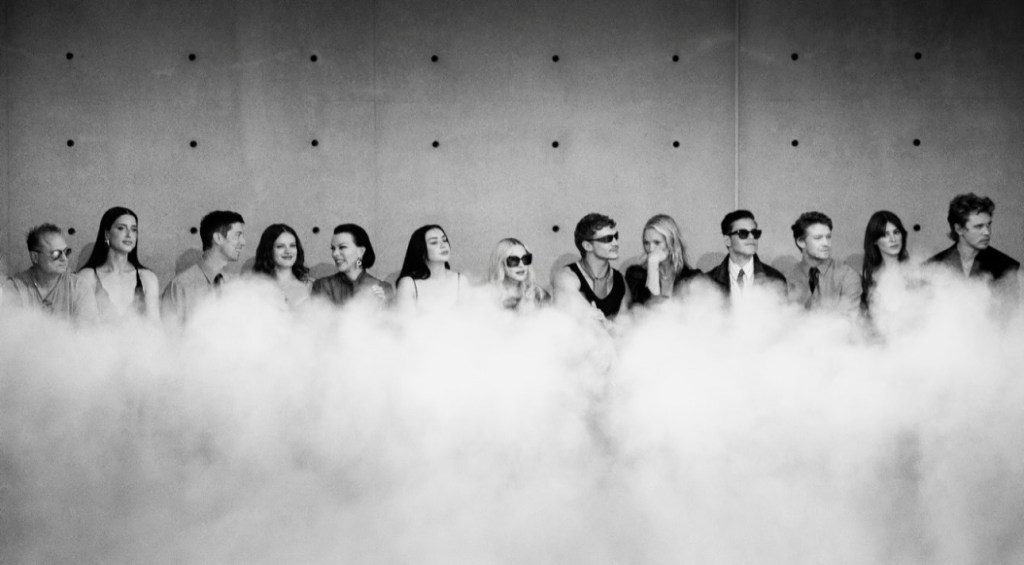
Reports placed Madonna at the Saint Laurent menswear show in Paris on 23 June, seated among a front row that included Charli XCX and other high-profile guests. Inevitably, the images travelled quickly. The clothes became part of the story, but so did the company. In this campaign, proximity matters. Madonna is not only revisiting dance music; she is positioning it among younger pop figures, fashion institutions and cultural observers who understand the dance floor as both history and currency.
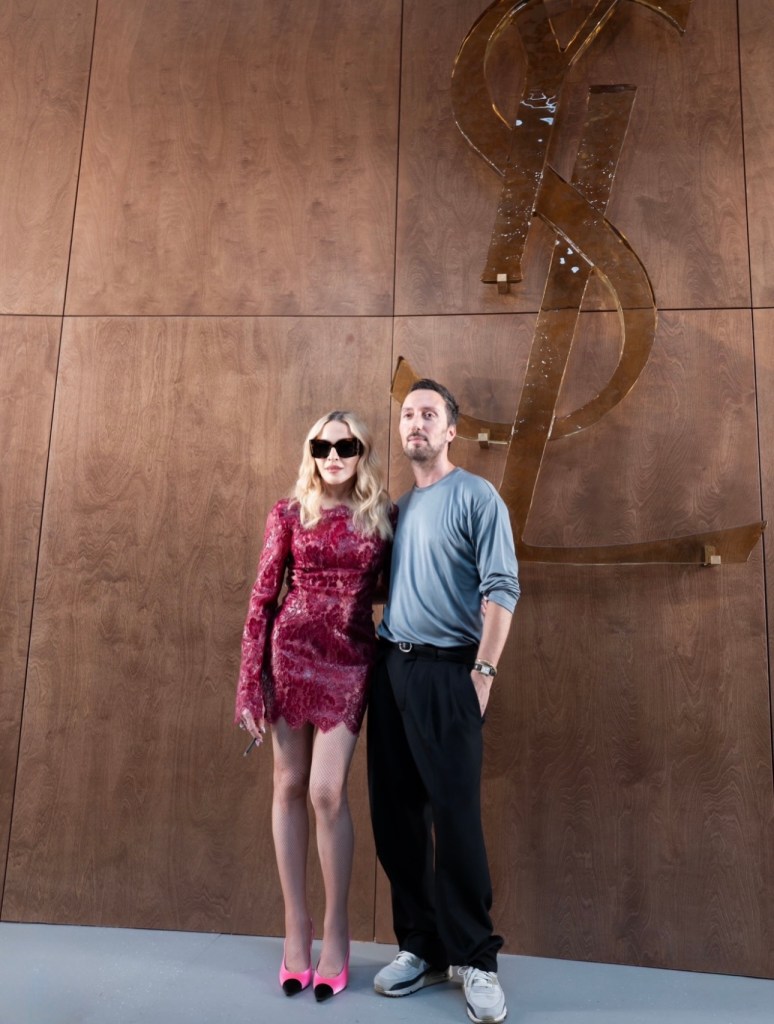
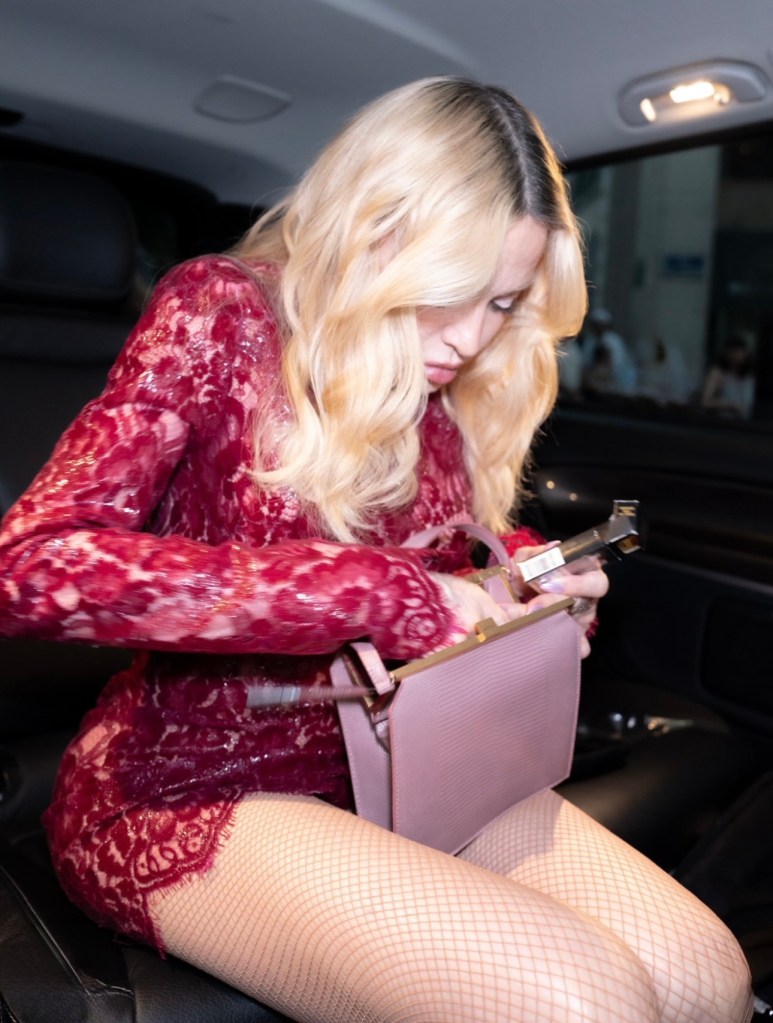
The Charli XCX connection is especially interesting. Recent online chatter had placed the two women in the same conversation around the state of the dance floor. In Paris, the image shifted. Madonna and Charli were seen in the same orbit, suggesting not opposition, but contact. Whether that becomes anything more is beside the point for now. The visual message is already useful: Madonna is not outside the current pop conversation. She is moving through it.
That matters because Confessions II is already asking a larger question: what does the dance floor mean now?
It cannot mean exactly what it meant in 1983, 1990, 2005 or even 2019. The world has changed. Clubs have changed. Bodies have changed. Madonna has changed. Her audience has aged, expanded, fractured and reassembled across generations. Yet the central Madonna proposition remains intact: music makes people come together. Not as a slogan, but as a physical fact.

The Paris strand reportedly included a Club Confessions Paris event connected to Saint Laurent and the city’s nightlife. That is classic Madonna staging, but with a current pulse. Fashion becomes more than clothing. The club becomes more than a party. The event becomes a living extension of the record. It is not only promotion. It is world-building.
That world has already been seeded through Confessions II: The Film, the cinematic presentation of the album’s opening tracks. After its Tribeca premiere and online release, the film has given this campaign a visual and bodily language: movement, crowd, control, surrender, performance and disappearance. A reported Paris screening with a Madonna Q&A extends that idea again, placing the film back into a room with fans.
That distinction matters. Watching alone is one thing. Watching with other people, knowing Madonna is present, changes the temperature entirely.
This is where the campaign becomes more interesting than a standard album rollout.
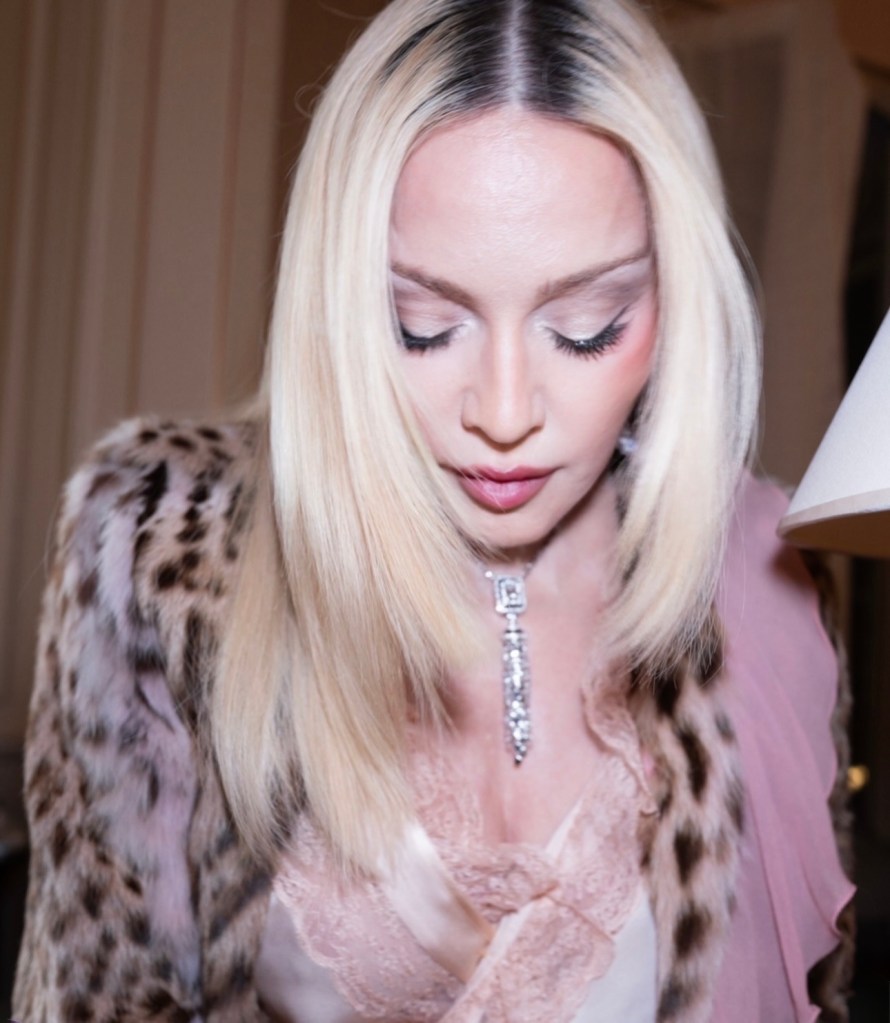
Madonna is not simply releasing songs and attaching appearances to them. She appears to be rebuilding the social conditions around the music: club, cinema, fashion show, fan gathering, after-party. These are all spaces where bodies behave differently. They sit, watch, pose, dance, listen, cheer, photograph and remember. The album moves through them like a charge.
There is also familiar Madonna intelligence in choosing Paris as one of these stages. Paris has long understood the drama of presentation. It knows the difference between clothes and image, between a screening and an event, between nightlife and mythology. Madonna knows this language fluently. She has spent four decades turning rooms into statements.
That is why this moment feels connected to the deeper thread running through Confessions II. The project does not seem content with nostalgia for Confessions on a Dance Floor. It is not simply asking listeners to return to 2005 and stand beneath the same disco ball. Instead, it is testing whether the dance floor can be reopened under different conditions: older, stranger, more digital, more haunted, more self-aware, but still alive.

Paris answers that question visually. Madonna at Saint Laurent. Madonna with Charli. Madonna connected to a club event. Madonna present around a film screening. Madonna placing music back into bodies and rooms. The dance floor, in other words, is not dead. It has changed address for the evening.
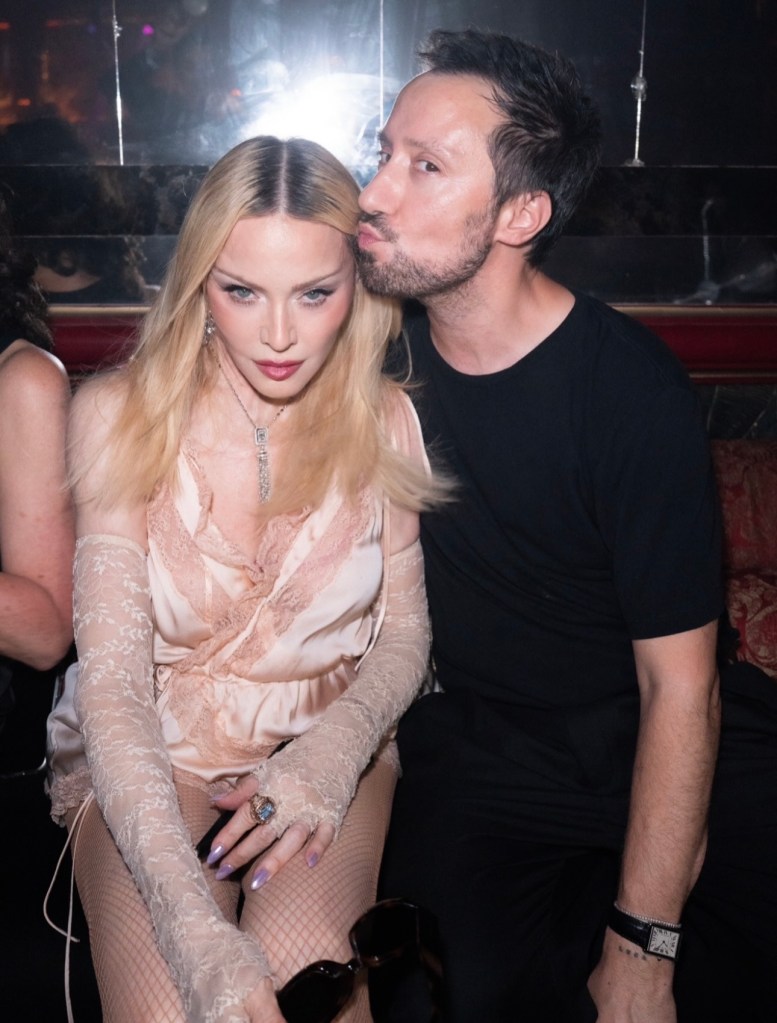
For MLVC, this is the real significance of Paris. It is not just that Madonna attended a fashion show or appeared at a party. It is that the Confessions II campaign continues to behave like an ecosystem. Every appearance seems to connect sound, image, body and audience. Every room becomes part of the record’s architecture.
Madonna has always known that music needs more than release dates. It needs atmosphere. It needs friction. It needs people. It needs somewhere to happen. This week, it happened in Paris.
 Madonna
Leave a comment