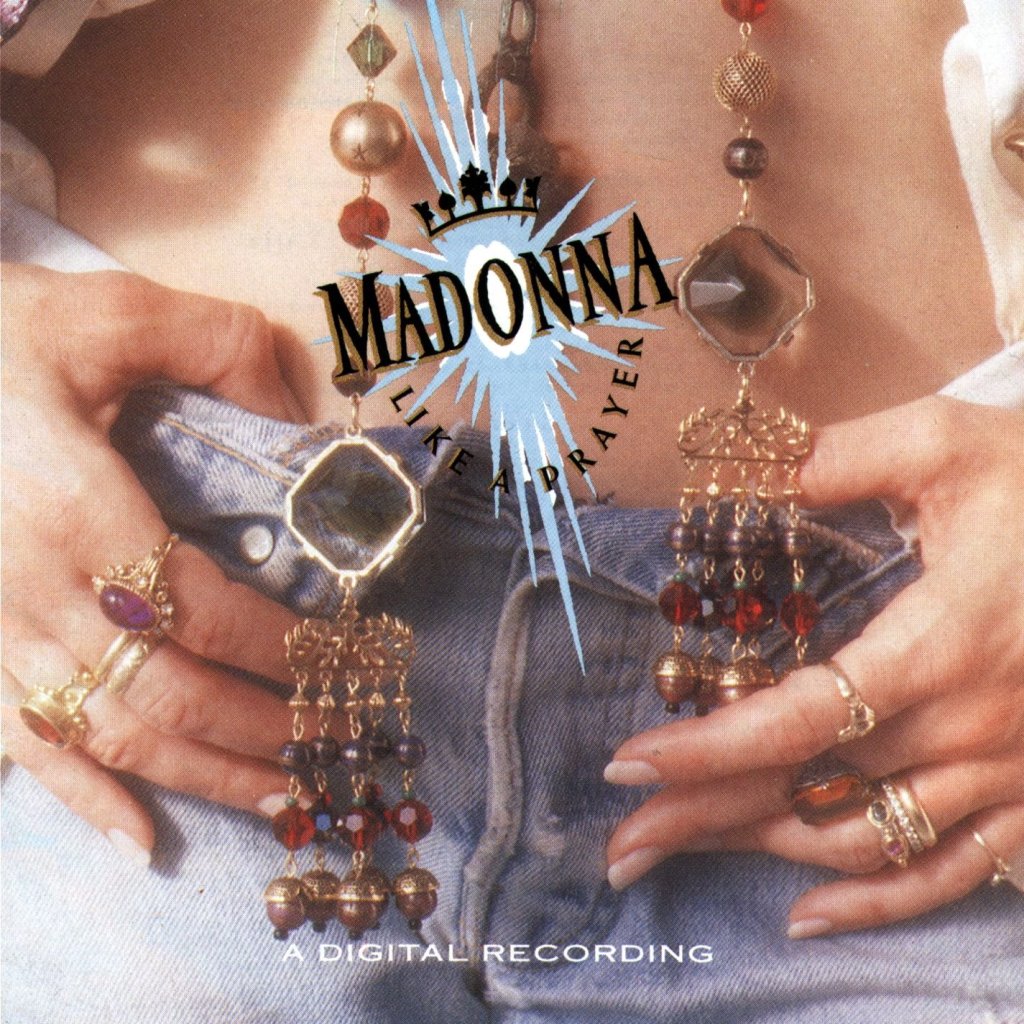
Like A Prayer
Like a Prayer is Madonna’s fourth studio album, released in 1989 by Sire Records. Sitting within MLVC’s Defy movement, the album captures the moment where Madonna’s pop authority became something sharper, deeper and more confrontational.
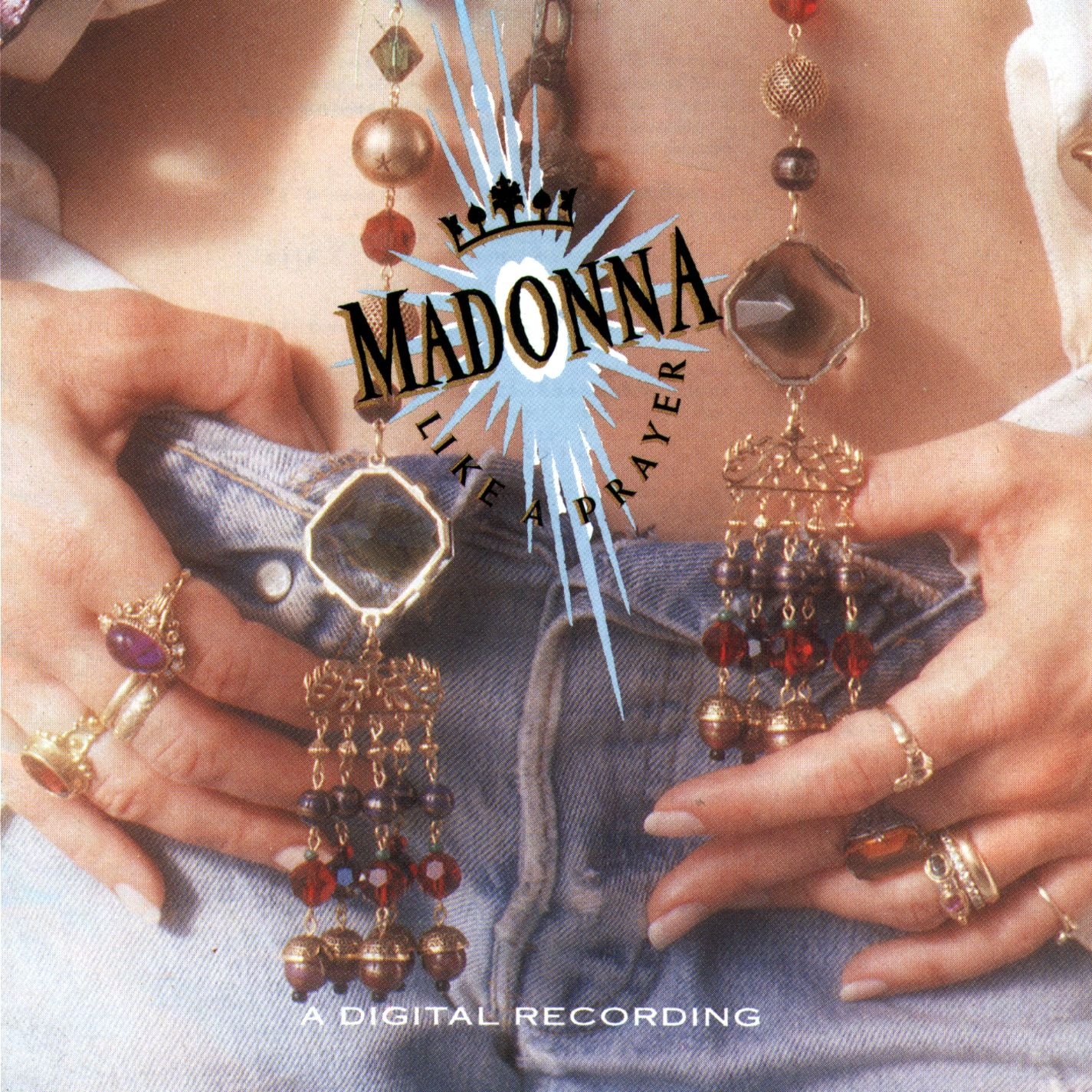
More than a collection of singles, Like a Prayer functions as a declaration of artistic control. It brings together faith, family, sex, grief, guilt, memory and power, turning the language of pop into something more personal and more dangerous. This is Madonna moving beyond image as surface and using it instead as a weapon, confession and stage light.
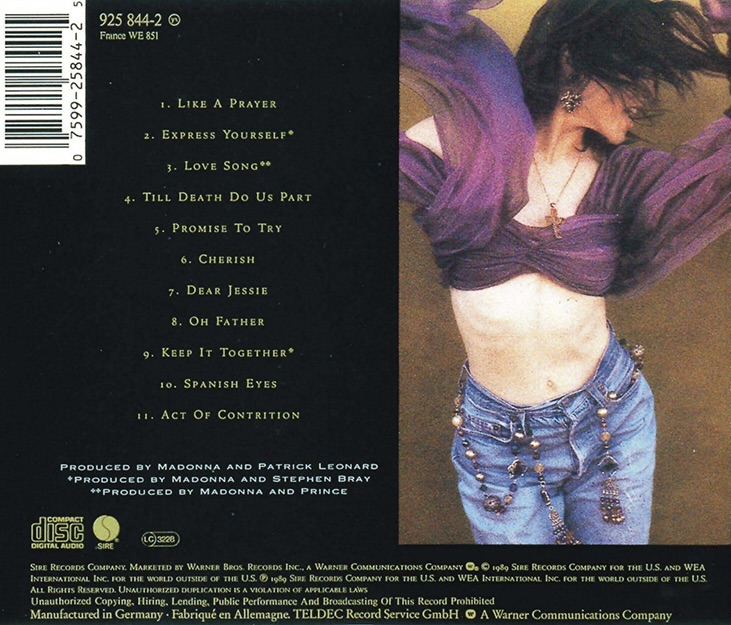
Madonna
Like A Prayer
21 March 1989
Sire Records
Vinyl, cassette, CD, digital and streaming
Madonna, Patrick Leonard, Stephen Bray and Prince
Approximately 51 minutes
Movement Context
Like a Prayer belongs to Defy because it is the point where Madonna openly tests institutions: the church, the family, marriage, advertising, celebrity and the music industry itself. The album does not simply provoke for effect. It asks what happens when private feeling is placed inside public ritual.
This is not the dance-floor arrival of Pulse, nor the later spiritual and electronic expansion of Shift. Like a Prayer is the bridge into confrontation. It is where Madonna’s image hardens into authorship. The controversy surrounding the title track made the battle visible, but the defiance was already inside the work: in the songwriting, the production, the videos and the refusal to keep sacred and sensual language apart.
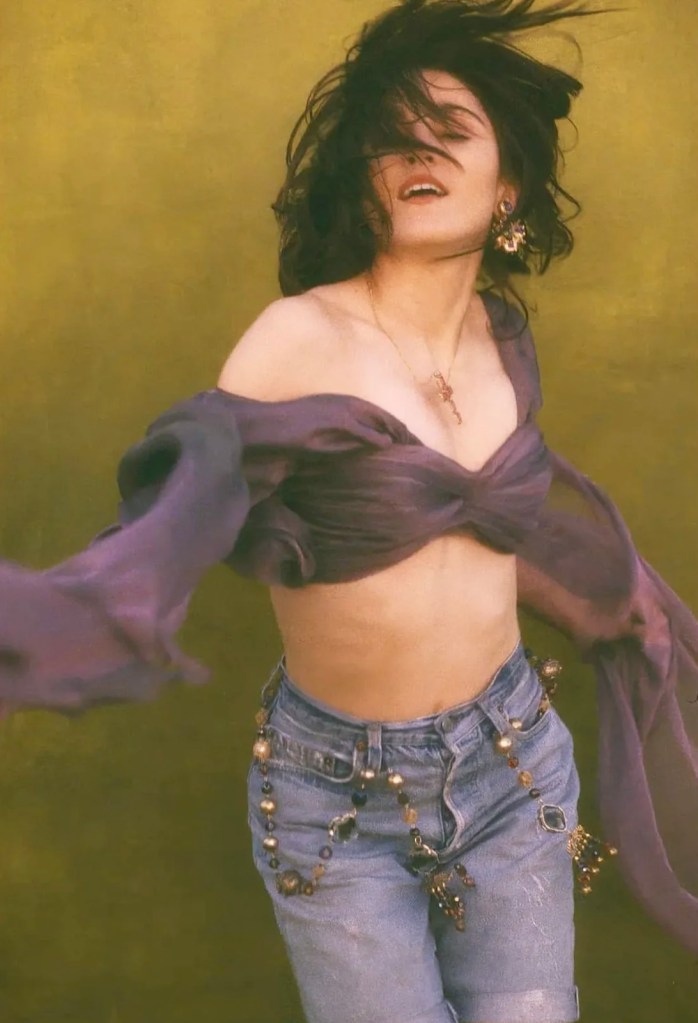
Background
Like a Prayer arrived after the enormous commercial success of True Blue and the public visibility of Madonna’s late-1980s film, music and celebrity life.

By 1989, she was no longer fighting to be recognised as a pop star. She was fighting over what kind of artist a pop star was allowed to be. The album is often heard as one of Madonna’s most autobiographical works. Its songs move through family loss, Catholic imagery, marriage, childhood memory, romantic damage and self-definition. The result is a record that feels both grand and bruised: cathedral-scale pop with a cracked mirror at its centre.
Sound and Themes
Musically, Like a Prayer expands Madonna’s sound without abandoning her command of pop structure. The album moves through gospel force, funk rhythm, rock guitar, polished dance-pop, orchestral melancholy and soul-inflected balladry. Patrick Leonard and Stephen Bray give the record much of its architecture, while Prince’s presence adds another layer of tension and electricity.
The central themes are confession, control, family, desire and liberation. Like a Prayer turns religious language into physical and emotional release. Express Yourself transforms self-respect into a command. “Till Death Do Us Part” turns domestic collapse into breathless pop momentum. “Promise to Try” and Oh Father pull the album into grief, childhood and unresolved family history. At its core, Like a Prayer is concerned with what it costs to become yourself in public.
Track Listing
- Like A Prayer
- Express Yourself
- Love Song
- Till Death Do Us Part
- Promise to Try
- Cherish
- Dear Jessie
- Oh Father
- Keep It Together
- Spanish Eyes
- Act of Contrition
Bonus Tracks / edition variations
The original 1989 release of Like a Prayer did not include standard bonus tracks. Across the main vinyl, cassette and CD editions, the album was issued with the same core eleven-track sequence

Some editions list track 10 as “Spanish Eyes”, while others use the longer title “Pray for Spanish Eyes”. This is a title variation rather than a different song. Original pressings are also notable for their presentation. Early copies were scented with patchouli oil, giving the physical release a distinctive sensory quality that connected with the album’s religious and 1960s-inspired imagery. The album also included a safe-sex and HIV/AIDS information insert, a significant gesture for a mainstream pop release in 1989.
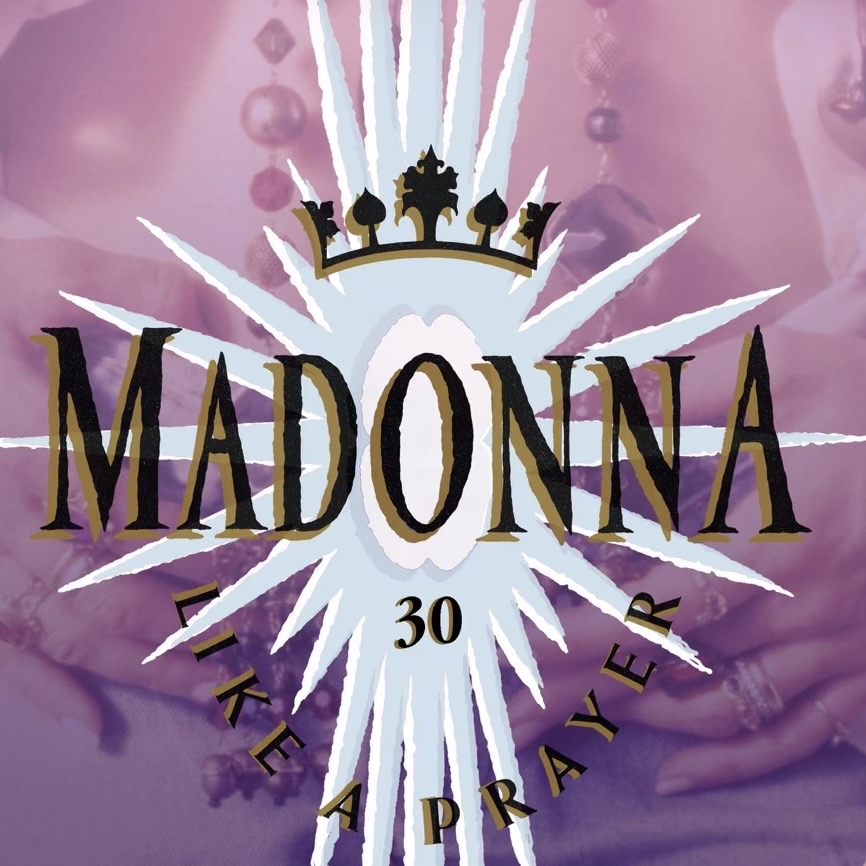
The 30th anniversary digital edition, released in 2019, is not a straight expanded version of the album. Instead, it functions more like a remix-focused anniversary playlist. It replaces several original album versions with extended mixes or single/remix versions, omits “Promise to Try” and “Act of Contrition”, and adds “Supernatural”, originally released as the B-side to “Cherish”.
Singles
The singles campaign opened several different doors into the album. “Like a Prayer” announced the record through gospel, scandal and spiritual theatre. “Express Yourself” presented empowerment as industrial glamour.
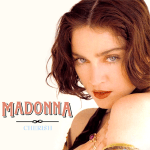
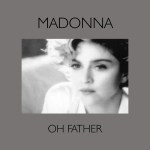
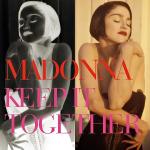
“Cherish” softened the campaign with romantic brightness, while “Oh Father” revealed the album’s darker emotional undertow. “Keep It Together” returned Madonna to family, rhythm and survival.
Videos and Visual Campaign
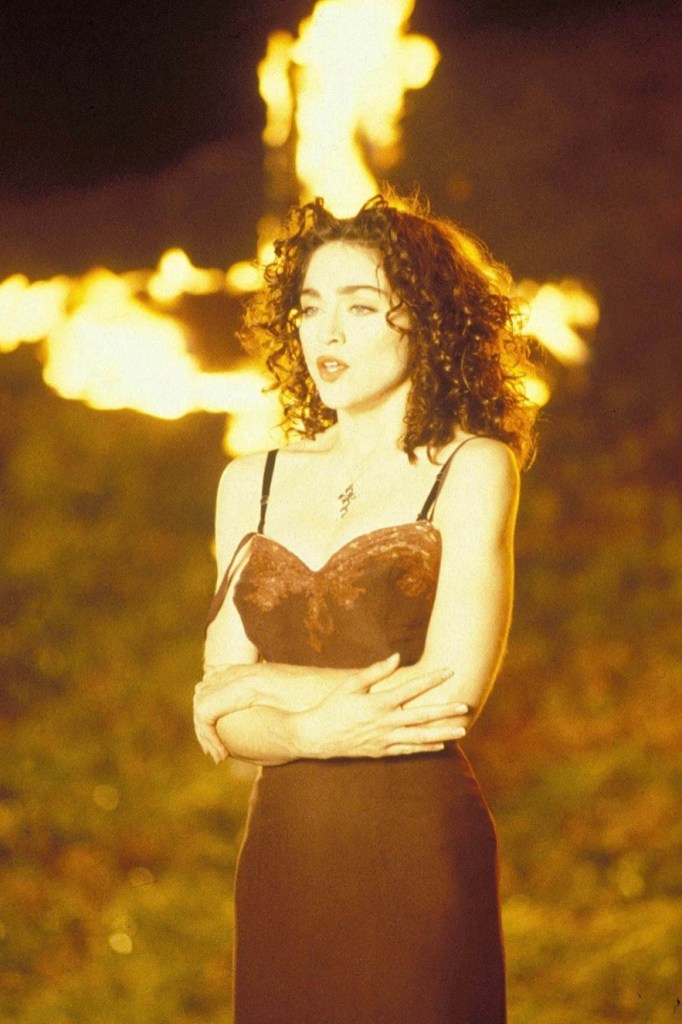
The visual campaign for Like a Prayer is one of the most important in Madonna’s career. It placed religious imagery, racial injustice, sexuality, female power and family trauma inside mainstream pop video culture. The title video, directed by Mary Lambert, became a defining Madonna moment. Its use of Catholic imagery, burning crosses, stigmata and a Black saint figure created immediate controversy, but the video’s power lies in more than shock. It presents Madonna as witness, participant and interpreter, moving through guilt, desire and moral awakening.
Express Yourself, directed by David Fincher, drew on the visual language of Fritz Lang’s Metropolis, turning the song into a grand industrial fantasy of gender, power and control. Cherish, directed by Herb Ritts, offered a black-and-white beach vision of softness and physical ease. Oh Father, also directed by David Fincher, moved in the opposite direction: stark, cinematic, wounded and autobiographical.
Performance and Promotion

The promotion around Like a Prayer became inseparable from controversy. The title track was launched alongside a high-profile Pepsi campaign, but the music video’s religious imagery led to backlash and the withdrawal of the advert. Rather than weakening the album, the controversy intensified its cultural presence. Madonna emerged from the campaign not as a pop product caught in scandal, but as an artist using scandal to expose the limits placed on women, sexuality and religious symbolism in popular culture.
Commercial Performance
Like a Prayer was a major international success. The album reached number one in the United States and the United Kingdom and became one of Madonna’s defining commercial and artistic achievements of the 1980s.
The title single also became one of Madonna’s signature hits, reaching number one in the UK and remaining one of the most recognisable songs in her catalogue.
Reception

On release, Like a Prayer was widely recognised as a major step forward in Madonna’s artistry. Critics responded to its increased emotional depth, stronger songwriting and more ambitious production. It was not simply received as another successful Madonna album, but as evidence that she could turn pop into a more complex language. Fan reception has remained especially strong.
For many listeners, Like a Prayer is the point where Madonna’s catalogue becomes more personal, more adult and more openly confrontational. It is the album where the pop star becomes the author of her own mythology.
Legacy
The legacy of Like a Prayer lies in its fusion of pop pleasure and serious risk. It showed that a mainstream pop album could carry grief, sexuality, religion, family trauma and political charge without losing its commercial force.
Within MLVC, the album matters because it defines the Defy movement. It is Madonna refusing containment: by church, by marriage, by family story, by corporate sponsorship, by critical expectation or by the idea that pop should remain polite. Like a Prayer does not ask permission. It enters the room, lights the candles, breaks the glass and starts singing.
Related Pages

 Madonna