Stuart Price matters to Madonna because he understands the dance floor as architecture, not decoration. He is not simply a producer who adds beats to songs.
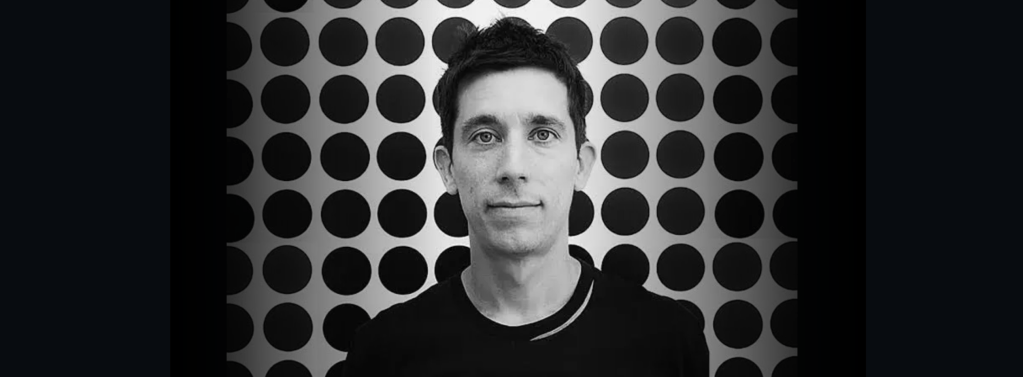
Stuart Price is a musician, DJ, remixer, programmer and arranger who knows how movement works: how tension builds, how repetition becomes pleasure, how one track can fold into another until an album starts to feel like a body in motion.
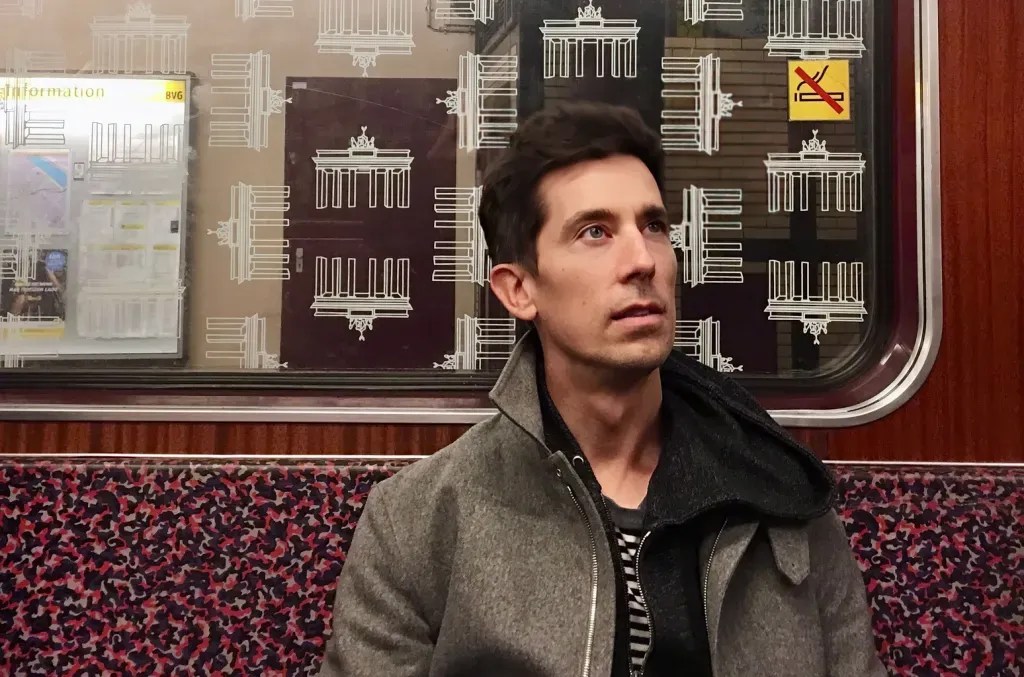
Price has worked under several names, including Jacques Lu Cont, Les Rythmes Digitales, Thin White Duke, Paper Faces and Man With Guitar. Each alias carries its own atmosphere.
Jacques Lu Cont, in particular, belongs to a world of sleek synths, filtered builds, elastic basslines and controlled electronic glamour. The name was never just a disguise. It gave Price a sound-world.
That is why his work with Madonna matters so much.
Their relationship began before Confessions on a Dance Floor. Price worked with Madonna on the Drowned World Tour in 2001 as keyboard player and musical director, bringing with him a dance-music instinct that was not softened or tidied away. He understood sequencing, release and the physical grammar of club music. He understood that a song does not only need to begin and end. It needs to move.
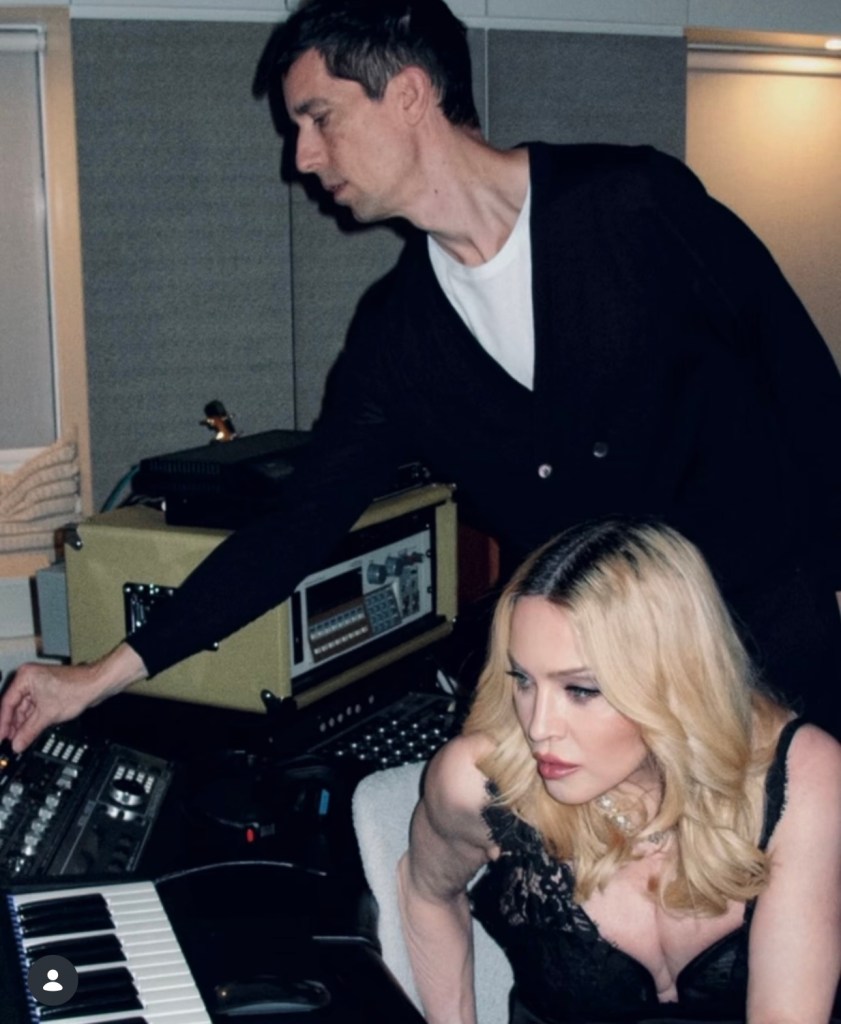
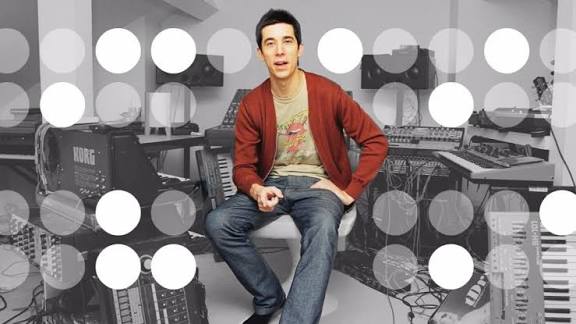
By the time Madonna and Price reached Confessions on a Dance Floor in 2005, that understanding became central. The album did not behave like a standard pop record.
Confessions on a Dance Floor moved like a DJ set: continuous, physical, polished, euphoric, but also shadowed by melancholy. Hung Up may be the obvious monument, but Price’s deeper magic is in the album’s whole body: the glide from song to song, the muscle beneath the glitter, the sense that every transition has been choreographed from the inside.
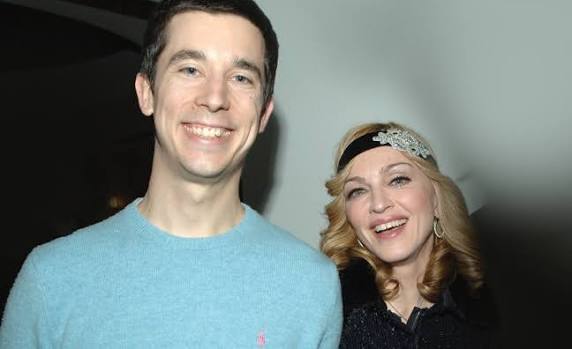
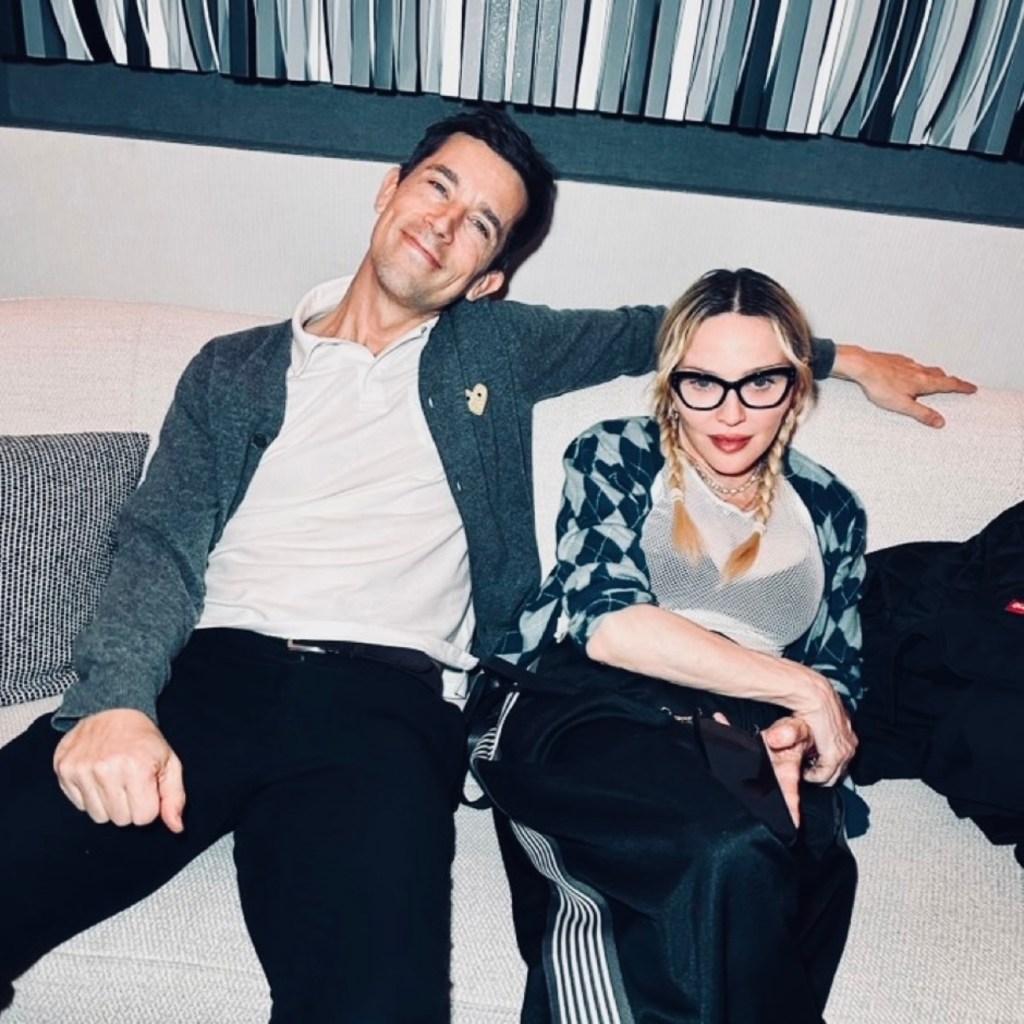
That is why his return for Confessions II feels so charged. For fans, this is not just another producer coming back into the room. It is the return of someone who helped define one of Madonna’s most beloved album worlds. Price is not merely associated with a sound. He is associated with a method: movement first, confession through rhythm, feeling smuggled inside the beat.
The credits for Confessions II show a wide creative field, with collaborators including PARISI, Andrew Watt, Cirkut, Tainy, Martin Garrix, Osrin, Lanita Smith, Triangle Park, Mustapha LeBeau, Mirwais and Arca appearing across different tracks. That matters because this is not a sealed nostalgia exercise. The album draws in new textures, new voltage and different production languages.
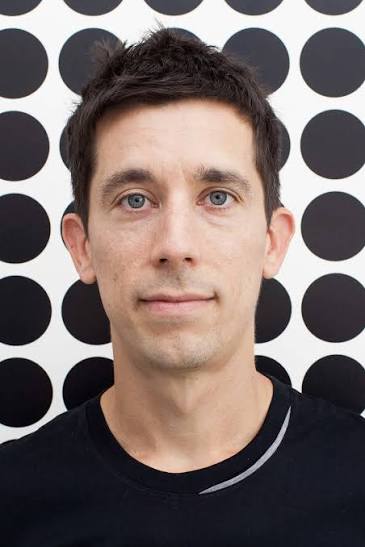
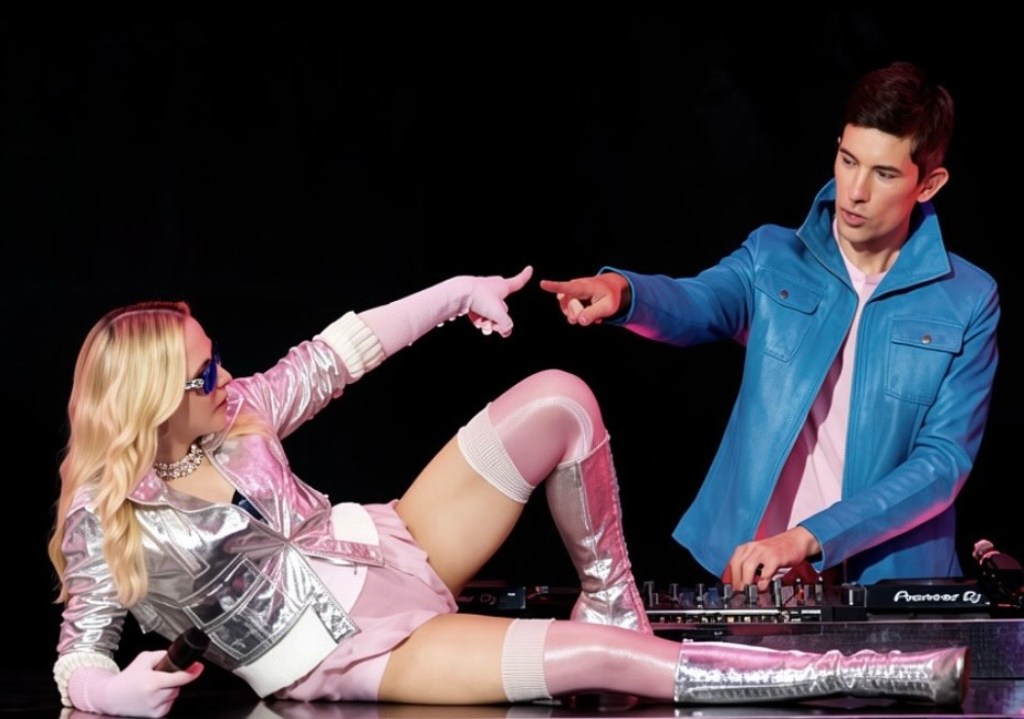
But Madonna and Stuart Price appear to be the central axis. Price is repeatedly credited across production, writing, mixing, engineering, programming, keyboards, bass, guitar and arrangement. That is not a decorative role. That is engine-room work.
His value to Madonna has always been more than sonic. Price understands the Madonna of clubs, mirrors, sweat, command, heartbreak, Catholic residue and bodily release. He understands that dance music can carry emotional weight without becoming solemn. It can shimmer and still ache. It can be euphoric and haunted in the same breath.
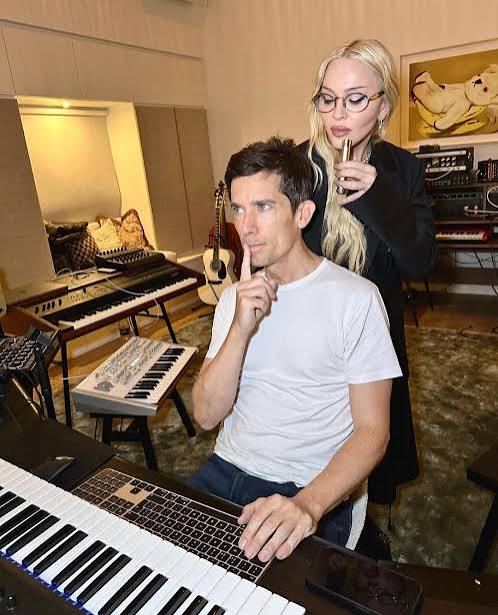
The challenge for Confessions II is that it cannot simply recreate 2005. The original Confessions is now memory, myth and fan scripture. A sequel has to do something more interesting than polish the mirrorball again. It has to reopen the room and ask what still moves, what still provokes and what can be made new.
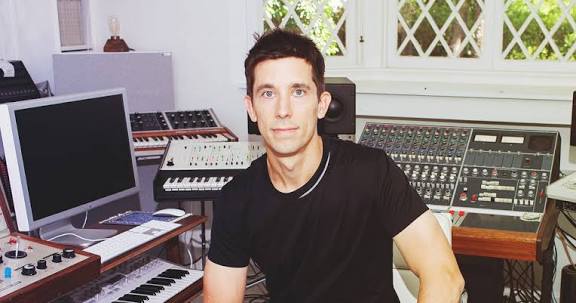
That is why Stuart Price matters here. He gives Madonna a bridge back to the dance floor, but not as decoration. As architecture. A disco séance, yes. But with excellent cable management.
 Madonna
Leave a comment